|
What part of running a kava bar feels most meaningful to you?
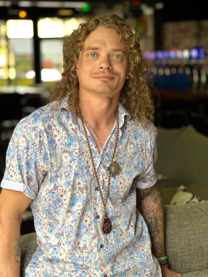
Watching people transform. I’ve seen strangers become family, people in recovery find hope again, and individuals who felt isolated discover a genuine sense of belonging. Those moments remind me why we’re here. Through Sacred Vortex and MOSHI, we’re building something much bigger than a place to grab a drink—we’re building a community where healing happens naturally through connection.
How do you find balance between running a kava bar and your personal life?
It’s definitely a challenge because this isn’t just my career—it’s my calling. I have to intentionally create time to recharge, stay connected to my own spiritual practices, spend time with the people I love, and remember that I can’t pour into others if my own cup is empty. Balance isn’t about doing less; it’s about staying grounded so I can continue serving my community from a healthy place.
What’s one thing you wish more people understood about kava culture?
That it’s not about replacing alcohol with another substance—it’s about replacing isolation with connection. The heart of kava culture is slowing down, having meaningful conversations, supporting one another, and creating spaces where everyone feels welcome. The drink is simply a catalyst. The real magic is the community that forms around it.
What do you hope to see in the future of kava culture?
I hope kava bars become as common as coffee shops and are recognized as places where people can gather without the pressure to drink alcohol. I’d love to see more communities embracing alcohol-free social spaces and realizing that fun, celebration, and deep connection don’t require intoxication. My hope is that kava culture continues to evolve as a movement centered on wellness, inclusion, and authentic human connection—because I truly believe the world needs more places where people feel safe to simply be themselves.
|