Kentucky Coalition For Healthy Children Newsletter

Issue 51 | August 2026

Working collaboratively on policies and practices in and around schools that promote equity and improve the physical, social, and emotional health and well-being of children, youth, and families.

The opinions and viewpoints expressed in this newsletter do not necessarily reflect the positions of all coalition partners.

KCHC Member Highlights

Data Resource│ The Opioid Data Dashboard on Children and Families

Kentucky Youth Advocates (KYA) has published the Opioid Data Dashboard on Children and Families, which is a valuable resource for county leaders, communities and anyone working to improve child well-being in Kentucky. The interactive tool provides county-level data, tracks trends over time, and highlights evidence-based strategies to help communities target opioid settlement investments where they can have the greatest impact on children and families. Dashboard here.


Training │Minimizing Trauma through Minimal Facts Interviews

Aetna SKY and the Barren River Child Advocacy Center have partnered to offer The Minimizing Trauma through Minimal Facts Interviews, a one-hour training that provides essential guidance for professionals and caregivers on how to respond appropriately and compassionately when a child discloses sexual abuse. Each session is capped at 30 attendees. If the session is capped, email about Andrea Polk at polka@aetna.com about the waitlist.

Training 1 (08/05/26)

Training 2 (08/19/26)


Series | State & Federal Policy Updates

Join the ThriveKY Coalition’s series for important updates on the economy, Medicaid, KCHIP, SNAP, housing, transportation, childcare, public health, and behavioral health. There is a virtual program being held on August 11 and in-person program being held in Bowling Green on August 18. For more information about the series, CEUs, and how to register click here.


Training │ Reduced Rates: Changing Systems in K-12 Education

Join Cairn Guidance in Louisville, KY, at Genuine Work in NuLu for nationally marketed training opportunities but reduced rates for KY Educators and Partners of education. Flier with more information is here.

  • Oct. 6, 10:30–4:30: Making Change™: a simulation that addresses resistance and builds partnership around school change. $200
  • Oct. 8, 9:00–4:30: Systems Thinking, Systems Changing™: explores what schools & districts need to implement sustainable change. $300
  • Attend both for $400.

Limited to 10 participants per day. Learn more and register here. Interested in the Training of Trainers component? Email jess@cairnguidance.com for details!


Informational Materials │ Type 1 Diabetes and Children

The Kentucky Department of Education has developed information materials for parents and Guardians related to Type 1 diabetes. The fact sheet contains information on risk factors and warning signs, early detection and screening and resources. Information sheet here.


New Resources | House Bill 257

As Kentucky schools prepare to implement one of the most significant changes to the Commonwealth’s K-12 assessment and accountability system in decades, the Prichard Committee for Academic Excellence has released a new suite of resources to help community members, families, educators and business leaders understand House Bill 257 and their role in making its promise a reality. You can read more and access the resources here.


Blog Post | SNAP Changes and the Impact on Kentucky Kids

Kentucky Youth Advocates posted a blog article that dives into how recent policy shifts related to the Supplemental Nutrition Assistance Program (SNAP) are impacting Kentucky families. Read more here.


Data│ Food Insecurity in Kentucky

The Feeding America Network, of which Feeding Kentucky is a partner, has released the Map the Meal Gap study to help the network and partners better understand food insecurity and food price variation at the local level. The Kentucky map and more information here.

Resources│ Supplemental Transportation

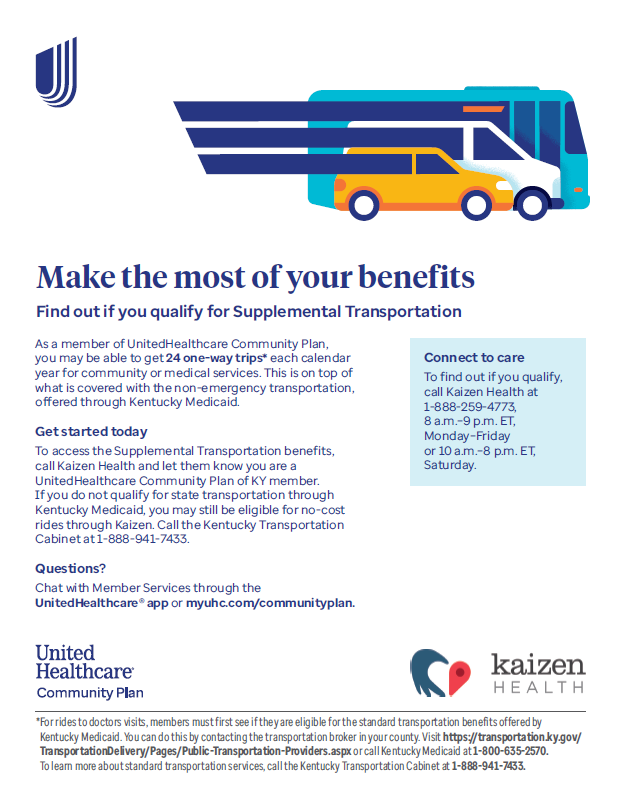
United HealthCare offers supplemental transportation resources for beneficiaries; part of the various other health and community support resources offered to its beneficiaries. More information here.

What's New in Children's Health

Reasons for Hope in Behavioral Health


The latest National Survey on Drug Use and Health (NSDUH) from the Substance Abuse and Mental Health Services Administration (SAMHSA) highlights several encouraging trends for children and adolescents. Between 2021 and 2024, the percentage of youth ages 12–17 who experienced a major depressive episode declined from 20.8% to 15.4%, while the percentage reporting serious thoughts of suicide fell from 12.9% to 10.1%. The survey also found continued declines in prescription opioid misuse among adolescents and across the broader population.


Despite this progress, the report underscores that mental health needs remain significant. Millions of young people continue to experience mental health conditions, and many still do not receive the treatment or support they need. These findings reinforce the importance of sustained investment in prevention, early intervention, school- and community-based supports, and accessible behavioral health services to help all children and youth thrive.

School Meal Program Reaches Record Number of Children


A new report from the Food Research & Action Center (FRAC), Community Eligibility: The Key to Hunger-Free Schools 2026 highlights encouraging progress in expanding access to free school meals through the federal Community Eligibility Provision (CEP). During the 2025–2026 school year, a record 55,362 schools offered free breakfast and lunch to all students, reaching 27.6 million children, an increase of more than 386,000 students from the previous year.


By allowing eligible schools to offer meals at no cost to all students, CEP helps reduce hunger, improve learning, and ease financial strain on families. Universal access to school meals helps ensure children have the nutrition they need to learn, grow, and thrive. It also reduces stigma for students, eases financial pressure on families, eliminates unpaid meal debt, and allows schools to spend less time on paperwork and more time supporting students.


The report also cautions that recent federal changes to SNAP could make it harder for some schools to qualify for the program, putting future access to free school meals at risk. Protecting school meal programs remains an important investment in children's health and academic success.

School Medicaid Boosts Student Care


Financial Impact of Comprehensive School Medicaid Programs – 2026, a new report from Healthy Students, Promising Futures (HSPF) shows that expanding school Medicaid can significantly increase funding for student health services. HSPF is a national initiative led by Healthy Schools Campaign (HSC) that supports states and school districts in expanding and strengthening their school Medicaid program to meet the health needs of all students.


The report cites, for example, that Illinois schools received nearly $17.8 million in additional Medicaid funding in the first year after expanding billing, while other states have also reported substantial increases in federal support for school-based health services. The report notes that these funds help schools provide nursing, mental health care, speech therapy, and other essential services without relying solely on education budgets. Expanding school Medicaid offers an important opportunity to improve children's health while strengthening schools' ability to meet students' growing physical and behavioral health needs.

Healthy Kids Need Room to Move

A new KABOOM! report, 2026 State of Our Kids Report Addressing the Youth Mental Health Crisis, looks into the powerful connection between play, physical activity, and children's mental health. Fewer than 1 in 4 children ages 6–17 get the recommended 60 minutes of daily physical activity, and 28 million children do not have access to a quality park within a 10-minute walk of home. Over the past two decades, average daily recess has dropped from 37 minutes to just 19.5 minutes, limiting opportunities for movement during the school day.


The report also notes that regular physical activity reduces anxiety and depression, improves mood and learning, and that children are 2–3 times more active outdoors than indoors. Expanding access to safe parks, nature, and play spaces is an important investment in children's physical and mental well-being, and access to nature can help improve children’s physical health, reduce anxiety and depression, and support learning and well-being.

In Your Community

The Power of Play, Connection, and Community


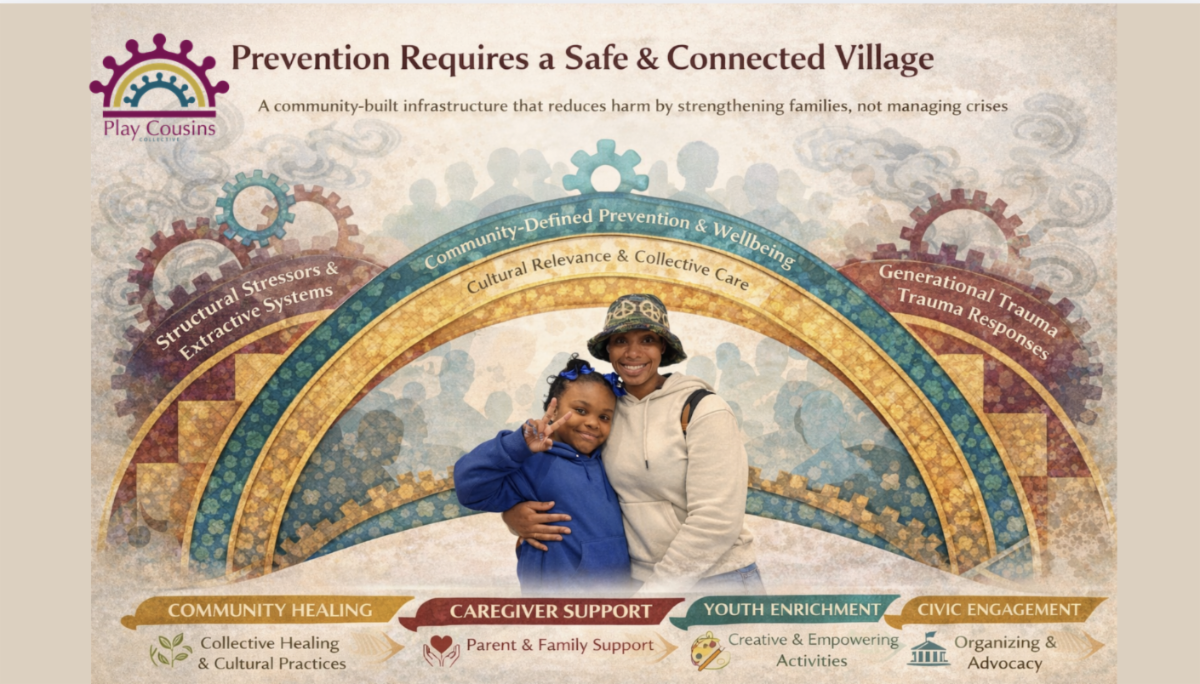
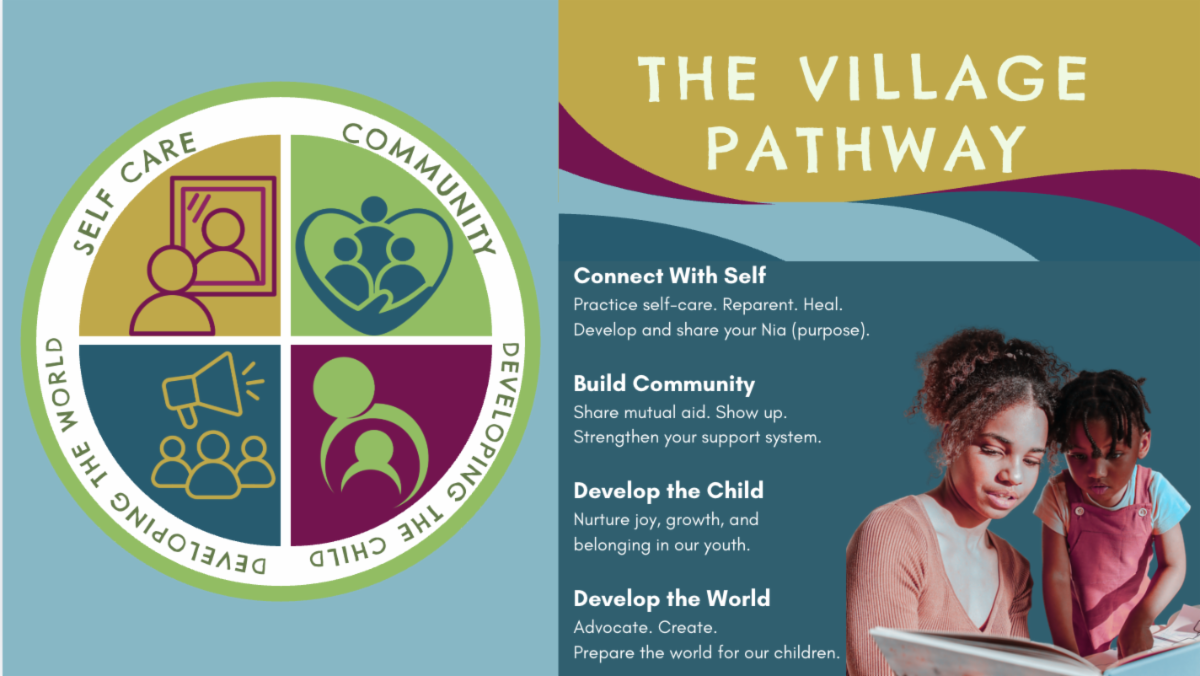
For many children, healthy development depends on more than access to services. it depends on having safe places to play, caring adults, and a community where families feel they belong. Play Cousins Collective is helping create those spaces through its Play and Learn Labs, offering trauma-informed, culturally responsive opportunities for children and caregivers to learn, connect, and grow together.


Serving primarily families in Louisville's West End and surrounding communities, Play Cousins Collective was founded to support children and caregivers who have historically faced barriers to resources and opportunities. Their approach centers on building relationships, strengthening protective factors, and creating environments where families feel welcomed, valued, and connected.

Each Play and Learn Lab combines child-led play with social-emotional learning, opportunities for emotional regulation, and support for caregivers. While children explore through developmentally appropriate activities, caregivers connect with one another, learn about community resources, and strengthen their own support networks.


The impact has been substantial. In 2025 Play Cousins Collective served more than 1,200 youth through its Play and Learn Labs, hosted across neighborhood parks, community organizations, markets, and outdoor events throughout Jefferson County. Families consistently described the programs as welcoming, restorative spaces where children could play freely while caregivers found encouragement, friendship, and a sense of belonging.


Participants' experiences illustrate why these community spaces matter. Participants described feeling "seen, supported, and connected" and appreciated opportunities for their children to build friendships, use their imaginations, and experience joyful childhood moments in an affirming environment.


Programs like Play Cousins Collective demonstrate that investing in families means investing in the relationships and environments that help children thrive. By creating trusted community spaces where play, connection, and caregiver support come together, organizations can strengthen resilience, reduce isolation, and promote healthier outcomes for children long before they enter a clinic or classroom.

Take Action!

As back to school expenses add up, many Kentucky families may struggle to keep up with utility bills. Help spread the word about the Low-Income Home Energy Assistance Program (LIHEAP) Summer Subsidy, a federally funded program which provides eligible households with assistance to offset home energy costs.


Enrollment is open August 3 through September 11, 2026. More information on the program can be found here. Applications are handled locally through Community Action Kentucky.


Please share this opportunity with families and encourage them to contact their local CAC agency.

In Case You Missed It

Beshear reverses 4% Kentucky Medicaid provider cuts


Tracking Measles Cases in the U.S.


New dashboard launched to track how Kentucky is spending its opioid settlement money


Back-to-school season brings reminders on required vaccinations and physical exams for Kentucky students


Research: Some Rural Residents Are Trading Nutrition for Shelter


The White House pushes healthy eating. It cut a landmark nutrition education program


US measles cases hit 35-year high; Kentucky reports 4 cases in Jessamine County

Contact Us!

Do you have an upcoming event or exciting news to celebrate with our coalition? Please email Ally Wells at awells@heatlhy-ky.org to be featured in an upcoming KCHC Newsletter!

Amalia Mendoza | KCHC Newsletter | 502-326-2583
amendoza@healthy-ky.org | www.kentuckyhealthychildren.org
Current KCHC Steering Committee Member Organizations:

Advocacy Action Network

Aetna Better Health of Kentucky

Alliance for a Healthier Generation

American Academy of Pediatrics KY Chapter

American Heart Association

Anthem Medicaid

Bounce Coalition

Cairn Guidance Inc.

Cumberland Family Medical Center Inc.

Kentucky Department for Behavioral Health, Developmental & Intellectual Disabilities

Feeding Kentucky

Foundation for a Healthy Kentucky

Gay, Lesbian & Straight Education Network – Bluegrass

Humana

Kentucky Association for School Social Work

Kentucky Association of School Administrators

Kentucky Council on Problem Gambling

Kentucky Department for Medicaid Services

Kentucky Student Voice Team

Kentucky Department for Public Health

Kentucky Department of Education

Kentucky Health Departments Association

Kentucky Nurses Association

Kentucky Primary Care Association

Kentucky Public Health Association

Kentucky Psychological Association 

Kentucky School Boards Association

Kentucky Voices for Health

Kentucky Youth Advocates

KY Parent Teacher Association – 16th District

Playworks

Pritchard Committee for Academic Excellence

Seven Counties Services

Spalding University

St. Elizabeth Healthcare

Trans Parent Lex

United Healthcare

University of Kentucky College of Health Sciences

University of Louisville School of Public Health & Information Studies

#iCANendthetrend