Kentucky Coalition For Healthy Children Newsletter

Issue 54 | November 2026

Working collaboratively on policies and practices in and around schools that promote equity and improve the physical, social, and emotional health and well-being of children, youth, and families.

The opinions and viewpoints expressed in this newsletter do not necessarily reflect the positions of all coalition partners.

KCHC Member Highlights

Toolkit | Election Day 2026

Kentucky Youth Advocates has shared an Electoral Advocacy Toolkit ahead of election day on November 3. It encourages informed civic participation and does not endorse candidates or political parties. The toolkit includes information on what will be on the ballot, an election day checklist, and much more! Explore the toolkit here.  


Series | State & Federal Policy Updates

Join the ThriveKY Coalition’s series for important updates on the economy, Medicaid, KCHIP, SNAP, housing, transportation, childcare, public health, and behavioral health. There is an in-person program being held on November 10 in Covington. For more information about the series, CEUs, and how to register for this program click here.


Webinar│ Health for a Change: Preventing Eating Disorders

Eating disorders are one of the most common chronic conditions among young people. The Foundation for a Healthy Kentucky is hosting Health for a Change: Preventing Eating Disorders on November 17. This webinar will explore how we can better understand, recognize, and prevent eating disorders, while creating more informed and supportive conversations around eating, body image and health. More details and how to register can be found here.


Webinar│ Local & State Opioid Settlement Funds

Join Bloom Kentucky for a free webinar on November 17 focused on understanding and leveraging local and state opioid settlement funds. This is a collaborative webinar between the Kentucky Association of County Organizations, the Kentucky Opioid Abatement Advisory Commission, and the University of Kentucky College of Public Health, RADOR Team. Learn how to access opioid settlement funds distributed across the Commonwealth, review tools to identify gaps and needs in your community, and more. More information and registration can be found here. 


Webinar | Cultivating Mental Well-Being in Rural Communities

Mental Health America (MHA) is hosting a summit on November 19 in observance of National Rural Health Day, focused on supporting the unique mental health challenges of rural communities and workforces. The event will spotlight actionable strategies from experts, community leaders, and MHA resources to promote well-being and resilience across rural workplaces, families, and communities. You can register here.


Annual Meeting | Kentucky Voices for Health

Kentucky Voices for Health’s 2026 Annual Meeting is happening on December 8 in Lexington. Registration is now open with early bird pricing available until November 9. This gathering brings together the advocates, partners, health workers, and community members who make our work possible. It’s a chance to look back at what we’ve accomplished together, take stock of where Kentucky’s health policy landscape stands, and set our sights on what’s ahead in 2027. Learn more here.

What's New in Children's Health

Healthy Eating and Physical Activity Remain Challenges for U.S. Teens


The Centers for Disease Control and Prevention’s (CDC) Morbidity and Mortality Weekly Report finds that most U.S. high school students are not meeting recommended dietary and physical activity guidelines. The report analyzed data from the 2025 Youth Risk Behavior Survey (YRBS), which included national representative sample of students grades 9 to 12.


The significant gaps identified include that only 39% of students ate fruit at least once daily, and 27% ate breakfast every day. Just 25% were physically active for at least 60 minutes every day of the week. Only one in five students attended physical education classes every school day, a proportion that declined between 2023 and 2025, being already low.


The findings also highlight opportunities for schools and communities to support healthier habits. Researchers emphasize the importance of creating environments that make nutritious food, water, and regular physical activity accessible to youth. Strategies include expanding school breakfast access, improving school meal offerings, and providing more opportunities for physical activity during and beyond the school day. These efforts can support children’s healthy development and help reduce their long-term risk of chronic diseases, including type 2 diabetes and heart disease. 

Measles Can Have Deadly Consequences Years Later


A new report published in The Centers for Disease Control and Prevention’s (CDC) Emerging Infectious Diseases highlights a rare but devastating complication of measles: subacute sclerosing panencephalitis (SSPE), a progressive brain disease that develops years after infection and is almost always fatal.


The report also highlights the consequences of declining vaccination coverage. In the Philippines, where the research was conducted, first dose measles vaccine coverage fell from 92% in 2004-2007 to 64% in 2021, while reported measles cases increased from 2,438 in 2017 to 48,525 in 2019.  Although SSPE is rare, its devastating effects underscore the importance of preventing measles through routine vaccination and maintaining high immunization coverage. 

Binge Eating is Common Among U.S. High School Students


New findings from the Centers for Disease Control and Prevention’s (CDC) 2025 Youth Risk Behavior Survey (YRBS) reveal that binge eating is a significant but often overlooked adolescent health concern. Among nearly 6,900 high school students surveyed, 40.5% reported binge eating at least once in the previous 30 days, and 17.2% reported it on three days or more.


Binge eating involves consuming an unusually large amount of food while feeling a loss of control. Rates were higher among female students (18.6%) than male students (15.9%), and among Latino (20.5%) and Black students (18.7%) compared with white students (14.6%). Students who used social media at least hourly or reported poor mental health or depression were also more likely to report binge eating.


The findings mark the first time the national survey has collected data on binge eating. The results of the survey underscore the importance of recognizing disordered eating as a public health issue and strengthening prevention, early identification, and access to appropriate mental health support for adolescents. 

In Your Community

Helping Northern Kentucky Families Heal


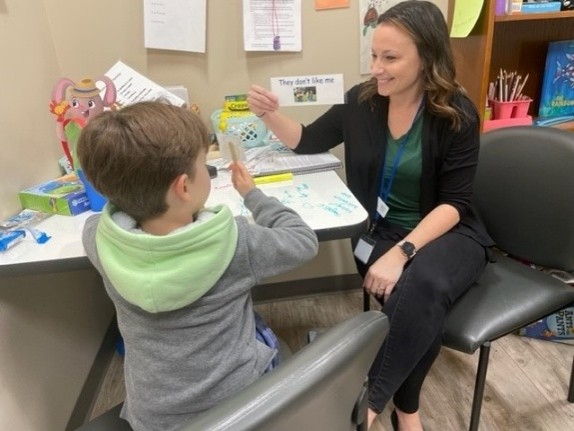
Access to specialized mental health services can be a critical step towards healing for children and families affected by abuse, neglect, and violence. Family Nurturing Center is working to make that support more accessible through trauma-informed counseling, caregiver support, and holistic wellness programs.


Since 1979, Family Nurturing Center has served children and families across Northern Kentucky and Greater Cincinnati. Today, its services include trauma-informed counseling and evidence-based therapies, child abuse prevention and education, parenting education and coaching, Parenting Time visitation, and holistic and wellness programs. All services are offered at no cost, helping reduce financial barriers for families seeking care.

In FY 2026, Family Nurturing Center reached 11,330 children and adults across its programs, including 647 counseling participants, 301 children and 346 adults. The need for specialized trauma treatment remains significant, with referrals increasingly involving complex needs, including very young children, siblings affected by shared trauma, and families requiring interpretation services.


Family Nurturing Center’s annual counseling outcomes demonstrate the benefits of sustained trauma-informed care. Among children who completed individual trauma therapy in FY 2026, 91% experienced decreased trauma symptoms, 88% improved overall functioning, and 90% showed improved resiliency. Most caregivers also reported positive changes, including greater hope for their child’s recovery and increased readiness to support healing at home.


Alongside clinical care, Family Nurturing Center offers holistic and wellness activities such as Tai Chi, meditation, trauma-sensitive yoga, and family wellness programs. These activities provide additional opportunities for participants to manage stress, build resilience, and support emotional well-being. During FY 2026, Family Nurturing Center offered 154 wellness classes serving 355 participants. Participant feedback was positive; 85% of survey respondents planned to use the wellness practice they learned.


Through partnerships with schools, child welfare agencies, the courts, healthcare providers, and community organizations, Family Nurturing Center connects children and caregivers with services that support recovery and strengthen family relationships. The Center’s work reflects an important principle: helping children heal from trauma requires not only effective treatment, but also supportive caregivers, accessible services, and environments where families can build resilience together.

Take Action!

Help Kentucky Families Keep Children Covered


Kentucky has resumed annual Medicaid eligibility renewals for children, and families may need to take action to keep their children covered. Community organizations, schools, health care providers, and family-serving agencies can help by remining families to update their contact information, watch for renewal notices, and respond promptly to requests for information. Children who qualify for Medicaid and the Kentucky Children’s Health Insurance Program (KCHIP) can maintain access to essential health care, including preventive visits, vaccinations, and treatment.


Share Kentucky’s Medicaid’s child renewal resources with families you support or serve. The toolkit includes materials on renewing coverage, signing up for Kynect, finding free enrollment assistance, and exploring alternative coverage options if a child is no longer eligible for Medicaid or KCHIP.


Families can update their information or get help by visiting kynect.ky.gov or calling 855-459-6328. Kentucky Medicaid will never charge a fee to enroll or renew coverage.

In Case You Missed It

10 Healthy Kentucky Champions Named by Foundation For A Healthy Kentucky


Kentucky Health Officials Urge Vaccination Amid Worst Measles Outbreak in Years


SNAP Food Restrictions Hit Legal Wall; Retailers Demand Nationwide Halt


Free School Lunch Is No Longer on The Menu for Many Kids. It’s One Of Many Strains On Cafeterias


As SNAP Rolls Shrink, Free School Lunches Disappear


Elizabeth Warren Warns Of "Food Insecurity Crisis" From SNAP Cuts and Higher Prices


Contact Us!

Do you have an upcoming event or exciting news to celebrate with our coalition? Please email Ally Wells at awells@heatlhy-ky.org to be featured in an upcoming KCHC Newsletter!

Amalia Mendoza | KCHC Newsletter | 502-326-2583
amendoza@healthy-ky.org | www.kentuckyhealthychildren.org
Current KCHC Steering Committee Member Organizations:

Advocacy Action Network

Aetna Better Health of Kentucky

Alliance for a Healthier Generation

American Academy of Pediatrics KY Chapter

American Heart Association

Anthem Medicaid

Bounce Coalition

Cairn Guidance Inc.

Cumberland Family Medical Center Inc.

Kentucky Department for Behavioral Health, Developmental & Intellectual Disabilities

Feeding Kentucky

Foundation for a Healthy Kentucky

Gay, Lesbian & Straight Education Network – Bluegrass

Humana

Kentucky Association for School Social Work

Kentucky Association of School Administrators

Kentucky Council on Problem Gambling

Kentucky Department for Medicaid Services

Kentucky Student Voice Team

Kentucky Department for Public Health

Kentucky Department of Education

Kentucky Health Departments Association

Kentucky Nurses Association

Kentucky Primary Care Association

Kentucky Public Health Association

Kentucky Psychological Association 

Kentucky School Boards Association

Kentucky Voices for Health

Kentucky Youth Advocates

KY Parent Teacher Association – 16th District

Mental Health America of Kentucky

Playworks

Pritchard Committee for Academic Excellence

Seven Counties Services

Spalding University

St. Elizabeth Healthcare

Trans Parent Lex

United Healthcare

University of Kentucky College of Health Sciences

University of Louisville School of Public Health & Information Studies

#iCANendthetrend