Kentucky Coalition For Healthy Children Newsletter | | Issue 52 | September 2026 | | Working collaboratively on policies and practices in and around schools that promote equity and improve the physical, social, and emotional health and well-being of children, youth, and families. | | The opinions and viewpoints expressed in this newsletter do not necessarily reflect the positions of all coalition partners. | | |
Convening Series | Blueprint for Kentucky’s Children
Kentucky Youth Advocates and Partners for Rural Impact are hosting a series of four Blueprint for Kentucky’s Children regional convenings that will serve as a launchpad for coordinated advocacy efforts, building momentum ahead of key state and federal elections and the 2027 legislative session to ensure that children’s issues remain a top priority. The events will discuss regional data on how kids are faring, elevate the most pressing issues impacting kids and families, and identify actionable strategies for change. There are several of the convenings happening in September across Kentucky. More information can be found here.
Series | State & Federal Policy Updates
Join the ThriveKY Coalition’s series for important updates on the economy, Medicaid, KCHIP, SNAP, housing, transportation, childcare, public health, and behavioral health. There is an in-person program being held on September 15 in Paducah. For more information about the series, CEUs, and how to register click here.
Annual Meeting │ Food and Nutrition
The Kentucky Food Action Network (KFAN) is holding its Annual Meeting on Friday, September 18, 2026, at the Foundation for a Healthy Kentucky, from 8:30 – 4:00. Leaders advancing child nutrition, strengthening partnership between agriculture and hunger relief, and defending federal nutrition programs that help families will present. The meeting will bring together community leaders and food advocates and stakeholders to identify opportunities and challenges ahead around a shared advocacy agenda. Register here.
Symposium │ Raising Resilient Kids in a Digital World
The 15th annual Pediatric Behavioral and Mental Health Symposium, Raising Resilient Kids in a Digital World, will be held October 30, 2026 from 8:00 to 12:30 ET. The Livestream Virtual Conference will discuss the impact of social media and AI on child mental health, learning, behavior, identity and resilience and identify evidence-based strategies that promote healthy, resilient digital engagement for children and families. Register here.
Annual Meeting | Kentucky Voices for Health
Kentucky Voices for Health’s 2026 Annual Meeting is happening on December 8 in Lexington. Registration is now open with early bird pricing available until November 9. This gathering brings together the advocates, partners, health workers, and community members who make our work possible. It’s a chance to look back at what we’ve accomplished together, take stock of where Kentucky’s health policy landscape stands, and set our sights on what’s ahead in 2027. Learn more here.
| | What's New in Children's Health | | |
New Toolkit Connects Health and School Attendance
A new toolkit, Prevent Health-Related Absences: Take Action to Advance Health, Well-being, and Attendance through Strategic Partnerships, highlights the important connection between children’s health and regular school attendance. Developed by the Attendance Works, Healthy Schools Campaign, the National Association of School Nurses, and the Johns Hopkins Center for School Health, the toolkit provides practical strategies for schools, health providers, and community partners to address health-related barriers to attendance.
The toolkit emphasizes that chronic absence is not simply and education issue, it can be an early warning sign of unmet physical, emotional and mental health needs. It offers strategies for strengthening school health services, improving communication with families, identifying health needs, and building stronger partnerships among schools, healthcare providers, public health agencies, and families.
| | |
SNAP: An Investment in Children’s Health
A new report from the Food Research and Action Center (FRAC), SNAP: An Evidence-Based Program to Improve Food Security, Health, and Well-Being, brings together a growing body of research showing that the Supplemental Nutrition Assistance Program (SNAP) is more than a food assistance program, it is an important public health intervention. The evidence links SNAP participation to improved food security, nutrition, health, child development, and access to health care.
The report highlights particularly strong evidence for children. Families with young children who participate in SNAP are less likely to experience food insecurity and health-related financial hardship. Among children and adolescents, SNAP participation is associated with better overall health, fewer emergency department visits, and fewer unmet needs for health care such as dental care and eyeglasses.
The report also finds that more adequate SNAP benefits can produce additional health benefits, while disruptions or loss of benefits can increase food insecurity and health-related hardships for families with children.
| | |
Childhood Immunization Rates Drop
A new analysis from KFF, Kindergarten Routine Vaccination Rates Continue to Decline, finds that routine vaccination rates among kindergarteners continued to decline during the 2020-2026 school year, while exemptions from school vaccination requirements reached their highest level to date.
Only 92.4% of kindergartners were vaccinated against measles, mumps and rubella (MMR), below the 95% level considered necessary to prevent community transmission of measles. Approximately 280,000 kindergarteners were unvaccinated against measles last school year. KFF also reports that 39 states had MMR vaccination rates below 95%, and 18 states were below 90%. MMR Coverage Rate in Kentucky for the 2025-2026 School Year was 91.1%.
At the same time, exemptions from one or more required vaccines increased to 4.2%, up from 2.5% before the pandemic, driven primarily by increases in non-medical exemptions. With measles cases rising nationally (see ICYMI), the findings underscore the importance of maintaining high childhood vaccination rates and ensuring families have clear, trusted information about vaccines. Kentucky’s Vaccine for Children Program.
| | |
Putting Youth at the Center of Community Change
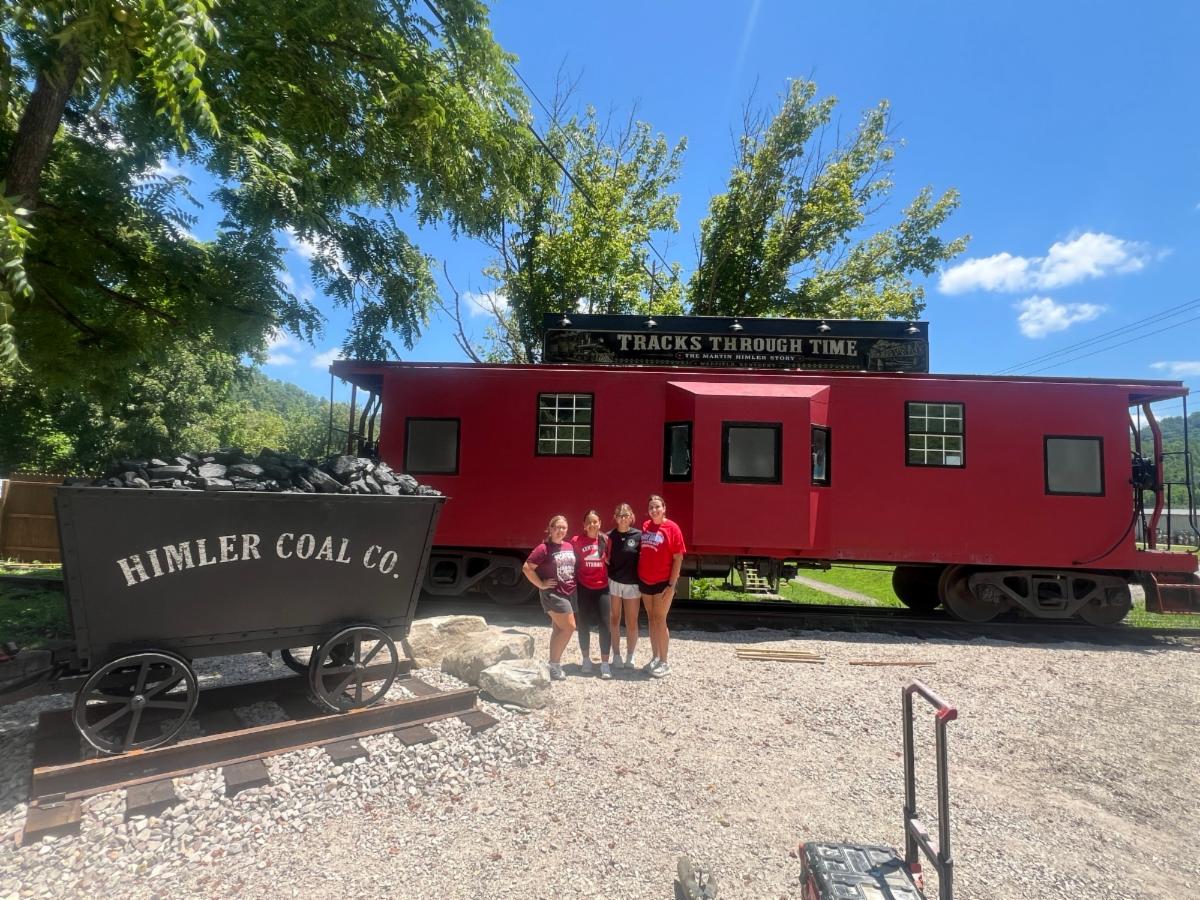
Thrive Community Coalition grew out of a grassroots community development movement to serve youth and families across Martin, Magoffin, Johnson, Floyd, Lawrence and Pike counties. The coalition works to build healthier, more connected, and resilient communities. Grow Well: Youth Resilience and Recovery Network is one of its programs, which combines peer support, youth leadership, family engagement, workforce preparation, and tools to help youth recognize their strengths and track their progress.
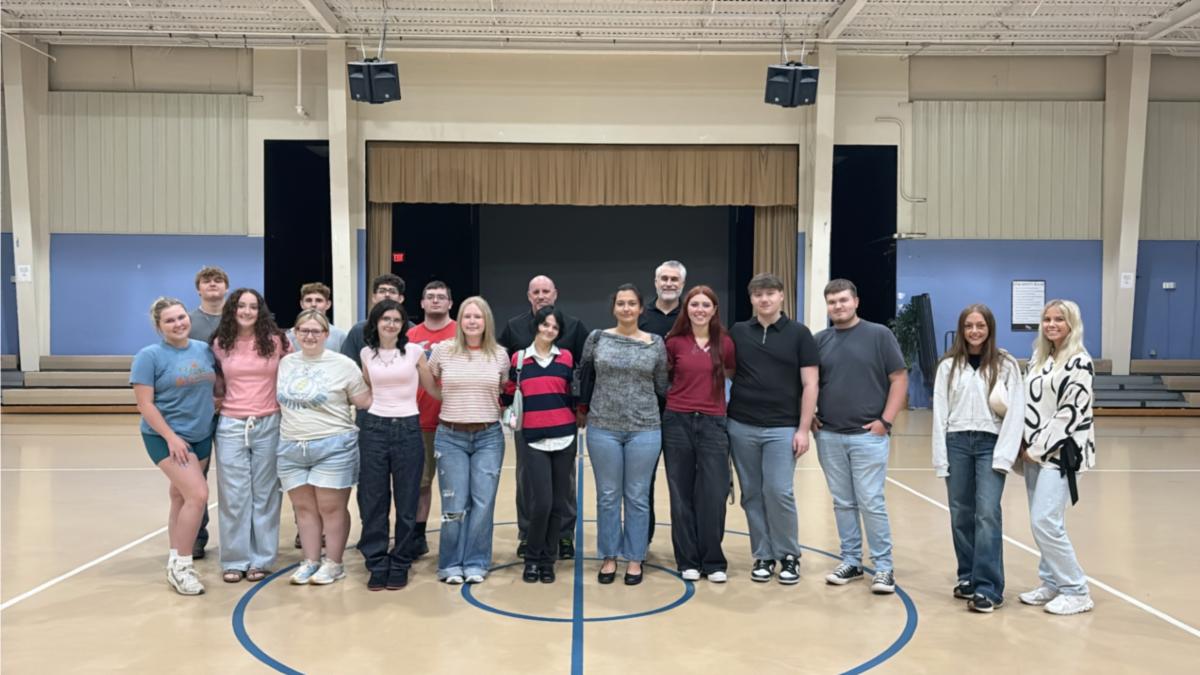
The program is engaging youth in meaningful ways. High school students have formed the Cardinal Cares Team, a youth-led group developing projects focused on substance use and vaping prevention, health, leadership, mentorship, workforce readiness, and community development. Thrive Community Coalition has also partnered with local schools and organizations to reach more than 500 youth and family members through events, camps, leadership activities, support groups, and other programing.
A central theme is “You Matter.” Youth have helped create their own prevention campaigns, You Matter Appalachia. In one immersive leadership event, 203 high school juniors and seniors explored personal strengths and purpose, while 65 student leaders worked with eleven local businesses and organizational leaders to identify community challenges and develop solutions. Additionally, throughout the summer 34 high school and college age leaders completed the You Matter Internship. An opportunity that resulted in over 40 community projects being completed, that will have a lasting impact on both the interns and the community.
| |
Why it Matters
The work of the coalition puts youth in an active role shaping their own future and their communities. By connecting youth and supportive adults and peers, while providing opportunities to build leadership and problem-solving skills, the program aims to strengthen resilience, foster a sense of belonging and purpose, and create pathways toward greater stability and well-being.
| | |
Help Families Prepare for Medicaid Changes
Kentucky Medicaid is suffering some changes starting October 1, 2026 (Immigrant or Noncitizen Eligibility), and various others taking effect January 1, 2027, as is presented in the Kentucky Health Benefits Exchange (KHBE) web page: Changes Coming to Medicaid Marketplace Coverage. Some adults ages 19-64 may face new work or community engagement requirements and more frequent renewals. Families can take steps now to help avoid gaps in coverage.
Help families stay connected! Share Kentucky’s changes and resources with families, schools, health care providers and community organizations.
Encourage Medicaid members to update their mailing address, phone number and email in kynect, know their renewal date, and respond promptly to notices from Kentucky Medicaid. Families should also keep records of work, volunteer, job-training and school activities that may count toward future requirements. Children are not subject to the new work or community engagement requirement. Parents and caregivers of children age 13 or younger may also qualify for an exemption.
| | | | Do you have an upcoming event or exciting news to celebrate with our coalition? Please email Ally Wells at awells@heatlhy-ky.org to be featured in an upcoming KCHC Newsletter! | |
Amalia Mendoza | KCHC Newsletter | 502-326-2583
| | Current KCHC Steering Committee Member Organizations: | | | | |