KDIGO Holds Controversies Conference on Tech to Support Guideline-Informed Care | | |
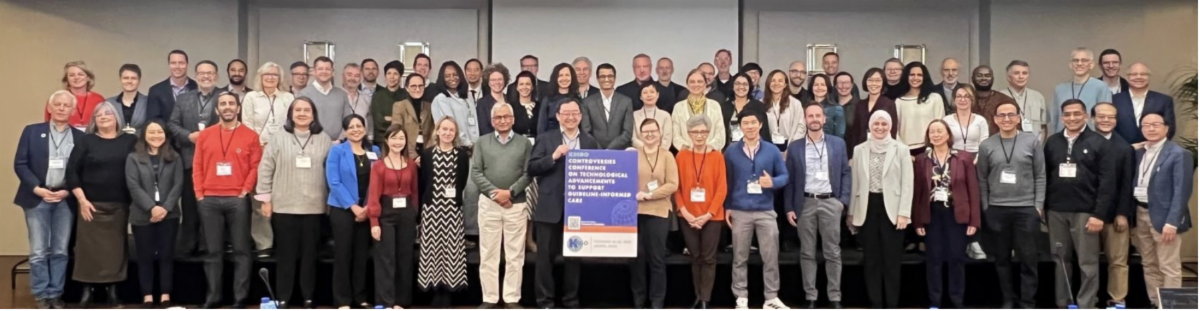
KDIGO convened the Controversies Conference on Technological Advancements to Support Guideline-Informed Care in Madrid, Spain, in November to address how technology can accelerate the adoption of evidence-based kidney care. Co-chaired by Alan Go, MD (United States), and Jo-Anne Manski-Nankervis, MBBS, PhD (Singapore), the conference examined why implementation of guideline-informed care remains difficult and how innovation, when thoughtfully applied, can better support both clinicians and people living with kidney disease.
The meeting brought together nephrologists, primary care clinicians, people living with kidney disease, implementation scientists, and other relevant stakeholders for two days of rich dialogue and shared learning. KDIGO will convene a second conference in this series in the second half of 2026 to address challenges and opportunities in implementing guideline-informed care in lower-resource settings.
“Despite the strength of the science and therapeutic advances for kidney disease, we continue to see troubling gaps between the care that has been proven to work and the care that patients actually receive within and across countries,” said Dr. Go. “This conference allowed us to hear directly from those who experience the barriers every day and underscored that technology can only succeed if it responds to real clinical needs. Thoughtfully designed tools can support clinical reasoning, improve communication, reduce workload, and create more reliable pathways to identify patients with kidney disease and to provide high-quality kidney care. When aligned with workflow and guided by rigorous evidence, technology becomes a partner rather than an obstacle.”
Across plenary sessions and small group discussions, participants explored and debated opportunities to strengthen practice through clinical decision support, predictive analytics, integration with electronic health record systems, and a range of patient-facing tools. The roles of policy and health system structures were carefully considered, including data reporting requirements, and national or regional strategies that encourage more consistent adoption of best practices. Attendees also examined emerging technologies such as artificial intelligence, wearable devices, biosensors, and computational modeling, noting both their potential and their constraints. They stressed that transparency, rigorous evaluation, and genuine collaboration with clinicians and people with, or at risk of, kidney disease are essential for responsible development and implementation.
“What impressed me most was how quickly the group converged on shared priorities,” said Dr. Manski-Nankervis. “We heard that clinicians need solutions that integrate seamlessly into real-world care, that people living with kidney disease and members of the public want better access to understandable information and tools that empower them, and that health systems are seeking tools that can be used across very different care environments. Our conversations highlighted the importance of designing technology that optimizes clinical judgment, builds trust, supports communication that is relevant to each person and community, and strengthens the partnership between clinicians and people living with kidney disease. Only then can innovation truly help deliver timely, guideline-informed care.”
The conference conclusions and key messages will be synthesized into a conference report, which aims to guide future research and clinical decision-making. Visit the conference website for more information and resources.
| | KDIGO Convenes Bi-Annual Executive Committee Meeting | | |
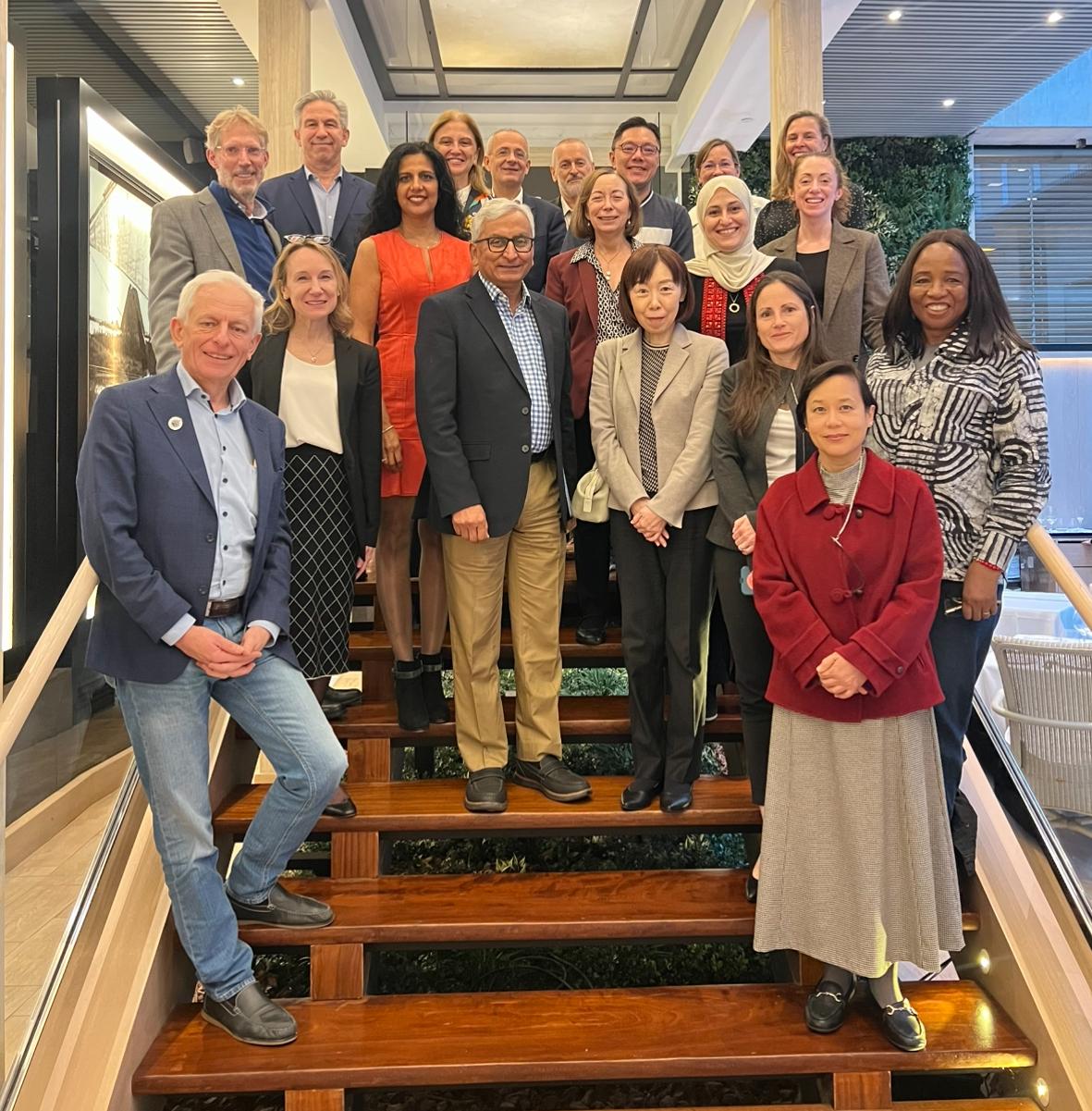
The KDIGO Executive Committee (pictured) convened in Madrid, Spain, this November for the second of its two annual meetings. Executive Committee meetings bring together KDIGO leadership to review organizational priorities, discuss emerging opportunities, share expertise, and vote on key business matters and policies. The meeting also provides an important forum for members to share insights from their clinical, scientific, and regional perspectives, ensuring KDIGO’s work remains global, collaborative, and responsive to evolving needs.
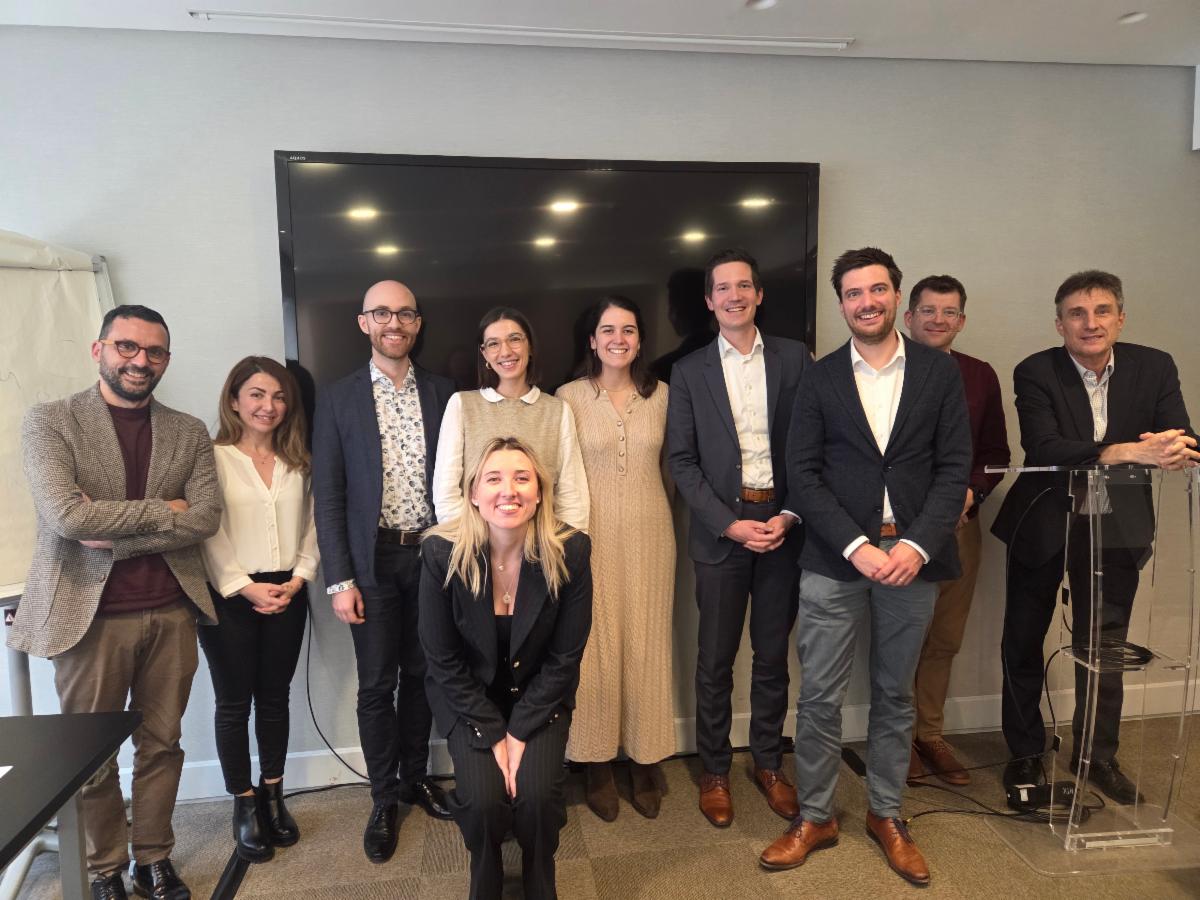
A new feature at this Executive Committee meeting was a series of presentations by mentees in the KDIGO Early Career Professionals Program (pictured below), who shared progress on projects they have been developing with their mentors. Their work spanned a wide range of contributions, including translating the KDIGO 2021 Glomerular Diseases Guideline into Spanish to expand accessibility, assessing global responses to the KDIGO Guideline Implementation Survey and proposing next steps to improve uptake, and analyzing citation patterns and emerging evidence to help identify priorities for updating the KDIGO 2009 Transplant Recipient Guideline. The session highlighted the meaningful impact these emerging leaders are already having.
| |
During the meeting, KDIGO recognized Executive Committee members completing their service at the end of 2025: Sunita Banavandan, MD (Malaysia), Michelle Denberg, MD (United States), Michelle O’Shaugnessy, MD (Ireland), Patrick Rossignol, MD (Monaco), and Rita Suri, MD (Canada). Their leadership and contributions have helped advance KDIGO’s mission and strengthen its global impact.
KDIGO also recognized Co-Chair Michel Jadoul, MD (Belgium), whose six-year term concludes at the end of 2025. His leadership, global perspective, and steady guidance have significantly shaped KDIGO’s work across guidelines, conferences, and strategic initiatives. Beginning in 2025, Christoph Wanner, MD (Germany), will assume the role of KDIGO Co-Chair, building on the foundation established during Dr. Jadoul’s tenure. Paul Stevens, MD (United Kingdom), was also acknowledged for his dedicated service as KDIGO Treasurer, where he helped guide and ensure the organization’s continued growth and international engagement.
The Madrid meeting served as a valuable opportunity to reflect on recent achievements, reinforce collaborative priorities, and shape the work ahead. Insights gathered during the discussions will help guide KDIGO’s organizational plans and programmatic focus in the coming year.
| | KDIGO at ASN Kidney Week 2025 | | |
KDIGO was pleased to participate in this year's ASN Kidney Week in Houston, Texas. A special highlight was the recognition of several KDIGO leaders whose contributions continue to shape nephrology.
Ian de Boer, MD (United States), KDIGO Diabetes in CKD Guideline Co-Chair, received the Garabed Eknoyan MD Endowed Lectureship for his work advancing diabetes and CKD care and for his lecture interpreting how KDIGO recommendations can be applied in everyday clinical practice.
Michelle Josephson, MD (United States), KDIGO Executive Committee Member and longtime KDIGO volunteer, received the Barbara T Murphy Award in recognition of her leadership in transplant nephrology and her sustained dedication to education, policy, and mentorship.
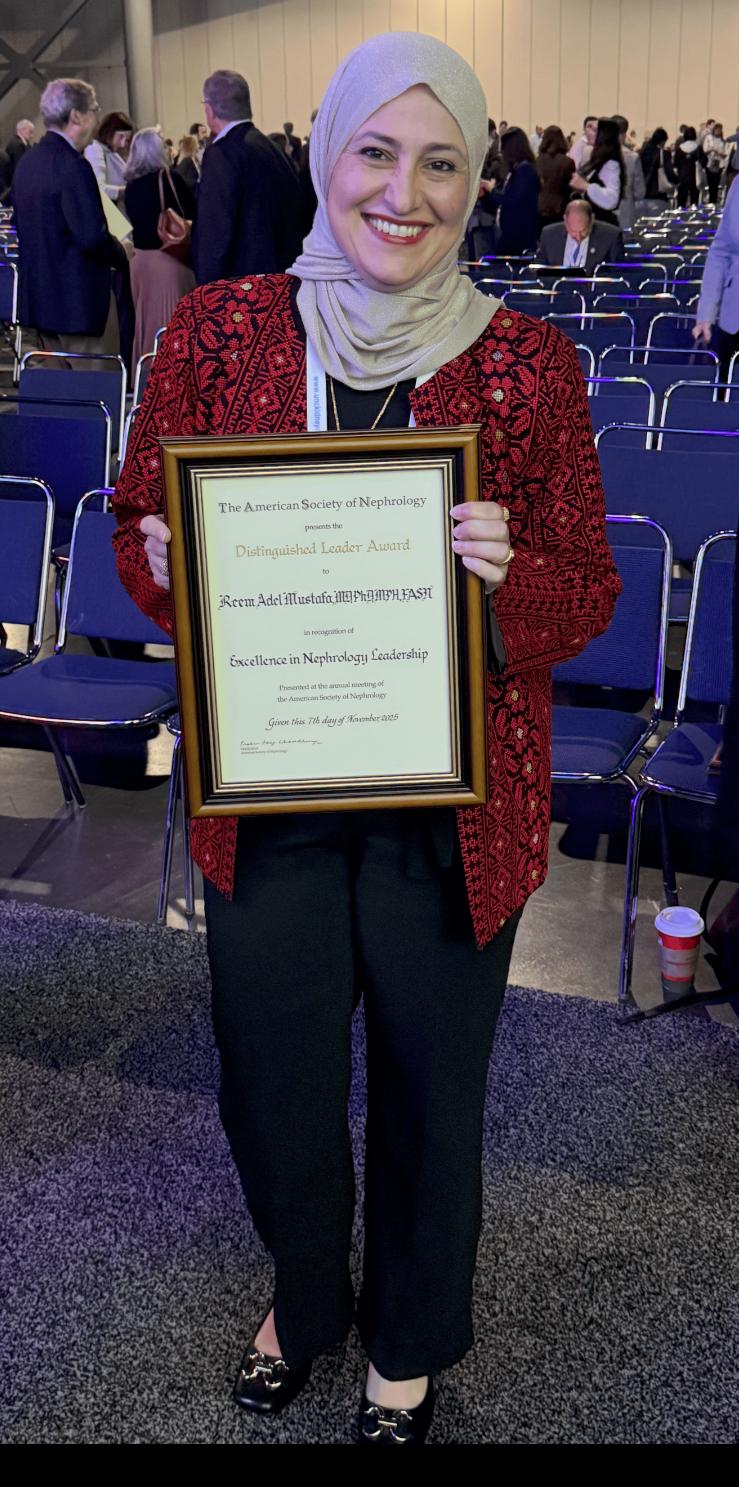
Reem Mustafa, MD (United States, pictured), KDIGO Methods Committee Chair, received the ASN Distinguished Leader Award, honoring her leadership in rigorous guideline methodology, evidence appraisal, and global implementation of KDIGO recommendations.
Marlies Ostermann, MD (United Kingdom), KDIGO AKI and AKD Guideline Co-Chair, received the Burton D Rose Endowed Lectureship for her contributions to acute kidney injury research and for her presentation on delayed remote ischemic preconditioning.
KDIGO extends its appreciation to ASN for its dynamic and informative program and looks forward to building on the ideas, connections, and momentum from Kidney Week 2025.
| | New KDIGO Podcast Series on APOL1 Kidney Disease | | |
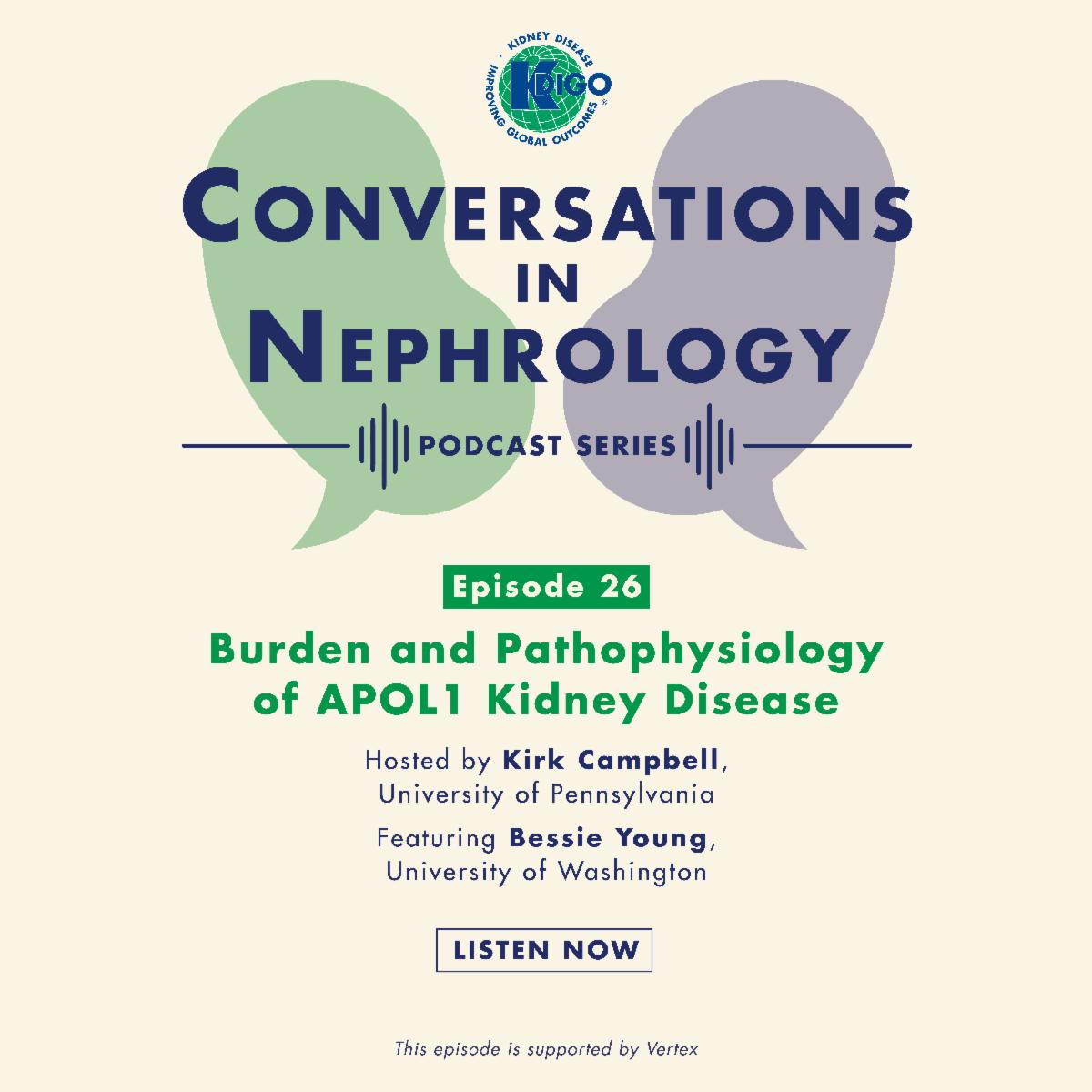
KDIGO has launched a new three-part Conversations in Nephrology series focused on APOL1 kidney disease. Hosted by Kirk Campbell, MD (United States), the episodes bring together leading experts and a patient perspective to explore the genetics, burden, management, and early detection of APOL1. The discussions build on themes from the KDIGO Controversies Conference on APOL1 Kidney Disease and its recently published conference report, offering clear, timely insights for clinicians and researchers.
In Episode 26, Dr. Campbell speaks with Bessie Young, MD (United States), about the discovery of APOL1 variants, their link to conditions like FSGS, and ongoing advances in understanding disease mechanisms and therapeutic targets.
Episode 27 features Barry Freedman, MD (United States), who reviews practical approaches to evaluating and managing APOL1 kidney disease, including current therapies and emerging targeted agents.
Episode 28 brings together Titilayo Ilori, MD (United States), and patient advocate Joshua Albright for a conversation on APOL1 screening, the role of genetic testing, and how early detection can support more equitable and personalized care.
The full APOL1 series is available on most podcast platforms and the KDIGO website.
Listen now on your favorite podcast platform.
| | New Episode in KDIGO IgAN Podcast Series | | |
KDIGO has released Episode 29 of the Conversations in Nephrology podcast, the third installment in a four-part series on the KDIGO 2025 IgAN Guideline. This episode uses illustrative patient cases to show how KDIGO guidance can be applied in everyday IgAN care, covering dynamic risk assessment, treatment selection, monitoring, and decision-making across a range of clinical scenarios.
Hosted by Dana Rizk, MD (United States), and featuring Gaia Coppock, MD (United States), this episode builds on the first two IgAN-focused discussions with IgAN Guideline Co-Chair Brad Rovin, MD (United States), and Shikha Wadwani, MD (United States).
The fourth and final episode in the IgAN series will be released later this month and will address challenges in implementing evidence-based guidance, barriers to adherence, and opportunities to strengthen IgAN care moving forward.
Listen to Episode 29 on your favorite podcast platform.
| | |
KDIGO at the 23rd Asian Pacific Congress of Nephrology (APCN)
December 5 - 7, Taipei, Taiwan
Are you attending APCN 2025 in Taipei from December 5 to 7? Be sure to visit KDIGO at Booth B03 and join three scientific sessions showcasing the latest advances in IgAN and C3 glomerulopathy.
The first session on December 5 will explore cutting-edge developments in B cell–directed therapies, mechanisms of complement-mediated injury, and emerging precision-based approaches in IgAN. KDIGO thanks Novartis for supporting this program.
On December 6, a dedicated C3G session will provide updated diagnostic guidance, highlight new complement-targeted treatment strategies, and offer case-based insights into real-world management challenges.
The final session on December 7 will spotlight the upcoming KDIGO 2025 IgAN Guideline Update, including evolving approaches to individualized and targeted therapy. KDIGO thanks Otsuka for supporting this program. Learn more.
| | |
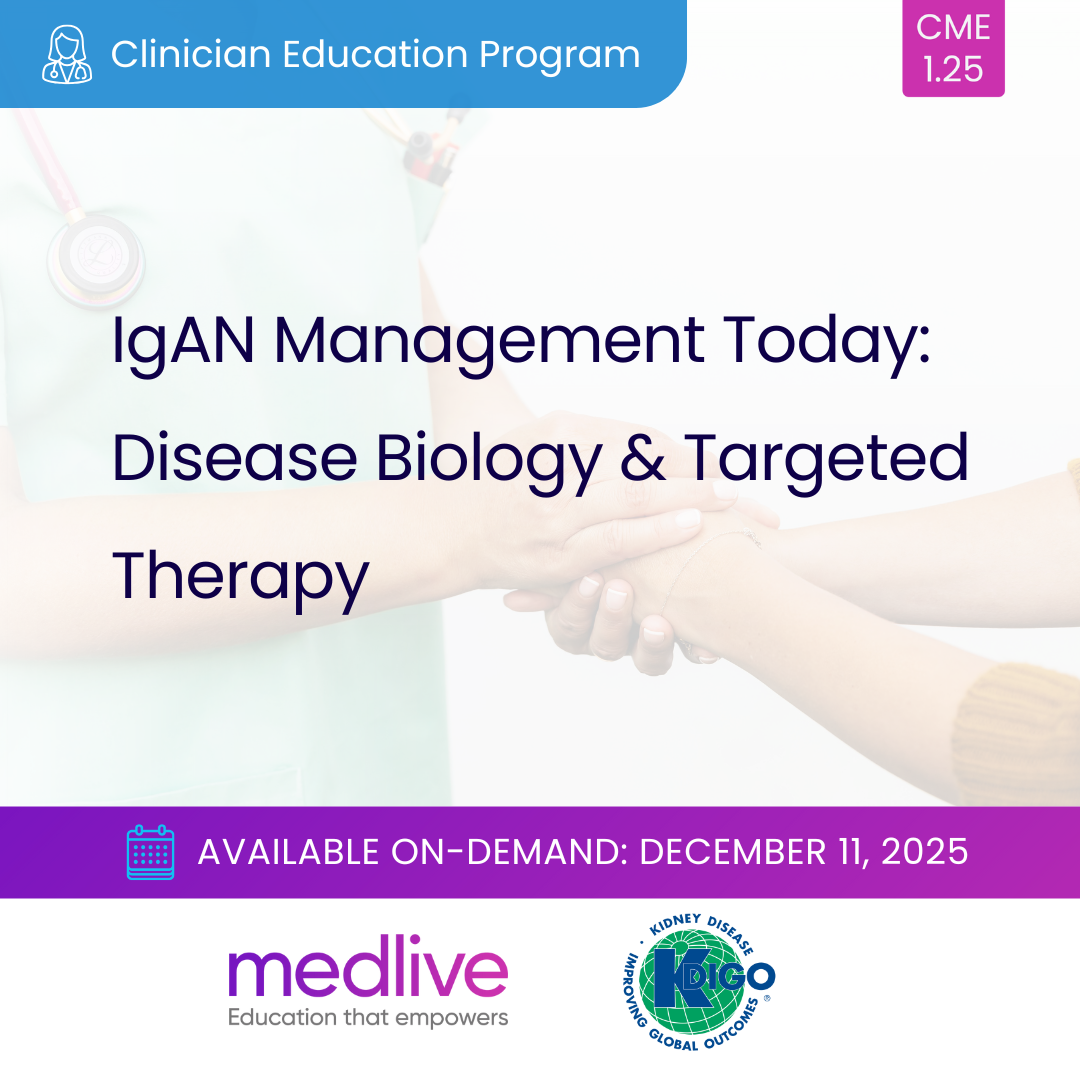
IgAN Management Today: Disease Biology & Targeted Therapy
Available On-Demand December 11
Don't miss the next KDIGO-Medlive clinical medical education, "IgAN Management Today: Linking Disease Biology to Targeted Therapy." The webinar features Neil Skolnik, MD (United States), and Jai Radhakrishnan, MD, MS (United States), who provide practical updates on IgAN prognosis, evolving treatment strategies, and the latest KDIGO Guideline recommendations.
Designed for primary care clinicians and nephrologists, this concise webinar delivers clinically relevant insights to support improved outcomes for people living with IgAN. Learn more and register.
| | |
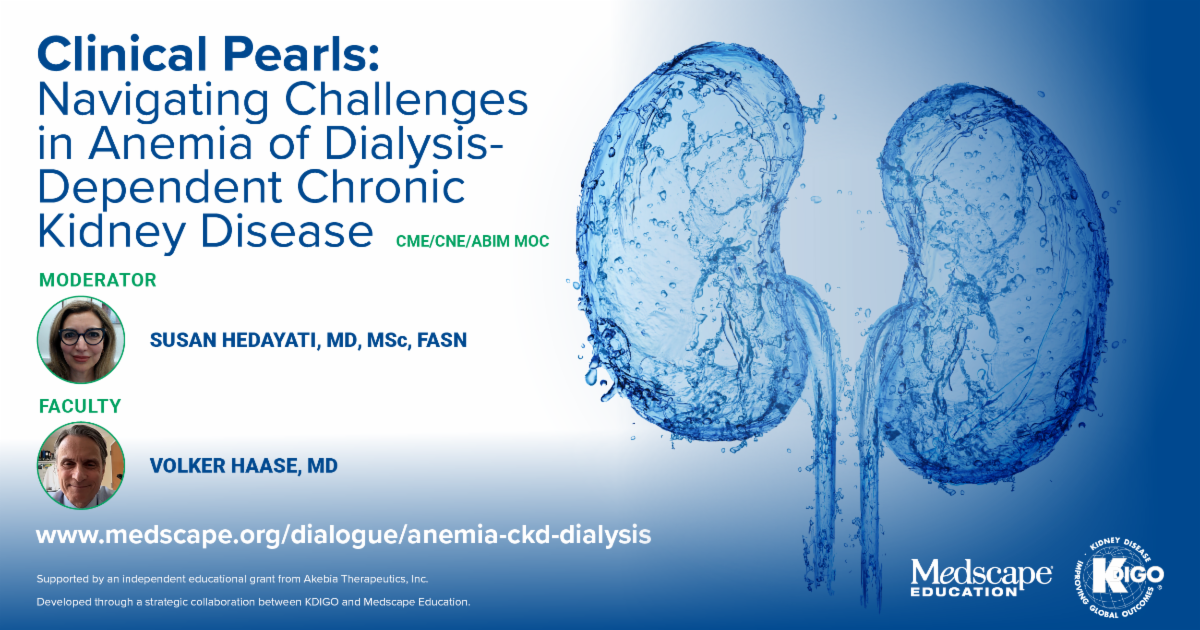
Clinical Pearls for Practice: Navigating Challenges in the Recognition and Management of Anemia of Dialysis-Dependent Chronic Kidney Disease
Webinar
Check out the on-demand KDIGO–Medscape CME program, "Clinical Pearls: Navigating Challenges in Anemia of Dialysis-Dependent Chronic Kidney Disease." Moderated by Susan Hedayati, MD (United States) and featuring faculty expert Volker Haase, MD (United States), this free online activity offers practical guidance for clinicians managing anemia in patients receiving dialysis.
Designed for nephrologists and other kidney care professionals seeking to stay current with best practices in anemia management, this program uses real-world examples to highlight diagnostic considerations, treatment decision-making, and strategies for addressing common care challenges. Learn more and register.
| | |
ISN-KDIGO Webinar on Maintaining Kidney Health and Preventing CKD
Webinar
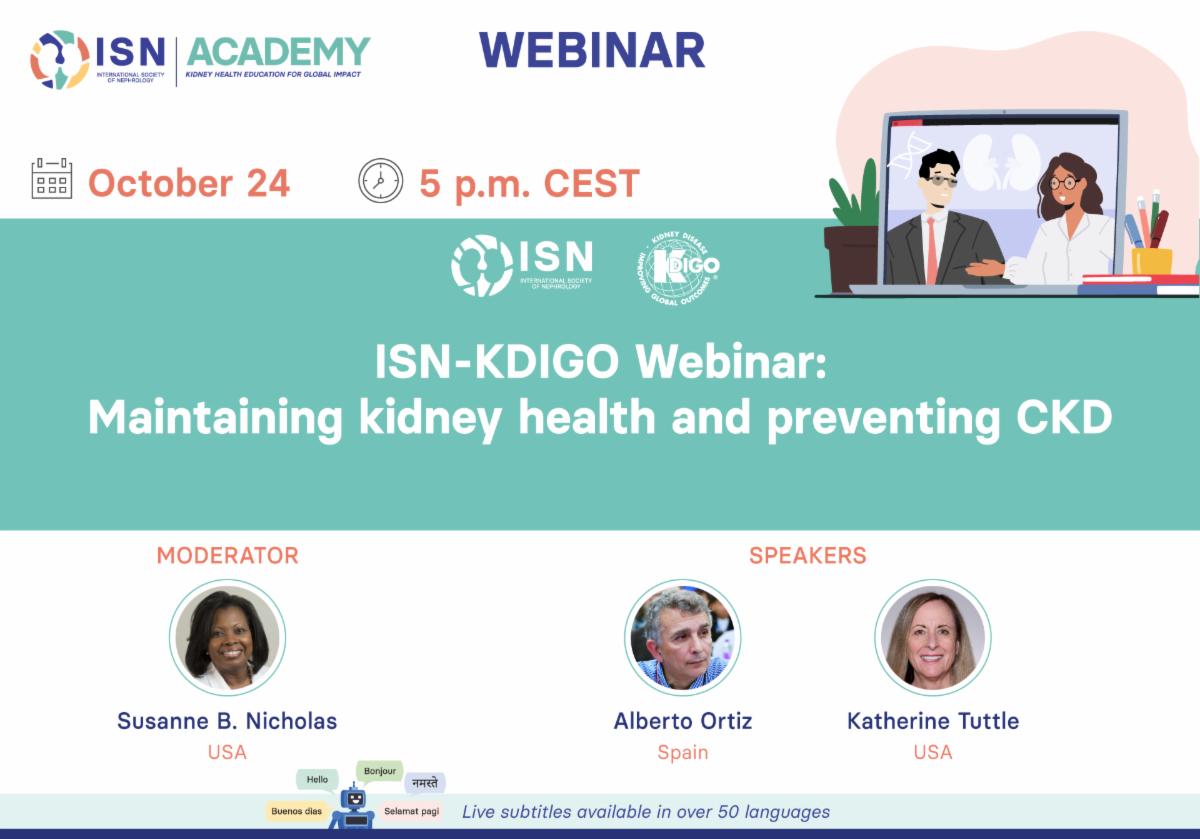
The recording of the ISN–KDIGO webinar “Maintaining Kidney Health and Preventing CKD” is now available, offering an in-depth discussion that builds on the recent KDIGO Controversies Conference on the topic. The webinar, featuring conference Co-Chairs Alberto Ortiz, MD (Spain), and Katherine Tuttle, MD (United States), and moderated by Susanne Nicholas, MD (United States), translates key insights from the conference into actionable guidance for clinicians, health systems, and policymakers. Watch the recording.
| |
KDIGO 2025 IgAN/IgAV Guideline Key Takeaways in Russian
Resource Translation
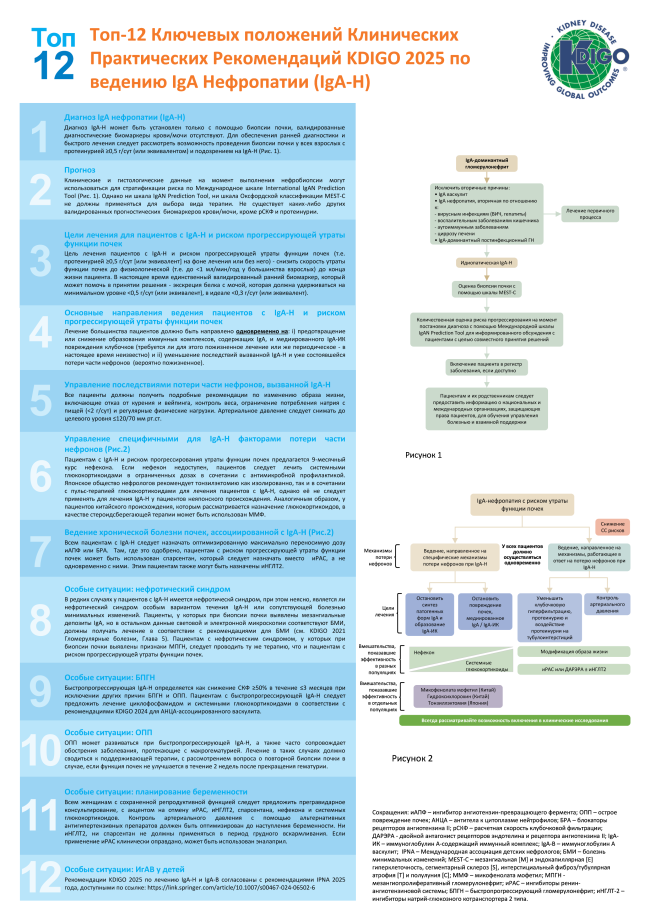
The KDIGO 2025 IgAN and IgAV Guideline Key Takeaways (НТоп-12Ключевых положений Клинических Практических Рекомендаций KDIGO 2025 по ведению IgAНефропатии, Топ-10 Ключевых положений Клинических Практических Рекомендаций KDIGO 2025 по ведению IgAВаскулита) are now available in Russian. The Key Takeaways are designed to support quick reference in clinical practice, highlighting major updates from the full guideline.
KDIGO thanks Helena Zakharova, MD (Russia), for her time, expertise, and commitment in producing the Russian translations and helping expand global access to these important resources. Visit the KDIGO IgAN/IgAV website to download the translations.
| |
Chronic Kidney Disease
Lancet Commentary
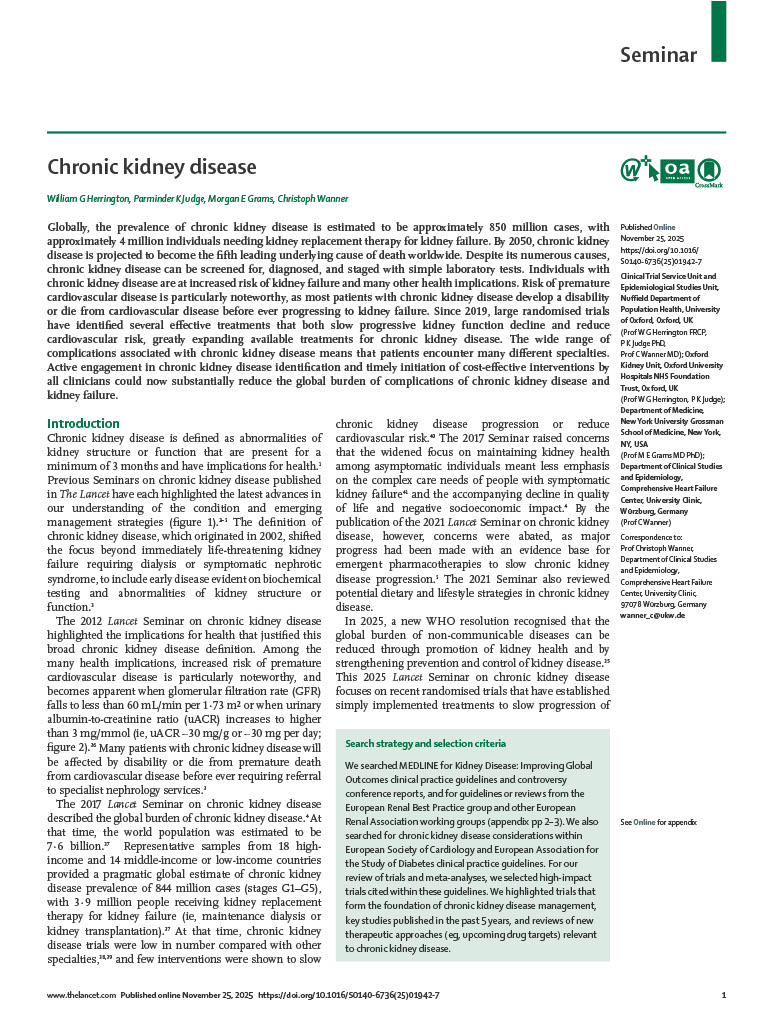
A new analysis published in The Lancet estimates that approximately 850 million people worldwide are living with CKD, underscoring the enormous and often under-recognized global burden of kidney disease. The article was authored by KDIGO Co-Chair Morgan Grams, MD (United States), incoming KDIGO Co-Chair Christoph Wanner, MD (Germany), KDIGO CKD Guideline Work Group Member Will Herrington, FRCP (United Kingdom), and Parminder Judge, PhD (United Kingdom). Their perspective highlights persistent gaps in CKD detection, data quality, and access to care worldwide, reinforcing the need for stronger surveillance systems, earlier intervention, and more equitable implementation of guideline-informed kidney care. Read the full commentary.
| | |
About KDIGO
KDIGO is a Belgian foundation committed to developing and implementing global nephrology guidelines that improve outcomes for people with kidney disease. KDIGO is independent, volunteer-led, self-managed, and accountable to the public and the people it serves. KDIGO would like to thank our annual supporters for their partnership. Learn more.
| | | | |