KDIGO Releases 2025 ADPKD Guideline | |
|
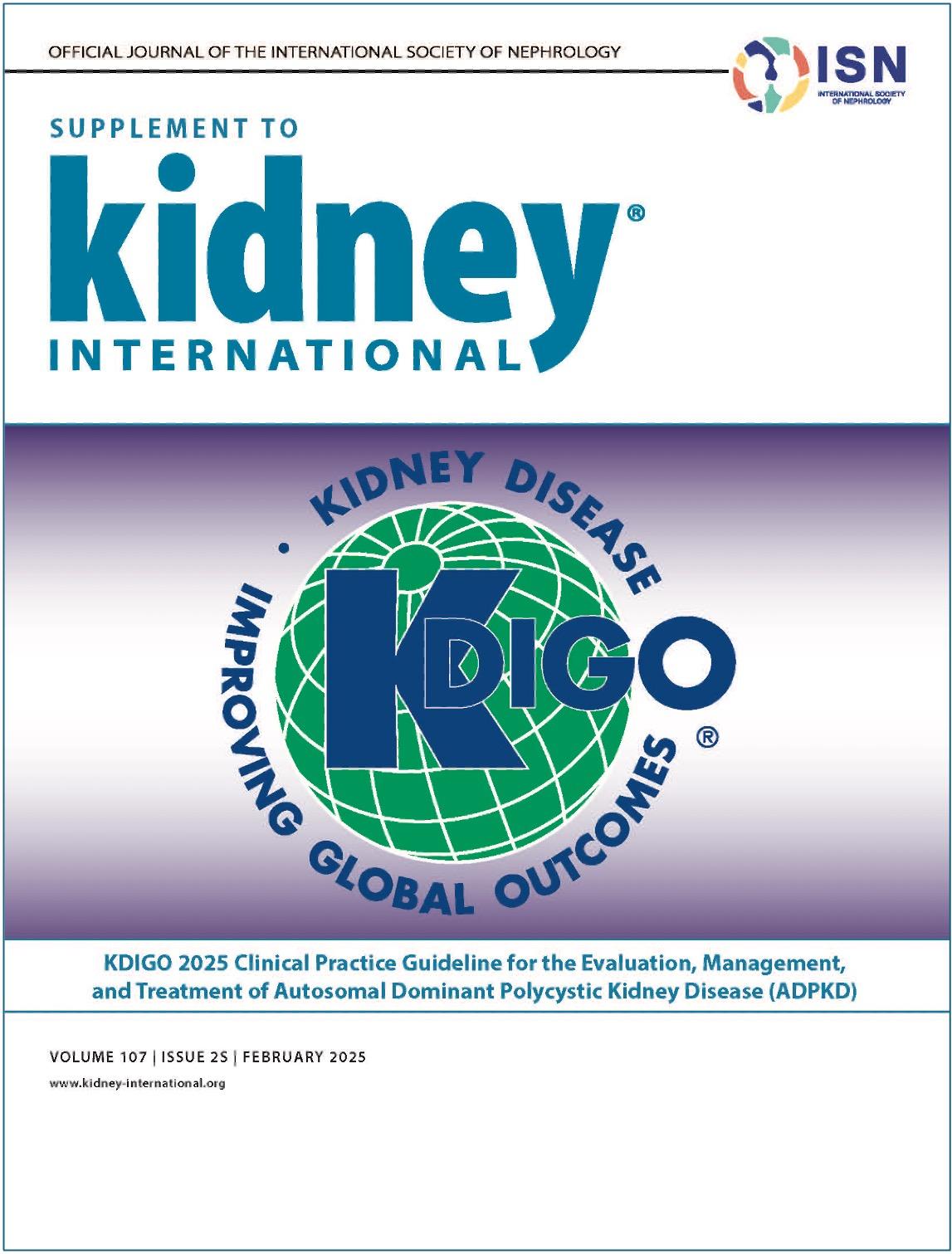
KDIGO has released The Clinical Practice Guideline for the Evaluation, Management, and Treatment of Autosomal Dominant Polycystic Kidney Disease (ADPKD). Published in the February 2025 issue of Supplement to Kidney International, the guideline provides healthcare practitioners and patients with practical tools to improve care and address the complex challenges of managing ADPKD, the most common monogenic kidney disorder leading to kidney failure.
“The publication of this guideline represents a pivotal step forward in the care of ADPKD and people with rare genetic disorders worldwide,” said Guideline Co-Chair Olivier Devuyst, MD (Belgium). “It is the result of an extraordinary global collaboration among experts, researchers, and patient advocates, bringing together the best available evidence to guide care across diverse settings.”
The guideline covers key topics, including disease nomenclature, diagnosis, prognosis, kidney and extrarenal manifestations, treatment strategies, and reproductive issues. It introduces updated recommendations on therapies, including tolvaptan, and emphasizes shared decision-making and individualized care. Tools such as the Mayo Imaging Classification (MIC) and the PROPKD score are highlighted for risk stratification.
“This comprehensive guideline reflects the significant progress in ADPKD research over the last decade, from genetic insights to advanced therapies,” said Guideline Co-Chair Vicente Torres, MD (United States). “By addressing the complexities of diagnosis, treatment, and management, we hope this guideline will standardize care, enhance clinical practices, and help reduce the global burden of ADPKD.”
The KDIGO 2025 ADPKD Guideline and Executive Summary, Data Supplement, and Key Takeaways are now available on the KDIGO ADPKD Guideline Website.
| |
Passing of ADPKD Guideline Work Group Member Godela Brosnahan | |
|
KDIGO mourns the passing of Godela Brosnahan, MD (United States), a respected clinician, researcher, and educator whose contributions to ADPKD were instrumental in advancing the field. Her pioneering work in clinical trials, including the HALT-PKD study and the first randomized controlled trial in pediatric ADPKD, helped shape modern approaches to patient care.
Dr. Brosnahan was a valued member of the Work Group of the recently published KDIGO ADPKD Guideline, where her expertise and insights played a vital role in shaping the latest recommendations. Her dedication to improving outcomes for ADPKD patients was evident throughout her career, from her early research on disease progression to her later work exploring new treatment approaches.
Beyond her scientific contributions, Dr. Brosnahan was a compassionate physician, mentor, and leader in the nephrology community. KDIGO extends heartfelt condolences to her family, colleagues, and all who had the privilege of working with her. Her impact will continue to be felt for years to come.
| |
KDIGO Publishes Workshop Report on the Nurse’s Role in Managing Dialysis-Related Symptoms | |
|
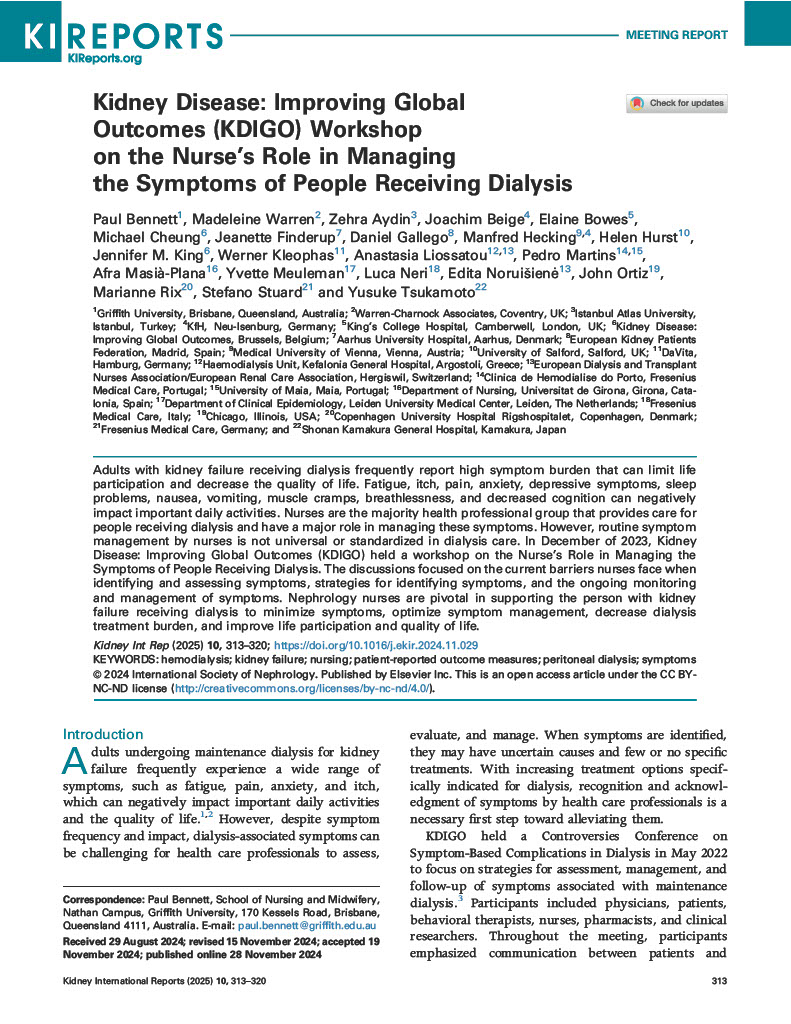
KDIGO is pleased to share the final publication of the report for the KDIGO Workshop on the Nurse’s Role in Managing the Symptoms of People Receiving Dialysis. The workshop, held in December 2023, brought together a global group of nephrology nurses, physicians, patient advocates, and healthcare professionals to address the challenges in symptom management and develop strategies to improve outcomes for people on dialysis.
People undergoing dialysis often experience a high burden of symptoms such as fatigue, itch, pain, nausea, and depression, all of which can significantly impact their quality of life. While nurses play a pivotal role in identifying, monitoring, and managing these symptoms, routine symptom management in dialysis care is neither standardized nor universally implemented.
“Nephrology nurses are the ‘kidneybeat’ of dialysis care, providing not only nursing and technical expertise but also essential emotional and psychological support,” said Paul Bennett (Australia), workshop nurse co-lead. “Nurses’ expertise, compassion, and dedication are indispensable in alleviating the symptom burden of dialysis. By equipping nurses with the right resources, we can elevate symptom management and improve the daily experiences of those in our care.”
| |
|
The report addresses systemic barriers that limit symptom recognition, including gaps in knowledge, the absence of standardized assessment tools, and challenges related to privacy and cultural differences in dialysis clinics. It also proposes solutions to enhance nurse-led symptom management, such as integrating structured symptom assessment frameworks, leveraging digital health innovations, and expanding nephrology nursing education.
“Nephrology nurses are as instrumental as care providers during dialysis, and their role in symptom management cannot be overstated,” said Madeleine Warren (United Kingdom), workshop co-lead, a long-time dialysis recipient, and advocate for individuals on dialysis. “As someone who has spent decades on dialysis, I can attest to the profound impact that well-supported and well-trained nurses have on quality of life. Ensuring nurses have the necessary resources means improving care, enhancing comfort, and empowering people to lead fuller lives.”
The publication serves as a call to action for healthcare organizations and policymakers to prioritize nephrology nursing education and provide the necessary infrastructure for standardized symptom management practices. The full report is available in Kidney International Reports and the KDIGO website.
| |
|
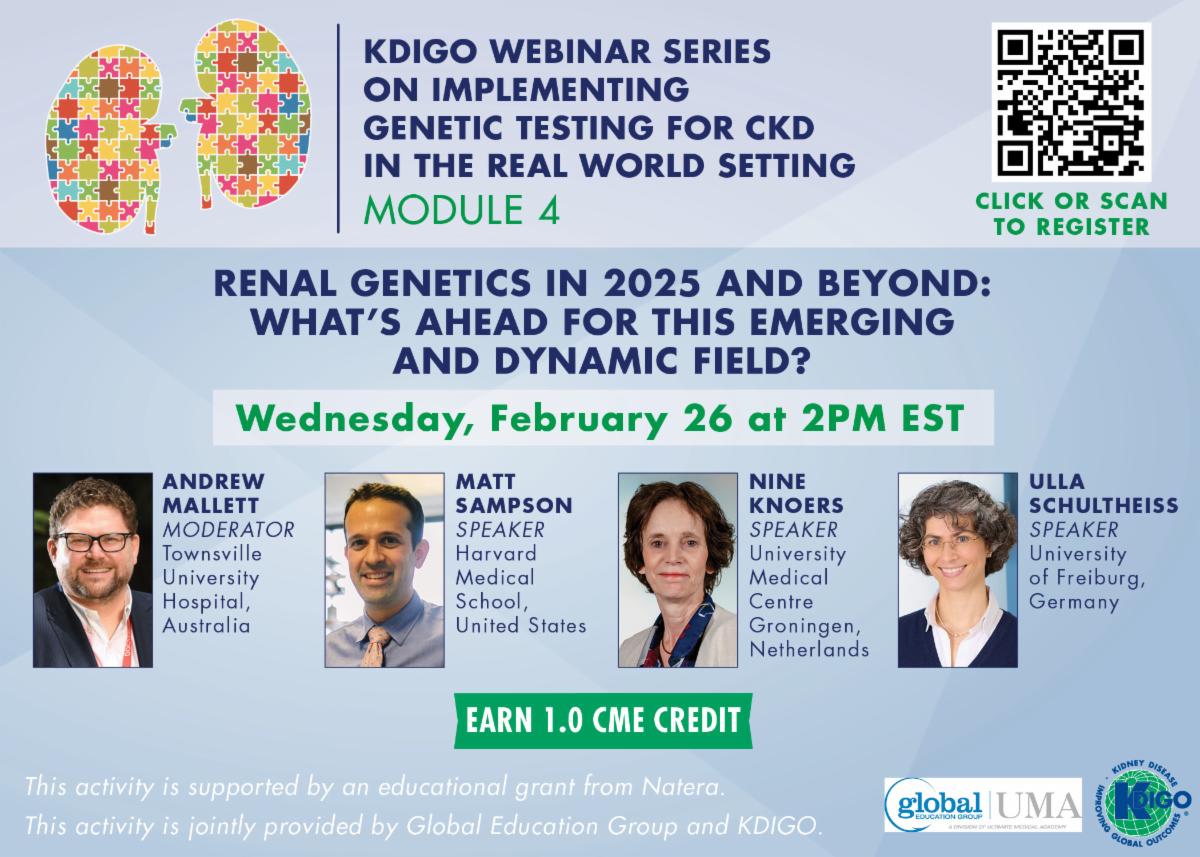
Renal Genetics in 2025 and Beyond: What's Ahead for This Emerging and Dynamic Field?
KDIGO CME Webinar
Wednesday, February 26, 2 PM EST
Mark your calendar for Renal Genetics in 2025 and Beyond: What's Ahead for this Emerging and Dynamic Field, module four of the KDIGO Webinar Series on Implementing Genetic Testing for CKD in the Real World Setting.
Join professors Andrew Mallett, MD (Australia), Nine Knoers, MD (The Netherlands), Matthew Sampson, MD (United States), and Ulla Schultheiss, MD (Germany) as they delve into the evolving landscape of genetic testing in nephrology. From advancements in testing methodologies to polygenic risk scores and precision therapies for genetic kidney diseases, this webinar will offer a comprehensive exploration of the rapidly evolving field.
Participants will earn 1.0 CME credit and gain insights into optimizing test evaluation, understanding clinical applications, and addressing the limitations of genetic testing. Visit the series website for CME info, to learn more, and register.
| |
|
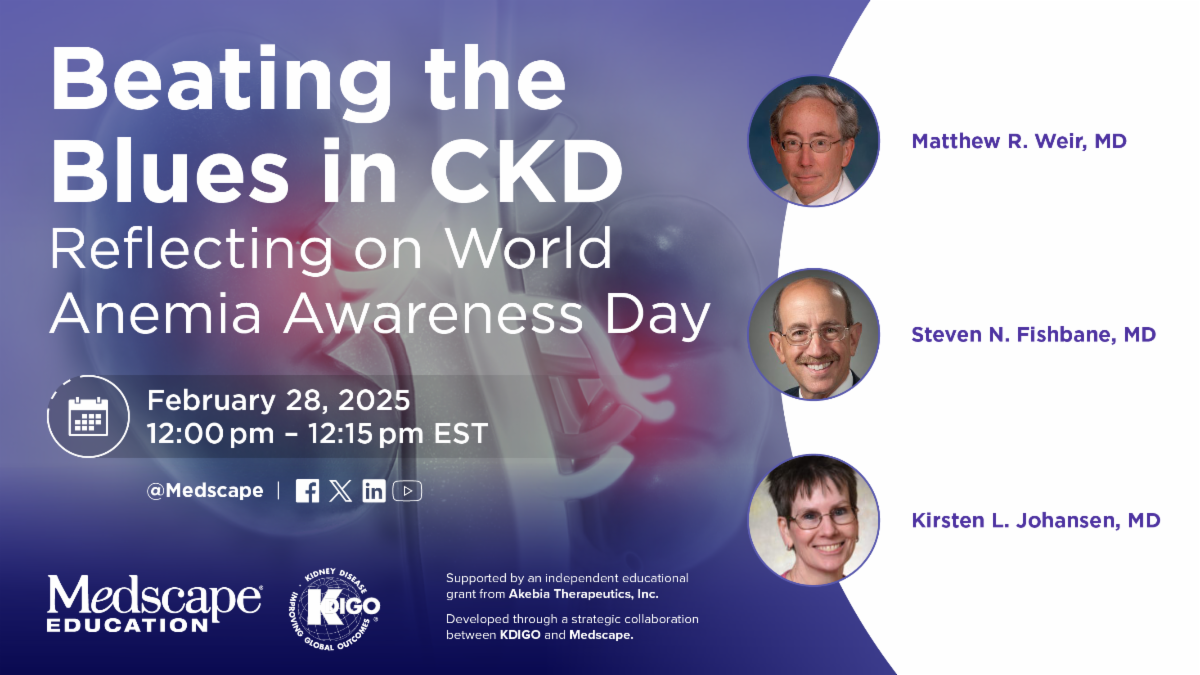
Beating the Blues in CKD: Reflecting on World Anemia Awareness Day
Livestream on Social Media
Friday, February 28, 12 PM EST
Join us for a social media livestream event on Friday, February 28 at noon EST for "Beating the Blues in CKD: Reflecting on World Anemia Awareness Day."
This session will feature expert insights from Matthew Weir, MD (United States), Steven Fishbane, MD (United States), and Kirsten Johansen, MD (United States), who will discuss barriers to timely diagnosis, treatment challenges in dialysis and non-dialysis patients, and emerging therapies that can help close these gaps. You can RSVP and access the live stream on Facebook, LinkedIn, and YouTube. You can also earn CME/CE credit after completing the program. Learn more.
| |
|
KDIGO ADPKD Guideline Key Takeaways
KDIGO Guideline Resources
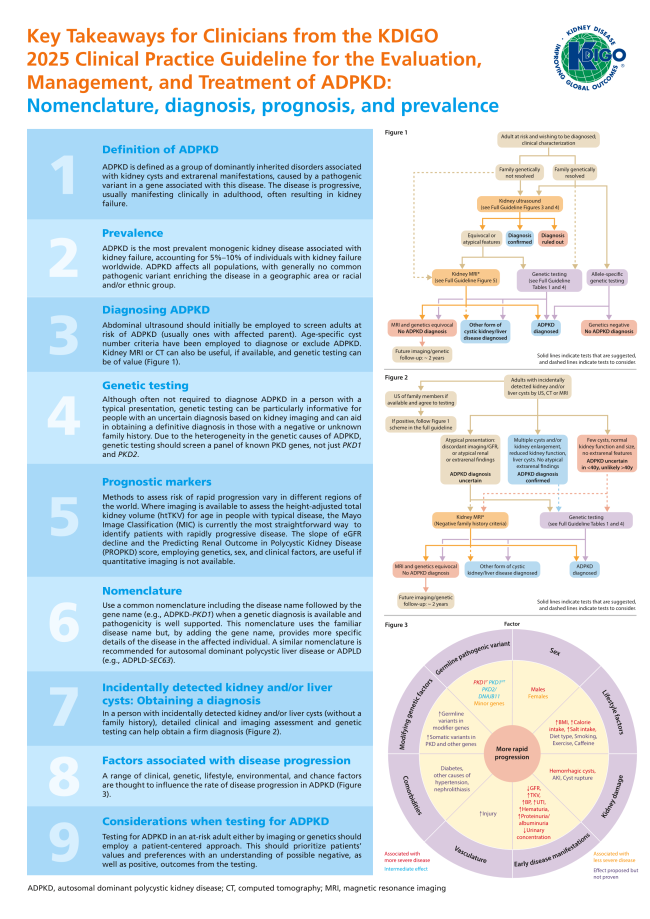
KDIGO has released the 2025 ADPKD Guideline Key Takeaways, a series of one-page summaries for each chapter of the guideline. These takeaways provide a concise overview of essential recommendations, helping clinicians quickly understand and apply key concepts related to the evaluation, management, and treatment of ADPKD.
Each of the key takeaways highlights critical information on topics such as diagnosis, genetic testing, prognostic markers, disease progression, kidney manifestations, blood pressure management, pain control, and the treatment of complications like kidney cyst infections and kidney stones. These summaries are designed to be a practical resource for nephrologists and other healthcare professionals seeking to implement the latest evidence-based guidance in ADPKD care. Download the Key Takeaways on the KDIGO ADPKD Guideline Website.
| |
|
KDIGO Sessions from the ISN WCN 2025 Congress
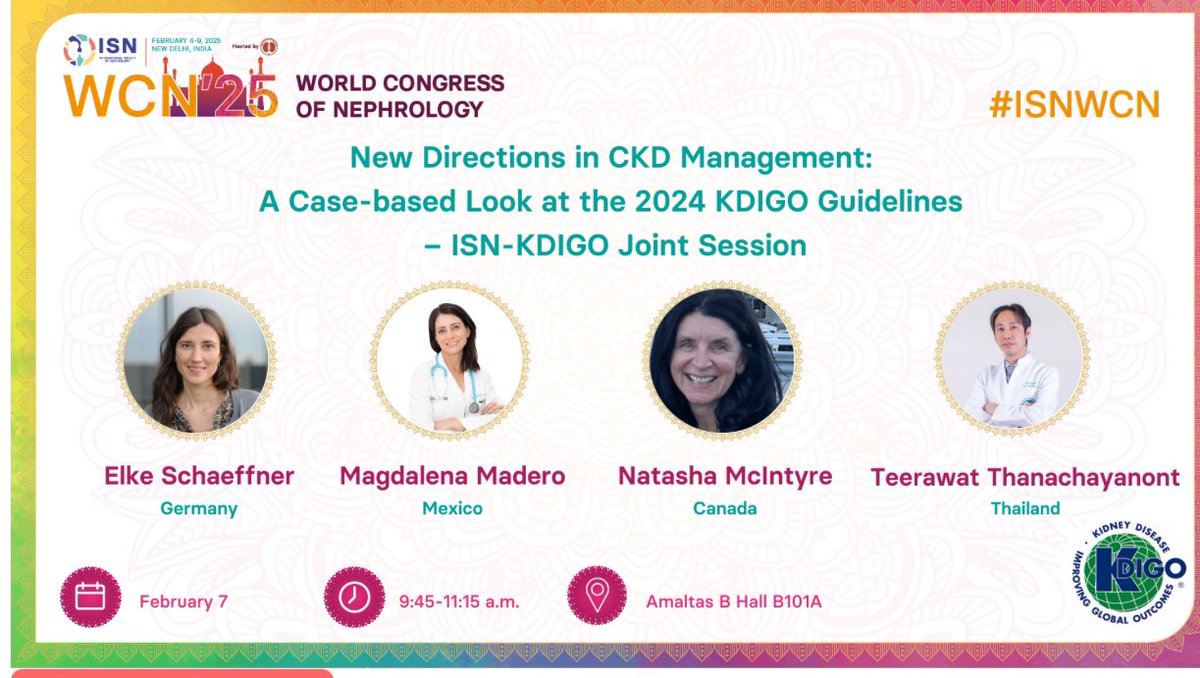
You can now watch KDIGO’s sessions from the 2025 International Society of Nephrology (ISN) World Congress of Nephrology (WCN) on the ISN Academy. Featured sessions include the ISN-KDIGO Joint Session, “New Directions in CKD Management: A Case-Based Look at the 2024 KDIGO Guideline,” which explores updated recommendations on CKD risk stratification, disease progression, and individualized management strategies. The industry session, “IgA Nephropathy in 2025: Bridging the Gap Between Knowledge and Practice,” focuses on IgAN pathophysiology, diagnosis, prognosis, and global implementation, along with case-based treatment strategies.
These congress symposia are open-access and can be viewed on the ISN Academy by ISN members or anyone who creates a free login. ISN members enjoy unlimited on-demand access to all WCN 2025 content, while congress delegates have 30-day access. Watch the sessions now on the ISN Academy.
| |
|
KDIGO GEMs: Glomerular Diseases On-Demand
Event Recordings
KDIGO successfully launched its first-ever KDIGO GEMs (Guideline Education Meetings), a virtual education program designed to enhance the understanding and application of KDIGO Guidelines. Focusing on Lupus Nephritis, ANCA-Associated Vasculitis, IgAN/V, and Complement-Mediated Kidney Disease, the sessions provided practical insights into the latest KDIGO recommendations, including interactive presentations, real-world case studies, and live Q&A opportunities.
"As an organization, KDIGO is dedicated to being responsive to the needs of the nephrology community," said Brad Rovin, MD (United States), Co-Chair of the KDIGO Glomerular Diseases, AAV, IgAN/V, and Lupus Nephritis Guidelines. "We had a lot of feedback on the Glomerular Diseases Guidelines, with many nephrologists wanting real-world examples of how to implement the recommendations and practice points in daily practice. The KDIGO GEMs program was developed to address this need. By focusing on practical, actionable insights, this program aims to bridge the gap between evidence and practice, empowering healthcare professionals to deliver the best possible care for their patients."
Watch KDIGO GEMs on demand.
| |
|
KDIGO CKD Guideline Pediatric Summary
KDIGO Guideline Resources
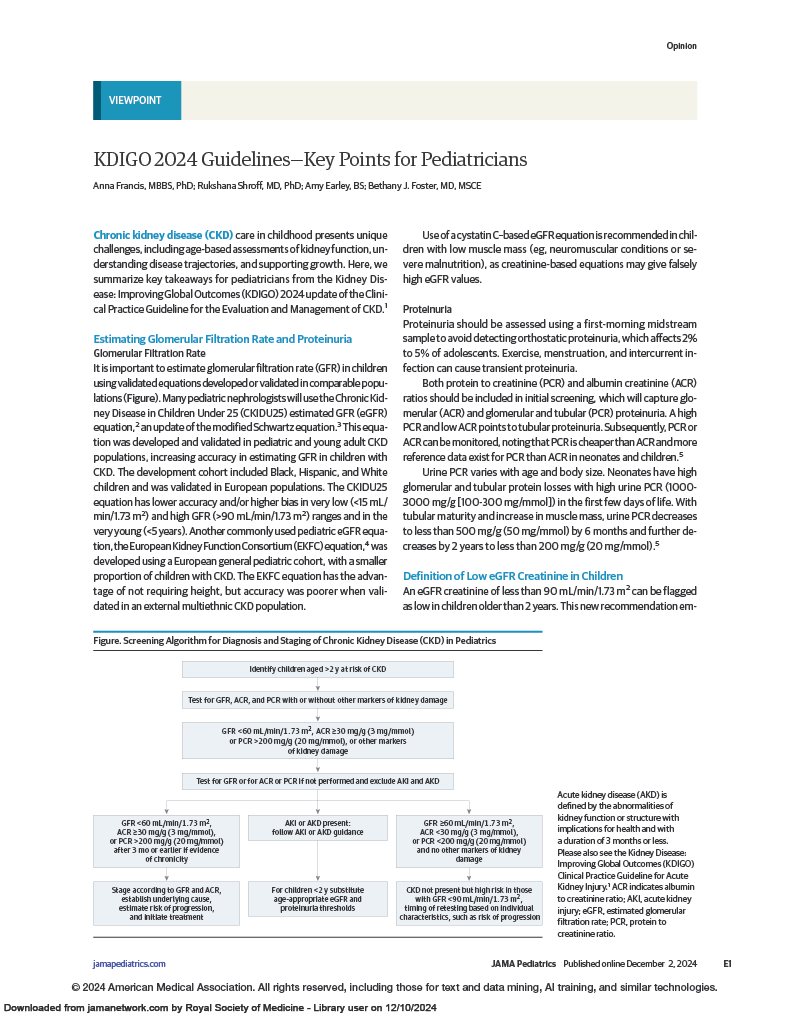
The KDIGO 2024 CKD Guideline includes a dedicated pediatric summary, now published in JAMA Pediatrics, highlighting key updates in the assessment and management of CKD in children. It recommends the CKiD U25 equation for estimating kidney function, with cystatin C-based equations for those with low muscle mass. Proteinuria screening should include both PCR and ACR from a first-morning urine sample. An eGFR below 90 mL/min/1.73 m² is now considered low for children over age 2, emphasizing early detection and intervention.
These updates provide essential guidance for improving pediatric CKD care. Read the full summary.
| |
|
KDIGO Obesity and CKD Controversies Conference Plenaries
Plenary Presentation Recordings
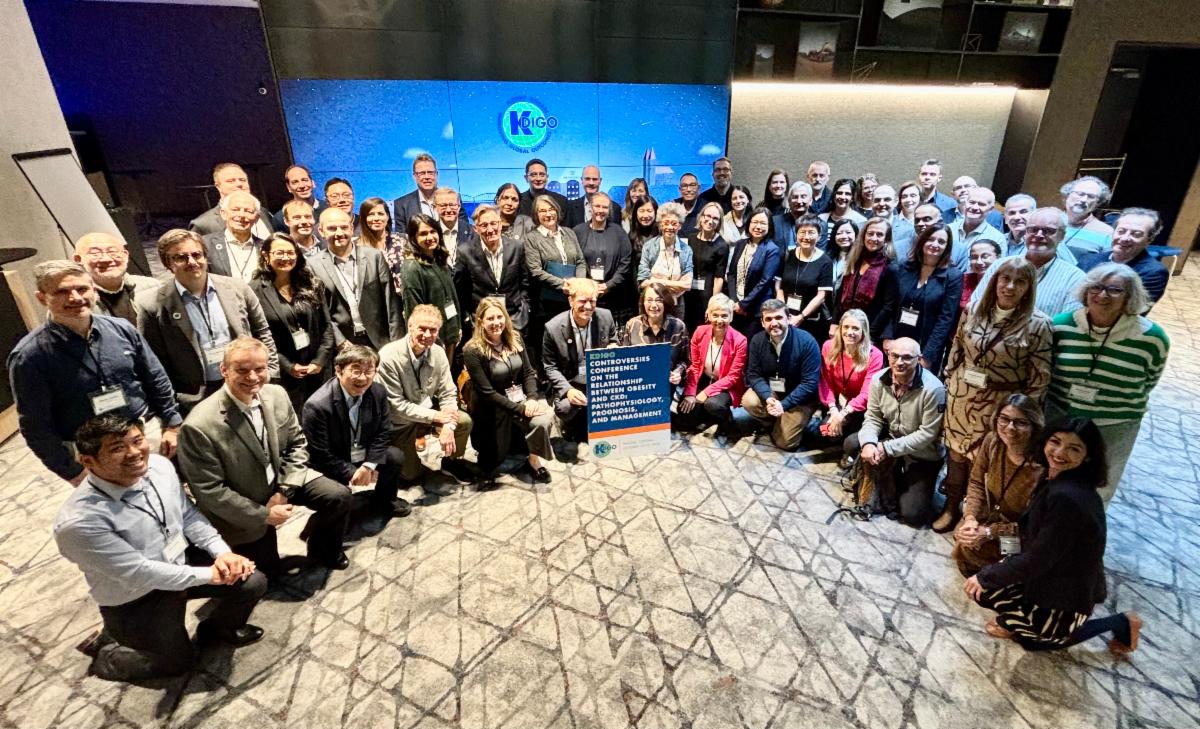
The KDIGO Controversies Conference on the Relationship Between Obesity and CKD: Pathophysiology, Prognosis, and Management, held in Prague, Czechia, from October 10 to 13, 2024, brought together global experts to explore the complex links between obesity and chronic kidney disease. Co-chaired by Susan Furth, MD (United States) and Peter Rossing, MD (Denmark), the conference featured dynamic plenary sessions followed by in-depth discussion groups focused on building consensus.
This highly interactive meeting convened leading voices from nephrology (adult and pediatric), endocrinology, cardiology, surgery, and related fields such as nutrition, epidemiology, ethics, nursing, and social work—along with patient representatives—to critically evaluate current knowledge and clinical practices.
Recordings of the plenary presentations are now available, offering valuable insights into the latest research and expert perspectives on obesity and CKD. The official conference manuscript is currently being prepared and will further detail the key findings and observations. Watch the recordings.
| |
|
KDIGO-IACN Joint Symposium at ICCN 2024
Symposium Recording
The recordings are now available from the International Association of Chinese Nephrologists (IACN)-KDIGO Joint Symposium at the 5th International Congress of Chinese Nephrologists (ICCN) in Hong Kong, from December 13-15, 2024. The symposium featured leading experts on IgAN and diabetic kidney disease (DKD).
Sydney Tang, MD (Hong Kong), Hong Zhang, MD (China), and Jonathan Barratt, MD (United Kingdom) discussed IgAN, focusing on regional differences, new insights into pathogenesis, and the evolving treatment landscape. The DKD session featured Juliana Chan, MD (Hong Kong), Meg Jardine, MD (Australia), and Connie Rhee, MD (United States) covering CKD care in diabetes, SGLT2i vs. GLP-1 RA, and the ADA-KDIGO consensus report. Watch the recordings.
| |
|
KDOQI US Commentary on the KDIGO 2024 CKD Guideline
KDIGO Guideline Resources
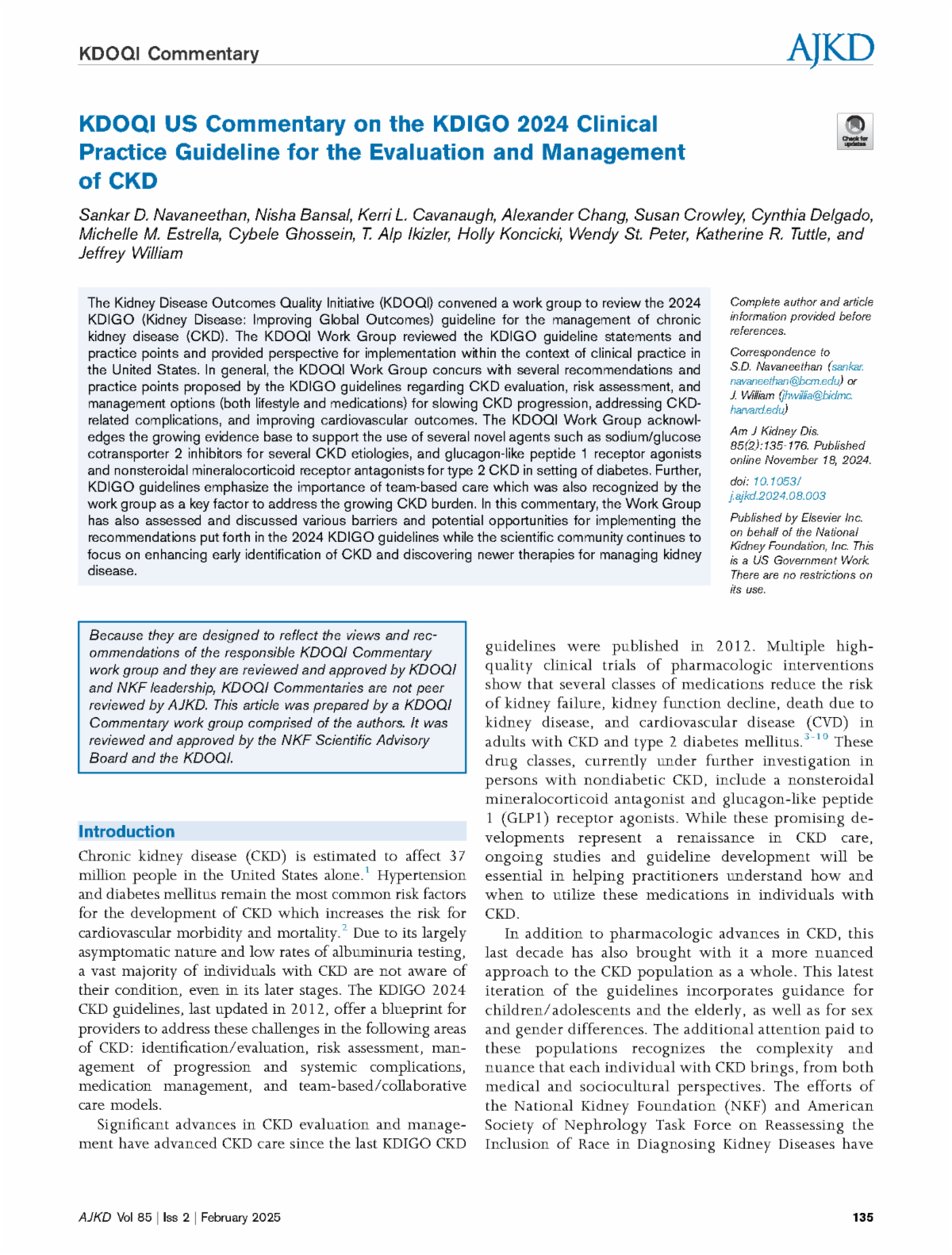
The KDOQI US commentary on the KDIGO 2024 CKD Guideline was published in the February issue of American Journal of Kidney Diseases. This commentary provides a U.S.-focused perspective on the KDIGO recommendations, highlighting their clinical implications, challenges, and opportunities for implementation.
The KDOQI Work Group supports key aspects of the KDIGO CKD Guideline, including early CKD detection, risk assessment, pharmacologic advancements, and team-based care models. Read the full commentary.
| |
|
About KDIGO
KDIGO is a Belgian foundation committed to developing and implementing nephrology guidelines that improve outcomes for people with kidney disease on a global basis. KDIGO is independent, volunteer-led, self-managed, and accountable to the public and the people it serves. Learn more.
| | | | |