|
|
 |
|
February/March 2016
Newsletter
|
|
|
|
|
|
|
|
From Our President
MARCH. How appropriately this month is named. Don't you feel like winter becomes a little like a march at this point? We're teased with a few warm breezes...then it snows again. What a cruel trick. Or is it? There is the school of thought that says unless we experience bad times we cannot fully appreciate the good times. Maybe there's something to that.
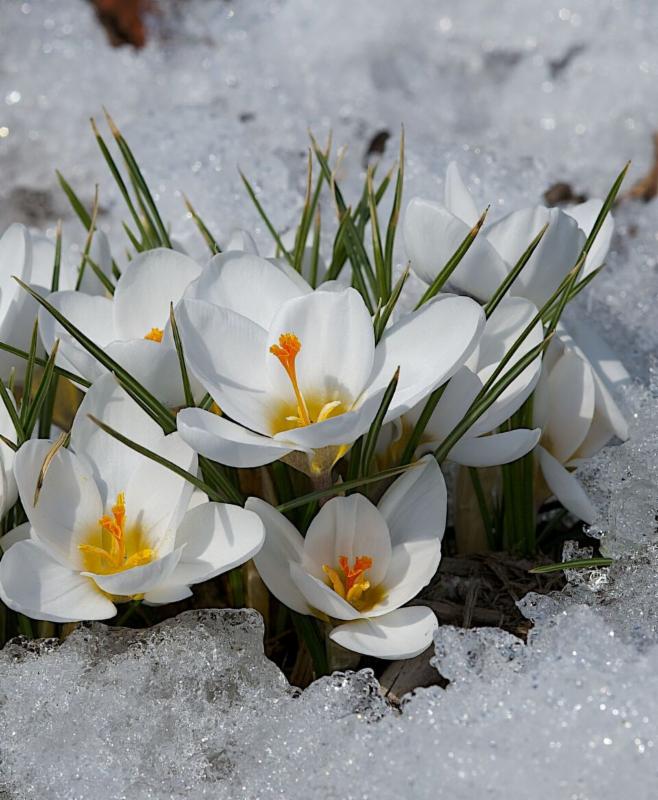
Stacey chose the perfect photo for the banner this month, I think; and perhaps many of us are on the same wavelength. A few days ago I spotted a lone snowdrop while out walking the dog on a dull, cold day. There in the crusty gray blah that is our late winter landscape was one tiny, beautiful, impossibly perfect white bud on a skinny bright green stem - it looked totally out of place, as if the homeowner had plopped one of those plastic solar flower decorations that bobs back and forth out in their decayed perennial bed. It was a sweet reminder of the resilience of nature, a soft voice telling us if this tiny, delicate flower can push up through the frozen earth to shine its face up to the weak winter sun and do its thing...so, too, can you.
I suppose we should relish the time spent closer to one another, huddled near hearth and home, before warmer days and our gardens and the great outdoors beckon us out, out, out. Come share some warm winter fellowship with us the evening of March 16 and hear about the beautiful city garden that is the Lincoln Park Zoo. And if you're wintering in warmer climes, check your calendar for the first KGC meeting after your return - we miss you and would love to welcome you back.
So, troops...March on! I hope to be with you soon.
Gratefully,
Stephanie
No winter lasts forever; no spring skips its turn.
- Hal Borland
________________________________________________________________________
|
|
|
|
|
|
Monday, March 14th
10:45 a.m.
Kenilworth Union Church Library
Nominating Slate Due
Preliminary 2016-17 Budget Due
|
|
|
|
|
KGC March Meeting
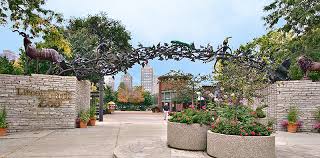
"Designing an Urban Oasis for People and Animals"
Join the Lincoln Park Zoo Horticulture Coordinator and learn how the Zoo designs, curates and maintains its planted public spaces, its Farm-in-the-Zoo edible gardens, and Nature's Boardwalk, its
conservation showcase.
Wednesday, March 16th
7:00 pm
Home of Beth Glass
18 Meadowview Drive, Northfield
|
|
|
|
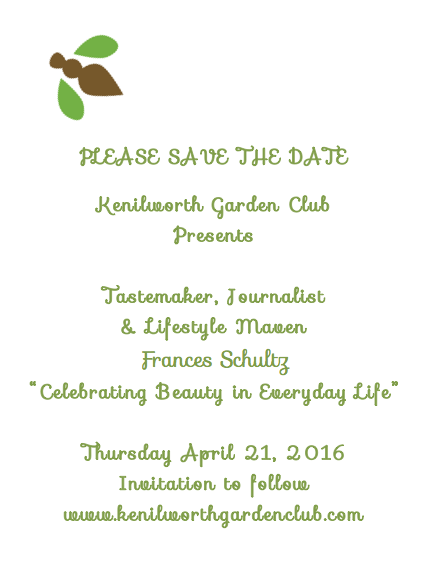
2016 KGC SPRING BENEFIT
Featuring speaker Frances Shultz discussing her book
(Click the link above to learn more about her book.)
Watch your mailbox for the invitation, and start thinking about who you would like to bring as your guests!
|
GCA NEWS
It's time, once again, to vote for the Founder's Fund Award finalists. Each fall, the Founders Fund Committee selects three finalists from civic projects proposed by clubs around the country. The winning entry is awarded $30,000, with $10,000 going to the two runners-up. Each of the GCA's 200 clubs casts a single vote.The winner of the Founders Fund Award will be announced at the GCA Annual Meeting in May. Here are the three nominees:
The HISTORIC WASHINGTON GARDEN at the OLD NORTH CHURCH - Proposed by Beacon Hill Garden Club, Zone I and Seconded by Chestnut Hill Garden Club, Zone I
BUILDING SUSTAINABILITY at HARTFORD'S HISTORIC KENEY PARK - Proposed by Garden Club of Hartford, Zone II n Seconded by Connecticut Valley Garden Club, Zone II
The WETLANDS EDUCATION CENTER at CATTAIL MARSH - Proposed by Magnolia Garden Club, Zone IX n Seconded by The Garden Club of Houston, Zone IX
***
KGC will vote for one of these three nominees at our next membership meeting. Please take a few moments to read the detailed descriptions of each in the Winter 2016 issue of
The Bulletin. Or click
here to open an electronic version of
The Bulletin and scroll through to pages 22-27 for full descriptions. (Note, if you want to increase the size of the script, simply use the +/- slide in the tool bar just below the magazine.)
|
|
|
|
KGC February Meeting
James Rowan, Photographer & Naturalist
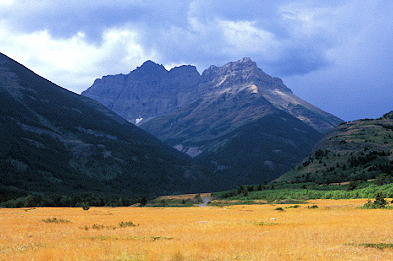
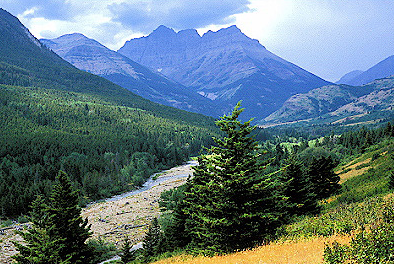
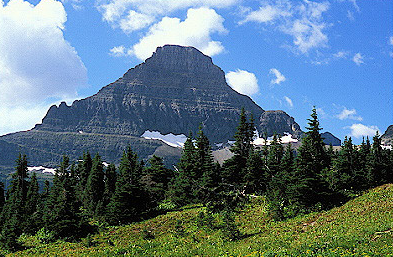
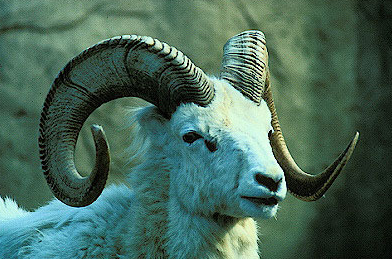
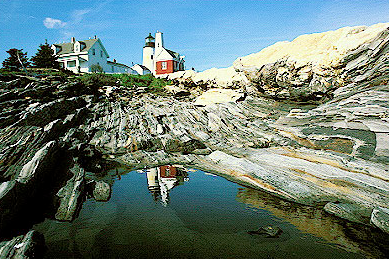
What an impressive turnout we had for the February meeting, held at Tina Rice's beautiful home in Wilmette on February 17th. James Rowan was a fascinating and engaging speaker who kept all in attendance rapt by the tales of his photo-journalistic visits to 33 of the 58 national parks. Trained in Zoology and Geology, and a former animal keeper at Lincoln Park Zoo, James had plenty of knowledge and experience to draw from in describing the unique ecosystems of each of the national parks he documented. (All photos by James Rowan)
The very first U.S. national park, Yellowstone, was signed into law by President Ulysses S. Grant in 1872. Today, there are over 100,000 designated parks worldwide, spanning 84 million acres, with 85,000 miles of rivers and streams and 12,500 miles of hiking trails. Among the 58 protected U.S. national parks,
there is at least one example of every ecosystem that existed when the Europeans arrived in America.
Rowan began his account with the
Florida Everglades, a wetland
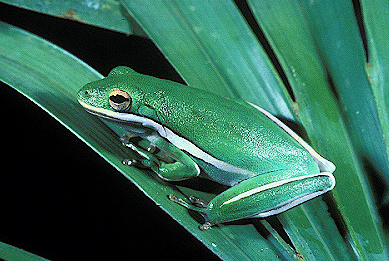 habitat that was in danger of disappearing completely before it was designated as a national park in 1934. Today, 25% of the original wetlands, or 1.5 million acres, have been preserved, including the largest area of mangrove swamps in America, home to 350 species of birds and, according to Rowan, the best place to photograph birds outside of the Galapagos Islands.
On the other side of the spectrum,
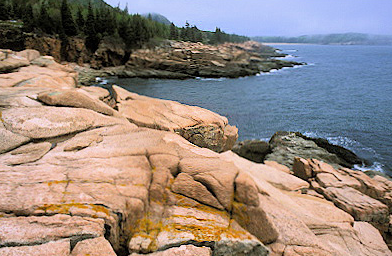
Acadia National Park
in
Maine includes 47,000 acres of woodland areas, rocky beaches and glacier-formed mountains, which were at one time mostly privately owned and subsequently donated to the National Park Service by private donors, such as the Rockefellers.
Often enshrouded in a blanket of mist-like "smoke," Rowan described
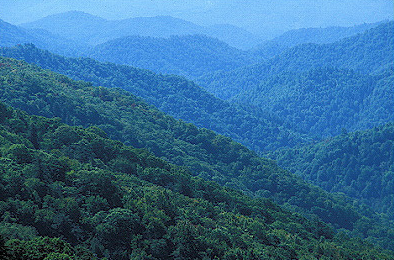
The Smoky Mountains of Tennessee and North Carolina as being similar to a rainforest in their biodiversity. Spanning 809 square miles and with an elevation that ranges from 800-6,600 feet, the Smokies claim over 1,000 species of flowering plants.
The
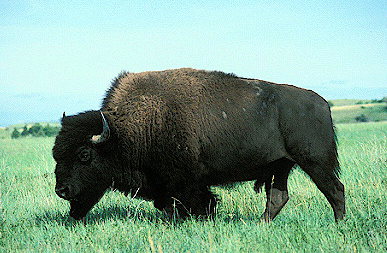
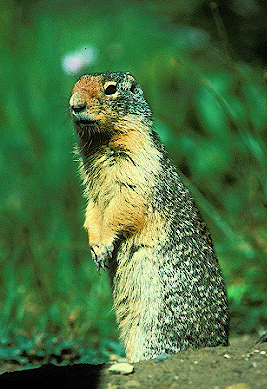
The Badlands in North and South Dakota create a very picturesque vista with striated mountains displaying distinct layers of erosion and featuring the animals of the Great Plains and prairies, such as prairie dogs and bison.
Rocky Mountain National Park, established in 1915, covers 600,000 acres. Due to the mountains more than 12,000 feet of elevation, most of the Rockies are covered in snow much of the year, creating a delicate ecosystem and a very short growing season. In July and August, alpine meadows are carpeted in low, compact flowers like primrose. The park is also home to hardy animal species, such as yellow-bellied marmots and elk.
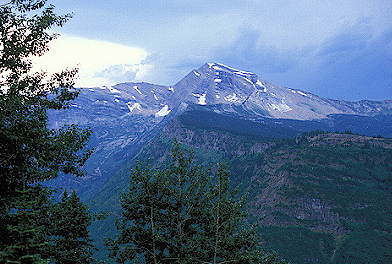
Glacier National Park, situated in the northern Rocky Mountains of Montana and Alberta, Canada, are named after their distinct glacial formations, featuring deep glacial rivers and lakes. The park boasts many native plant species, such as Elephant Head Lousewort, Lewis' Monkeyflower and multiple varieties of Indian Paintbrush, as well as hardy animal species like mountain goats and bighorn sheep.
The very first U.S. national park, Yellowstone, was originally preserved for its geothermal activity which was present in the form of many geysers, with "Old Faithful" being the most well-known. The word "geyser" comes from the Icelandic verb geysa, meaning "to gush".
There are four deserts in America, each with its own distinct plants and animals.
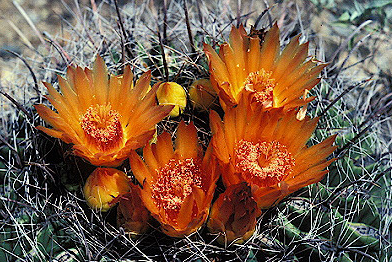
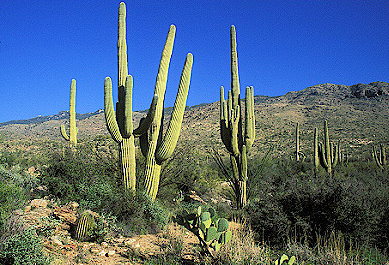
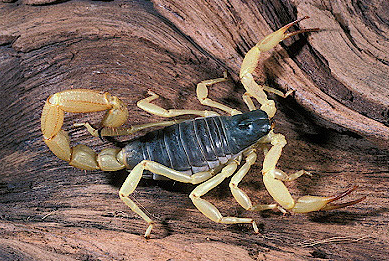
Saguaro National Park is home to the eponymous Saguaro Cactus, as well as ocatio, horn Choya, prickly pear, sagebrush, teddy bear choya, fish hook barrel cactus, lupine, Mexican gold poppies and brittle bush. Despite the intense heat during the daylight hours, there are over 1,500 species of animals who become more active as the sun gets lower. Gambles quail, collared lizards, chuckwalla, marbled gecko, rattlesnake, tarantulas, and black-back scorpions all can be found in Saguaro, if you want to brave the heat and look really hard.
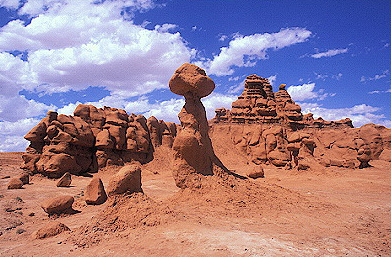 Arches National Park in the southeastern Utah portion of the Colorado desert near Moab is distinguished by its unmistakable red sandstone outcroppings (left) formed mostly by the wind.
Alternately,
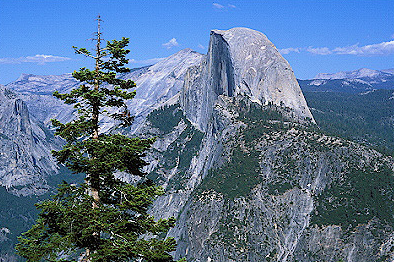
Yosemite National Park in the Sierra Mountains is distinguished by sheer cliffs (below) formed by glacial exfoliation.
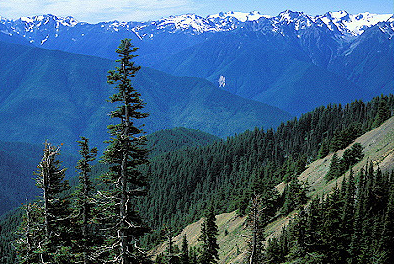
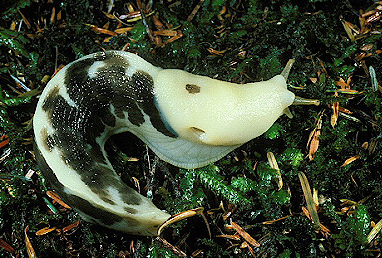
 Olympic National Park is a vast variety of habitats with three distinct ecosystems - mountains, rainforest and 75 miles of coastline featuring sea stacks and arches. James was able to locate and photograph the strange and aptly-named Banana Slug (below) in the Olympic rainforests. The second-largest species of terrestrial
slug in the world, they can reach lengths of 10-12 slimy inches and can move up to 6-7 inches a minute!
If you want to visit a national park closer to home, take a look at:
∞
Pictured Rocks National Lakeshore on Lake Superior -
http://www.nps.gov/piro/index.htm;
∞ Or the the south side of Chicago's
Pullman National Monument and Pullman District, recently designated the 406th national park by President Obama.
But no matter where you go, make sure you take your camera!
∞ ∞ ∞ ∞ ∞ ∞ ∞ ∞ ∞ ∞ ∞ ∞ ∞ ∞ ∞
2016 is the centennial of the creation of the National Park Service, and GCA is celebrating the milestone by encouraging all members and their families to visit one of the 408 sites of the National Park System. Share your photos and stories, and register your visit in the GCA's
|
|
KGC TIDBITS
A little of this, a pinch of that...
"
Homegrown," the beloved KGC cookbook, is back!!
This 2nd edition version (
with only minor updates) is available for pre-order using
the attached form. Orders will be accepted until March 17th to accommodate anyone who wants to place an order at our Wednesday, March 16th membership meeting - printed forms will be available there, so bring your checkbooks! The cookbooks are being sold at cost of $15 each, with a suggested accompanying donation of $5-$10 each.
The books will be available by mid-April.
Contact Stephanie at stephanie.keehn@gmail.com with any questions.
Get 'em while they're hot!...and don't forget they make great gifts!!
∞ ∞ ∞ ∞ ∞ ∞ ∞ ∞ ∞ ∞
Needlepoint canvas of KGC logo
Mary Lois Hakewill has designed an adorable needlepoint canvas featuring our KGC logo. Transform it into an ornament, a small pillow, or frame it for lasting memories of KGC! Mary Lois has offered to make more canvases, $25 each, for any interested members (you're on your own to stitch it!). If interested, contact Mary Lois at
Hakewill2@gmail.com
|
|
|

UPCOMING KGC DATES
Mark the following dates on your calendar for these exciting upcoming
Kenilworth Garden Club events and activities!!
KGC March Meeting
Lincoln Park Zoo Horticulture Coordinator
Wednesday, March 16; 7:00 pm --
Home of Beth Glass, 18 Meadowview Dr., Northfield
KGC April Meeting
Tish Robinson, "The Wonders of France"
Wednesday, April 13; 9:30 am --
Home of Terri Lorenz,
2326
Iroquois, Wilmette
2016 KGC Spring Benefit
With Guest Speaker Frances Shultz, "The Bee Cottage Story"
Thursday, April 21st; 11:00 am -- Skokie Country Club
KGC Annual Meeting & Luncheon
Wednesday, May 11; Noon -- Skokie Country Club
(Please be respectful and RSVP for all KGC meetings and events. Thank you!)
 (COPY & PRINT THIS PAGE, SO YOU DON'T MISS A THING!)
|
|
|
|
Presentation by Shelley Galloway
"Ikebana may be comparable to painting, music or sculpture."
- Sofu Teshigahara
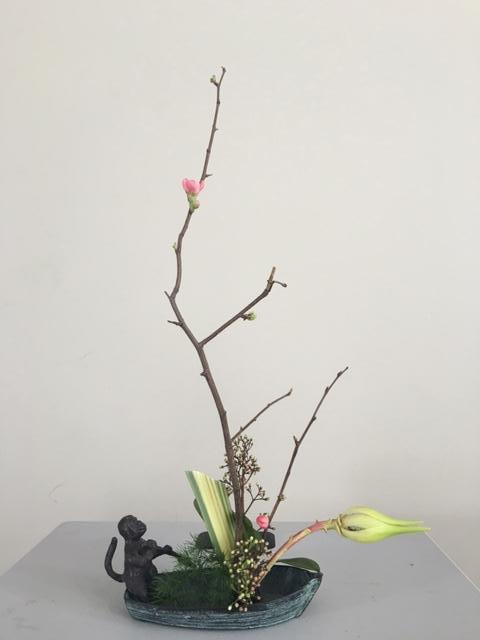
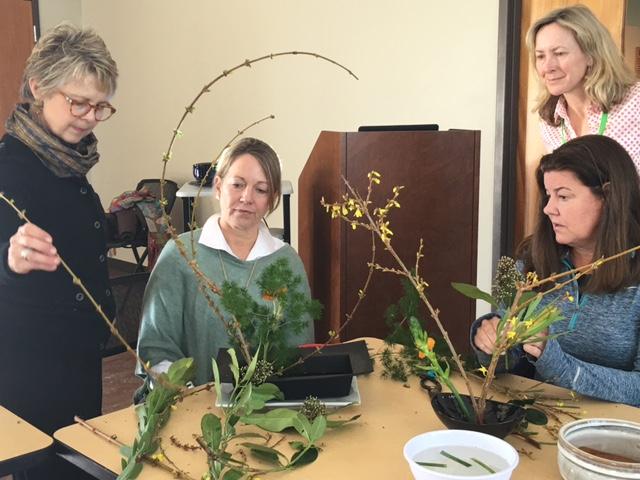
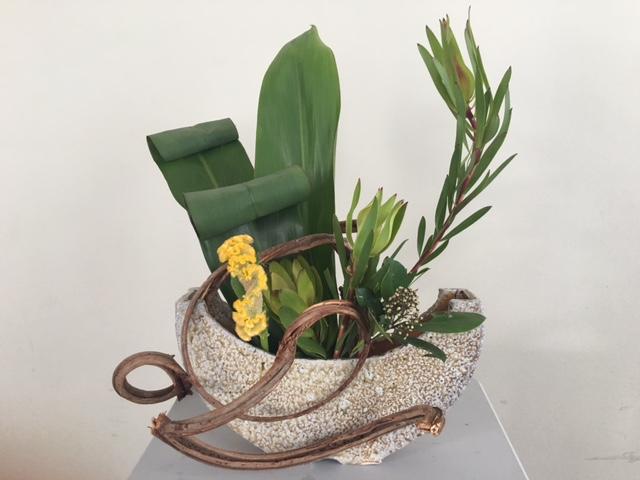
Building upon the Japanese theme first presented at the joint meeting of Kenilworth Garden Clubs in January, the KGC floral design team hosted a hands-on ikebana workshop on Tuesday, February 9th, taught by our own in-house ikebana expert, Shelley Galloway, and attended by Zone XI Vice Chairman Ginny Noyes. Shelley has been studying the art of Sogetsu Ikebana for more than 15 years and holds a Fourth Level teaching certificate. Her inspirational class and demonstration was inter-woven with entertaining stories and anecdotes from her personal experiences throughout her own ikebana journey.
Shelley describes ikebana as "creative artistic expression with an inner spiritual meaning." Expressing
Japan's deep communion with nature, ikebana has been practiced for centuries. Ikebana first evolved from the Buddhist practice of offering flowers to the spirits of the dead. The first classical styles of ikebana started in the 14th century, and the first students and teachers of ikebana were Buddhist priests. Samurai practitioners of the art of ikebana were primarily male, until the late 1800s when the Japanese government adopted it as part of the curriculum for girls. Ikebana has evolved over the centuries with societal and cultural needs. Today, there are more than 300 ikebana schools in Japan.
"Ikebana is represented through line, color and an intangible spirit." You will notice an asymmetrical design underlying all ikebana designs in the traditional style, like that of a scalene triangle with three uneven sides.
'Ma', likened by Shelley to a liminal space, is the empty space that is often created in ikebana, also considered to be a space of potentiality and evolution. 'Ma' is a space under construction - the viewer brings his or her own ideas to that space, suddenly being aware of unnoticed elements that become an inspiration for a new idea.
The basic tools needed for ikebana are:
∞ A
Kenzan (frog);
∞
Hasami (shears);
∞ A
bowl of water (always cut your stems under water to prevent air bubbles from getting into the stem and thus reducing water absorption);
∞ And either a
Moribana (low shallow container) or a
Nageire (tall slender container).
To create a traditional ikebana arrangement:
∞ Begin with a
Shin, the tallest element of the configuration and often the focal point. The height of the Shin is determined by adding together the length plus the depth of the container and multiplying that number by 1 1/2 times. The Shin is placed upright into the kenzan and then tilted 15 degrees towards the front and left of the container.
∞ The second element is called the
Soi which is 1/2 to 3/4 the length of the Shin and is placed slanting toward your left shoulder at 45 degree angle.
∞ The third essential element is the
Hikai which is 1/2 to 3/4 the length of the Soi and is placed at a 75 degree angle toward your right shoulder (when viewed from the front of the arrangement).
∞ Additional plant materials can be used as filler and to cover the Kenzan, but minimalism is paramount to ikebana.
∞
If branch shape dictates, this can be reversed to take advantage of the plant material. Hongatte is the term for the basic upright and Gyakugatte refers to the reversed form.
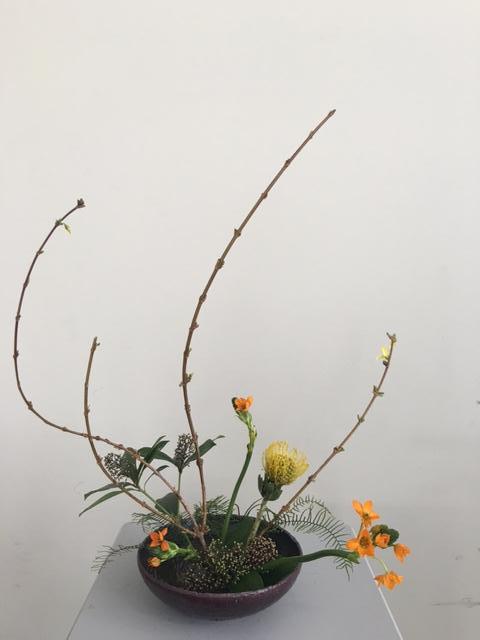
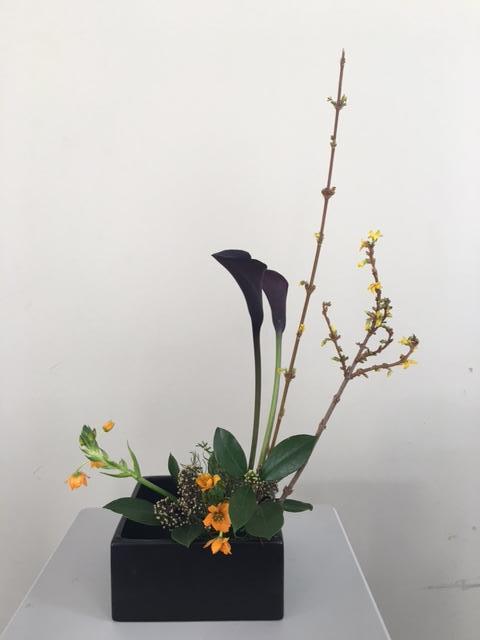
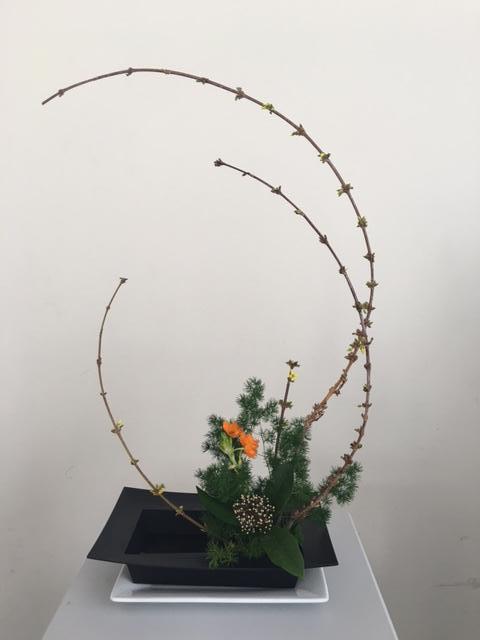
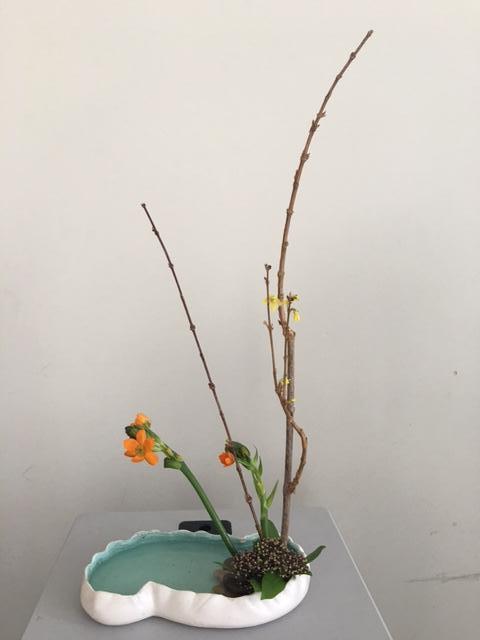
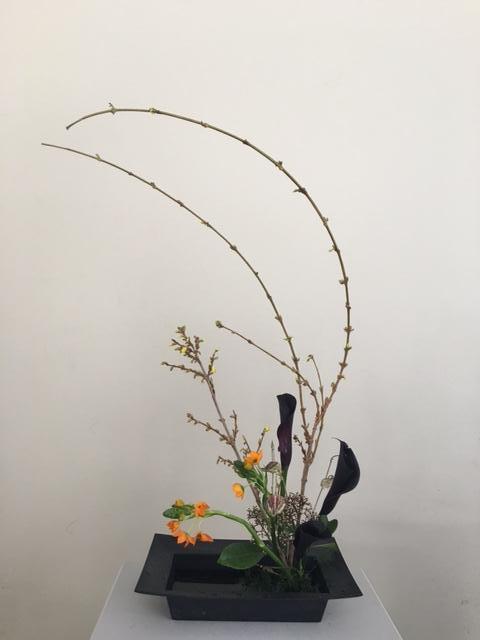
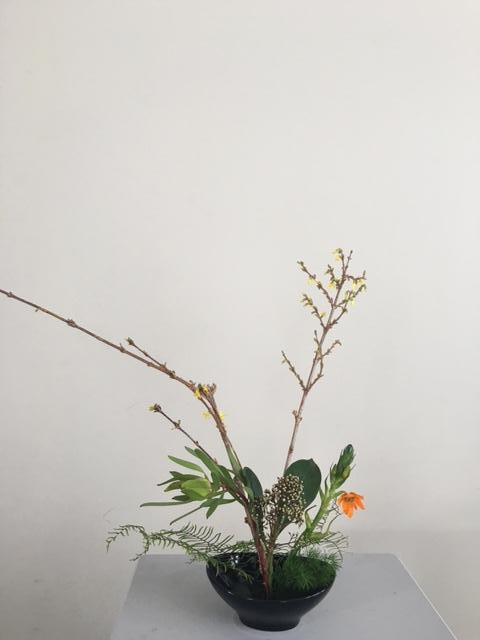
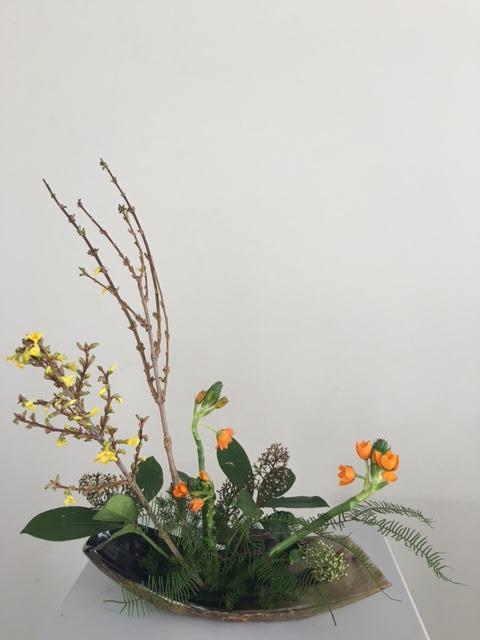
At the end of her lecture, Shelley demonstrated a "freestyle" variation of ikebana (not necessarily adhering to the structured rules of the traditional design described above) and then encouraged attendees to get started on their own arrangements. Take a look below for the many, varied interpretations, all utilizing the same plant materials.
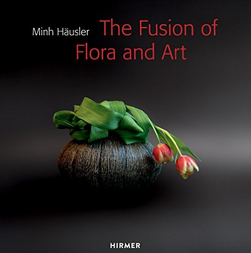
To learn more about ikebana and the elements of ikebana design, Shelley recommends the following books. It's impossible not to be inspired by the beauty and elegance of the art form.
"Fifty Principles of Sogetsu" by Sofu Teshigahara
"Kadensho - The Book of Flowers" by Sofu Teshigahara
|
|
2016 KGC FLORAL DESIGN WORKSHOPS
|
|
| KGC members creating stunning floral arrangements at the Ikebana workshop. |
SOS TUNE-UP LEAD BY GINNY NOYES -- MARCH
IN-HOUSE FLOWER SHOW -- JUNE
For questions or to sign up for any floral workshop, contact Shelley at:
flowergenius@gmail.com
|
|
|
MS. JONES GOES TO WASHINGTON!
Ann Jones represented KGC at the 2016 GCA National Affairs and Legislation meeting held in Washington, D.C., February 22-25. Following is her in-depth and fascinating report, much of which parallels many of the topics we have been discussing within KGC lately, including climate change, endangered and invasive species, and our threatened national parklands.
I recently had the opportunity to attend GCA's National Affairs and Legislation (NAL) Committee annual meeting in Washington DC. NAL keeps the GCA membership current on federal policy initiatives that relate to GCA's mission, and it identifies advocacy opportunities based on GCA's policy positions.
It was a terrific meeting, and it got me to thinking about how some of the these GCA initiatives can be applied to us. Many relate to things that we can all appreciate: clean air, clean water, protection of the National Parks, etc. W
hile lobbying Washington and asking for changes in public policy is admirable, I really think the lesson I took away from this meeting is that real change happens at home. The question to ask is, "What can we do as individuals to make a difference for the future?"
Climate Change
I have somewhat followed this, but after listening to various speakers and seeing the increase in the flooding that is occurring on the North Shore -- I believe this is a serious issue. Experiencing a January thunderstorm in Chicago was a first in my lifetime!!!
Large corporations (e.g., Walmart, Coca Cola, etc.) and major insurance companies believe that global warming is real, and they are focusing their corporate initiatives on dealing with this issue. For homeowners, it comes down to figuring out ways to create opportunities for greater energy efficiency. For example:
- keeping furnaces maintained and cleaned
- installing smart thermostats, insulation; keeping your temperatures lower
- opening windows in summer -- using less air conditioning
- driving energy-efficient cars; walking and biking more; using public transportation
- reducing the amount of water used in our gardens
- consider rain gardens and recycling rain water
- replacing obsolete appliances and windows with more energy-efficient ones
One GCA garden club organized a city-wide initiative called Bedford 2020. They even had a car show to highlight energy-efficient cars!
Preservation of Native Plants
Viewing the Endangered Species Act as one of America's landmark pieces of conservation legislation, GCA supports measures to protect the nation's rare, threatened, and endangered species and their habitats and to create workable science-based recovery programs.
We had several terrific speakers talk about the endangered plant species. While there have been success stories with endangered animals, the vast majority of endangered species are plants. What can we do?
- plant native species in our gardens; (For some ideas, check out these flowers.)
- plant species that make a difference for pollinators;
- encourage our villages to plant native species on parkways and in public gardens
NOTE: GoGreen Wilmette is currently running a Native Plant Sale through April 9th. In addition to more than 50 species of perennial wildflowers and native grasses, they will be offering ten species of trees and shrubs - from large, canopy trees to understory trees and smaller shrubs. All woody species are native to our region, and all provide good habitat for birds and other wildlife. Click here for details and plant list.
Protection of Our Public Lands
It's the 100th anniversary of our National Parks. One stat that really highlighted the dire straight of our National Parks was the lack of national funding that goes to this treasure: 1/15 of 1% of the Federal Budget. This amount doesn't even cover maintenance, and unfortunately 50% of the their budget last year was spent on fighting forest fires. Unfortunately, they assume that number is going to go up.
What can we do? Consider volunteering.
- Introduce your teens and college-aged students to the The Student Conservation Association (SCA): http://www.thesca.org. It's a fabulous organization started by Liz Putnam (a garden club member!) back in 1953. She spoke at the meeting, and it was wonderfully inspirational.
- Participate in Public Lands Day - September 24.
In 2015, approximately 200,000 volunteers and park visitors celebrated our public lands at 2,520 sites in all 50 states and the District of Columbia.
- Become a volunteer at a park. Friends of mine began volunteering during the summer months after their retirement. Now, they spend every summer conducting tours, etc. So far, they have worked at Yellowstone, Cape Hatteras, Statue of Liberty and Bryce Canyon. Sounds like a great way to spend your summer vacation!
Check out this TED Talk with stunning photos of the endangered Everglades. Mac Stone was one of the presenters and his photographs were utterly amazing -- as was his story.
This is just a sampling of some of the things I learned at the meeting. It was a wonderful experience: 2 days of informed and interesting speakers, including our local representative from the 10th District, Rep. Bob Dold. I came away from the meeting inspired and motivated. Following is a summary of the list of position papers for the GCA: GCA 2016 Position Paper
I also came away with the message -- each of us needs to make a difference in our communities and homes. What are we doing to make the earth a little better for the next generation?
So, I'm glad I drive a Prius. What are you doing?
|
|
The severe impact of global warming will impact our own backyards. Fortunately, our gardens also provide us with an opportunity to do meaningful good.
- Improve your energy efficiency by replacing regular light bulbs with compact fluorescent bulbs, installing outdoor automatic light timers, and purchasing solar-powered garden products.
- Reduce the use of gasoline-powered yard tools: use electric-powered or ,even better, human-powered tools and consider reducing the amount of lawn area.
- Reduce the threat of invasive species: do not introduce non-native (exotic) species into our environment.
- Incorporate a diversity of native plants into your landscape;
- Reduce water consumption by adjusting your watering schedule, using drip irrigation, and practicing xeriscaping (landscaping and gardening that reduces or eliminates the need for supplemental water from irrigation).
- Develop rain gardens.
- Compost kitchen and garden waste.
- Plant lots of trees to absorb and store carbon dioxide.
-- Conservation Chair, Karin Balsbaugh
* * * * * * * * * * * * * * * * * * * * * * * * * *
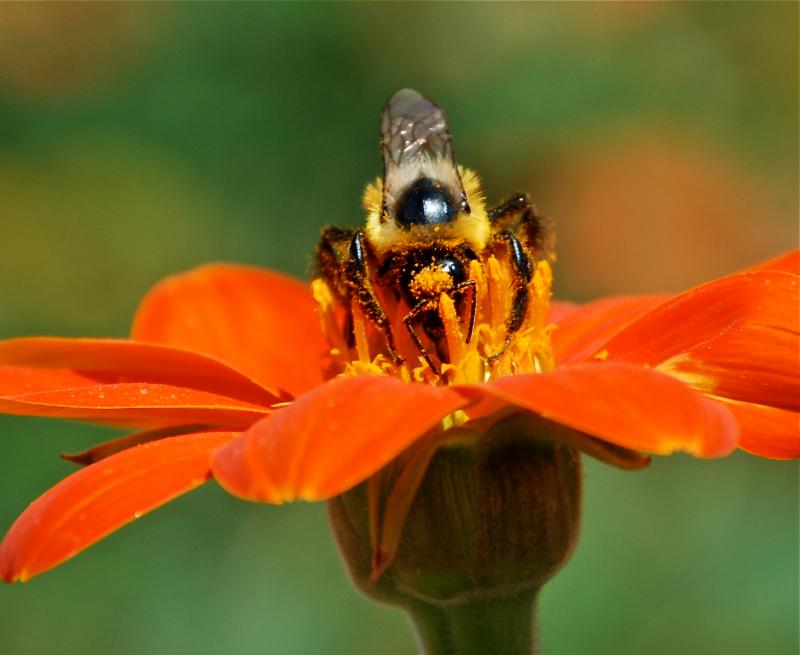
"UN Science Report Warns of Fewer Bees, Other Pollinators"
AP recently released the results of a UN scientific study concluding that "many species of wild bees, butterflies and other critters that pollinate plants are shrinking toward extinction, and the world needs to do something about it before our food supply suffers."
The report states that "the variety and multiplicity of threats to pollinators and pollination generate risks to people and livelihoods. These risks are largely driven by changes in land cover and agricultural management systems, including pesticide use." There are both general and specific problems with some pesticide use, according to the report. "Pesticides, particularly insecticides, have been demonstrated to have a broad range of lethal and sub-lethal effects on pollinators in controlled experimental conditions," the report said.
"But these are problems that can be fixed, and unlike global warming, the solutions don't require countries to agree on global action - they can act locally," said Robert Watson, a top British ecological scientist and vice chairman of the scientific panel. The solutions offered mostly involve changing the way land and farming is managed. "There are relatively simple, relatively inexpensive mechanisms for turning the trend around for native pollinators," said David Inouye of the University of Maryland. To read the AP article in its entirety, click
here.
The New York Times also covered this topic with a timely article called
"Decline of Pollinators Poses Threat to World Food Supply." To read that article, click
here.
|
|
KENILWORTH COMBINED COUNCIL
FUNDRAISER 2015:
The 2015 Beautification biennial fundraiser was a huge success! To date, $10,255 has been raised. Thank you to all that contributed.
BIO-SWALES:
The new concept of "bio-swales" will replace the proposed idea of "rain-gardens"; their locations would be on Cumberland, Melrose and parts of Roslyn. The varieties of trees that would do well planted in a swale are being researched.
MAGGI PARK:
Teska Associates provided Beautification with a landscape plan for Maggi Park. It is in the spirit of Jens Jensen, like Centennial Park; curves and low berms. The idea of a low double-curved wall was suggested as an attractive addition to the overall aesthetic of the park. Their locations would be on both west corners and replicating the wall around the fountain. It would be an extra expense, but worthy of consideration. The double-curved wall idea was enthusiastically received by the council. Irrigation issues are always difficult to figure out, but as time goes on during the process it will be resolved. Maggi will not have a look of being "closed-in" as there will be three view-points into the park. The idea of installing a dog park in Maggi was discussed.
NEW STREET SIGNS:
Examples of the 3 street signs Kenilworth must choose from are on display in the Village Hall. This change is mandated by the Federal Highway Authority nation wide. Each sign must be on their own pole. You can voice your preference among the 3 in person at the desk. It is not known when the switch will take place.
BEAUTIFICATION PLANT SALE:
Dates of the Beautification annual Plant Sale are
May 12,13 and 14.
Carol Hyatt will be organizing volunteers primarily for Wednesday, May 11 and Thursday, May 12, with a small number needed for May 14. There is good news about impatiens; a mold resistant variety, "Bounce", is "big and floriferous" and will be available in pots to be planted in the ground. Anton's Greenhouse will be the vendor. Ladies have stepped-up to fill the positions required to make the sale run smoothly and be the success it has always been. The monies raised always go towards making Kenilworth more beautiful.
GENERAL:
∞The Park District will take possession of the Kenilworth Club in August, 2016.
∞The Village Joint Committee has met. One of the topics is how Sears School, looking at construction, can work with the Park District in a joint venture. At the core are reconceptualizing green spaces. VJC will continue to look for other joint ventures.
∞The Christmas wreaths will sport new red bows in 2016!
Cheryl Anderson, Kenilworth Civic Co-Chair
|
|
|
|
RECIPE OF THE MONTH
Lenore's Scone Recipes
These are two, very basic recipes for British-style scones. They could not be easier to make. You can make ingredient substitutions. For example, if I don't have heavy cream, I'll use half-and-half. Chocolate chips, pecans and dried cherries are an easy and tasty change from currants. Only your imagination limits you! Just have fun with them. Both types were on the tea table at the January 2015 Combined Garden Clubs of Kenilworth meeting.
Lenore's Scones - Option Number One
Place a rack in the center of the oven and preheat it to 425 degrees. Have at least one large, ungreased baking sheet available (I keep at least 3 available because these spread when they bake).
Place in the food processor (you can also do this by hand, but why would you?):
2 cups of flour (I use unbleached all- purpose flour)
1/3 cup of sugar
1 Tablespoon of baking powder
½ teaspoon of salt
Whiz for several seconds until combined.
Chop 6 Tablespoons of butter (I use unsalted) into the food processor container.
Whiz until the largest pieces are pea-sized and the rest looks like breadcrumbs. Don't let it turn to paste. Keep stopping the whizzing to check for consistency. You will only whiz maybe 15 seconds.
Then add ½ cup of currants (or whatever you want, if you want to add anything at all).
In a separate bowl, whisk together:
1 large egg
½ cup of heavy cream
Whiz for maybe 15 seconds, until everything combines together. You might have a few stray clumps or some wetness at the bottom. Just try to capture as much of the ingredients as possible as you take the dough out of the food processor.
Knead the dough a few times on a lightly floured surface, then pat into a flat top circle about ¾ inch thick. Cut "pie-style" into 8 wedges. I like to make mini-scones, so I make two circles and cut 8 scones from the smaller circles.  Place on the ungreased cookie sheet at least ½ inch apart. Lightly brush the top with cream, half-and -half or milk, then sprinkle sugar (or you can use cinnamon or New Mexican red chile if you are really feeling feisty). These scones spread and tend to look a bit freeform.
Bake until the tops are golden brown-usually from about 12 to 15 minutes, but it all depends upon your oven.
Cool and enjoy!
Lenore's Scone - Option Number Two
These are classic cream scones. They have no egg or butter, so are denser. But I just love them. They hold their shape nicely as they bake, so you include nice, neat scones on your tea table.
Follow the recipe above, but omit the butter and egg. Increase the heavy cream to 1-1/4 cups.
Note: Trader Joe's carries heavy cream for a very reasonable price. It's certified BGh free and you won't feel like you broke the bank making these!
|
|
Recipe Correction:
We want to make it right!
In the December issue of KGC Clippings, we posted a recipe for Mary Lois' delicious Cheese Straws. Unfortunately, there was a typo in the ingredients listing. The amount of butter should read 1 cup, instead of 1/2 cup. The correct ingredients are as follows:
1 c butter
2 c grated sharp cheddar cheese
2 2/3 c flour
1/4 t salt
red pepper to taste
|
|
|
|
|
|
MEMBER SPOTLIGHT
Each month, we feature a different KGC member. This month, the spotlight is on:
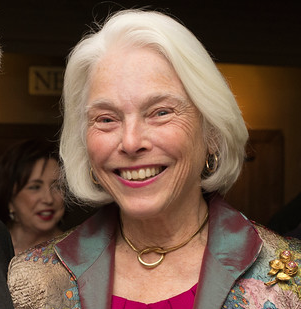
Nancy Kurz
Why did you join KGC? In what year?
I joined the KGC in 1988 because I loved the idea of being with others who I knew would be interested in gardening, plants, and flowers. When I joined, there was an active member at 92! I still love the wonderful mix of friendly, talented, supportive ladies in our club.
What is your KGC area of interest?
My interests have definitely evolved. I had no idea that I would become so interested in flower arranging when I joined with a background in gardening, but as time has gone on I have learned so much about both. Most recently, I have become interested in photography, also a more recent interest of GCA. Foremost, however, is an over-riding interest in conservation, essential to our future.
What is your favorite KGC moment?
The very first time Lyn Little and I entered SOS! Even though we had gone through all the motions of planning and practicing, we were totally unprepared for what awaited us at 6:30 in the morning at the Garden - scary pandemonium. It didn't help that our niche was positioned right next to two judges from WI. However, as luck would have it, our interpretation of Shakespeare's Secret Garden got a "blue."!
Who is your mentor (inside or outside KGC)?
My dad definitely! He was a great do-it-yourself gardener, and my sister and I inherited that wonderful, anything-goes style of gardening. Then, when I joined KGC, Peg Radcliffe, a friend of my in-laws, encouraged me to pursue all the opportunities provided by KGC and SOS, particularly in flower arranging.Terry Butler was equally supportive of all horticultural endeavors. In fact, so many of the old-timers were so encouraging and enthusiastic that it was contagious. A more contemporary influence in hort has been Barbara McDonough.
What are your interests outside of KGC?
My (out-of-town) son's and daughter's families, including our five grandchildren: three girls (11, 15, 18) and one boy (8)! My husband and I have always enjoyed travelling, worldwide, as well as in the U.S. I love my sports: golfing, biking, sailing, paddle tennis, and skiing. I have been a long-time volunteer at the CBG with the classes for students on Field Trips and am also on the Woman's Board.
What is your favorite plant or flower?
I have grown bougainvillea inside for at least 30 years, and I love the extraordinary color it brings, especially in the wintertime. Outside, it would be peonies and roses!
Tell us something we may not know about you.
I had a hole-in-one while eight months pregnant in Jamaica!
|
|
|
FOCUS ON PHOTOGRAPHY
Dust Off Your Travel Photographs
2016 is the centennial of the creation of the National Park Service, and GCA is celebrating the milestone by encouraging all members and their families to visit one of the 408 sites of the National Park System. Share your photos and stories, and register your visit in the GCA's
And in conjunction with GCA's celebration of the National Park Service's centennial, Sue Klein, a Zone X photography judge and a National Park lover, is putting together an exhibit of National Parks photographs from just our two zones.
Time to start looking through your files or plan a trip!
(Note: past GCA entries and winners are welcome!) She's hoping the exhibit will find a home in Zone XI after it closes at Cuyahoga Valley National Park in November. Any ideas for where it could be exhibited in our Zone?
For a complete list of National Parks by state, click
here.
If you have photos to submit, please email me at sdeluca13@yahoo.com, and I will contact our Zone XI Photography Chair to pass them along.
-- Stacey De Luca, Photography Chair
|
|
In this column, we will share pertinent information about the Village of Kenilworth for residents who may have missed it or for non-residents who may just be interested.
Lead Water Service Connections
Over the past few years, the Village has been proactive in encouraging residents to replace old lead water service lines in favor of copper. Residents can test their service lines by visual inspection. If the line is the color of a penny, it is copper. If the line looks like standard metal, hold a magnet to it. The magnet will stick to iron. If the magnet does not stick to your service line and doesn't look like copper, that means it is more than likely lead. Although the Village treats the water with a chemical that minimizes lead amounts, replacement is still encouraged.
|
|
|
|
Happenings Around Town
|
Through March 13
Every year, Santa's reindeer pay a visit to Chalet and stay for a while getting some much needed rest before their big ride of the year.
Fee: Free
Chalet Garden Center, Education Center, 3132 Lake Ave., Wilmette
Saturday and Sunday, March 12-13, 10:00 am - 4:00 pm
Illinois Orchid Society Spring Show & Sale
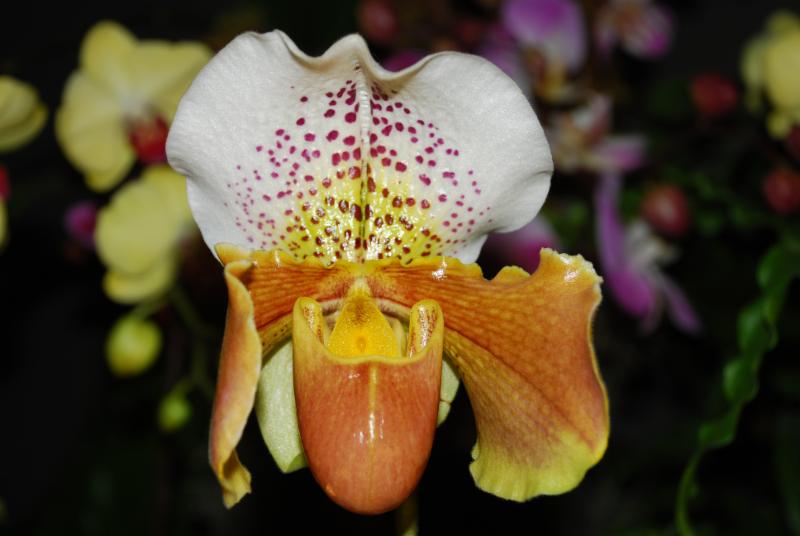
Come join the Illinois Orchid Society at its spring show and sale. Individual orchids in 128 classes will vie for ribbons. Entries will receive "best of class" green ribbons, and the best-appointed plant in the show will receive the Chicago Horticultural Society Award from the American Orchid Society judges. Fourteen displays of orchids will be artistically arranged, and repotting services will be available.
Fee: Free*
Chicago Botanic Garden, 1000 Lake Cook Rd., Glencoe
Saturday, March 12 - Sunday, March 20
Chicago Flower & Garden Show
Enjoy indoor landscapes and gardens, educational programming-gardening seminars and cooking demonstrations, and a vendor marketplace. The Chicago Botanic Garden will provide educational opportunities at the Chicago Flower & Garden Show held at Navy Pier. See our schedule on this page for demonstration times on the Gardening Live stage.
To view the entire schedule of events or purchase tickets, click here.
Navy Pier, Chicago
Sunday, March 17
Post-Orchid Show Plant Sale
10:00 am - Noon - CBG Garden Plus Members only
Noon - 2:00 pm - CBG Garden Members (all levels)
2:00 - 4:00 pm - Open to the public
Fee: Free*
Chicago Botanic Garden, Regenstein Hall, 1000 Lake Cook Rd., Glencoe
Saturday, March 19, 11:30 am
"Top Annuals for 2016" Lecture
Thinking about adding something new and exciting to your garden? Red's has invited local plant specialists to talk about what's new for this coming year
Fee: Free
Pre-registration required. Call (847)-272-1209 or email reds@redsgardencenter.com.
Red's Garden Center, 3460 Dundee Road, Northbrook
March 19-20, Noon-4:30 pm
Northern Illinois Gesneriad Society Show & Sale
Explore the world of this beautiful indoor plant family, which includes lipstick plant, primrose, and African violets. The show features rare plants, artistic and educational entries, and a sale offering growing supplies and many unusual and difficult-to-find varieties.
Fee: Free*
Chicago Botanic Garden, 1000 Lake Cook Rd., Glencoe
Sunday, April 3, 1:00-4:00 pm
Midwest Fruit Explorers Grafting Workshop
The Midwest Fruit Explorers present this hands-on workshop with step-by-step instructions on how to graft and care for fruit trees. The best varieties for the Midwest will be available, including apple, pear, and plum trees. MidFEx members will be on hand to guide visitors to select the right tree for the right location. After purchasing root stock, visitors can follow the demonstration and leave with one or more trees ready to plant in the ground.
Pre-registration not required.
Chicago Botanic Garden, 1000 Lake Cook Rd., Glencoe
April 15-17, 10:00 am-5:00 pm daily
Antique, Garden & Design Show
Insiders know that spring is officially here when the Antiques, Garden & Design Show opens at the Chicago Botanic Garden. The Show promises to inspire stylish living, while offering beautiful gardens and objects in a way that transcends the ordinary. Multiple indoor gardens designed by Craig Bergmann Landscape Design will accentuate the Show this year.
Tickets can be purchased at the door or by clicking here.
Chicago Botanic Garden, 1000 Lake Cook Rd., Glencoe
May 7-October 30, 10:00 am-5:00 pm daily
Model Railway Garden - Landmarks of America
The 7,500-square-foot Model Railroad Garden features trains running on 1,600 feet of track. The garden-scale trains are 1/29th the size of life-size trains, traversing high and low through tunnels, across bridges, and around buildings. All are intricately handcrafted with natural materials, including twigs, bark, leaves, acorns, and pebbles. More than 5,000 tiny trees, shrubs, groundcovers, and flowering plants of close to 300 varieties re-create the topographical landscape of America.
Tickets are required and can be purchased at the Railway Garden gate.
Chicago Botanic Garden, 1000 Lake Cook Rd., Glencoe
* Chicago Botanic Garden charges a $20 parking fee for non-members
|
|
|
Beyond The Garden Gate
McHenry County Gardenfest 2016
Saturday, April 9, 2016, from 7:30 a.m. to 3:45 p.m.
Presented by University of Illinois Extension McHenry County Master Gardeners
and McHenry County College
Cost: $45, includes lunch
∞ Suitable for gardeners of all skill levels.
∞ More than 30 breakout sessions will be held within four segments throughout the day.
∞ Dozens of exhibitors will sell books and garden-related products as well as give demonstrations.
∞ Registration begins Feb. 15. Download registration forms and workshop descriptions at
mchenry.edu/gardenfest. The registration deadline is March 29. After this date, registration is only accepted onsite on the day of the conference for an additional $5 fee (space is limited; first come, first served).
∞ ∞ ∞ ∞ ∞ ∞ ∞ ∞ ∞ ∞ ∞ ∞
GCI Gardening Studies School
Do you want to become a better gardener? Do you want to know more about plant materials and how they grow? Then, Gardening Studies courses are for you.
The GCI Gardening Studies courses are designed for members and other interested persons to become accomplished horticulturists. These courses are especially valuable for anyone who wants to improve their gardening skills and learn the "nuts and bolts" of home gardening success. Instructors are accredited and academically associated with a horticulture, botany, biology or comparable department of a college or university, a County Agriculture Agent, and/or be a horticulture professional who is a specialist in their field.
April 20 - 21
Course I, Series 23
College of DuPage
Glen Ellyn, IL
For more information, click here.
|
|
OUR CAPITAL'S MAJESTIC CHERRY BLOSSOMS
By Cheryl Anderson
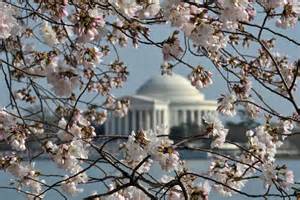
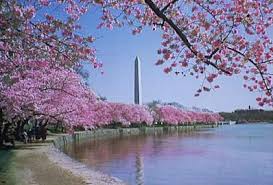
It's that time of year when the spectacular display of the cherry blossom trees in Washington, D.C. herald in the beginning of spring, bursting with color. I have vivid childhood memories of Washington when it turns into a fairyland of color and glory. I remember walking beneath the trees with petals fluttering down around me. Magical!
The average cherry blossom lasts four to ten days, and the entire flowering period lasts approximately ten to eighteen days. The only thing that can dampen the cherry blossom spectacle is inclement weather. If there is a lot of rain or wind when the delicate cherry blossoms (sakura in Japanese) are in full bloom.....weather always wins the battle. There is a fragility to spring.
The history of how the cherry trees came to be in Washington is a poignant example of diplomatic diplomacy. They remind us of the friendship between two countries -- the U.S. and Japan. Making it a reality was, in part, due to the perseverance of two ladies, Eliza Ruhama Skidmore and Helen Taft, wife of President William Howard Taft.
Eliza Skidmore, the first female board member of the National Geographic Society, visited Japan in 1885. Upon her return, she reached out to the U. S. Army Superintendent of the Office of Public Buildings and Grounds proposing that cherry trees be planted along the reclaimed Potomac waterfront. But her original efforts were to no avail. For the next twenty-four years, she made the same proposal to every new superintendent, and her idea was always rejected. In 1909, she decided to raise the money to purchase the cherry trees herself. During the course of her efforts, she outlined her plan to First Lady Helen Taft. Having lived in Japan, Helen was familiar with the beauty of the flowering cherry tree. Much to Eliza's surprise, the First Lady responded two days later in favor of the idea, suggesting that there be an avenue of them on the Speedway.
Enter Dr. Jokichi Takamine, who happened to be in Washington with Mr. Midzuno, Japanese consul in New York. Jokichi heard of Mrs. Taft's letter to Eliza. The idea of donating 2,000 additional Japanese cherry trees to "fill out the area" was posed to Midzuno. He thought it was a good idea, Mrs. Taft accepted the offer and the donation was given in the name of the City of Tokyo. These first trees arrived in Washington, D.C. on January 6, 1910. Sadly, they were infested with insects and nematodes. The Department of Agriculture decided they must be destroyed to protect American growers. President Taft agreed and granted his consent to burn the trees on January 28, 1910.
This "diplomatic setback" was soon met with an offer from Tokyo Mayor Yukio Ozaki to donate 3,020 cherry trees. The scions of these trees were taken in December 1910 "from the famous collection along the bank of the Arakawa River in Adachi Ward, a suburb of Tokyo" and grafted onto under stock that was produced in Itami City, Hyogo Prefecture to send to Washington.
Those 3,020 cherry trees arrived in Washington, D.C. on March 26, 1912. The predominant variety among the twelve varieties in the collection was 1,800 Somei-Yoshino. Two trees were ceremoniously planted on the northern bank of the Tidal Basin by Viscountess Chinda and First Lady Helen Taft on March 27. The two original trees still stand a few hundred yards west of the John Paul Jones Memorial. A large bronze plaque, close by, commemorates the occasion.
In 1954, when the Arakawa River cherry tree grove fell into decline, the U.S. National Park Service shipped budwood from descendants of the same trees back to Tokyo in order that the original site in Japan might be restored.
The first Cherry Blossom Festival was celebrated in Washington DC in 1935. The dates of this year's National Cherry Blossom Festival are March 20 to April 27. The lighting of the over 300- year-old granite lantern, given to the city of Washington by Japan in 1954, marks the official opening of the festival. The cherry blossom has long been a symbol of friendship, as well as the fragility of spring.
The National Cherry Blossom Festival is a beautiful time of year to share our Nation's capitol with children. There will be kite flying competitions, demonstrations and kite-making activities on the grounds of the Washington Monument on April 2. There are walking tours, bus tours and biking tours...and many, many other activities. All in celebration of the friendship forged between two countries 104 years ago.
|
|
GCA 2016 Annual Meeting - Minneapolis, MN
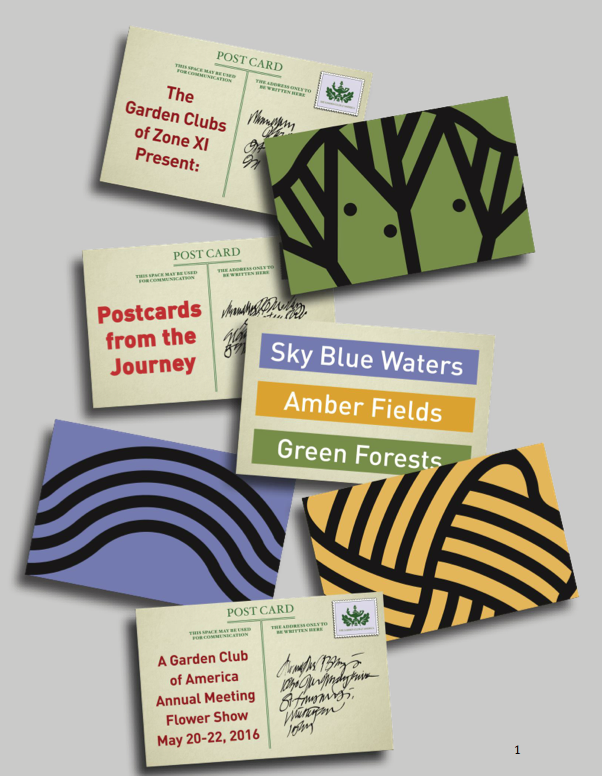
The 2016 Annual Meeting, to be held in Minneapolis, MN, will feature a full Flower Show entitled
"Postcards from the Journey -- Sky Blue Waters - Amber Waves - Green Forests". Since the meeting will be held in a Zone XI locale, they have created three classes exclusively for members of Zone XI clubs to showcase their talents in Floral Design, Horticulture and Photography. While the schedule is still being finalized, you can get a sneak peak by clicking on the link below.
|
Good News Travels Fast...
We have a new member!! Hopefully, everyone who attended the February meeting had the opportunity to welcome Kelly Chestnut to KGC. Kelly is a Kenilworth resident, an involved member of the community and will be a great addition to KGC! If you didn't meet her at our last meeting, look for her in March and introduce yourself. You'll be glad you did!
|
|
|
Silas Keehn, aged 85, passed away on February 13, 2016. Husband to Marcia Keehn (KGC member since 1983) and father-in-law to Stephanie Keehn, Silas was a devoted family man and a respected leader in Chicago's business and civic communities.
A memorial service celebrating his life will be held at
Kenilworth Union Church, 211 Kenilworth Avenue, Kenilworth, on Saturday, April 2, 2016 at 11:00 AM. In lieu of flowers, donations can be made to the
Keehn Prize Scholarship at Hamilton College.
To view the Chicago Tribune obituary in its entirety, click
here.
|
|
AND SPECIAL THANKS TO...
Tina Rice for hosting the February meeting in her lovely home;
Diane Phillips, Kathy Elmer and Beth Glass for serving as hostesses for the February meeting;
Shelley Galloway for putting together the very fun and informative and Ikebana workshop; and
Lenore Macdonald for chairing the Bylaws Committee and bringing the revision to fruition.
|
To submit material for inclusion in the Kenilworth Garden Club newsletter, please contact:
sdeluca13@yahoo.com
|
|
|
|