|
|
 |
January/February 2016
Newsletter
|
|
|
|
|
|
|
|
From Our President
I had to be a mom today...not a garden club president. You know the drill - "Life happens" and all that. Change gears. Do what you have to do; the rest will have to wait. (Stacey had to wait, again...for this note!)
We all have a lot of things vying for our time and attention and energy these days. We can all count many things we have to be to many people in our lives. We are wives, mothers, daughters, grandmothers, sisters, aunts, friends, volunteers, employees or even bosses...so many things to so many people.
Those are our titles, and our lists are long. But consider this: within each of those titles we have various (sometimes many and often diverse!) roles to play, too. As the daughter of an older parent, you might be called on to be a companion, a driver, a caregiver, a secretary at doctors' appointments, an "errand boy," a cook, a financial counselor, etc. You get the idea. We wear a lot of hats.
Where does "KGC member" fit into the busy mix? In different places for each of us, I would say. And in different ways from year to year, depending on what is going on in our lives and what we have committed to do within the club.
Did I mention this is nominating season? You know, "Just Say Yes" season?
We are of course always grateful when a member takes on a Board position. The Board is the engine of the club. But I hope that each of you can take a minute to think about what role you can play within the club this year, with or without an official title. The two don't have to be (and often aren't) correlated. Each one of you has something to give, to share with others. Please think about where you could have a positive impact, even if it is with just one member. Even the little things help raise all of us up.
Try it!
Stephanie
"Our lives are to be used and thus to be lived as fully as possible, and truly it seems that we are never so alive as when we concern ourselves with other people."
- Harry Chapin ________________________________________________________________________
|
|
|
|
|
|
Tuesday, February 16th
Preliminary Nominating Slate Due
10:45 a.m.
Kenilworth Union Church
Library
|
|
|
|
|
KGC February Meeting
James Rowan, Photographer & Naturalist
"Exploring Americas National Parks -
the Preservation of Unique Ecosystems"
Drawing on his vast collection of stunning photographs, James Rowan will teach us about the history and
distinct ecosystems of the United States' most treasured National Parks.
Wednesday, February 17th
9:30 am
Home of Tina Rice,
2408 Elmwood Rd., Wilmette
|
|
|
|
KGC HOSTS ANNUAL MEETING OF COMBINED
KENILWORTH GARDEN CLUBS
|
|
|
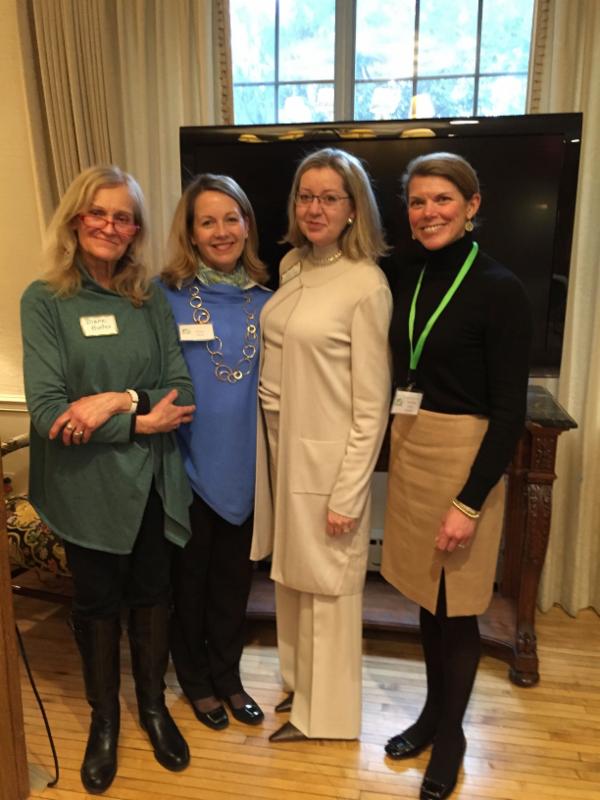
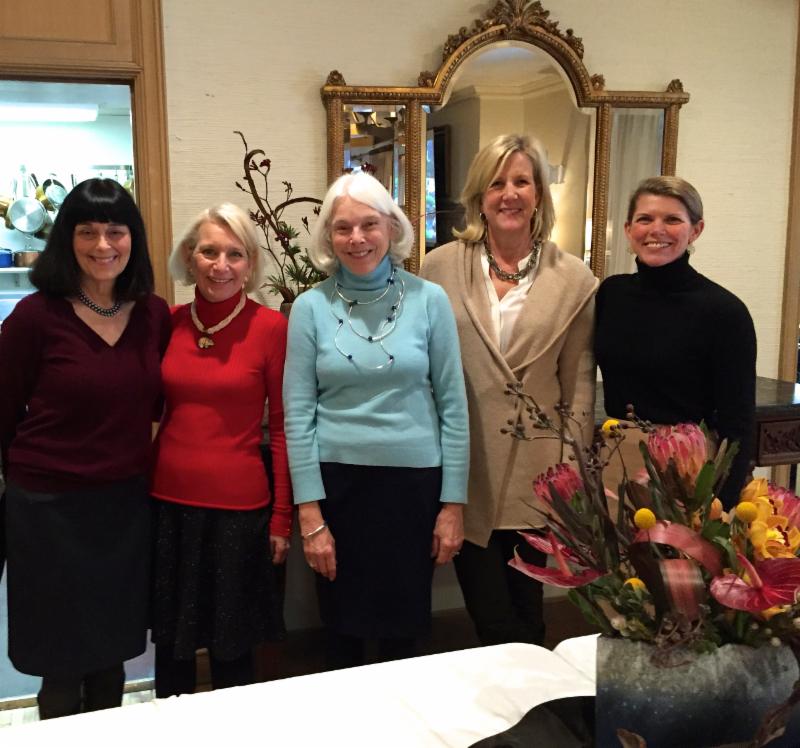
(L-R) Guest speaker Diane Hunter, Marty Shaw, Lois Stanley,
Stephanie Keehn
|
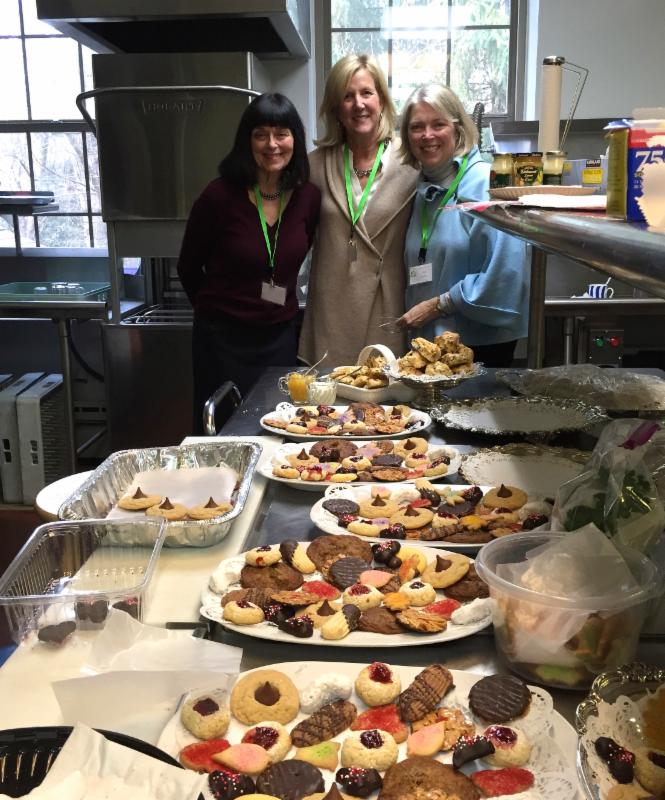
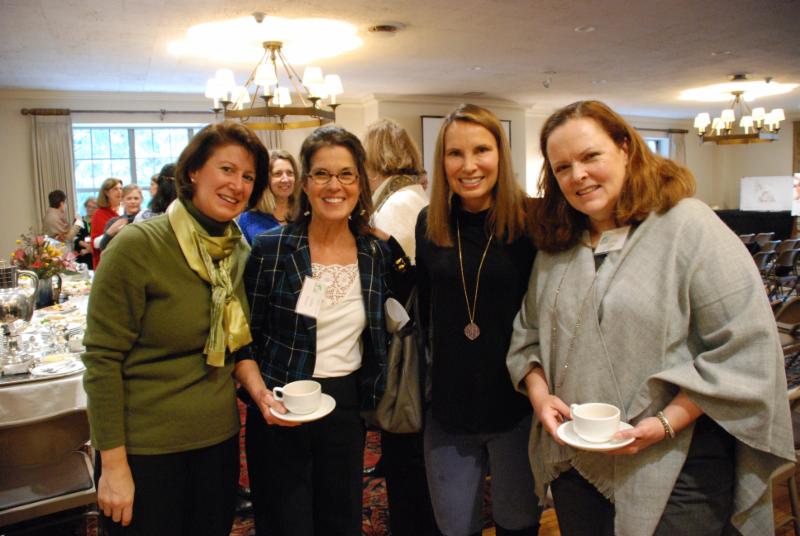
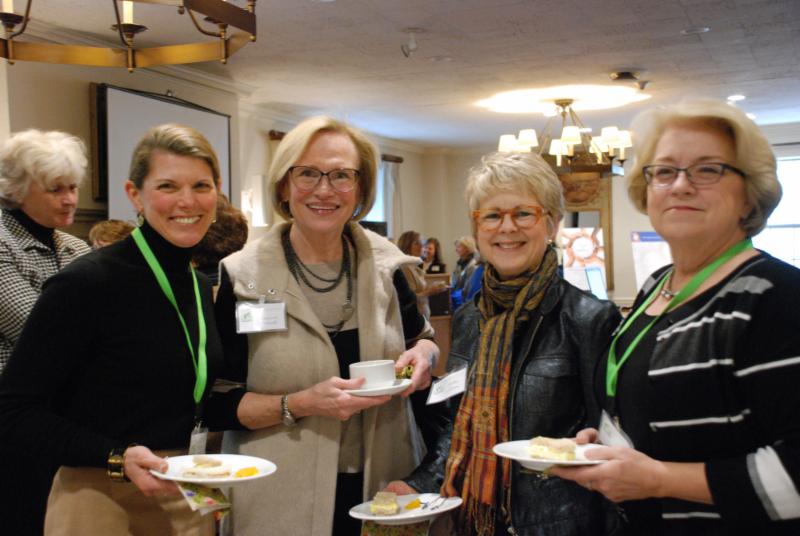
Kenilworth Garden Club was the proud host of this year's Combined Garden Clubs of Kenilworth meeting and tea, held on January 26th at Kenilworth Union Church. Members of the four local garden clubs -- including KGC, Kenilworth Clippers, Kenilworth Home & Garden, and Kenilworth Garden Arts -- came together for the annual meeting to catch-up with neighboring garden club members, swap stories and enjoy a lovely afternoon tea.
|

|
|

|
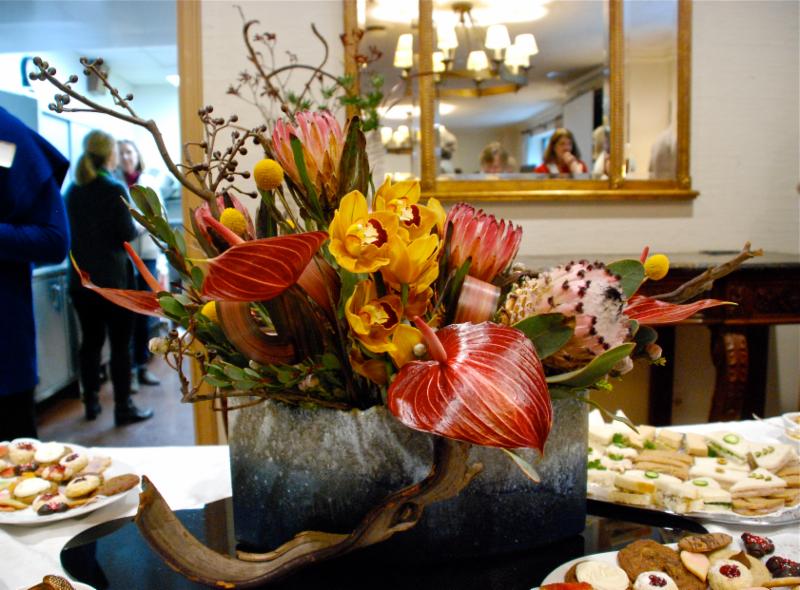
A very capable team of hostesses, including Sharon Hayes, Lenore Macdonald, Nancy Kurz, Barb McDonough, Joan Senko and Tina Rice, organized the impressive afternoon tea complete with scones, sweets and tea sandwiches provided by members of all four clubs.
After a brief introduction by Kenilworth Beautification president Lois Stanley and a summary of events and activities from each of the club presidents, guest speaker Diane Hunter
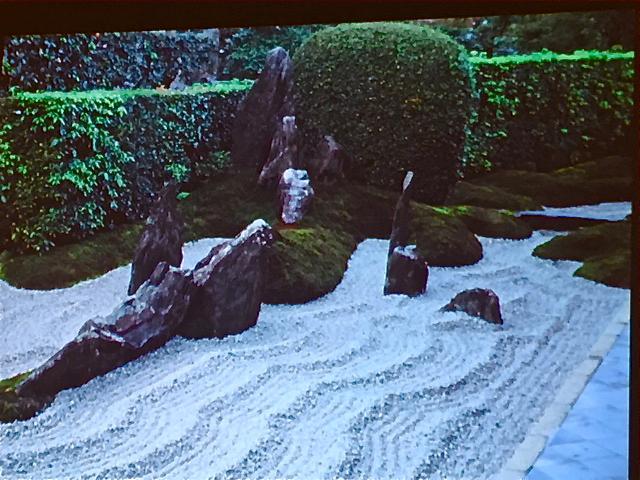
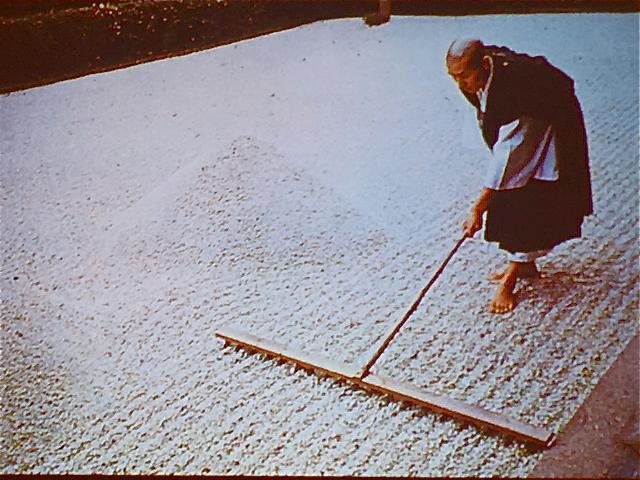
presented "The Beauty of the Japanese Garden." Through images and commentary, Diane took the ladies on a sinuous journey, explaining the significance and the intention of these lovely gardens, focusing predominantly on the meditative and restorative aspects.
Japanese gardens are deeply rooted in history and tradition, she taught us. For thousands of years, Buddhist monks have studied and trained to create these magnificent gardens in the revered, time-honored style of their esteemed predecessors. "Early Japanese designers -- 1,500 years ago -- created gardens as places where we can experience the most profound personal insights about our lives," explained Diane. The traditional designs "promote inner peace and serenity. It's a special place to focus on the beauty in that particular moment," she continued.
Even the smallest detail of a Japanese garden is purposeful and meaningful. A bridge, for example, represents the connection between two worlds - the other side is mystery. In another example, Diane described a "sitting garden" in which there were fourteen stones, but one of the stones was always just out of sight, no matter where you positioned yourself, causing you to ponder and wonder.
|
|
In Japanese garden design, the constant transformation of natural elements represents impermanence and change. Diane relayed a story about a Buddhist monk who sat in meditation in the same spot of the same garden every day for 20 years. By doing so, he witnessed the slightest changes in the garden at different times of day and in different light, month by month and year by year. Observing the passing of time, he was able to contemplate his own insignificance in the world and gain greater humility.
|
|
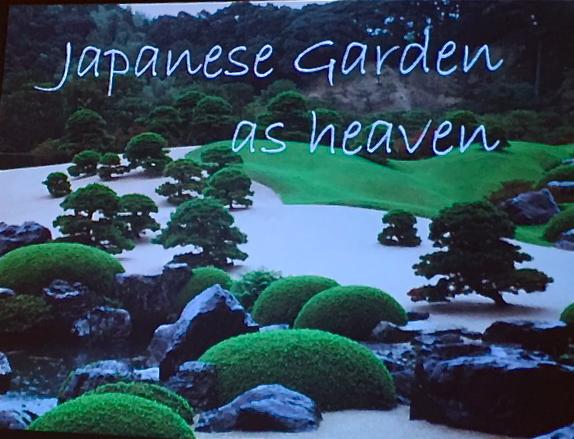
At the January 26th Combined Meeting of Kenilworth Garden Clubs, presenter Diane Hunter revealed that, aside from their obvious beauty, Japanese gardens are traditionally designed to promote inner peace and serenity. They are to be a place to clear one's mind, using all of the senses -- in particular sight, smell and sound (silence, trickling water, rustling leaves) -- to examine one's thoughts and ponder one's place in that moment.
Every element of the Japanese garden is deliberately planned to create an atmosphere conducive of meditation. Most Japanese gardens incorporate four distinct elements to create that serene atmosphere:
stones, water, distinct plant materials and color.
Water: Water, whether real or imagined, can enhance the feeling of calm."While viewers imagine water, they're free of worry. Their brain gets a rest and that can be called meditation."
Plants: Harmonius placement. Japanese gardens use plants that look unusual or show special character - such as ornamental grasses, evergreens and deciduous trees like Japanese maples - to suggest a metaphor for meditation.
Color: Use it sparingly. Bold color is rarely used and comes only from seasonal changes in perennials and shrubs, such as hydrangea. To create a calm and peaceful setting, Japanese gardens rely on texture and structure instead of color.
Stones: Shape, color and personality. In a traditional Japanese garden, stones carry specific meanings, so placement of each is crucial. Smaller rocks at the back of a garden and larger ones in the foreground create the illusion of distance. Larger rocks can represent strength when placed vertically or passivity when horizontal.
|
|
KGC Horticulture Workshop Created a Buzz!
The Horticulture of the Vine: Part II:
It's Not Only What You Grow, But Where You Grow It
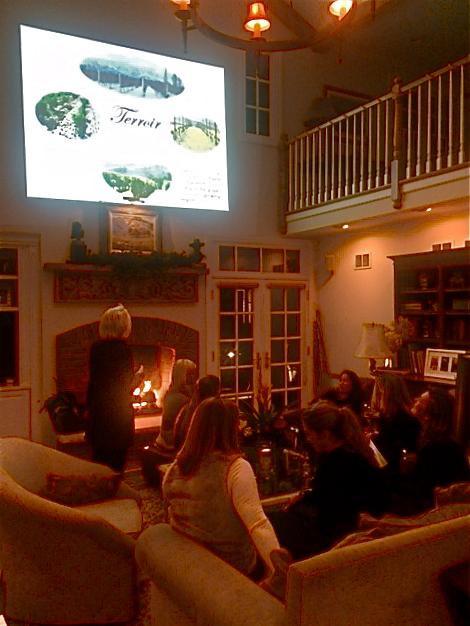
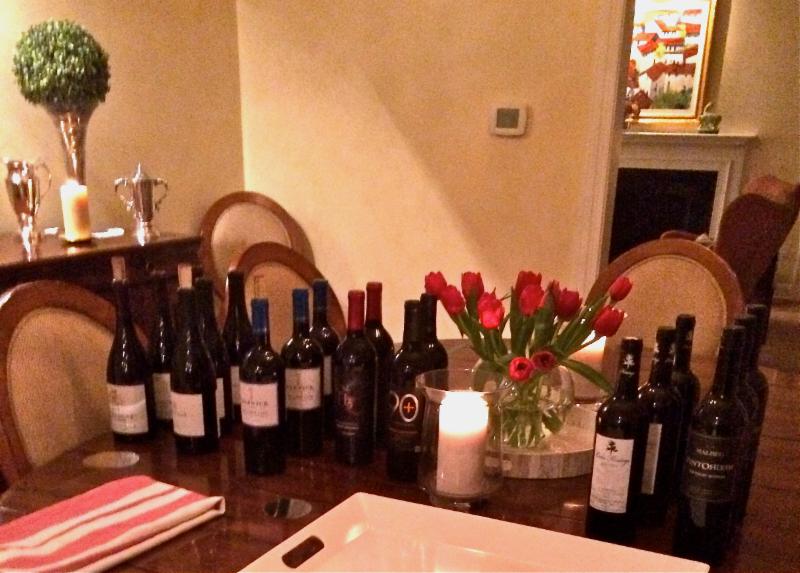
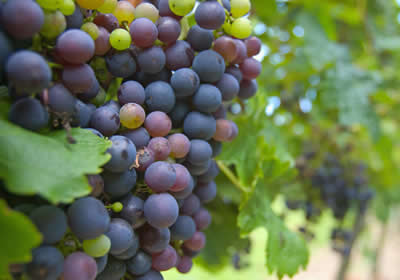
Once again, KGC member Lenore Macdonald created a buzz about Hort with her engaging and informational presentation on the Horticulture of the Vine. The second in a three-part series, this year's lecture focused on the impact of site on a plant's growth and maturity, while using red wines to illustrate the differences.
§ § § § § § § § § § § § §
The KGC Horticulture Committee is blazing new ground and looking at horticulture in new ways. It presented its annual Horticulture Workshop featuring the second segment --
The Horticulture of the Vine: Location, Location, Location.
Lenore Macdonald built on last year's session, covering the vitis itself and explaining what constitutes good growing conditions for the various vitis vinifera varieties. She included concepts like climate (temperature, sun, heat, wind, moisture, fog, cloud cover, humidity), soil (depth, fertility, mineral content, drainage, heat retention and acidity), terrain, rainfall, geomorphology, latitude, elevation, other plants growing around the vines, length of growing season, and other things that impact the plant and its fruit's development.
The presentation also explored the concept of terroir and its importance. Various growing regions around the world were highlighted with close attention to their respective site characteristics. Finally, various vineyards around the world which grow the same vitis vinifera variety were compared and contrasted. To help illustrate the impact of these myriad variables on the fruit, three vitis vinifera varieties from two to three different parts of the world were tasted. We left no hemisphere untouched and were struck by the differences.
The Horticulture Committee strives to make difficult horticultural concepts and consider- ations easier to understand. We also share our horticulture knowledge with the community and were pleased to welcome guests at this workshop.
We once again learned a lot about horticulture on January 29th, while also enjoying a fruitful evening!
Plan to join us again at next year's workshop -- The Horticulture of the Vine: The Human Touch -- where we will be looking at various ways in which homo sapiens have manipulated vitis vinifera (and almost all flora), its growing conditions and processing to improve the fruit flavor, yields, and much more. Please watch your inbox for the Evite!
|
|

UPCOMING KGC DATES
Mark the following dates on your calendar for these exciting upcoming
Kenilworth Garden Club events and activities!!
KGC February Meeting -- James Rowan, Photographer & Naturalist
Wednesday, February 17; 9:30 am --
Home of Tina Rice, 2408 Elmwood Rd., Wilmette
KGC March Meeting --
Director of Horticulture, Lincoln Park Zoo
Wednesday, March 16, 7:00 pm -- Home of Beth Glass,18 Meadowview Dr., Northfield
KGC April Meeting --
Tish Robinson, "The Wonders of France"
Wednesday, April 13, 9:30 am - Home of Terri Lorenz, 2326 Iroquois, Wilmette
HOLD THE DATE -- KGC Spring Benefit 2016
Thursday, April 21st
(Please be respectful and RSVP for all KGC meetings and events. Thank you!)
 (COPY & PRINT THIS PAGE, SO YOU DON'T MISS A THING!)
|
|
|
|
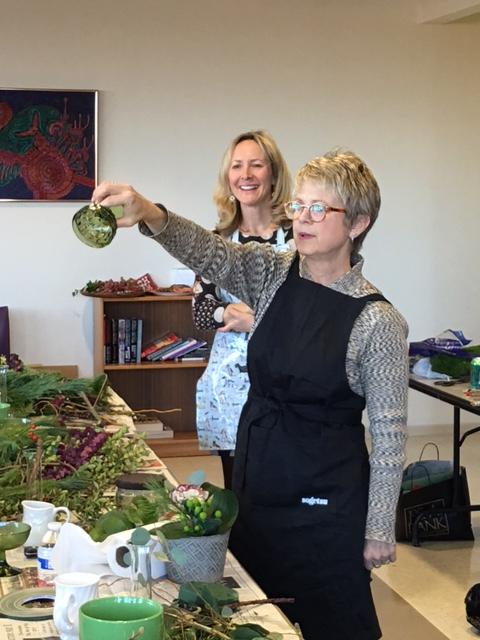
"My Path to Ikebana" by Shelley Galloway
Tuesday, February 9
9:30 am
Nielson Tennis Center, Community Room
530 Hibbard Road, Winnetka
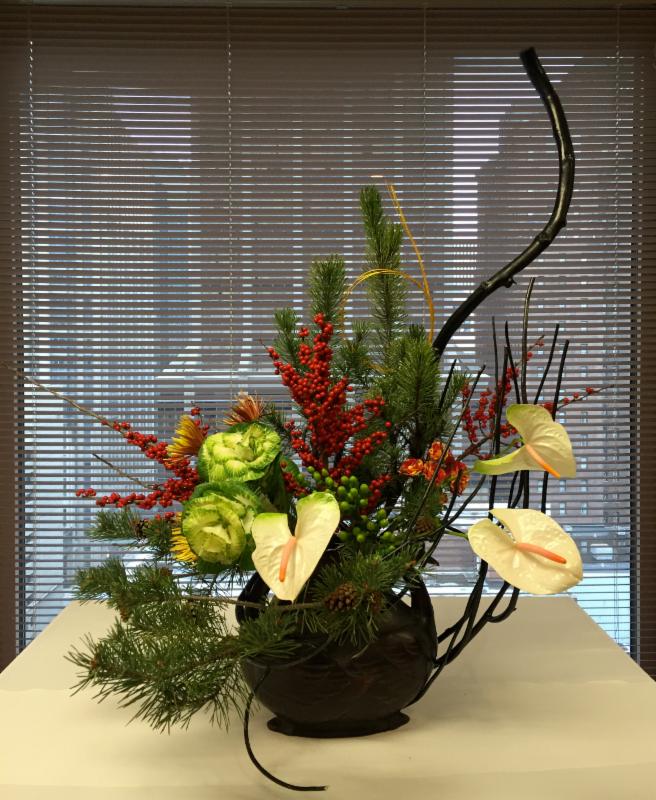
Learn about the history of Ikebana, what drew Shelley into her study of Ikebana, why it has become a pilgrimage of sorts and why Japan and its culture now add a layer of almost "spiritual" significance to her study of floral design.
Shelley will demonstrate several floral arrangements to illustrate Japanese cultural terms of personal significance to her. Learn about "wabi-sabi",
"ma" and "tenai". And create your own traditional upright arrangement to take home!
Cost: $15/person, includes materials.
Bring clippers, a low container and a kenzan/frog, if you have one.
|
RSVP here by February 6th.
***Shelley will be teaching a class of similar content to the Ikebana International Chapter in Milwaukee on March 9th.***
|
|
2015-16 KGC FLORAL DESIGN WORKSHOPS
IKEBANA WORKSHOP -- FEBRUARY 9
SOS TUNE-UP LEAD BY GINNY NOYES -- MARCH
IN-HOUSE FLOWER SHOW -- MAY
For questions or to sign up for any floral workshop, contact Shelley at:
flowergenius@gmail.com
|
"Artistic Forms" Floral Design Class
|
|
Exotics vs. Natives
Beyond trying to use more energy-efficient products and less gas, we can attempt to use plants that are native to the Midwest, plants whose natural habitat is our native ecosystem. We have many non-native plants in our gardens and many of those plants do not cause problems, are not invasive. Our own Ware Garden is trying to encourage native plants.
However, English ivy, purple loosestrife, oriental bittersweet, and honeysuckle are invasive and are plants that will probably thrive with global warming. The following native species might be a better alternative for your garden:
Wood fern, white woodland aster, Meehan's mint, and creeping phlox could replace the ivy. Purple coneflower, gay feather and blazing star might bring the same color and structure as loosestrife. American bittersweet and Virginia rose over Oriental bittersweet. American wisteria, trumpet honeysuckle and purple passion flower are alternatives to the Japanese honeysuckle.
-- Conservation Chair, Karin Balsbaugh
|
|
|

GCA NEWS
All KGC members should have received the Winter 2016 issue of "The Bulletin" in the mail. As always, there are some incredibly informative articles, including:
- A wonderful interview with the delightful Shirley Meneice (of Shirley Meneice Horticulture Conference fame), page16
- Detailed descriptions and lots of photos of the three finalists for the Founders Fund Award (we will all vote on this in the coming weeks, so choose your favorite!), page 22
- Fun facts about Lulu Lubbers, our Zone Director, page 37
- "Where are the Pollinators in Winter?", page 49
- A write-up (and large photo) of our Zone Meeting, page 57
The Bulletin is a fabulous resource and an engaging read, so take a look. If you did not receive a copy, contact Stephanie to be added to the mailing list.
|
|
|
|
RECIPE OF THE MONTH
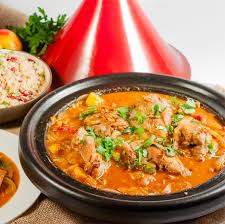
Slow Cooker Moroccan-Spiced Chicken Thighs with Couscous
Excerpt from Real Simple Magazine
The long, cold Chicago winter calls for a warm, slow-cooked meal. I happen to love the complex, yet subtle flavors of Moroccan food. I use a tagine, but you can get the same results from a slow cooker, such as a Crock Pot or a Dutch oven.
Ingredients
1
teaspoon ground cumin
1
teaspoon ground coriander
¾
teaspoon cinnamon
Kosher salt and black pepper
1½
pounds boneless, skinless chicken thighs
1
14.5-ounce can diced tomatoes, drained
1
pound large carrots, cut into 1-inch pieces
⅓
cup pitted black olives
1
cup whole-wheat couscous
Fresh cilantro, for serving
Directions
- Mix the cumin, coriander, cinnamon, and 1 teaspoon each salt and pepper in a 4- to 6-quart slow cooker. Add the chicken and toss to coat in the spice mixture. Add the tomatoes, carrots, and olives.
- Cover and cook on low for 6-7 hours or on high for 3-4 hours, until the chicken is tender. Shred the meat and return it to the liquid with the vegetables.
- Ten minutes before serving, prepare the couscous according to the package directions. (I prefer Israeli couscous, also known as pearl couscous, over the traditional, finely milled couscous.)
- Serve the chicken and vegetables over the couscous, topped with the cilantro.
Note: Although this recipe doesn't call for fruit, many Moroccan tagines incorporate a fruit element. To add complexity to this dish, use dried apricots, figs or dates. They will break down during the cooking process and infuse the chicken with a subtle sweetness.
Click
here to print the above
Real Simple recipe.
§ § § § § § § § § § § § § § §
Click
here for more delicious chicken, lamb and vegetarian tagine recipes incorporating Zen of Slow Cooking spice bundles (see below)
|
|
The concept of slow cooking is intended to simplify the food preparation process and ultimately result in a delicious family meal. However, some slow-cooker recipes call for a multitude of ingredients that you may not have handy in your cupboard.
Relax, take a deep breath and prepare to cook simple, delicious meals with the help of
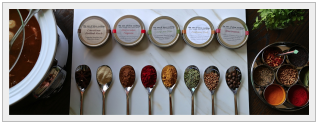
The Zen of Slow Cooking spice blends. They have taken all of the guess work out of the process by creating custom organic spice blends to enhance and simplify the slow-cooking experience. Their Zen blend repertoire includes whole spice infusions for Coq au Vin, Daube Provencal, Moroccan Tagine and Marinara, as well as ground spice blends for Carolina Pulled Pork, Indian Daal, Southwest Fiesta and Sweet and Spicy.
Each blend is neatly packaged in a "natural fiber tea bag making this innovative and unique product ideally designed for slow cooking. Each bag contains a mix of organic whole spices and herbs whose natural essential oils release their flavors optimally over the long, slow cooking period in a slow cooker or Crock Pot."
- a simple recipe using whole foods prepared in 20 minutes or less
- a shopping list conveniently located on the back of each tin
- a little inspiration for the home cook
- a contribution to our Drishti Donation
Click here for delicious chicken, lamb and vegetarian tagine recipes incorporating Zen of Slow Cooking spice bundles.
|
|
|
|
|
MEMBER SPOTLIGHT
Each month, we feature a different KGC member. This month, the spotlight is on
Kirsten Rider.

Why did you join KGC? In what year?
I joined KGC in 2014 to learn more about creating beautiful floral arrangements and to meet new friends who shared that interest.
What is your favorite KGC moment?
My favorite KGC moment was arranging flowers for hospice patients. Not only did it feel good to bring beauty to sick patients, but I also enjoyed seeing what the other members created.
What are your interests outside of KGC?
I love to cook and entertain friends at home - just wish I had more time to do that! My mentor is Ina Garten because I love her effortless style of cooking.
What is your favorite gardening/flower arranging tool?
My favorite gardening/flower arranging tool is my pair of Joyce Chen scissors.
Tell us something we may not know about you.
I am up for any type of adventure, and I love trying new things.
|
|
|
FOCUS ON PHOTOGRAPHY
The winter issue of
Focus, the GCA online photography magazine, was recently released. It contains some beautiful images and interesting articles and features outstanding photos from the Best of Show, GCA Novice Award, and GCA Certificate of Excellence winners from recent shows. Take a moment to take a look and be awed:
∞ ∞ ∞ ∞ ∞ ∞ ∞ ∞ ∞ ∞ ∞
Upcoming Photography Opportunities
with Jack Carlson
If you attended last year's KGC Photography workshop at Chicago Botanic Garden, you likely remember our wonderful instructor, Jack Carlson. Jack is one of CBG's talented in-house photographers, and he is offering a selection of instructive, hands-on classes throughout the winter and spring months, including
Beginning Digital Photography (March 30/April 2), Photographing Orchids (Feb. 22), Spring Photography at Malott Japanese Islands (March 13), and
Photographing in Natural Light (April 21). Jack is a patient and encouraging teacher, and I highly recommend his classes. To learn more about the classes and the dates, go to his website at
http://www.jackcarlsonphotos.com/. His classes fill up quickly, so don't wait!
-- Stacey De Luca, Photography Chair
|
|
|
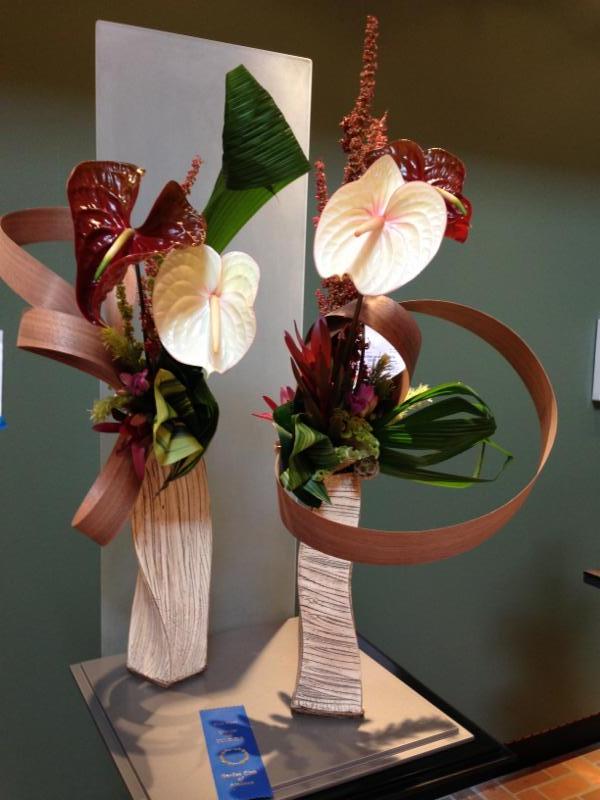
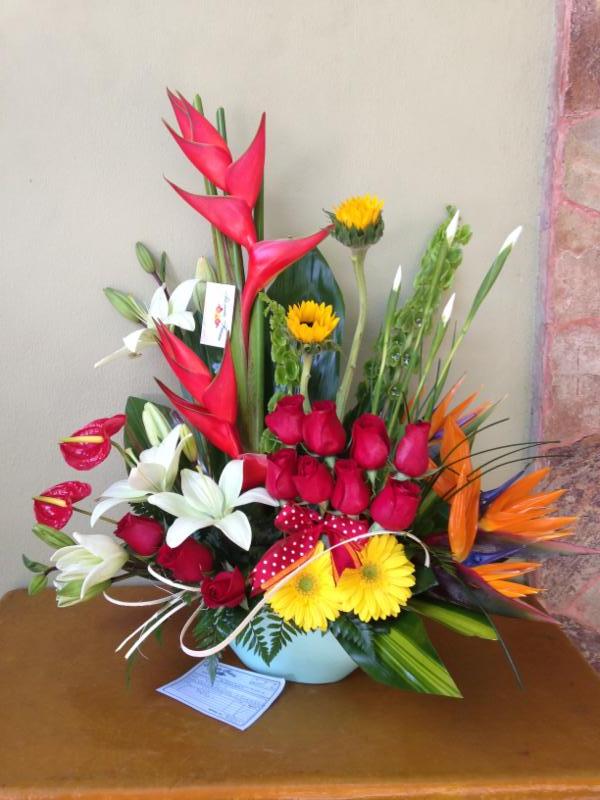
While on vacation in Puerto Vallarta, Joan Dodson snapped this stunning floral arrangement ready to be delivered to a luckt recipient.
Price? 500 pesos (or approximately $30!)
Whether you find a great shot on vacation or in your own back yard, send your photos to Stacey at
sdeluca13@yahoo.com.
|
|
|

In this column, we will share pertinent information about the Village of Kenilworth for residents who may have missed it or for non-residents who may just be interested.
Water Quality Standards in Kenilworth
Water quality has been a recent topic of many conversations. The Village of Kenilworth uses a multi-tiered approach to ensure a safe water supply is available for its residents and businesses. Using the Illinois Department of Public Health's (IDPH) standards, the Village tests its supply for a number of contaminants on regular cycles.
The Village is required to meet several stringent water quality standards as mandated by the IDPH. The Village periodically tests for lead and copper levels and has never had an issue with contamination.
Did you know, to
ensure
the highest quality
of water is available to residents
,
the Village collects water samples from homes and businesses? The samples are then sent to an outside certified laboratory for testing. Ensuring residents have clean, safe drinking water is our highest priority.
|
|
|
|
Happenings Around Town
|
Sunday, January 23rd/31st, 9:30 am and 1:00 pm
Weekend Family Class: Hot Chocolate
Uncover the story of chilies and chocolates-products that come from South American plants! Examine parts of the cacao tree, learn how bitter beans make delicious desserts, and mix up several different kinds of historic chocolate drinks, even an ancient Aztec version. Take home a chocolate mint and a chocolate pepper plant to concoct your own creations.
Fee: $24/non-member child accompanied by adult
To purchase tickets, click here.
Chicago Botanic Garden, 1000 Lake Cook Rd., Glencoe
February 13-March 13, 10:00 am-4:00 pm
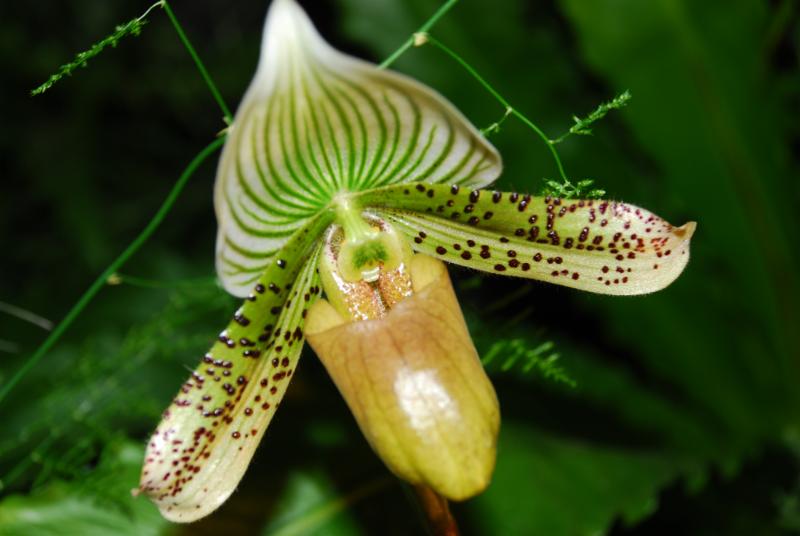
CBG Orchid Show
The Regenstein Center Greenhouses and Galleries are transformed by trees draped in orange and yellow Dendrobium, a hanging hedge of pink and purple Beallara, and vibrant Vanda in orange, red, yellow, and even blue. See more than 10,000 orchids in all. Note to selfie: bring a camera.
Fee: members/non-members $8/$10*
For tickets, click here.
Chicago Botanic Garden, Regenstein Hall, 1000 Lake Cook Rd., Glencoe
Friday, February 19th, 6:30-8:30 pm
Cocktails & Orchids
Join co-chairs Kate Fitzgerald, Jen Kasten, Jennifer Keenan, and Steffie Madigan and enjoy cocktails and hors d'oeuvres and celebrate the season with 10,000 brilliantly beautiful orchids.
Fee: $125
For tickets, click here.
Chicago Botanic Garden, Regenstein Hall, 1000 Lake Cook Rd., Glencoe
Sunday, February 28th, 2:00-3:00 pm
Seed Swap: "Epic Tomatoes for the Midwest"
Tomato expert and author of the recently published Epic Tomatoes: How to Select & Grow the Best Varieties of All Time, Craig LeHoullier shares his top growing recommendations and tips for varieties for Midwestern gardeners. He is responsible for naming, developing, and introducing many varieties, including the well-known Cherokee Purple, and recently has been involved in creating new dwarf varieties. Don't miss this opportunity to meet Craig LeHoullier and to talk tomatoes!
Fee: Free lecture; registration required, click here.
Chicago Botanic Garden, Alsdorf Auditorium, 1000 Lake Cook Rd., Glencoe
Saturday and Sunday, March 12-13, 10:00 am - 4:00 pm
Illinois Orchid Society Spring Show & Sale
Come join the Illinois Orchid Society at its spring show and sale. Individual orchids in 128 classes will vie for ribbons. Entries will receive "best of class" green ribbons, and the best-appointed plant in the show will receive the Chicago Horticultural Society Award from the American Orchid Society judges. Fourteen displays of orchids will be artistically arranged, and repotting services will be available.
Fee: Free*
Chicago Botanic Garden, 1000 Lake Cook Rd., Glencoe
Saturday, March 12 - Sunday, March 20
Chicago Flower & Garden Show
Enjoy indoor landscapes and gardens, educational programming-gardening seminars and cooking demonstrations, and a vendor marketplace. The Chicago Botanic Garden will provide educational opportunities at the Chicago Flower & Garden Show held at Navy Pier. See our schedule on this page for demonstration times on the Gardening Live stage.
To view the entire schedule of events or purchase tickets, click here.
Navy Pier, Chicago
Sunday, March 17
Post-Orchid Show Plant Sale
10:00 am - Noon - CBG Garden Plus Members only
Noon - 2:00 pm - CBG Garden Members (all levels)
2:00 - 4:00 pm - Open to the public
Fee: Free*
Chicago Botanic Garden, Regenstein Hall, 1000 Lake Cook Rd., Glencoe
* Chicago Botanic Garden charges a $20 parking fee for non-members
|
|
|
Beyond The Garden Gate
Garden Clubs of Illinois Regional Meeting
The Four Seasons Garden Club of Barrington and
The Northbrook Garden Club
Invite you to the
2016 District IX Annual Meeting & Luncheon
"Bees...Blossoms...& Butterflies"
Tuesday, March 8th
9:30 am - Registration
10:00 am - Business Meeting
Noon - Raffle, Luncheon & Program
The Cotillion
360 S. Creekside Drive, Palatine
The event will feature elections, awards, great raffle prizes, delicious lunch, floral arranging presentation and arrangements raffle.
If interested, please contact Stephanie Keehn at stephanie.keehn@gmail.com
|
|
GCA 2016 Annual Meeting - Minneapolis, MN

The 2016 Annual Meeting, to be held in Minneapolis, MN, May 19-23, will feature a full Flower Show entitled
"Postcards from the Journey -- Sky Blue Waters - Amber Waves - Green Forests". Since the meeting will be held in a Zone XI locale, they have created three classes exclusively for members of Zone XI clubs to showcase their talents in Floral Design, Horticulture and Photography. Take a look at the schedule below:
|
|
|
AND SPECIAL THANKS TO...
Cheryl Anderson and Lenore Macdonald
for all the work they did co-chairing the Kenilworth Beautification Joint Meeting! And...
- Marty Shaw
for securing and coordinating the speaker;
- Sharon Hayes, Nancy Kurz, Barbara McDonough and Joan Senko
for all of the delicious food;
- Shelley Galloway and Terri Lorenz
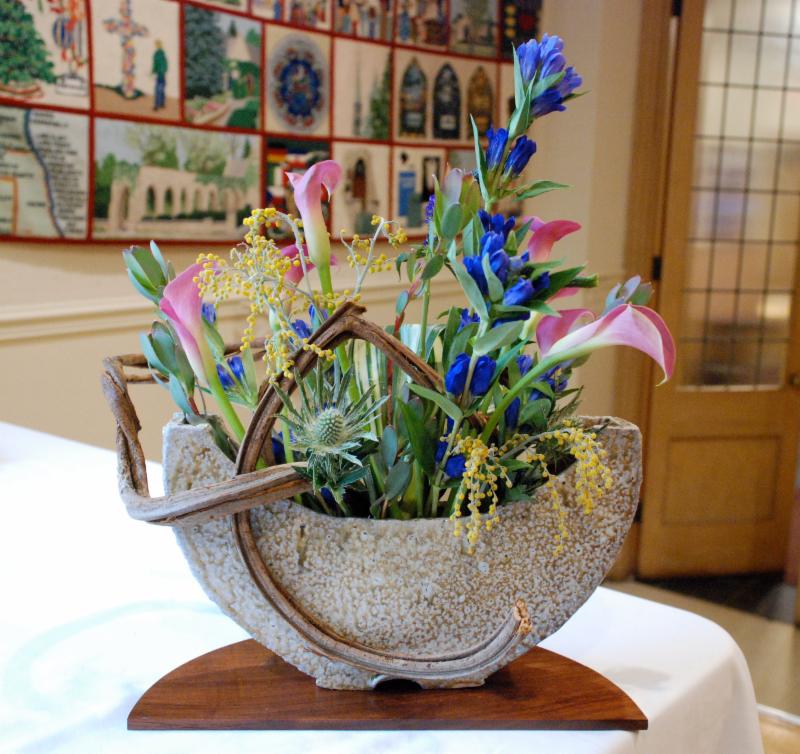
for the gorgeous flower arrangements;
- Cristy Laier
and Stacey De Luca for being cheerful greeters;
- Tina Rice and
Cristy Laier
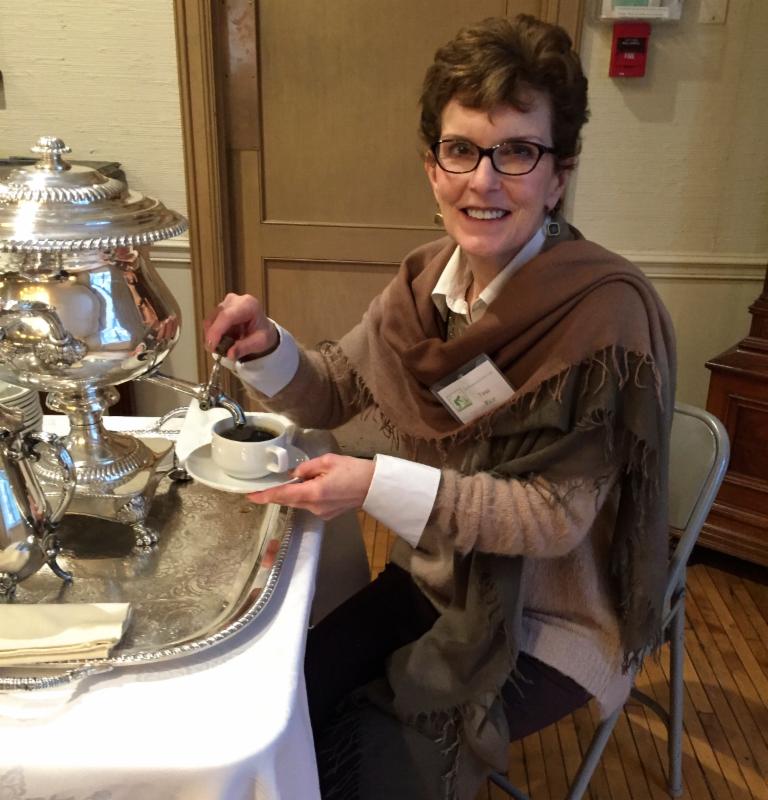
for pouring the tea and coffee.
Lenore Macdonald
for her amazing and interesting presentation on the Horticulture of the Vine and for the accompanying wine tasting.
Heather Blackwell
for hosting the Horticulture workshop at her lovely home, and Wendy Yamada and
Sharon Hayes
for serving as hostesses for the event.
|
To submit material for inclusion in the Kenilworth Garden Club newsletter, please contact:
sdeluca13@yahoo.com
|
|
|
|