Kansas E-Tips
PPI News and Events
If you have environmental compliance questions, call 1-800-578-8898 or email us. 


Let’s talk about environmental infrastructure!

As the election cycle in Kansas heats up and our airwaves are filled with seemingly never-ending ads about the issues facing our state, I’d like to draw attention to a problem that you probably haven’t heard much about. 


The situation is fairly simple -- solid waste infrastructure (landfills, transfer stations and household hazardous waste facilities), drinking water infrastructure (water treatment plants and water distribution systems) and wastewater infrastructure (wastewater treatment plants, collection systems and lift stations) are facing threats on multiple fronts. Funding, operational resources and consistent staffing are issues municipal and county managers have been facing lately.  


Unfortunately, environmental infrastructure has no voice of its own, often leaving facility managers as the only champions for their cause. I want to bring awareness to the situation and share how you can help.  


Along with stable sources of energy like electricity and natural gas, Kansas businesses need a robust environmental infrastructure to survive.  Without water to run processes, plants to treat wastewater and facilities that responsibly store solid waste, the fabric of many businesses in Kansas, both large and small, will deteriorate. This deterioration can lead to gaps in local employment, damage to local economies and, ultimately, a decline in quality of life. 


That’s why it is important for residents and business leaders to engage with city and county commissioners and share their concerns about environmental infrastructure. Local government officials need to understand the value of these essential services and the role they play in the long-term success of the communities they serve. 


I encourage you to learn more about your local environmental infrastructure and discuss it with elected officials. If you have any questions, feel free to email me anytime. 


Arthur Fink, PPI Director

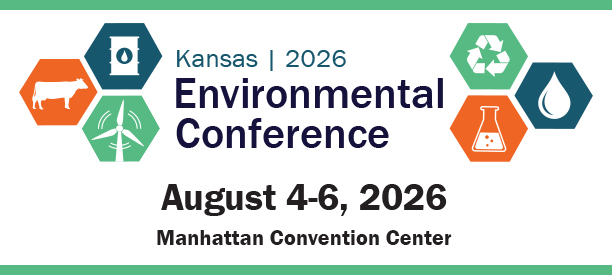
Register for the Kansas Environmental Conference


The Kansas Environmental Conference is Aug. 4-6 in Manhattan. In addition to federal and state regulation updates, KDHE is planning a variety of breakout sessions, including: 


  • KEIMS Updates
  • Prevalence of PFAS Cross-Contamination Caused by Sampling
  • AI Data Center Expansion – Environmental Impacts
  • Threatened and Endangered Species Program Updates
  • When Bugs Go Bad: A Manhattan Methane Remediation Case
  • K-State Water Institute – Water Quality and Quantity
  • PPI Green Brewery Project
  • Harmful Algal Blooms and Mats
  • Lithium-ion Battery Recycler Fire Case Study 


View the full agenda here. For more information, registration, lodging and the full event schedule, visit kdhe.ks.gov/895/Kansas-Environmental-Conference.

2026 Environmental Stewardship Awards


KDHE's Environmental Stewardship Awards recognize projects that conserve natural resources or reduce/eliminate the generation of pollutants or wastes at the source. Projects are encouraged to have one or more of these components: 


  • Quantitative environmental health impacts (workers/community).
  • The ability to be used by similar organizations throughout the state.
  • Encompass multiple processes or media. 


Need help applying? PPI is here to help. Email sbeap@k-state.edu or call 800-578-8898 for assistance.


Apply now >

Be aware of HABs and HAMs


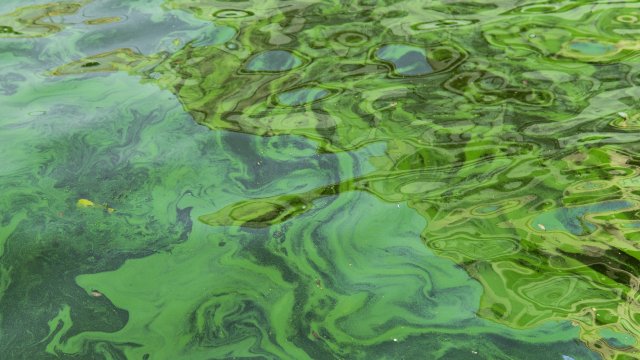
If you plan to celebrate the Fourth of July near a body of water, keep an eye out for harmful algal blooms (HABs) and harmful algal mats (HAMs). Both HABs and HAMs produce harmful toxins and odors that endanger human and animal health.


HABs generally appear as green, slimy growths that turn water cloudy. In contrast, HAMs form dense, brown or black carpet-like filaments. Be aware that waterbodies containing HAMs may remain clear, lacking the typical murky appearance of an algal bloom.


In partnership with the KDHE, PPI has developed a toolkit to provide HAB education and resources for privately owned, nonagricultural waterbodies. This includes private, homeowners' association, campground and golf course ponds. The HAB toolkit offers a variety of resources, including downloadable materials and laboratory screening resources, all tailored for smaller private waterbodies in Kansas. 


Learn more about The HAB Toolkit >

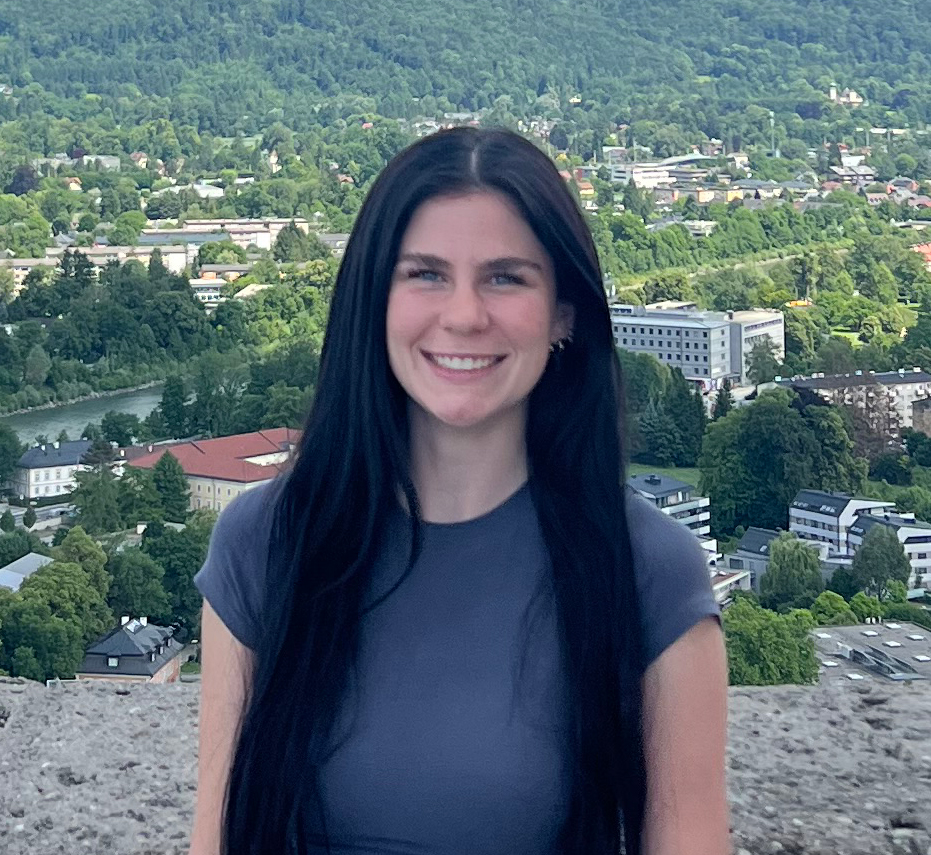
Lily Anderson joins PPI


In February, Lily Anderson joined the PPI team as a part-time student worker and assisted staff on a variety of projects. In May, she earned a degree in environmental science and has transitioned to working full time as an environmental specialist.


Lily works out of the Manhattan office and has research experience in water quality testing and water management systems. She will provide all-around support to PPI, SBEAP and the intern program. Welcome, Lily!

Upcoming events


August 4-6

Kansas Environmental Conference

Manhattan


Sept. 28

SWANA Conference

Manhattan


Oct. 15-18

KDOL Conference

Wichita


Nov. 9-10

Governor’s Conference on the Future of Water in Kansas

Manhattan 


ABOUT US | INTERN PROGRAM | AIR QUALITY | HAZARDOUS WASTE

 
Youtube  LinkedIn