Kansas E-Tips
PPI News and Events
If you have environmental compliance questions, call 1-800-578-8898 or email us

AI and sustainability: A step forward or a step back?

Artificial Intelligence (AI) is transforming industries at an unprecedented pace. With AI tools becoming a part of workplaces and everyday life, it’s clear that AI is here to stay. But at what environmental cost?


Training and running AI systems require a lot of computing power, which can lead to large increases in the amount of electricity and cooling water used by data centers. Building the hardware needed for these systems requires specialized raw materials, each with their own set of environmental challenges. While some have attempted to estimate the carbon footprint of AI models, these figures can vary wildly depending on a variety of factors. 


Despite these challenges, AI tools hold huge potential for sustainability. AI-powered automation can enhance a company’s pollution prevention (P2) efforts by optimizing supply chains, improving energy management in processes, identifying inefficiencies and more.


Do the benefits outweigh the costs? Or are we simply shifting environmental burdens from one area to another? The truth is, we don’t know. One thing is certain, though: as AI becomes more popular, sustainability must be part of the conversation. Rather than dismissing AI due to its environmental footprint, we need to ask ourselves: How can we apply P2 principles to make AI itself more sustainable?


This is the first article in our E-Tips series exploring AI and sustainability. Stay tuned as we dive deeper into how AI can support - or hinder - environmental progress.

Featured case summary


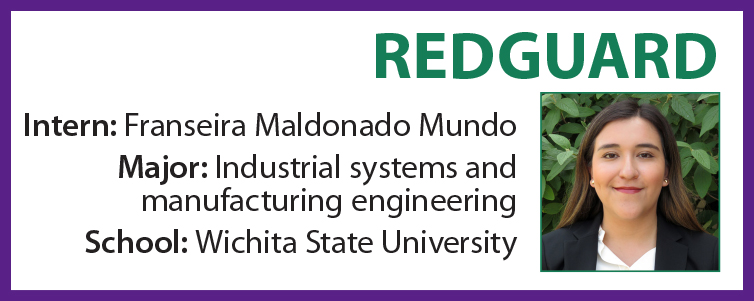
Redguard, founded in Wichita in 1998, develops and manufactures blast-resistant units which are sold to commercial and military customers locally and internationally. The company is pursuing pollution prevention because they want to reduce overall operation costs, reduce environmental impact and show environmental commitment. 


A variety of projects were reviewed for P2 potential, including those related to powder coating, lighting, water consumption and solar panels. To learn more, check out the full case summary or watch Mundo's presentation of results.

Celebrate Earth Week by hosting a litter pickup event


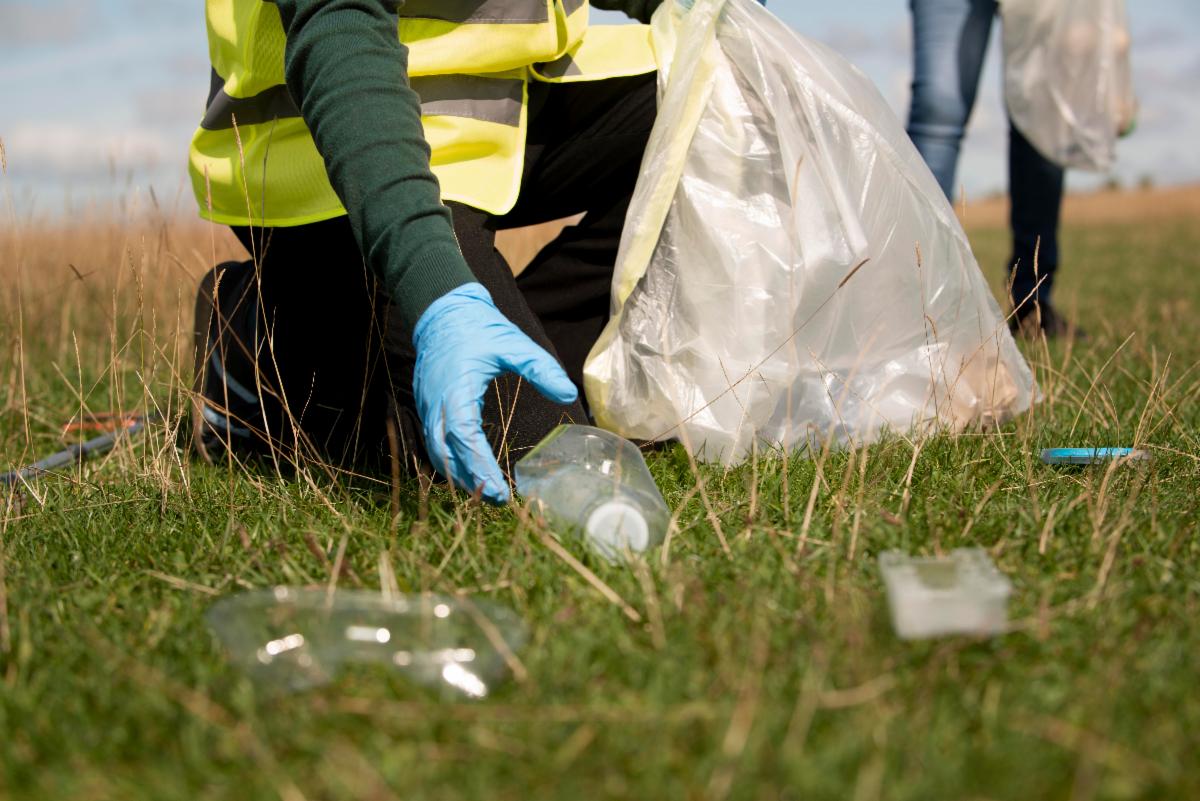
Earth Day is Tuesday, April 22, and we are encouraging our industry partners and colleagues to take part by hosting a litter pickup event at their facilities during Earth Week, April 21-25.


You can limit the event to your own property or expand it to an adjacent lot, field or riverbank. Cleaning litter from the ground, such as in your facility’s parking lots and storage areas, is one of the easiest ways to prevent escaped trash from making it to the oceans. We put together several tips to help you organize a pickup event and reduce escaped trash.


Reducing litter in the environment, even in small amounts, can help prevent harm to wildlife and can further beautify America’s landscapes.

New fee structure for emissions inventory

Fees due April 1 along with 2024 report submission


Class I Facilities:

Class I facilities have a Base Fee of $1,000.00 per facility report even if reporting all 0s

  •  $80/ton HAP (see list)
  • $56/ton CAP (NOx, SOx, VOC, and PM) *

*PM and VOC tonnages reduced by any HAPvoc or HAPpm already accounted for as a HAP above to avoid double counting.


Class II Facilities:

Class II facilities have No Base Fee at this time (will instead pay by tons of emissions emitted as explained below).

  • $80/ton HAP (see list)
  • $56/ton CAP (NOx, SOx, VOC, and PM) *

*PM and VOC tonnages reduced by any HAPvoc or HAPpm already accounted for as a HAP above to avoid double counting.


For more detailed information, visit our 2024 Fee Structure Document (PDF). If you are in need of additional assistance, email the Emissions Inventory group or call 785-296-0910.

Professional development hours are available for the upcoming Industrial Environmental Sustainability course

PPI is offering CE690, Industrial Environmental Sustainability Practices, May 23–25 as an intersession class. Professional development hours are available for those who complete the course. 


CE690 focuses on pollution prevention and sustainability practices in manufacturing and industrial facilities. It also includes an overview of environmental regulations and EPA tools. If you have questions or would like more details on this intersession opportunity, email Cris Kauer Brazil

Online hazardous waste training


Hazardous waste handlers are required to complete training annually, and new employees must be trained within six months of taking a position that requires they handle hazardous waste. This training needs to be documented and maintained for at least three years. PPI offers online training that includes a certificate of completion for $50 per user. 


Enroll now >

Upcoming Events


April 22 

Air and Waste Management Association Environmental Technical Conference

Lenexa


April 22

Earth Day

Nationwide


May 4-10

Small Business Week

Nationwide


August 12-14

Kansas Environmental Conference

Manhattan

Youtube  X  LinkedIn