Kansas E-Tips
PPI News and Events
If you have environmental compliance questions, call 1-800-578-8898 or email us

Free technical assistance to boost sustainability and cut costs

Is your facility looking for ways to reduce costs, improve environmental performance, or explore safer and more efficient processes? 


This summer, Kansas State University's Pollution Prevention Institute, or PPI, is offering free, confidential technical assistance to help Kansas businesses identify cost-saving and sustainable solutions.


As part of this no-cost program, PPI specialists will visit your facility for 1-2 days to collaborate with your team. We focus on practical ways to reduce:

  • Energy and water consumption.
  • Hazardous and non-hazardous material usage.
  • Air emissions.


Within two months of the site visit, you will receive a custom report outlining:

  • The financial and environmental costs of current operations.
  • Alternative approaches to improve sustainability.
  • Estimated implementation costs and payback periods.


PPI has helped participating businesses save more than $23 million through reduced utility usage, safer material substitution and streamlined operations. We’re here to help you do the same. Contact us at (800) 578-8898 or ksu-ppi@k-state.edu to start today!

Asbestos guide now available


The Kansas Guide to Identifying and Handling Asbestos is an easy-to-read poster developed by the Kansas Small Business Environmental Assistance Program and KDHE. The poster outlines where asbestos may be found, what safety steps to follow when dealing with asbestos and when to contact licensed professionals. 


This information can help homeowners, city crews and demolition contractors understand how to safely identify and manage asbestos-containing materials during home demolition and cleanup.


If you would like printed copies of the poster or have questions, call 800-578-8898 or email sbeap@ksu.edu.

AI and sustainability: 

The hidden health costs of AI


As artificial intelligence continues to revolutionize industries, its environmental footprint needs increasing attention. In addition to some of the documented energy consumption and carbon emissions issues, recent research highlights a less visible but equally pressing concern: the public health implications of AI's lifecycle.


A study titled "The Unpaid Toll: Quantifying the Public Health Impact of AI" (currently under peer review) digs into the health consequences associated with AI from chip manufacturing to data center operations. This study shows that by 2030, U.S. data centers could impose a public health burden valued at over $20 billion annually, more than the health costs of US coal-based steelmaking and rivaling those from California's on-road vehicle emissions. 


These health impacts are not evenly distributed. Communities near power plants or data centers bear a larger share of the burden. In some cases, the per-household health impact in these areas could be 200 times greater than in other areas.


To address these challenges, the researchers support more standardized pollutant reporting and transparency, community engagement in decision-making processes and the addition of public health considerations into AI systems design and use. 


As AI becomes a part of our daily lives, we must consider its broader impacts on society. By considering environmental and public health impacts, we can steer AI development towards a more sustainable and equitable future.

Featured case summary: Birla Carbon

Birla Carbon is one of the world’s leading manufacturers of carbon black additives. The company launched its U.S. operations in 2011 when it acquired the Hickok Plant in Ulysses.


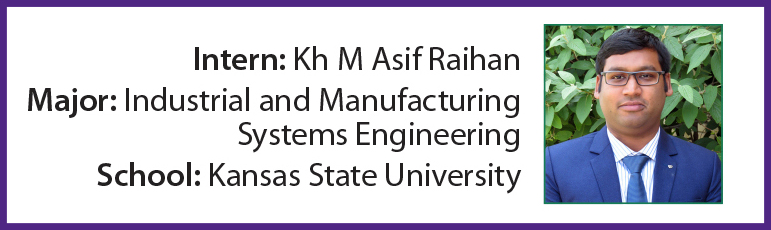
Initially, three main pollution prevention projects were recommended: compressed-air leaks, water conservation and solar panel installation. Through on-site surveys and careful analysis done by the PPI intern, two additional P2 projects were identified and assessed: steam condensate reuse and LED lighting. 


Check out the full case summary or watch Raihan's presentation of results.

KDHE Environmental Stewardship Award


Do you know a business or organization that has made significant improvement in preventing pollution and protecting our environment? Nominate the industry leader for an Environmental Stewardship Award. The awards will be presented at the Kansas Environmental Conference, and are open to businesses, industries and organizations that have made significant improvement in protecting our environment by preventing pollution. Applications must be received by July 11. 


PPI is here to assist with your applications. 

Email us or call 800-578-8898.

Mark your calendars!

Join us at the Kansas Environmental Conference, Aug. 12-14 at the Hilton Garden Inn in Manhattan. Hear presentations from the private and public sectors, including program and regulation updates, emerging issues and technological innovations.

Online hazardous waste training


Hazardous waste handlers are required to complete training annually, and new employees must be trained within six months of taking a position that requires they handle hazardous waste. This training needs to be documented and maintained for at least three years. PPI offers online training that includes a certificate of completion for $50 per user. 


Enroll now >

Upcoming Events


August 12-14

Kansas Environmental Conference

Manhattan


October 21-23

Wichita Industrial Trade Show

Wichita


Oct 21-23

Best Practices Expo and Conference

Compressed air/ Vacuum / Cooling

Kansas City


Youtube  X  LinkedIn