This newsletter contains:


  • Video for farmers on Kava Dieback Disease
  • WholeFoods Magazine commentary from KC’s Douglas La Rose
  • Douglas joins ‘Getting Personal with Plant Medicine’ podcast
  • News on kava regulations in Los Angeles

Kava Plant Health, Dieback Disease

A new animated video released by the kava industry explains how kava farmers can protect their plants from major threats like Kava Dieback Disease (KDD), nematodes, and mealybugs, and it shows simple steps to keep kava healthy through good planting practices, clean materials, and early action.


The three-minute video is available in iTaukei, Hindi, English, and English with Tongan subtitles.


It’s part of the KC’s recently expanded resources for kava farmers.

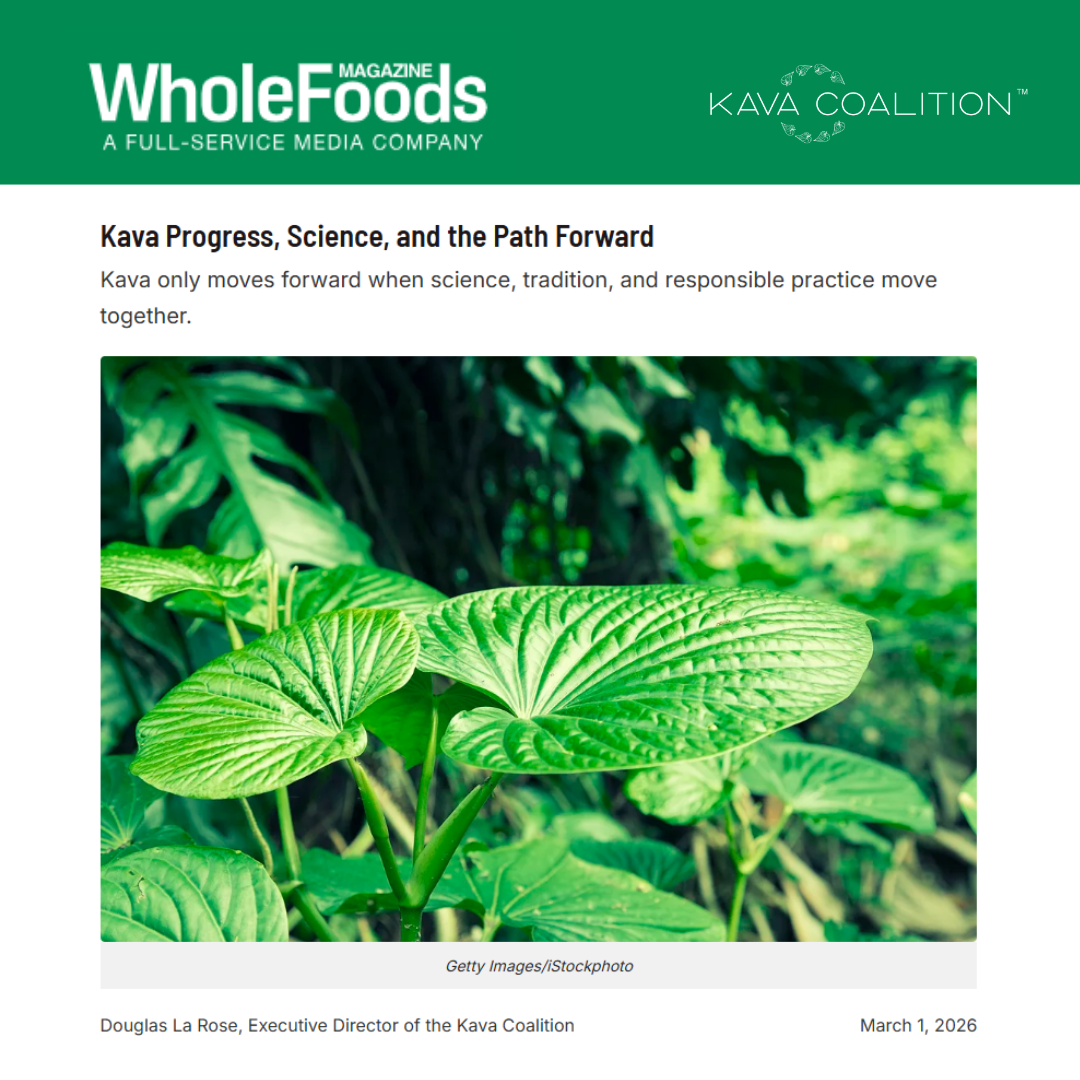
Douglas on Kava Progress, Science for WholeFoods Magazine

‘Over the past year, the conversation around kava has shifted in ways that genuinely matter,’ writes Douglas La Rose in ‘Kava Progress, Science, and the Path Forward,’ on Mar. 1.


‘We have seen real movement on safety, cultural recognition, and how kava fits into the American marketplace,’ he continues. ‘We have also seen how fragile progress can be when misunderstanding fills the gaps left by unclear policy.’

Douglas Joins 'Getting Personal with Plant Health'

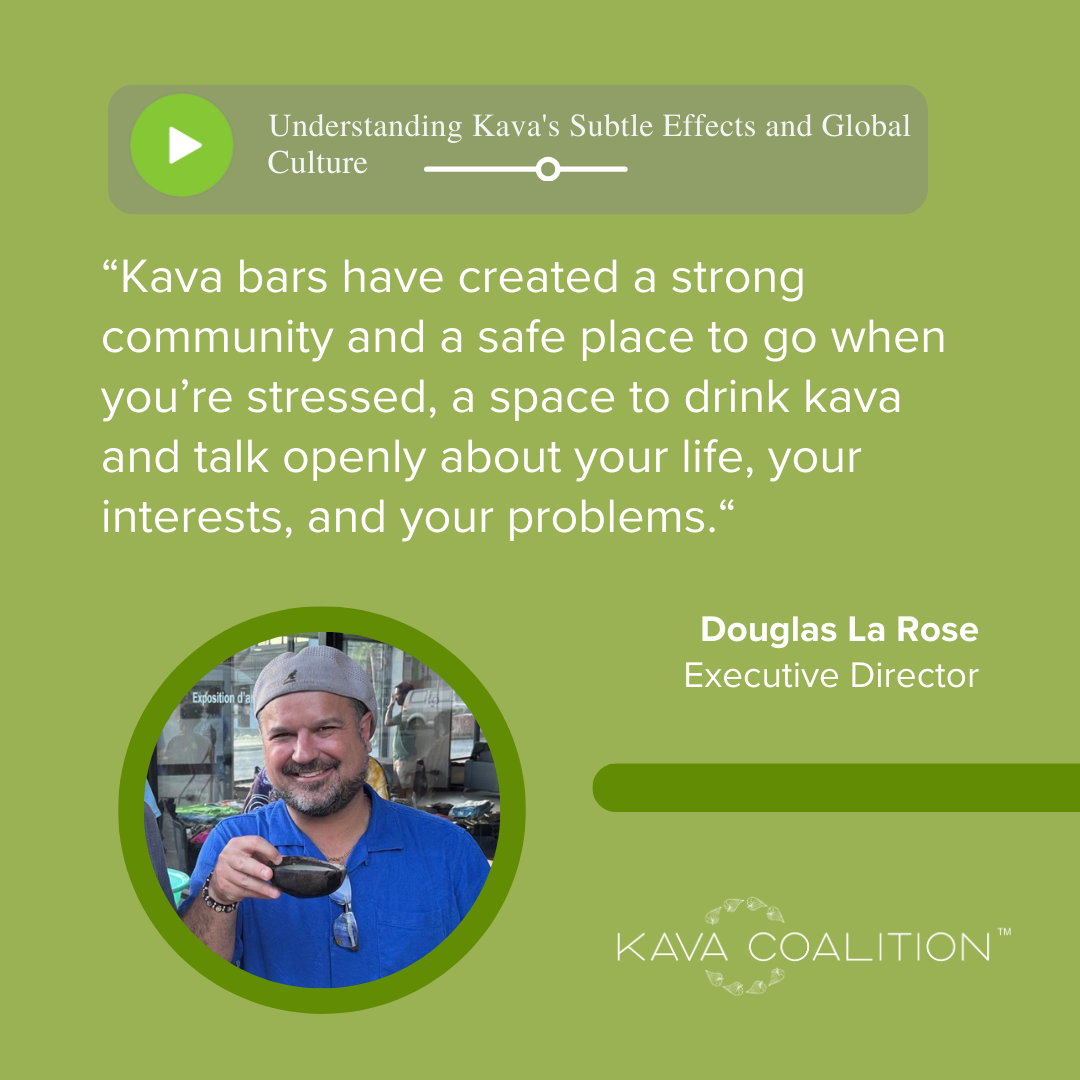
Douglas joined host Diana Krach on Feb. 25 to talk about how kava and kava-bar culture are changing the ways people socialize. Having visited 50 kava bars around the world, Douglas’s sincere understanding of kava’s sociality informs a 36-minute conversation about kava, the work he’s doing with the coalition, and education and advocacy.


‘Getting Personal…’ explores personal journeys through different plants, different voices, and different ways of having conversations.

L.A. Health Dept. Clarifies Traditional Kava Preparation

In February, the L.A. County Health Department updated its notice to retail businesses to clarify that kava steeped only in water to brew tea and consumed as a single-ingredient conventional food is permitted.


‘The Kava Coalition is thrilled about this update,’ Douglas said in a press release. ‘Like the recent [California Department of Public Health] clarification, this notice gives kava consumers and businesses in Los Angeles clear guidance so they can continue preparing traditional kava with confidence, honoring its cultural significance and long history of responsible use.’


The notice also confirmed that prepackaged, sealed dietary supplements containing kava may be sold if they are properly labeled as dietary supplements, include a ‘Supplement Facts’ panel, and do not make health claims.

Visit our website at kavacoalition.org

Facebook  X  Instagram