Volume 10 : Issue 12AAAAAAAAAAAAAAAAAAAA June 16, 2026


Your Local Source for Green Inspiration and a Deeper Connection to Nature!

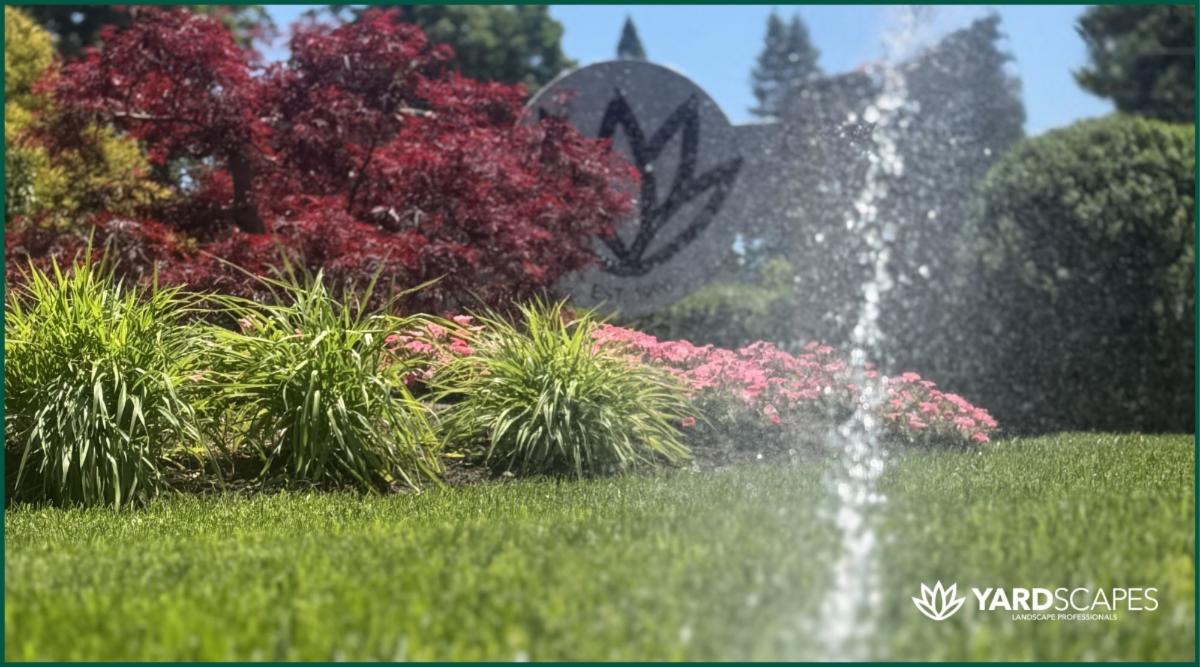
Last issue we covered some problems and solutions dealing with excess water on your property. During this last week of spring, our focus shifts to the lack of water that is common during the upcoming summer months.


Hot temperatures and limited rainfall can quickly stress lawns and plantings if they are not managed properly. A little guidance and the right approach can make a huge difference in not only keeping your property looking great but also ensuring strong and healthy growth through the hot and dry summer months. -Shayne

MAY 2026 'SCAPER OF THE MONTH

PROPER WATERING TECHNIQUES


Proper watering is the single most important factor in maintaining a

healthy lawn during the hot and dry summer months.

In our area, it’s normal for lawns to slow down, lose color, or go dormant during hot, dry periods if you are not watering or irrigating properly when rainfall is inconsistent. Turf dormancy in summer is a natural survival response, if the dry spell is only a few weeks, most lawns will recover when cooler weather and regular rainfall return.


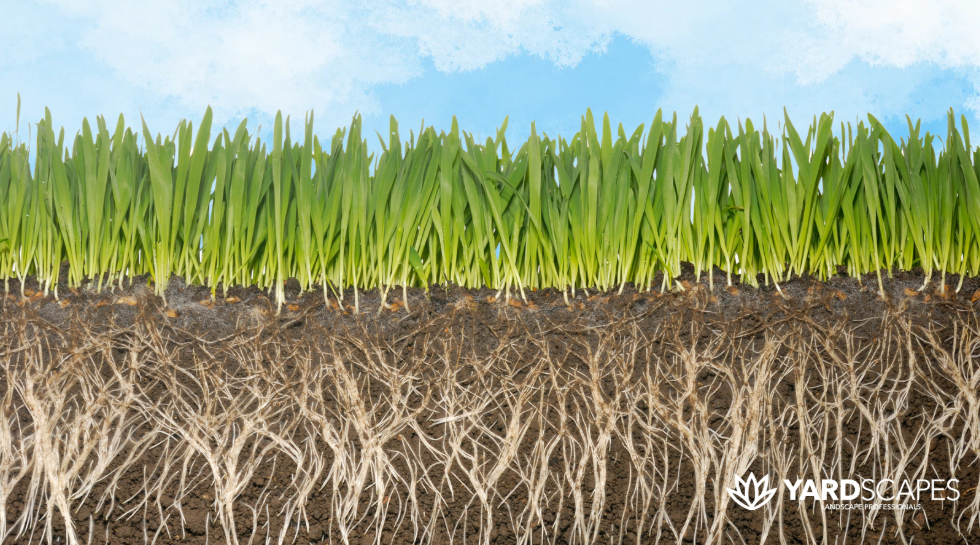
If rainfall is sparse and you want to keep your lawn healthy and green all summer, watering consistency is key. Lawns benefit most from deep, infrequent watering that soaks the soil and encourages strong root growth. The goal is to soak the soil to a depth of about 5-7 inches by watering three or four days in a row and then waiting three or four days until the next watering, which signals the roots to grow downward, following the water.


Light, daily watering should be avoided, as it only wets the surface, leading to weak roots that stay too close to the top of the soil. This makes them more vulnerable to disease, stress, heat, and drought, yielding a weaker lawn overall.


If you prefer not to irrigate or add supplemental watering, it’s best to allow the lawn to rest rather than watering sporadically. Inconsistent watering can stress the grass by forcing it in and out of dormancy. Also cutting the grass a little higher, at a height of 4 inches, lets the grass focus on root development rather than leaf regrowth.


However, during extended dry periods, watering every few days can help keep the plant’s crown hydrated and improve recovery later. Whether irrigated or not, a consistent approach to watering will deliver the best long-term results. Please let your consultant know if you need any additional information or detailed watering instructions

DROUGHT TOLERANT PLANTS


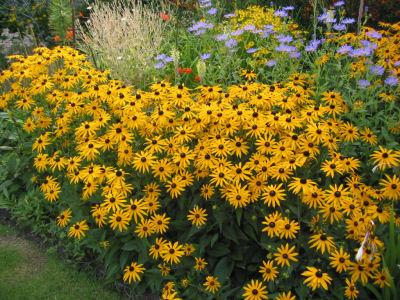
Black-eyed Susans (Rudbeckia) are one of the easiest and most rewarding plants for a home garden. They have a long blooming season, attract pollinators, and are perfect for border or mass plantings.

Incorporating drought-tolerant plants into a landscape is a smart way to create a resilient, low-maintenance outdoor space. These plants are naturally adapted to thrive with minimal water, making them ideal for conserving resources while still maintaining a beautiful garden. By selecting species that suit our local climate, you can reduce irrigation and supplemental watering needs and enjoy a landscape that remains attractive even during dry periods.


Drought-tolerant doesn’t mean dull—there is a wide variety of textures, colors, and seasonal interest to choose from. From flowering perennials to ornamental grasses and hardy shrubs, these plants can be combined in endless ways to create dynamic and visually appealing landscapes. With the right planning, you can achieve both beauty and sustainability in your outdoor space - just let us know how we can help!


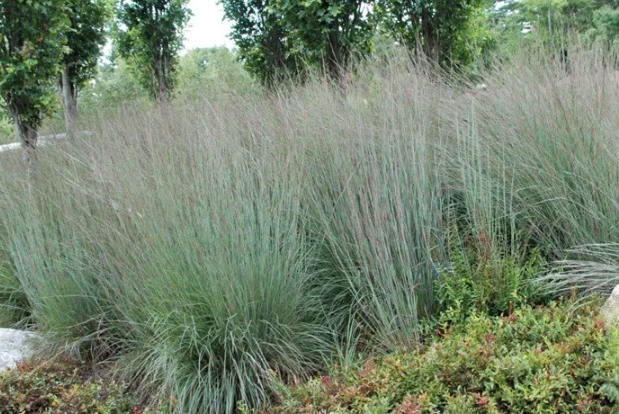
Below: Little Bluestem (Schizachyrium scoparium) is an exceptional grass for meadow gardens or naturalized areas.

Astronomical summer begins on Sunday, June 21, at 4:24 AM (EDT) —just before sunrise. Here’s to long days, warm nights, fireflies, and everything we wait all year for!

NATIVE PLANT OF THE MONTH


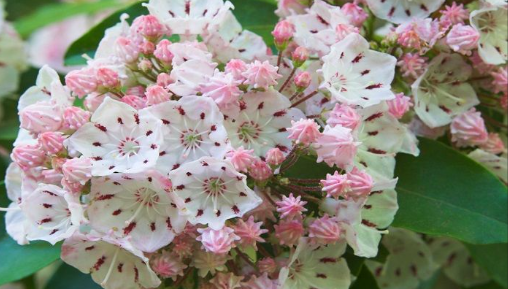
Celebrate Connecticut's iconic state flower - Mountain Laurel (Kalmia latifolia) - as it reaches peak bloom in June! This recognizable and showy native evergreen shrub is perfect for shaded landscapes and a must-have for native gardens.

  • Stunning clusters of pink and white cup-shaped flowers
  • Grows well in woodland edges and partial shade
  • Supports native pollinators - especially bees
  • Deer-resistant once established
  • Glossy, dark green leaves stay all year-round for winter interest


Whether used as a focal point or a natural backdrop, mountain laurel is a reliable, low-maintenance native that elevates any Connecticut landscape.

Web  Facebook  Instagram  LinkedIn  Pinterest  Email

YardScapes Landscape Professionals(860) 350-2737 18 Aspetuck Ridge Road New Milford, CT 06776 US

Constant Contact