|
Land Stewardship
Spring has arrived! With that begins our spring field season. We will have two UWRF part-time interns to help with habitat and property management this year!
Preserve Management
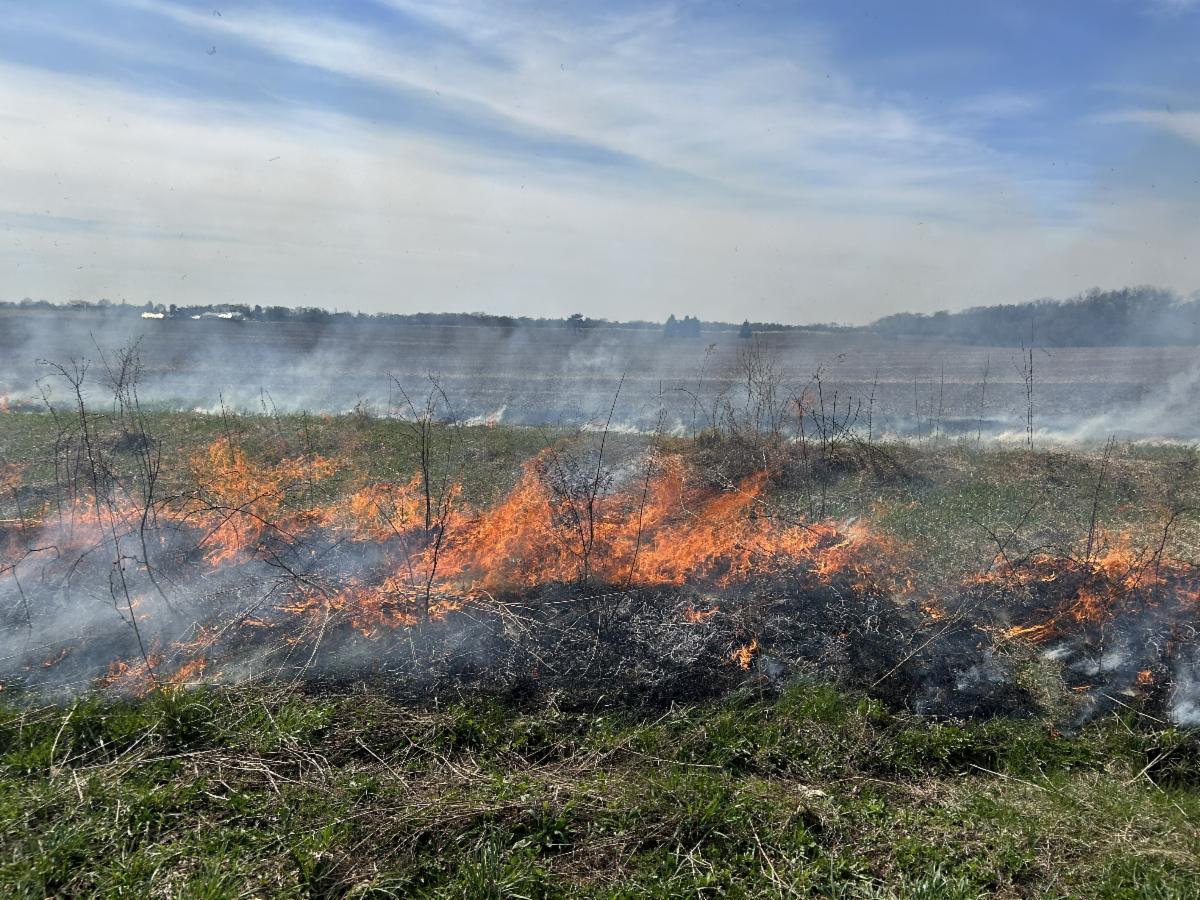
The first thing on our agenda is to conduct prescribed burns to reinvigorate our prairie plantings. We have three burns planned for the 2026 field season that include 1) the one-acre access lane at the Headwater Preserve, the southeast 1/3 of Kelly Creek Preserve, and the five-acre access lane at Drewiske Preserve. Prescribed burns usually occur between April 15 and May 15th dependent on specific site conditions. Drewiske Preserve has already been burned (April 20th). Some sites green up sooner, while others don’t until later in May. We have hired a private contractor, Habitat Creations LLC. to conduct the burns paid for with a donation from Public Lands, Woodbury, MN. If the weather cooperates, we hope these get done, otherwise we will attempt it next year.
So why do we burn? The primary goals of a prescribed burn is to: 1) set back cool-season grasses in favor of warm-season prairie grasses and forbs, 2) to control woody vegetative growth in the grasslands, and 3) to recycle nutrients in the dead vegetation for prairie plant regeneration.
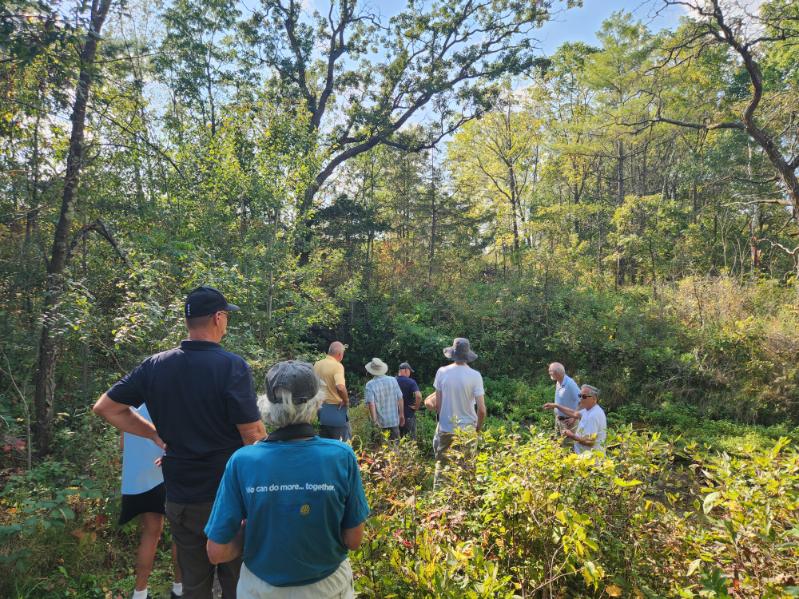
We plan to cruise our trail systems to remove encroaching vegetation, mainly brush and down trees and/or limbs. If time permits, we will add wood chips to sections of trails subject to erosion. Spring is also a good time to cruise property boundaries and replace property signs and posts where it is necessary.
Habitat and prairie maintenance are high priorities. Now that the Headwater Preserve is planted with prairie seed, we will need to monitor prairie restoration efforts and control unwanted weeds and woody regrowth. This spring, we plan to treat red oak regrowth at the Headwaters Preserve and woody sprouts on the Drewiske Preserve access lane. Invasive species are a problem we must deal with each year on the preserves, and we will continue our efforts to eliminate Tansey, Wild Parsnip, and Purple Loosestrife.
Watershed Management
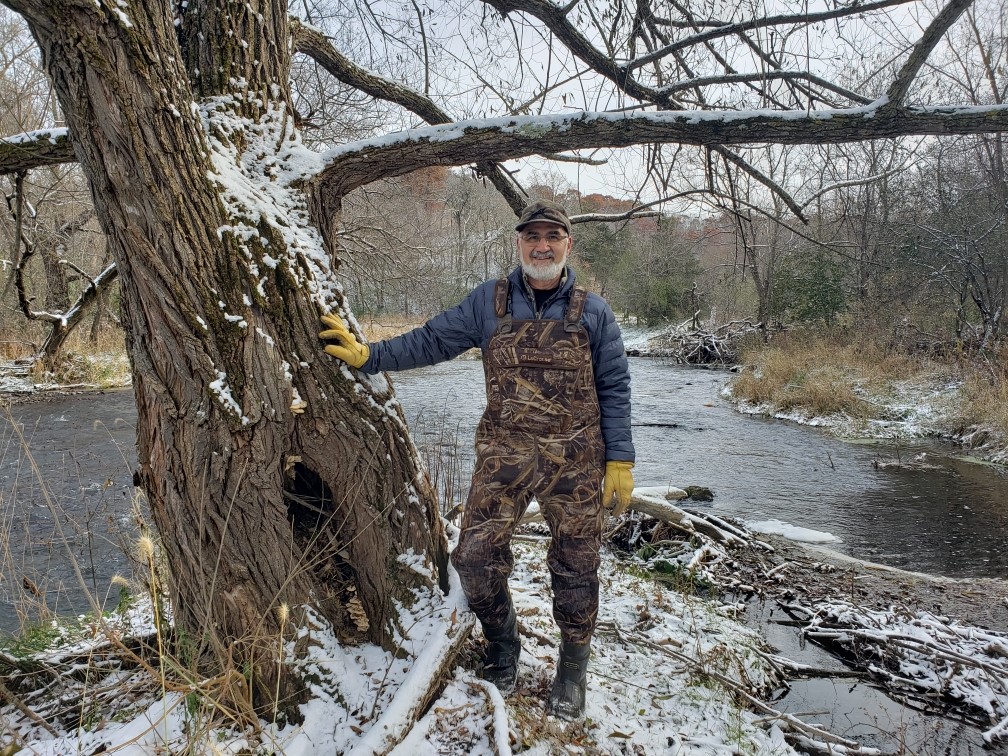
Conservation Committee member, Kent Johnson, will continue to monitor water temperature and water chemistry both above and below the Headwaters Preserve. Results so far show a reduction in nitrogen as water flow passes through our wetland preserve.
Several conservation committee members, along with staff, are helping build a database of environmental data. The goal eventually will be to report on the annual condition of the Kinnickinnic River Watershed.
Agricultural Easements
The United States Department of Agriculture, Natural Resource Conservation Service, offers a 50/50 cost-share Agricultural Land Easement Agreement (ALE) Grant for eligible farms. The grant would be awarded based on the depreciated value of the farm by placing a conservation easement on it. However, the land trust must commit a minimum of $20,000 to pay for the development of the grant. In addition, the land trust would need to cover 50 percent of the depreciated value of the farm. That can be done in part by a donation from the landowner. However, major hurdles occur with the land trust raising the remaining funds to have a competitive grant application approved. In the past, we may have tapped the Wisconsin Knowles Nelson Stewardship Grant program. Currently, that program has not been funded by the Wisconsin legislature.
Major KRLT funding challenges remain for the use of the ALE Grant program to protect family farms using conservation easements.
|