Hi there,

When Everyone Had a Kitchen Garden


Those who have lived in Carteret County for a long time recall the good ‘ol days when everyone had a kitchen garden.


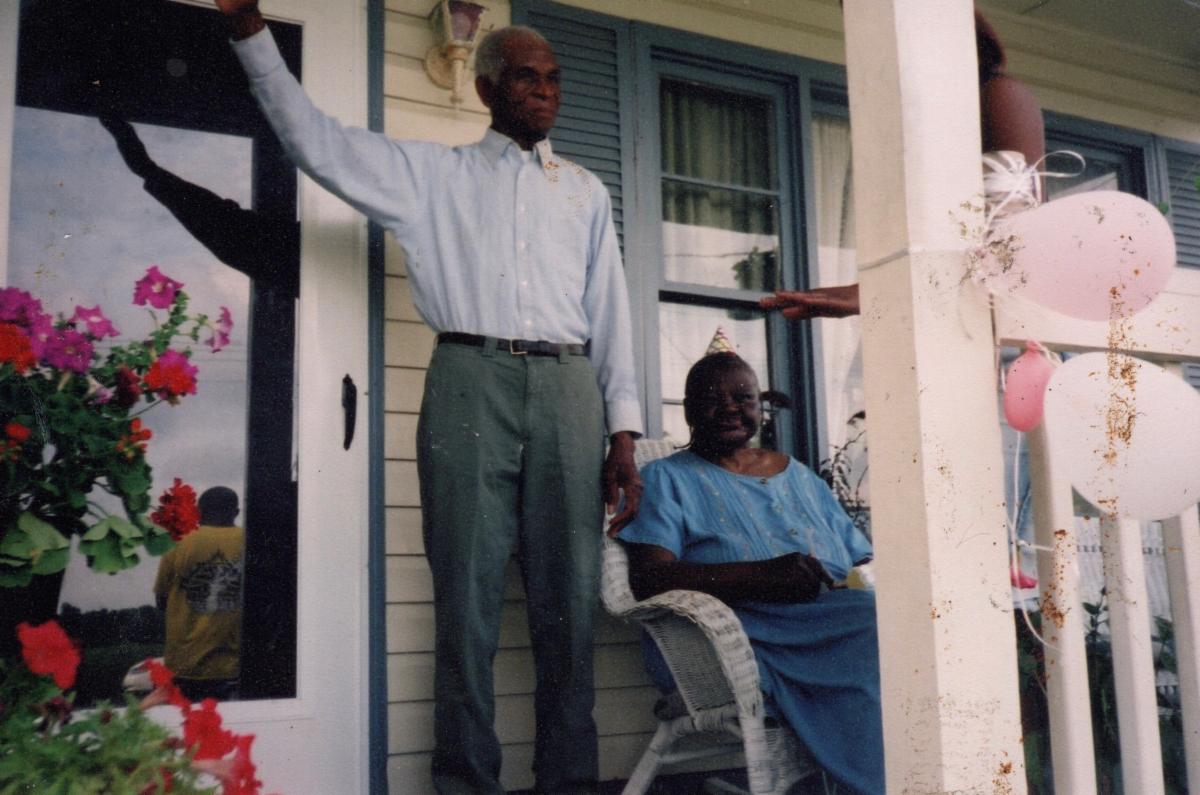
One such North River resident, Tammy Murrell, shared with us that her father, Mr. Biggie, or simply 'Big', raised his 10 children and 2 grandchildren on Laurel Road. They owned 11 acres of land and set aside three full acres for a massive family garden.


Tammy remembers harvesting an endless supply of fresh produce, including collard greens, sweet potatoes, tomatoes, berries, and beans. They tended pear and plum trees, and even raised their own chickens and hogs.


Tammy Murrell's father, Mr. Biggie, raised 10 children and 2 grandchildren on 11 acres on Laurel Road.

Thinking about that abundance made us wonder: why did the community stop growing its own food?


Tammy shared that her family stopped farming in the early 1980's, when grocery stores made it easier and cheaper to buy food than to grow it.


But that convenience came with a cost. Over time, local food production declined, leaving many rural communities increasingly dependent on distant food systems, and vulnerable to rising prices and disruptions in supply.


Today, there’s a growing interest in bringing local food production back by building food systems that strengthen community resilience and nourish both people and the land, including right here in Carteret County.

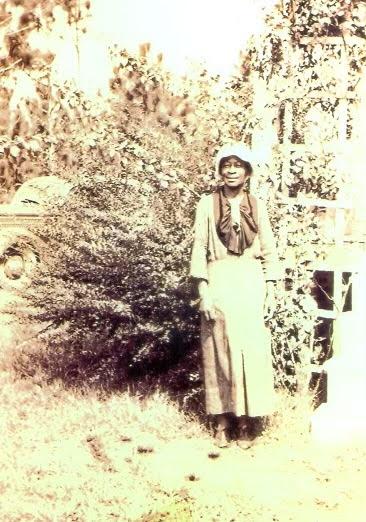
Lillian Murrell, Justin Wallace's great-great-grandmother, in her Sunday best, 1920. Lillian, like every North River Household at the time, had a kitchen garden.

Our Healthy Lands, Strong Communities Partnership


One of the things we've heard working in the community is a love of the land, but also the need for economic opportunities.


In response, we've partnered with the Croatan Institute to help landowners identify sustainable ways to generate income from their land, while connecting aspiring farmers and foresters with the skills, resources, and land they need to get started.


The Croatan Institute is a Durham-based nonprofit whose mission is to transition to a just economy by redirecting capital and shaping policies for sustainable food, fiber, forest and energy systems. This partnership will explore opportunities that support working lands, land retention strategies for heirs' property owners, and restoration.


During the program, we will host workshops, small group meetings, and one-on-one conversations to talk to landowners, farmers, foresters, and other community members to develop farming and forestry management plans.


This program is for:


  • Landowners interested in learning how their land could generate income through sustainable farming or forestry practices.
  • Aspiring farmers and foresters who want to build skills, explore opportunities, and connect with resources.
  • Community members and organizations interested in strengthening agriculture, forestry, food security, and economic opportunity in rural Carteret County.


The project focuses primarily on land within the North River and Adams Creek watersheds. It is partially funded by the National Fish and Wildlife Foundation, and will run from fall 2026 through winter 2027.


If you’d like to get involved in the program, fill out this interest form.


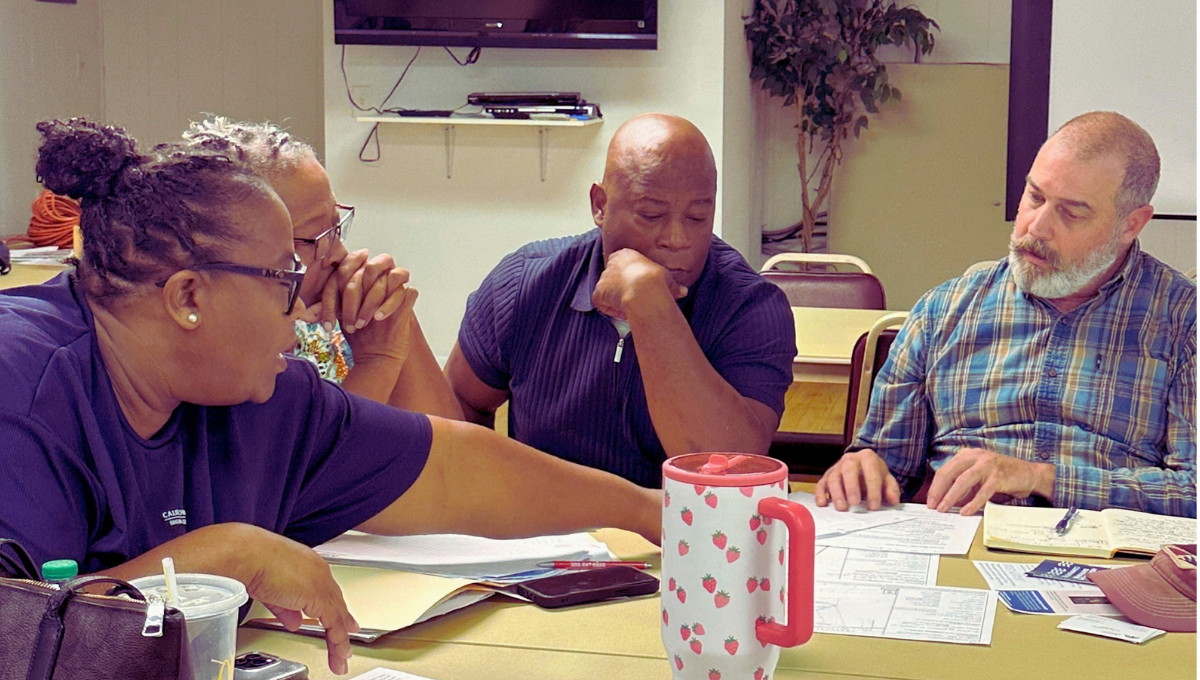
Josh Humphries from the Croatan Institute talks to heirs' property owners after our latest community meeting.