| |
Best Wishes to KR Fellow Jen Galvão
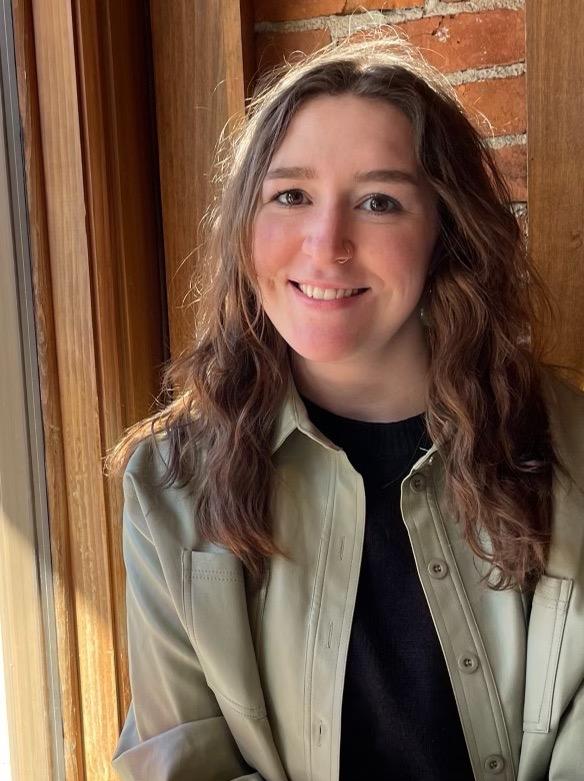
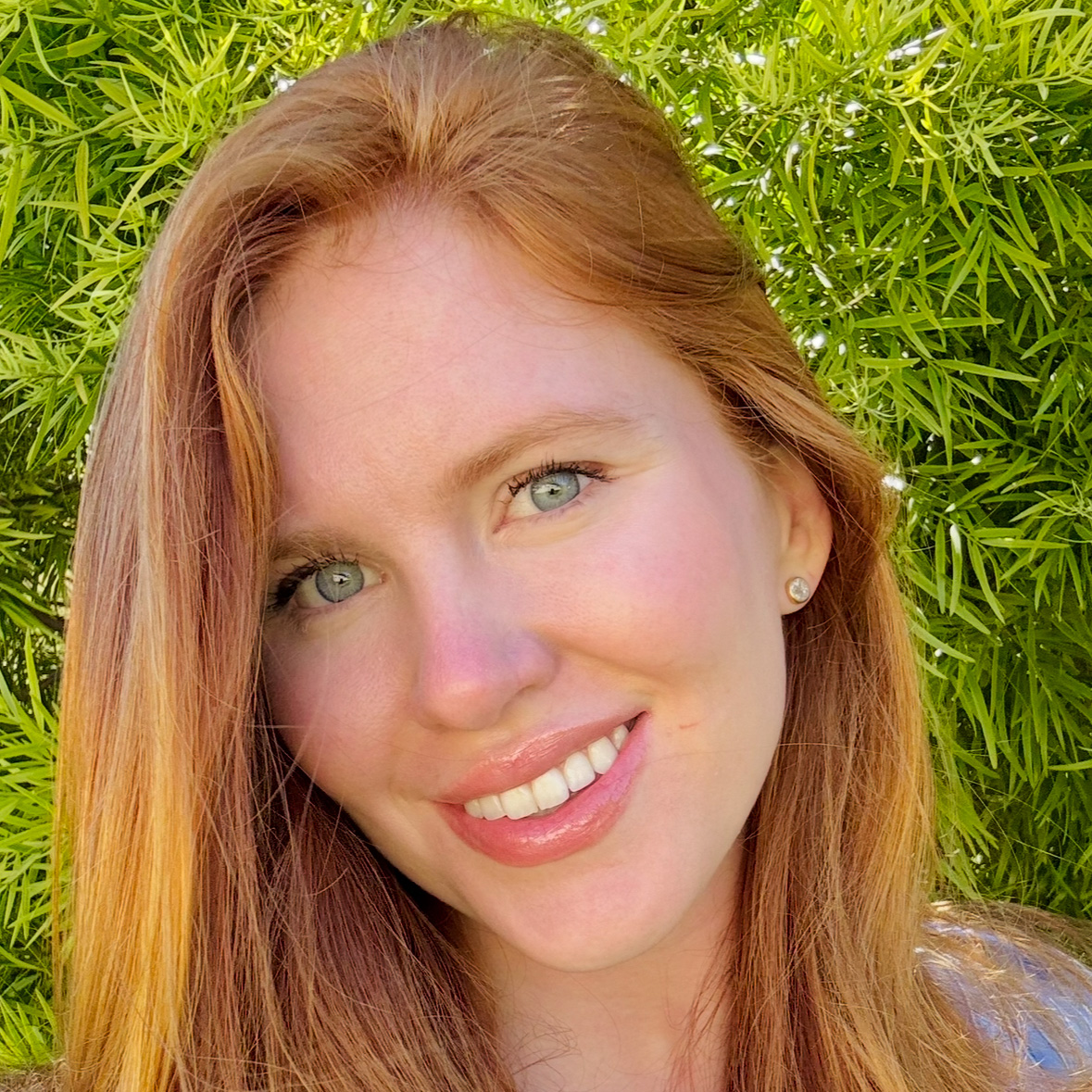
In June, our 2023–2025 KR Fellow, Jennifer Galvão, completed her tenure at The Kenyon Review. As a fellow, Jen served as a part of our editorial team and taught in the Kenyon College English department while completing her novel. We have been lucky to have such a generous and talented editor and teacher on our team for the past two years, and we wish her the very best in her new position as the 2025–2026 Carol Houck Smith Fiction Fellow at the Wisconsin Institute for Creative Writing at UW-Madison.
Please keep an eye out for Jen’s guest-edited folio "Visitation," which will appear in the Fall 2025 issue.
| |
Congratulations to the Class of 2025 KR Interns and Associates
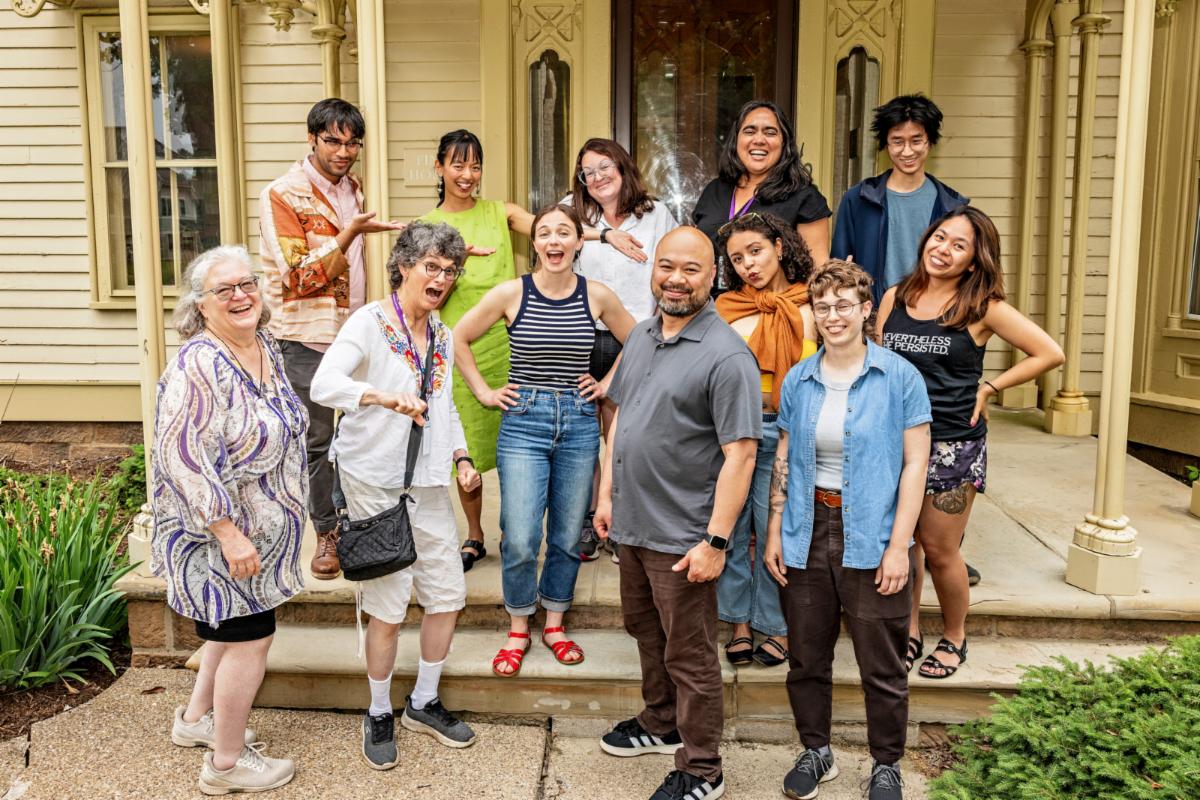
Every year, The Kenyon Review staff has the privilege of working with an enthusiastic, thoughtful, and dedicated cohort of Kenyon College students. These students serve as first readers for the publication and assess the 15,000 submissions we receive each year. They also work alongside our team to support creative writing on campus and beyond. As the academic year wrapped up in May, we wish the recent graduates who served KR as Associates and Interns the best of luck on whatever comes next!
Congratulations and many thanks to Sam Baker, Layla Bayoumi, Will Breinholt, Sara Carmichael, Stephanie Chang, Clyde Chelkowski, Lola Gimbel-Sherr, Cyrus Griffin, Ashlyn Harmon, Madi Hofstetter, Crandall King, Emma London, Elise Minion, Ceci Oshins, Paige Porter, Halle Preneta, Olivia Testa, and Em Townsend!
| |
Introducing the 2025 Developmental Editing Fellows
The Kenyon Review is excited to announce the 2025 Developmental Editing Fellows. This fellowship is designed to provide intensive editorial support to writers with exceptional literary projects.
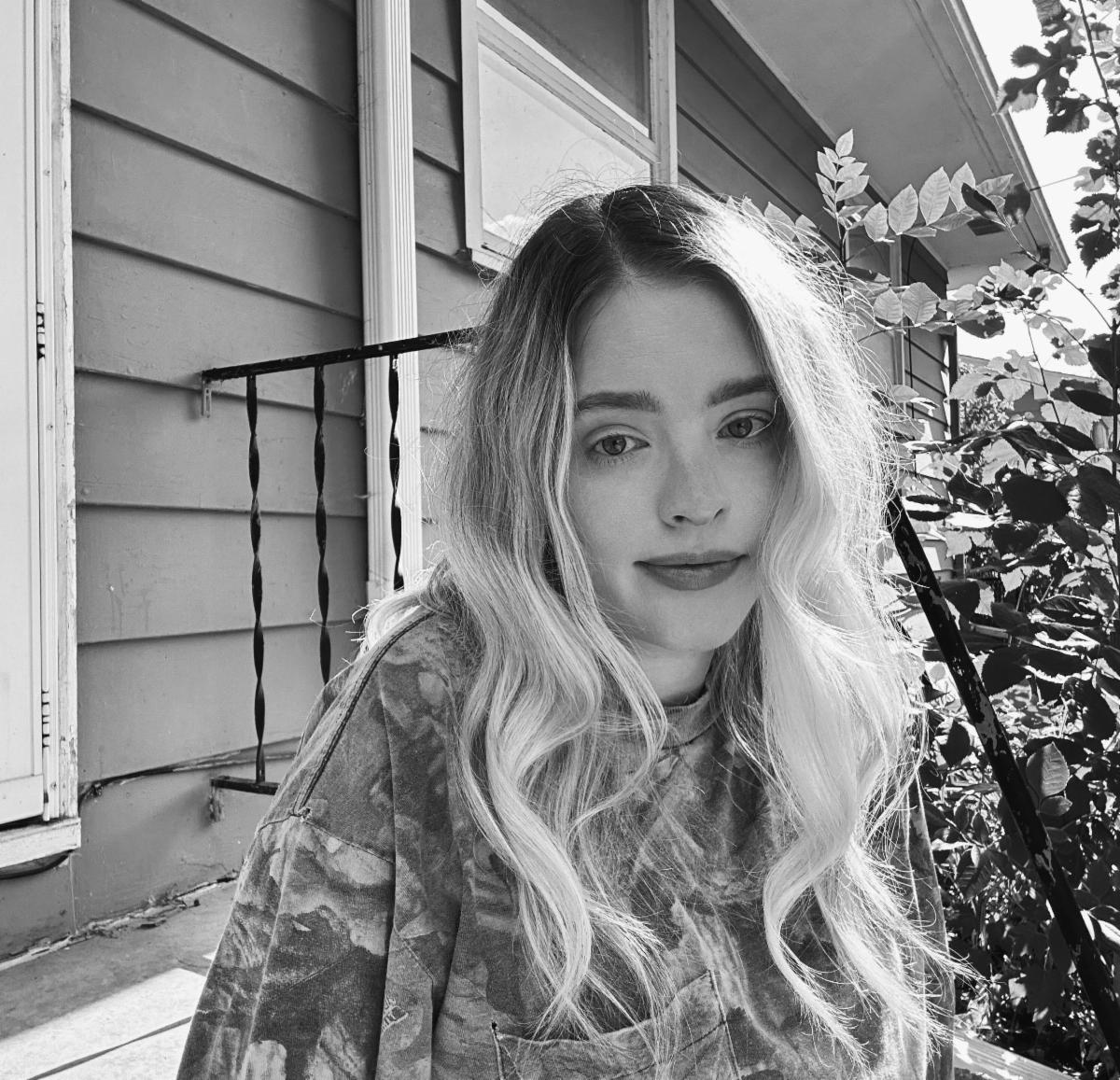
| | Poetry fellow Carolyn Orosz will work with Editor Nicole Terez Dutton on Not Long for This World. | |  | Nonfiction fellow Surya Milner will work with Senior Editor Katharine Weber on her collection The Far West: Essays. | | | Fiction fellow Hilary Bell will work with Associate Editor Sergei Lobanov-Rostovsky on Something Big. | | | Fiction fellow Kate Busatto will work with Associate Editor Sergei Lobanov-Rostovsky on My Undertaking. | | |
KR Summer Workshops
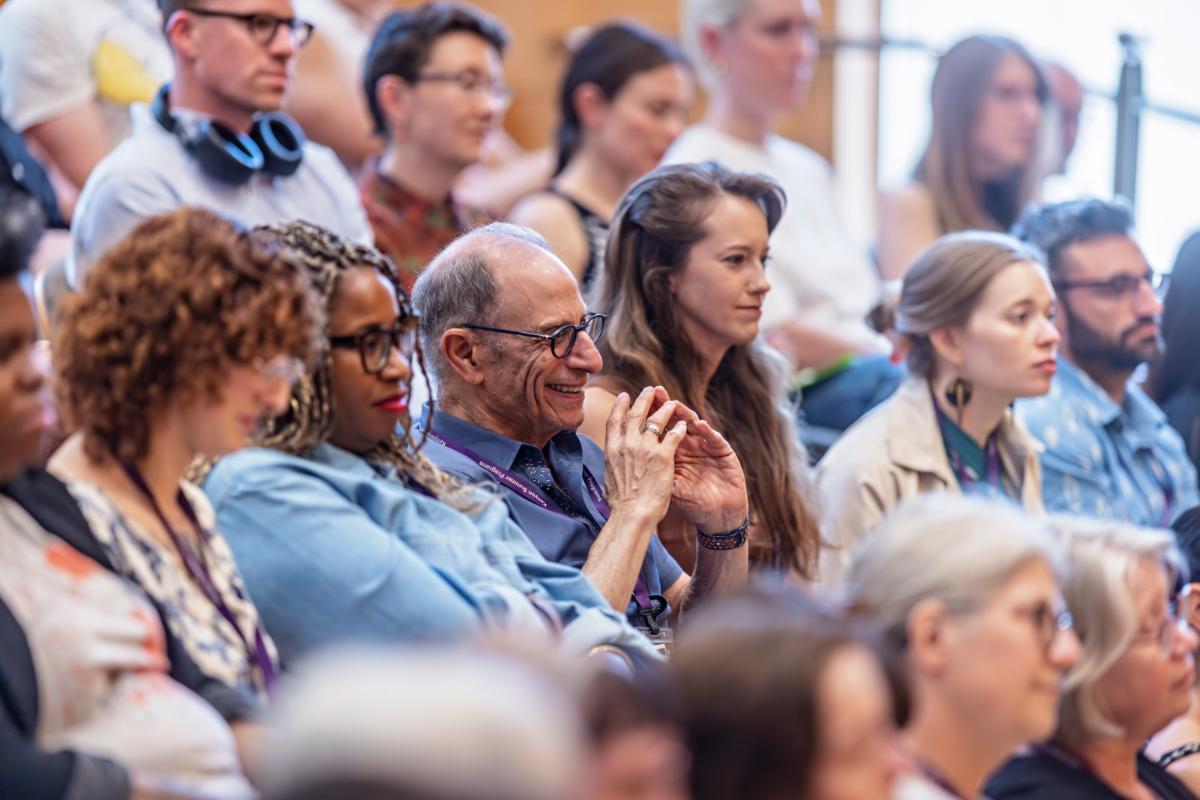
The KR Residential Writers Workshops took place June 8–14 and July 6-12. In each session, we welcomed over 100 attendees to the Kenyon College campus for an inspiring week of writing and fellowship.
We want to extend a special thank you to the workshop faculty and Peter Taylor Fellows who made our workshop sessions so successful. The 2025 faculty and fellows were:
- Mitchell Jackson and fellow Maya Shimizu-Harris
- Lucy Ives and fellow Shefali Trivedi
- Cleyvis Natera and fellow Oona Kelly
- ZZ Packer and fellow KC Lehman
- Matthew Neill Null and fellow Jason Ferris
- Lesley Nneka Arimah and fellow Chavonn Williams Shen
- Paul Tran and fellow Sadia Hassan
- Cate Marvin and fellow Frances Cannon
- Anthony Cody and fellow Mariah Bosch
- Oliver de la Paz and fellow Emily Luan
- Rajiv Mohabir and fellow Krystal Sital
- Grace Talusan and fellow Meredith Talusan
- Lydi Conklin and fellow Maud Streep
- Idra Novey and fellow Ledia Xhoga
- Marie Helene Bertino and fellow Nadia Owusu
- Maurice Ruffin and fellow Stephen Bell
- Major Jackson and fellow Cintia Santana
- Victoria Chang and fellow Asa Drake
- Dan Beachy-Quick and fellow John Kneisley
- Felicia Zamora and fellow Erin Noehre
| |
The Julia Alvarez Scholarship for Women Writers of Color
Last year, novelist and Kenyon Review Workshop faculty member Cleyvis Natera established the Julia Alvarez Scholarship for Women Writers of Color, named for the beloved and acclaimed poet, novelist, and essayist. Alvarez has modeled how women writers can hold space for and be in community with each other. The scholarship provides full tuition to The Kenyon Review Writers Workshops for a writer who demonstrates significant talent and promise, and it is Natera’s intention that it might “light the way and lift women of color.”
| | | | |
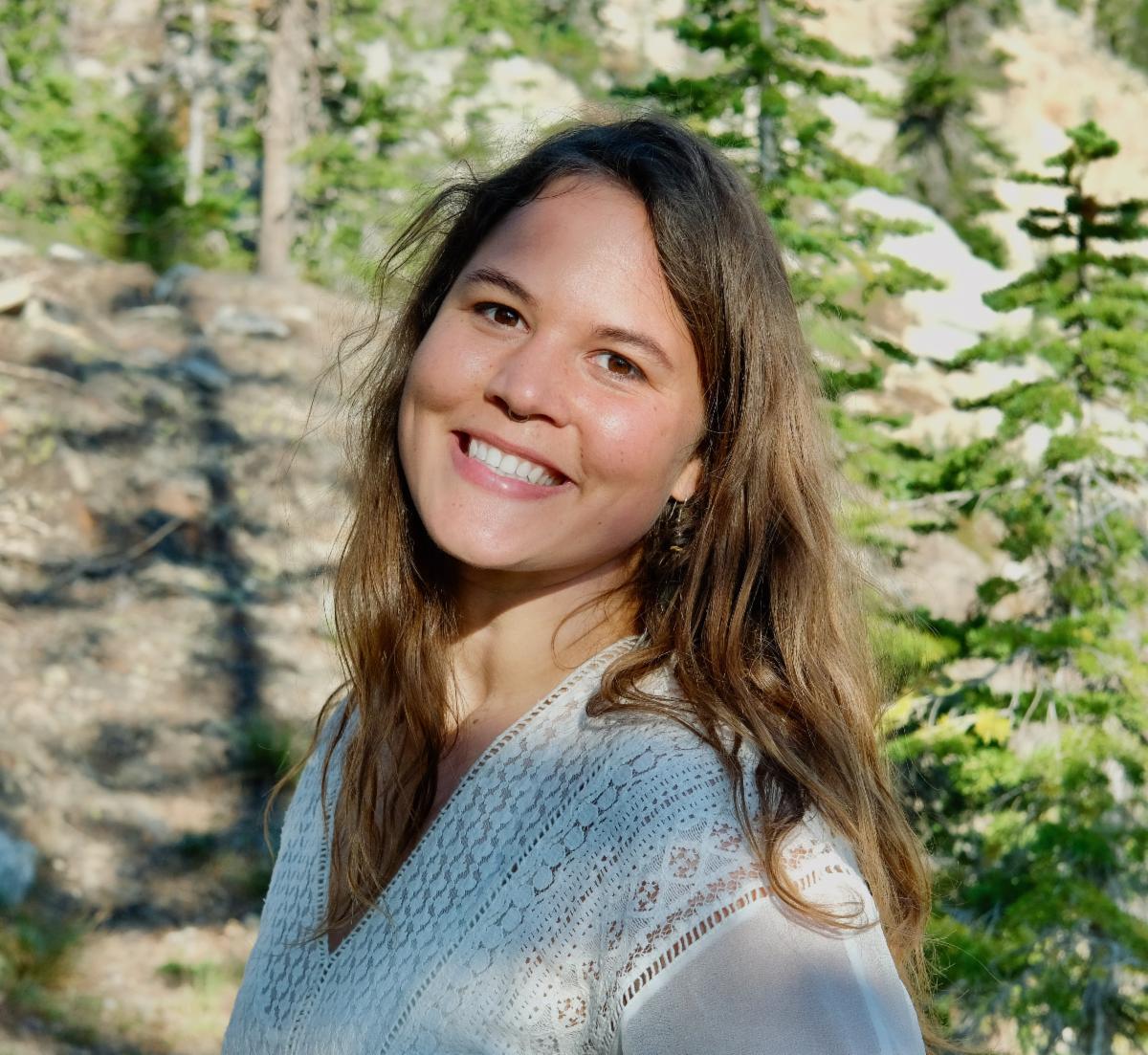
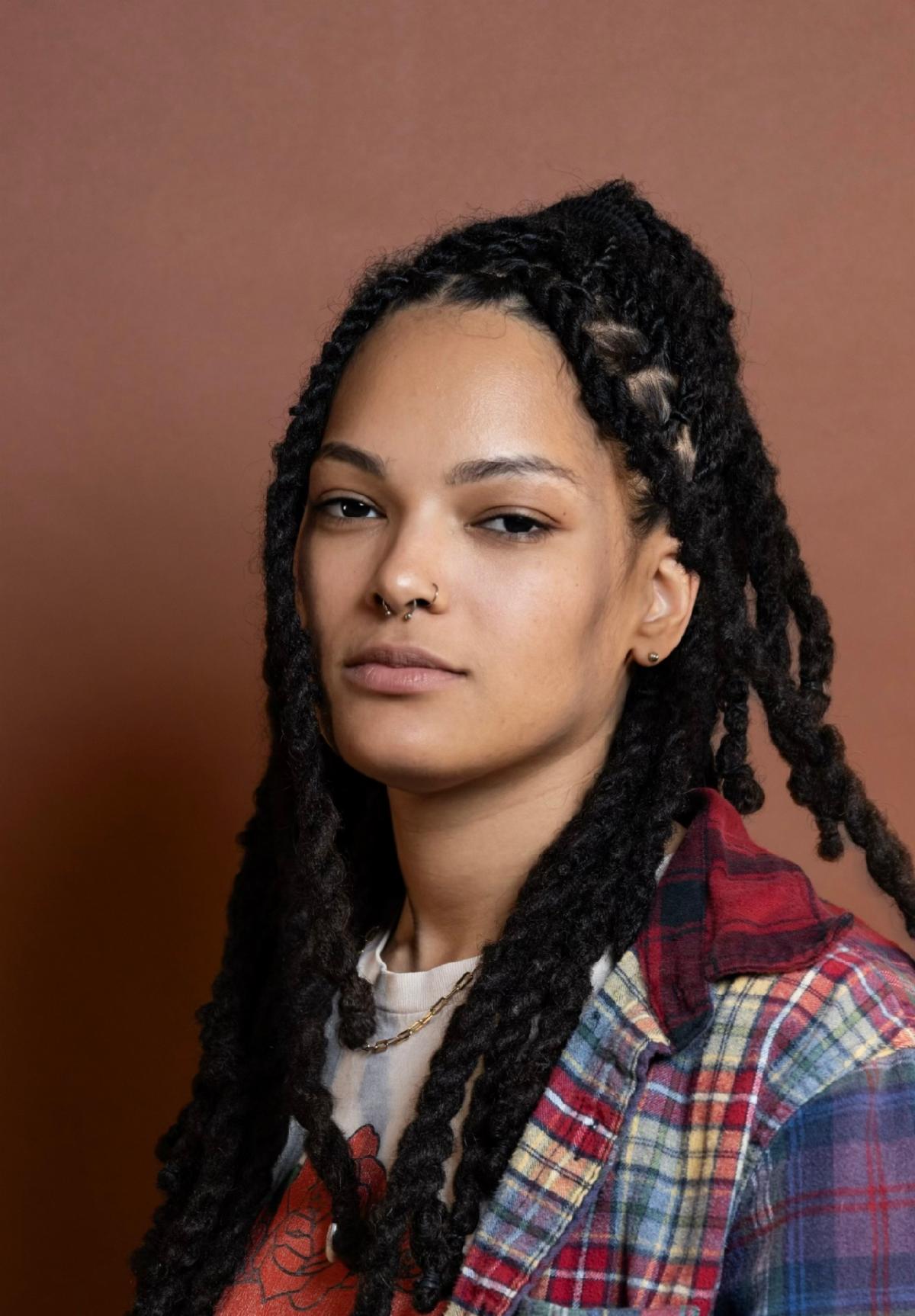
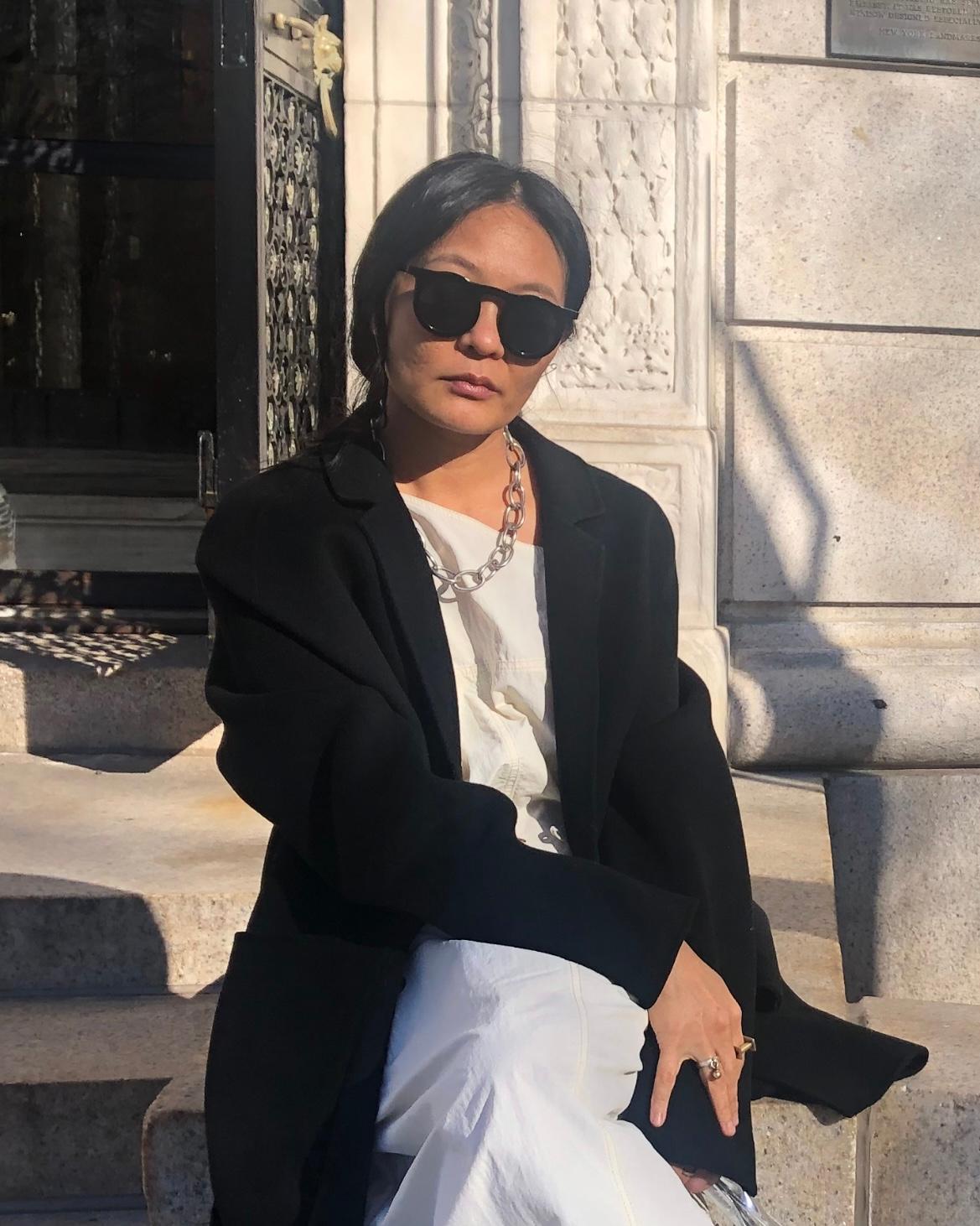
This year’s recipient is Kivel Carson. Carson is a storyteller, daydreamer, and organizer whose fiction centers the experiences of Black working-class people across time and interrogates the family as a site of joy, trauma, comfort, grief, erasure, and ultimately love. When she’s not writing, she can be found cheating on her to-be-read pile, curating top-notch Spotify playlists, and spending time outside, whether at concerts, in nature, or just people watching.
Kivel Carson attended the June session of the KR Writers Workshops, where she worked with Cleyvis Natera.
| |
The Nancy Zafris Memorial Scholarship
The 2025 recipient of the Nancy Zafris Memorial Scholarship, named for long-time fiction workshop faculty member and architect of the KR’s generative workshop model, is writer and professor Sarah Wang.
| | | | |
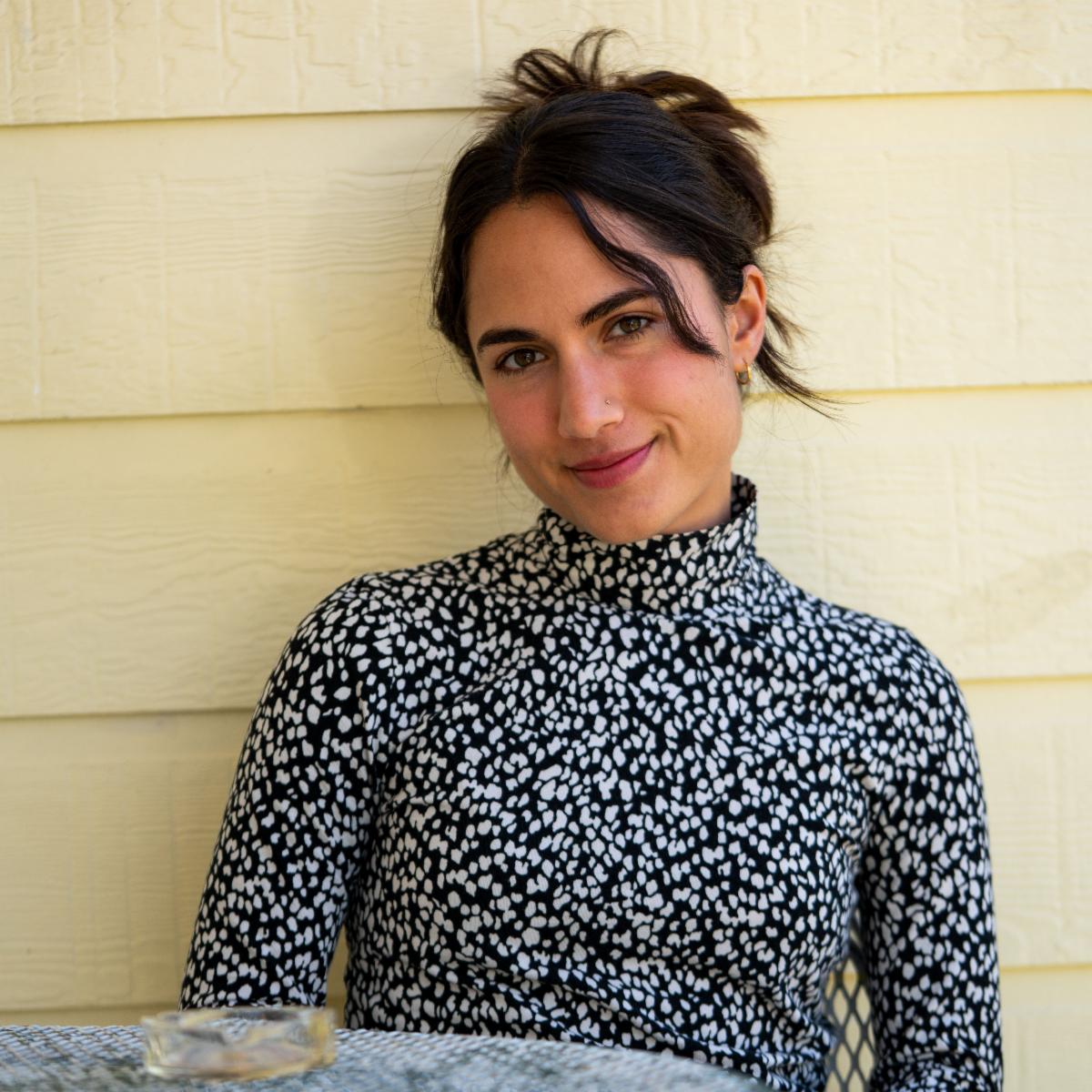
Sarah Wang has been awarded fellowships and scholarships from MacDowell, NYSCA/NYFA in Nonfiction, PEN America Writing for Justice, the Center for Fiction, Tin House, the Asian American Writers' Workshop, Kundiman, and Sewanee Writers’ Conference. She's written for The New Yorker, The Atlantic, London Review of Books, McSweeney's, and more. She teaches creative writing at Barnard College and her first novel is forthcoming from Little, Brown in 2026.
Sarah Wang received a full scholarship to the July session of the summer Residential Adult Workshops, where she worked with Idra Novey.
| |
Writers Reading Writers: A Look at the KR Archive
We gave several contemporary writers access to our newly digitized complete archives to find a piece that resonates with and inspires them and write a response to that piece. This month, we present Dinty W. Moore’s essay on “How to Mourn” by Tyrese L. Coleman, originally published in the Nov/Dec 2017 issue.
"If This Were Fiction" by Dinty W. Moore
From the first sentences, Tyrese L. Coleman’s essay “How to Mourn” turns a somersault, becomes a Möbius strip, an Escher: “If you read my fiction, you will find a character named Grandma. In real life, she is dead. This is the story of her death.”
A true story, then, about the death of a fictional character. But it is even more complicated. In the sentence that follows, Coleman introduces her “main character—T—,” who began drafting the essay we are reading “the moment she knew Grandma was not long for this earth.”
Fiction, nonfiction, first person, third—the writer breaks the fourth wall, acknowledges the act of writing the story even as it unfolds in detailed, anxious scenes: “Muffled click-clacking shoes on black-flecked white tile, voices hushed, drowned by the roar of insufficient air-conditioning, and surreality, this facility is a prop or a set—fiction. Real life for T feels like fiction, especially in difficult times like this that day.”
Read Moore’s entire essay online here.
| | | | |