Message from the CEO, Richard Munro
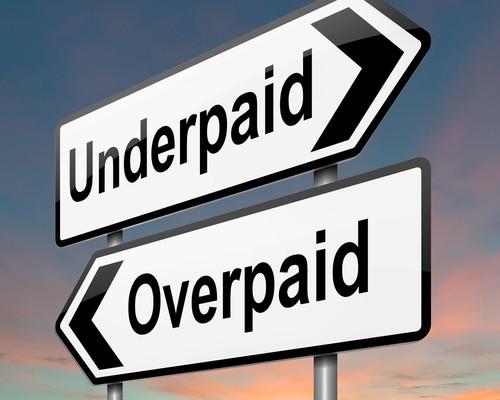
Wages must keep pace with business outcomes, not outpace them
The accommodation industry has been on a year on year growth cycle up until the last quarter of 2018, where supply finally caught up with demand. Our big data friends at STR analysed our industry and the conclusion was drawn on the release of the trading figures.
It is hoped this is a temporary pause.
What concerns our members when this sort of pause occurs is the speculation of big wage increases (6% + 5.5% = 11.5%, actually compounded is closer to a massive 12% increase of your biggest expense over two years) being touted by the likes of Sally McManus the secretary of the peak union body, the Australian Council of Trade Unions. As I mentioned to a member of AAoA the other day, big ambit claims are nothing new from the union at this time of year, ahead of the Fair Work Commission FWC (Australia’s national workplace relations tribunal. It was established by the Fair Work Act 2009 (Fair Work Act)), deliberating over what quantum they will lift the minimum wage by, or in a very rare scenario leave it alone. This time this issue is getting more media airtime given a Federal Election is upon us and the comments by Ms McManus are unfairly fueling expectations of workers, which is typical union reckless behaviour.
This week Labor handed a submission over to the FWC urging it to give an above-inflation increase to the 2.2 million Australians on the minimum wage. Inflation is around 1.8 percent and it must be remembered we have shouldered successive increases above 3% for the past three years.
The FWC last year increased Australia's minimum wage by 3.5% to AUD $719.2 a week starting on July 1st, 2018, citing a healthy national economy and labour market. The 3.5% increase is well above the 1.9% rate of inflation, meaning a real rise in wages of 1.6% for Australia’s lowest paid workers. Minimum Wages in Australia averaged AUD $615.17 /week from 2007 until 2018, reaching an all-time high of AUD $719.20 /week in 2018 and a record low of AUD $522.12 /week in 2007.
So effectively, while we have had successive increases, the real question is - has this translated into spending in our sector? That is the counter argument to keeping wages at a quicker pace of growth.
We support the independence of the FWC, we are also concerned when major political parties try to interfere with what is a robust, costly process to arrive at a decision as they did around reducing penalty rates to 250% from 275% on Sundays and Public Holidays.
We encourage our members to speak to your local members about what a near 12% increase in real wages would do to your business if the union had its way. Please also remember that this is an ambit claim by the unions and we rely on the deliberations of the members of the Fair Work Commission to make a balanced and fair decision on this annual national case.
Lastly, thank you to all of the members and industry that have participated in the AAoA annual industry survey, the results are flooding in and we look forward to sharing those with our members soon. If you have not yet has your say please do so before the end of the month –
link here