View as webpage

EMSC_SideBlue_PNG.png

EMSC Pulse


Is your EMS agency or ED experiencing the pediatric surge?


Visit the Response Center for resources across settings, including EMS.


Key takeaways from survey of 8,000+ EMS agencies 


New results from this year’s EMS for Children Survey include that 81% of EMS agencies receive fewer than eight pediatric calls a month. Read more.

Children’s Mental Health Crisis: Join a QI Collaborative


The growing children's mental health crisis is staggering. Using quality improvement (QI) science, how can ED providers help? Learn more.

Welcoming the Newest Pediatric Disaster Center of Excellence


Get to know the team behind the Gulf 7-Pediatric Disaster Network (G7) and their work ahead. Learn more. 

Introducing the 2022 Pediatric Pandemic Network Scholars


Meet the first cohort of Pediatric Pandemic Network Scholars. Learn more.

Community-based Clinics: Join a Disaster Preparedness QI Initiative


This QI initiative offers up to 25 points toward the American Board of Pediatrics' Maintenance of Certification. Learn more.

PECARN: Low Risk of Bacterial Meningitis in Young Febrile Infants


A study published last month examined the prevalence of bacteremia and bacterial meningitis in a large group of babies younger than 60 days. Learn more.

Patient and Family Perspectives

Featuring members of EMSC’s Family Advisory Network (FAN).


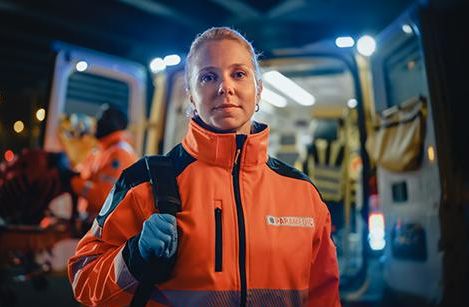
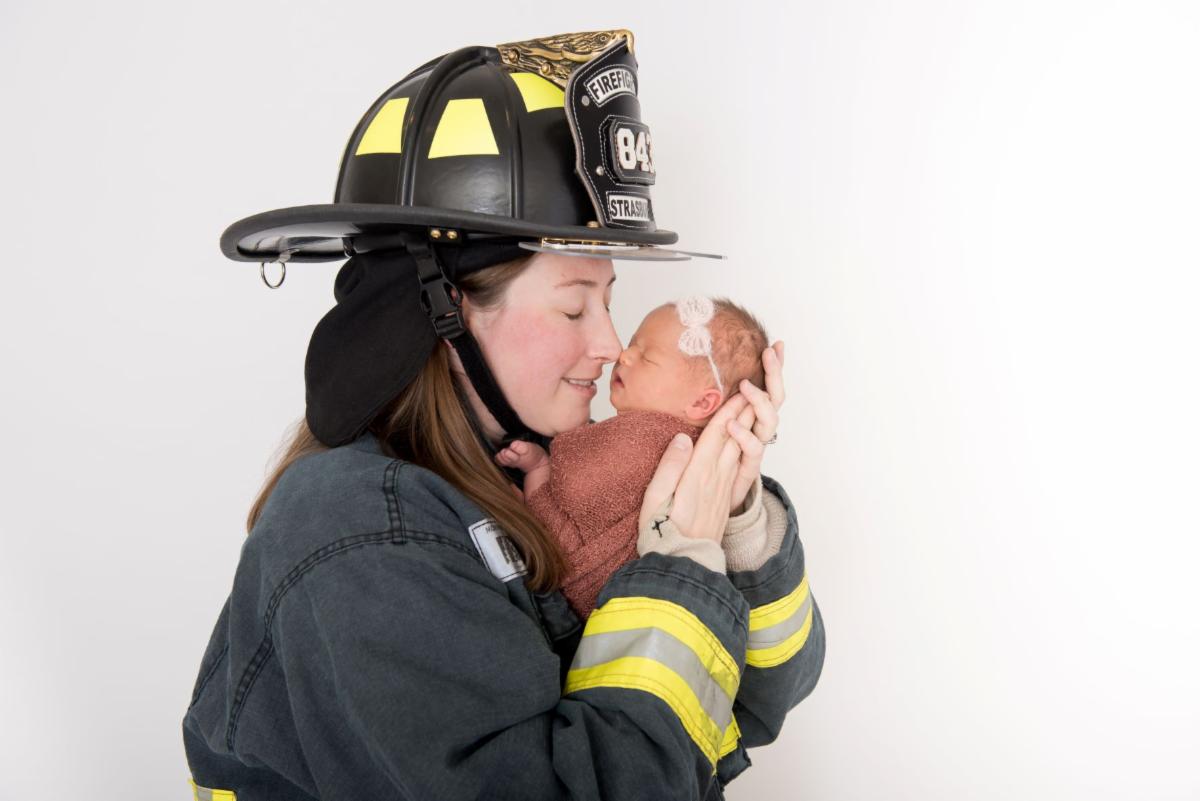
Name: Sara Mullins, FF, EMT


State: Colorado


Why did you become a FAN?

“As both an EMS provider and a special needs parent, I learned first-hand the incredible challenges these patients face in both the healthcare and education systems. When I heard about the FAN program, I saw it as a chance to use my life experiences to help other families out there and hopefully leave the world a little better than I found it.”


What is the most important thing for emergency practitioners to know about caring for children in emergencies?

“When treating children, once they are physically stable, take a little extra time to consider their minds, too, and limit the trauma of such an uncertain experience. No matter how young they are, they are watching and learning. Sometimes the best care doesn't always come only from a medication box, but also your words and actions to treat the whole child. Any kindness, understanding or comfort you can give them will go a long way towards supporting them in the fight they have ahead. If you are not comfortable with children, don't be afraid to ask for someone who is to accompany you while caring for them. It's not a weakness to ask for extra help, but a strength to care about a child so much to do so.”

Resources Round-Up:

Featured resource: In honor of November as National Epilepsy Awareness month, be sure to check out the Pediatric Education and Advocacy Kit (PEAK): Status Epilepticus, featuring an interactive learning module for prehospital practitioners. Since 2021, over 5,500 prehospital practitioners have completed the interactive module. More than 75% of learners report the lesson to be high quality and better than most online EMS courses they have taken.

Policy statements


Clinical resources


EMSC grantee resources


Other resources

Upcoming Events, Conferences, and Deadlines:


Action opportunities:


Funding opportunities:


Career opportunities:


Honors & Awards


Five Stories Worth Reading


  1. It’s not just RSV that’s filling pediatric hospital beds,– CNN, Nov. 3 (by Moira Szilagyi, MD, PhD, FAAP, president of the AAP)
  2. Respiratory infection surge sounds a wake-up call for pediatric emergency care – Stat, Nov. 3 (by Marc Auerbach, MD, MSci, a member of EIIC's leadership team)
  3. How to Manage Acute Agitation in Children – ACEP Now, Nov. 9 (by Ashley Foster, MD; Joyce Li, MD, MPH; and Jennifer Hoffmann, MD, on behalf of the EIIC)
  4. 'I've Never Seen Anything Like This' in the Pediatric ED— Greater awareness and support can help reduce the strain I've Never Seen Anything Like This' in the Pediatric ED, - Medpage Today, Nov. 10 (by Sage Myers, MD, MSCE, an EMSC Program grantee)
  5. Study finds ‘huge’ increase in children going to the emergency room with suicidal thoughts – CNN, Nov. 14
Visit our website >>

Have news, resources, or events to share? Email us!

The EMSC Innovation and Improvement Center is supported by the Health Resources and Services Administration (HRSA) of the U.S. Department of Health and Human Services (HHS) as part of an award (U07MC37471) totaling $3M with 0 percent financed with nongovernmental sources. The contents are those of the author(s) and do not necessarily represent the official views of, nor an endorsement, by HRSA, HHS or the U.S. Government. For more information, visit hrsa.gov.

Connect with us on social media

Facebook  Instagram  LinkedIn  Twitter  YouTube
LinkedIn Share This Email