GeoCatch acknowledges the Wadandi Saltwater people, the Traditional Owners of this land, and recognise their continuing connection to lands, waters and communities. | | The latest sustainable farming news from GeoCatch | | |
We've been speaking to landholders at the moment with great concerns about the near future with regards to access to fertiliser as well as the rising diesel prices.
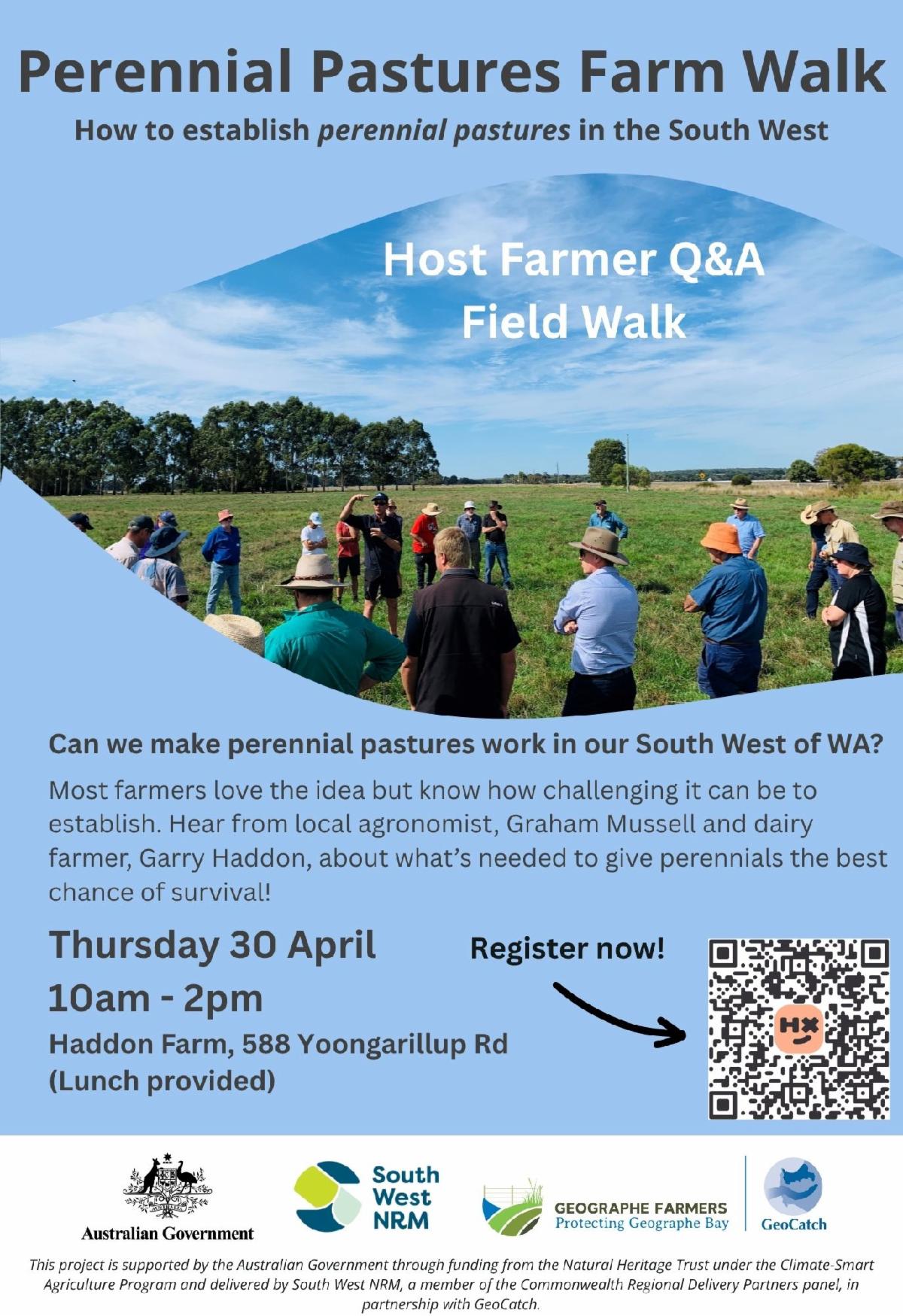
Come along to our upcoming Farmers After Five event, with local agronomist, Sam Taylor, and Rural Men's Health Initiative, and chat about the current situation and what's happening right here in our catchment.
| | | Mulloon Institute's Rehydrating landscape in action | | |
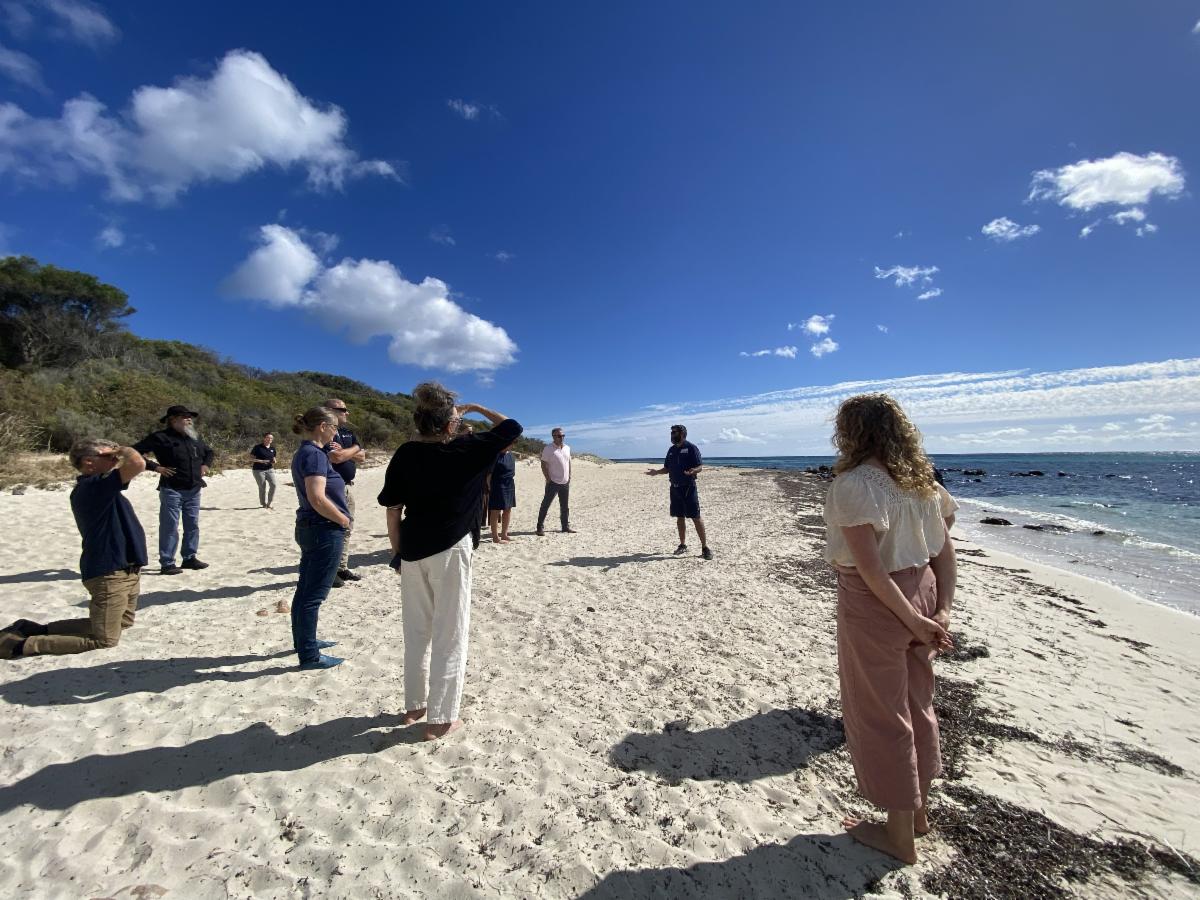
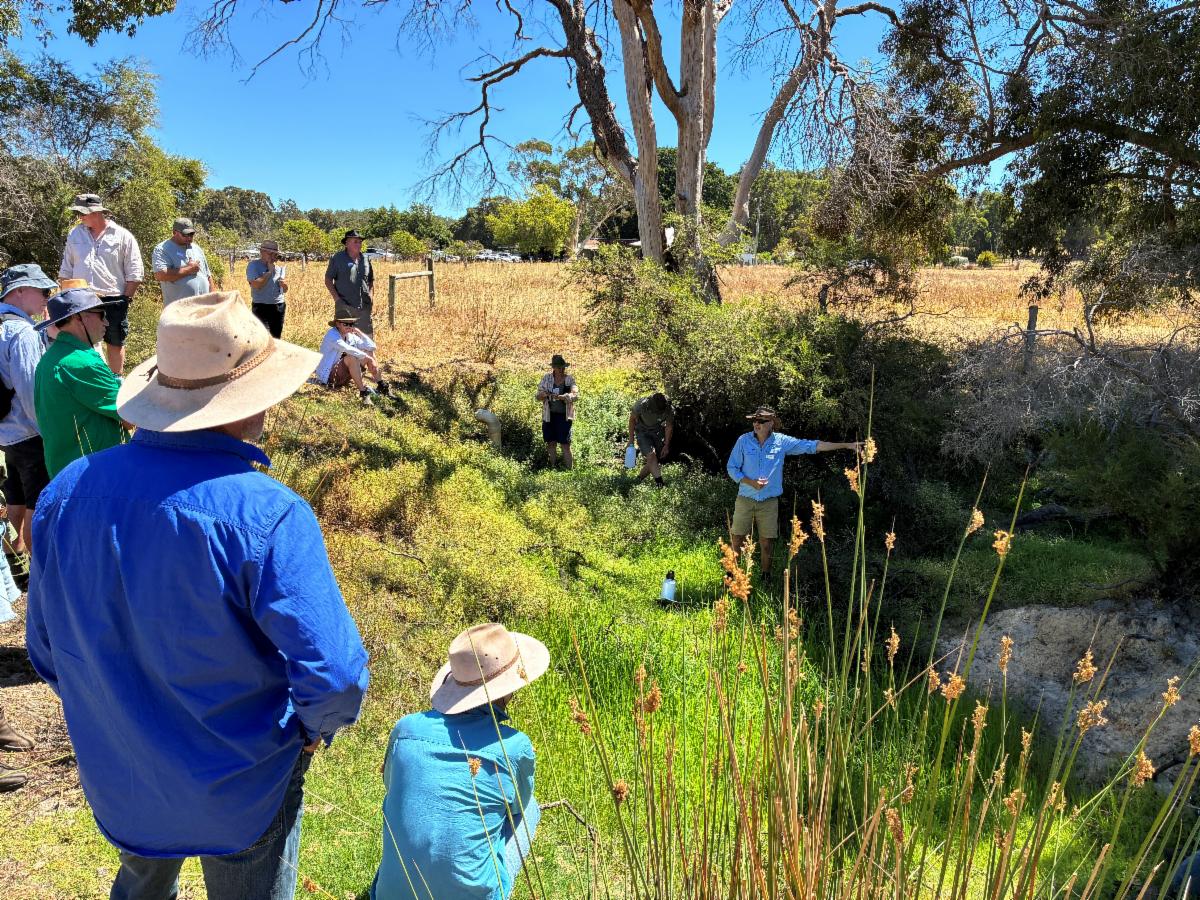
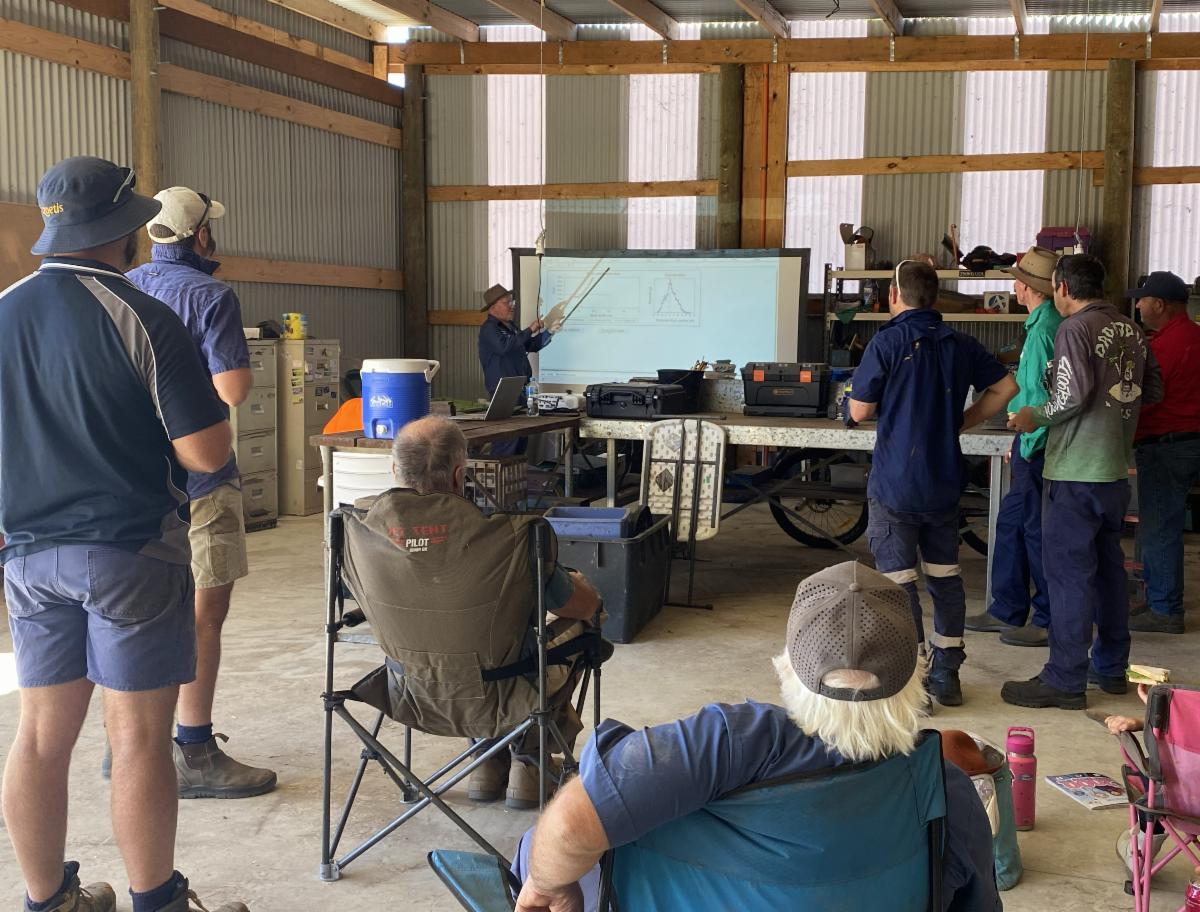
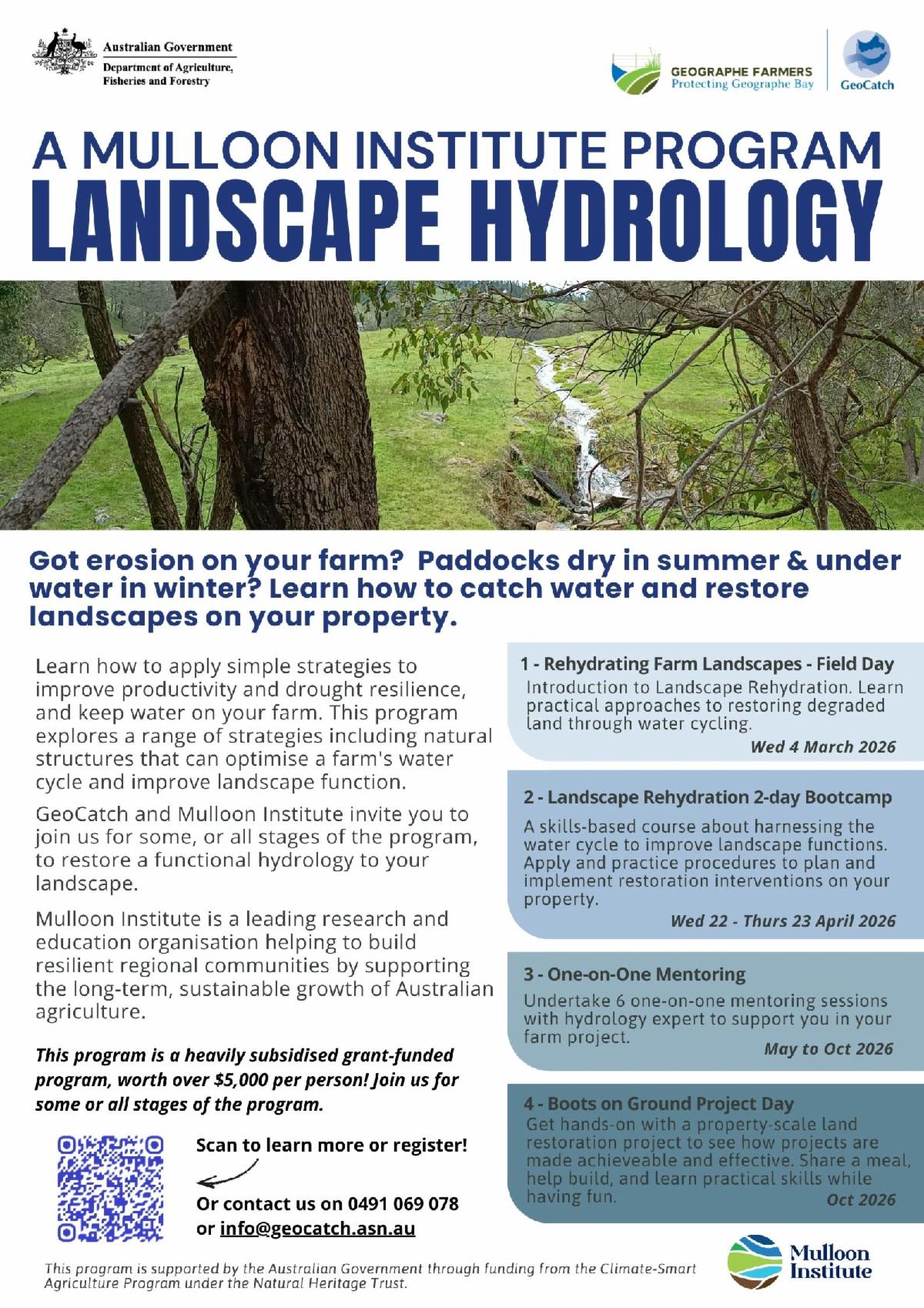
A sold-out crowd gathered recently at Barry and Dale Green’s Boronia Farm in Paynedale for the Rehydrating Farm Landscapes Introductory Field Day, delivered in partnership with GeoCatch and the Mulloon Institute.
Landholders came together to learn strategies for restoring landscape function, improving water resilience, and building sustainability into their farming practice.
| | |
With many landholders facing challenges such as water rapidly running off paddocks after heavy rain or areas that swing between winter flooding and summer dryness, the program offers practical, proven strategies to hold water in the landscape and restore ecological balance.
Hydrologist Lance Mudgway, with over 20 years’ experience managing surface and groundwater in Western Australia’s agricultural areas, led participants through the fundamentals of natural landscape function, demonstrating how water behaves across different surfaces and how features such as chain-of-ponds and step-pool sequences help dissipate energy.
| | | This program is supported by the Australian Government through funding from the Climate-Smart Agriculture Program under the Natural Heritage Trust. | |
Grazing Matcher Round-Up:
Feed quality, pests and pasture decisions!
| | |
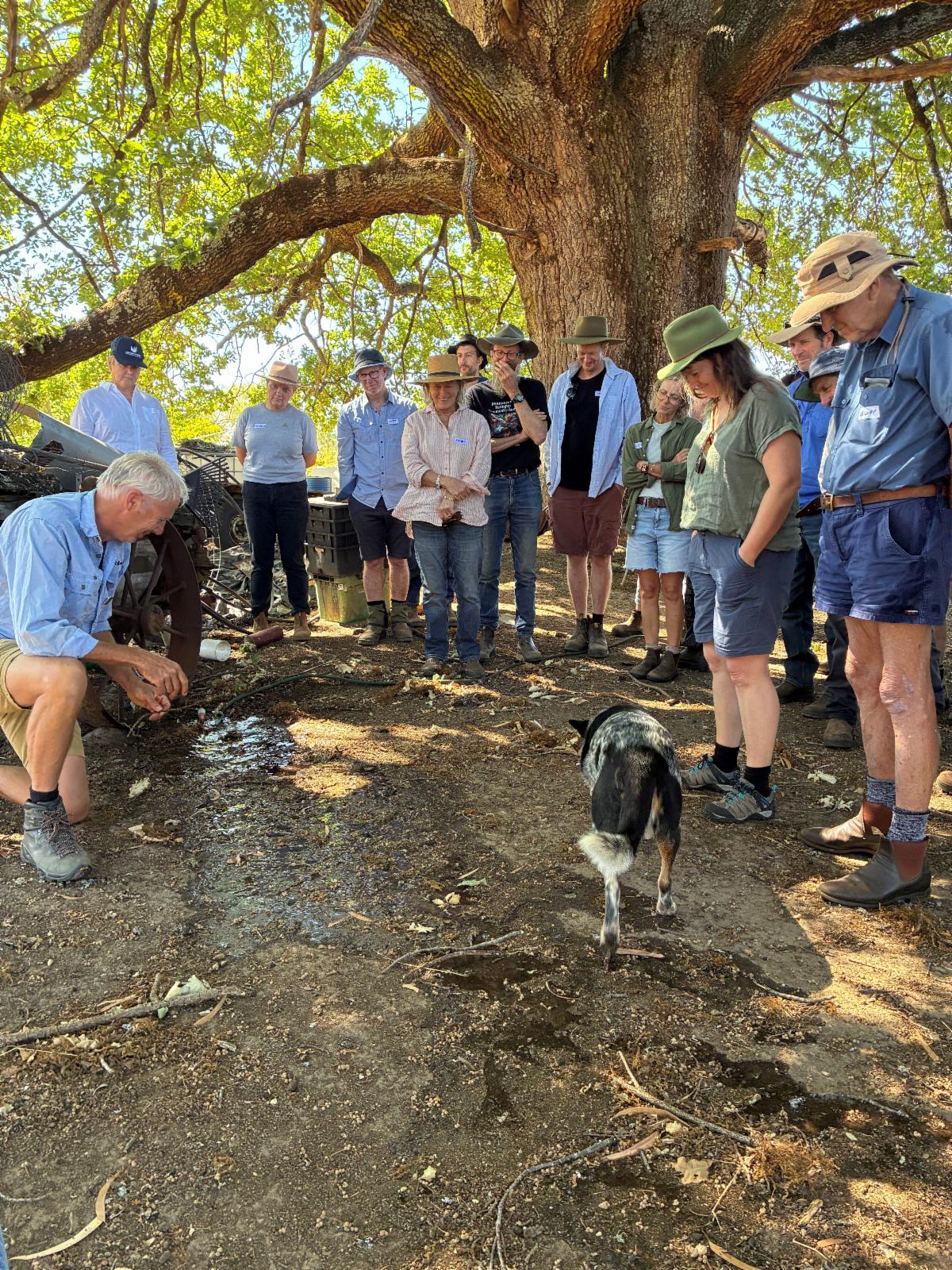
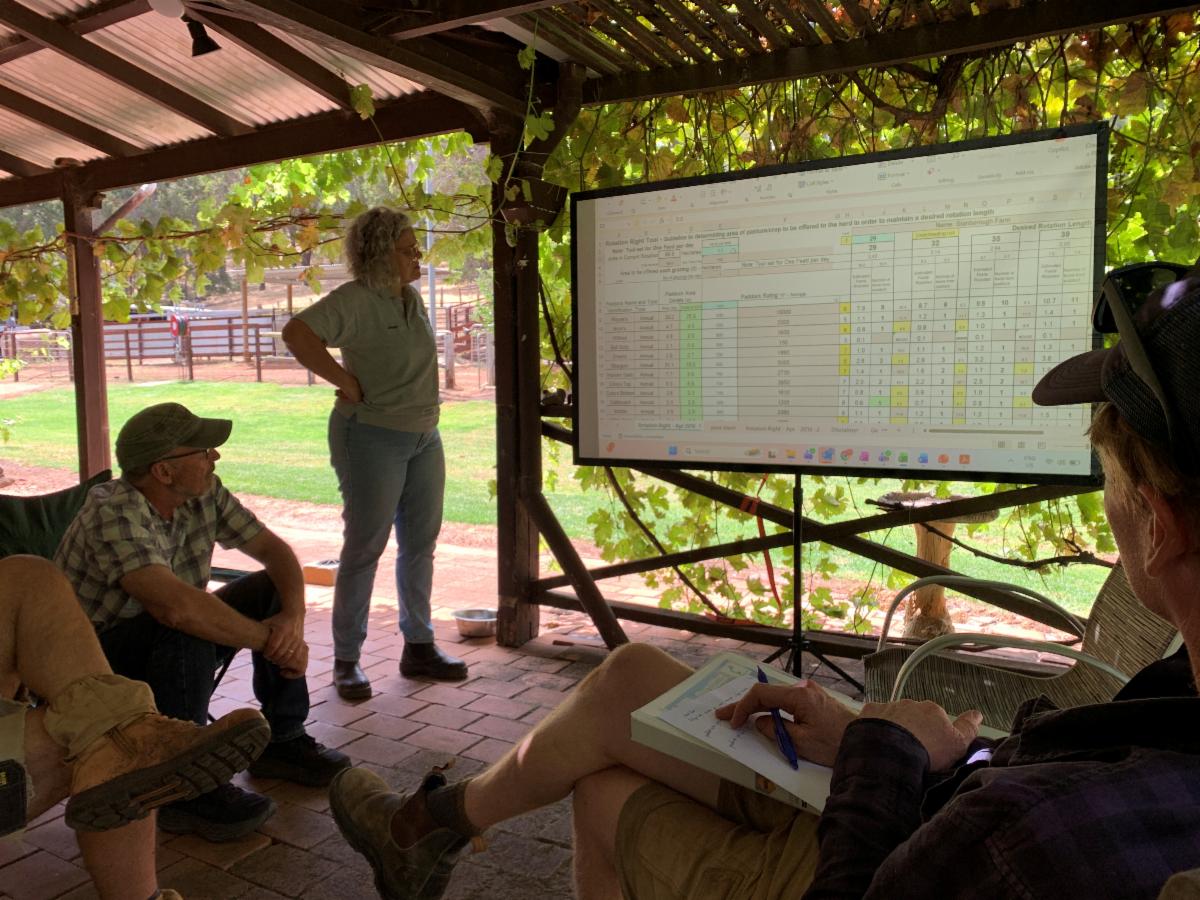
The close-knit Grazing Matcher group covered a lot of practical ground in the most recent session, especially around feed quality and nutrition.
A key reminder was the importance of weighing any hay you purchase. Bale weights can vary, and paying by the roll versus by the tonne can make a big difference to cost and value. If you’re buying hay or silage, ask for nutritional information. If you’re growing your own, take core samples and get them tested (FeedTest and Forage Lab are both good options). GeoCatch have a forage testing kit available to borrow - just get in touch.
We also discussed the daily energy needs of different classes of cattle, from dry cows to early‑weaned calves to bulls. Requirements vary widely, so knowing what’s actually in your feed is essential. More digestible feed generally means more energy. If stock aren’t chewing feed down properly, it may not be meeting their needs.
Pasture management was another topic of interest, including the pros and cons of locking up paddocks to self‑seed versus grazing them off. Farmers also raised ongoing challenges with rabbits and wild pigs, including Calicivirus release timing and follow‑up control options.
The last session of this round will take place in early April, and participants will join the Grazing Matcher (GM) Alumni and become part of the South West GM graduate online community - joining a group of over 100 farmers that bounce concerns/problems off each other and receive advice from experts Jeisane Accioly and Dan Parnell.
| | This program is supported by the Australian Government through funding from the Climate-Smart Agriculture Program under the Natural Heritage Trust. | |
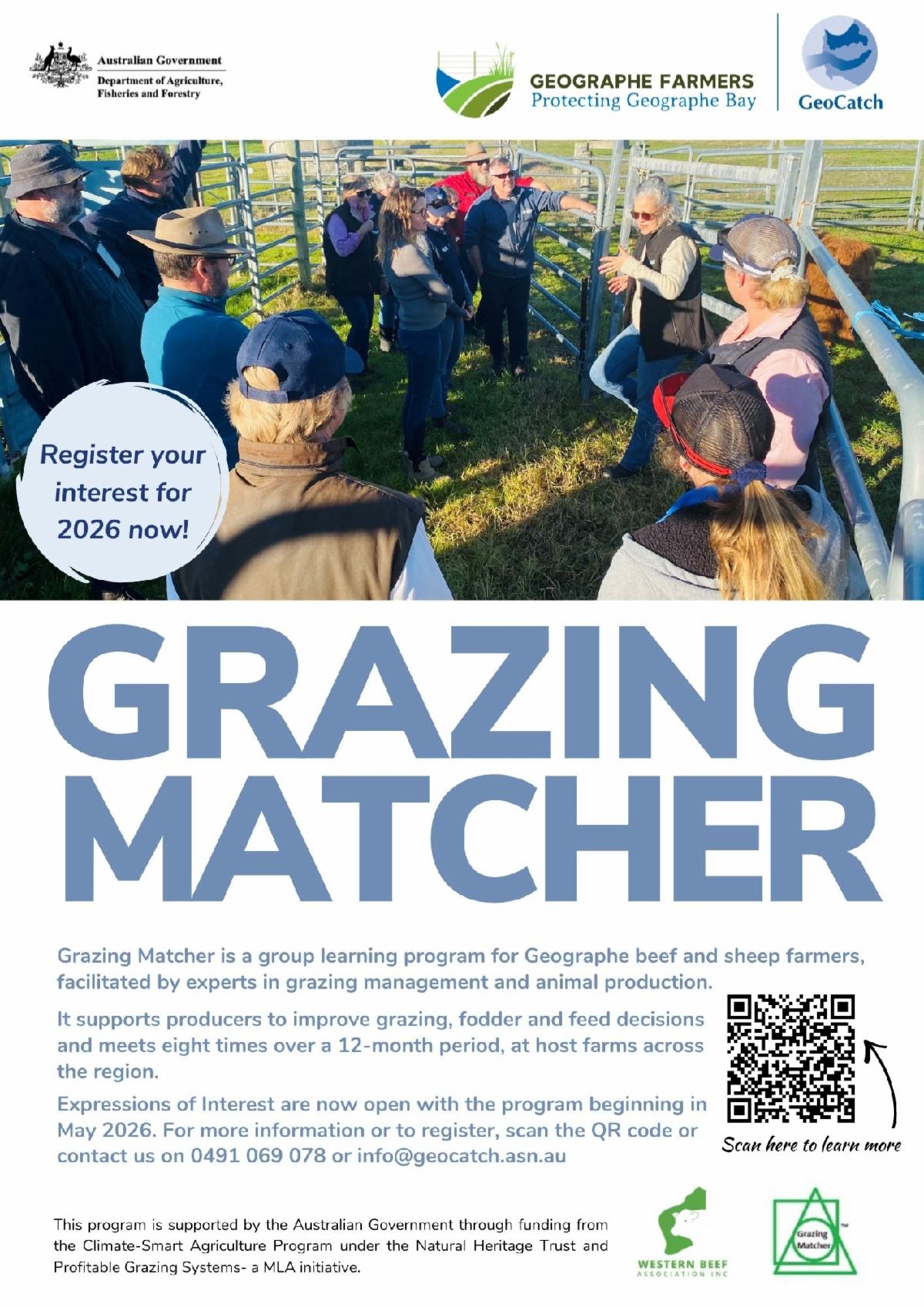
2026 Grazing Matcher Expressions of Interest
NOW OPEN!
| |
Are you keen to gain practical insights into pasture growth, livestock needs, and seasonal planning, then joining the next round of Grazing Matcher program is for you! With guidance from local experts, participants learn how to match feed availability with livestock demand, optimise pasture utilisation, and plan ahead for seasonal changes.
Whether you're new to grazing management or looking to refine your approach, the Grazing Matcher program, will help to improve farm productivity and sustainability.
| | This program is supported by the Australian Government through funding from the Climate-Smart Agriculture Program under the Natural Heritage Trust. | |
Accu-Spread Demo Day shows farmers
what their spreaders are really doing
| | |
Nothing exposes the truth about a fertiliser spreader quite like lining it up in a paddock and putting it to the test, and that’s exactly what farmers from across the Geographe catchment did at GeoCatch’s recent Accu-Spread Demonstration Day at Macleay Farm, Rosehaven in Boyanup.
With nutrient prices high and every kilogram counting, farmers were keen to see whether their gear was spreading evenly… or just spreading!
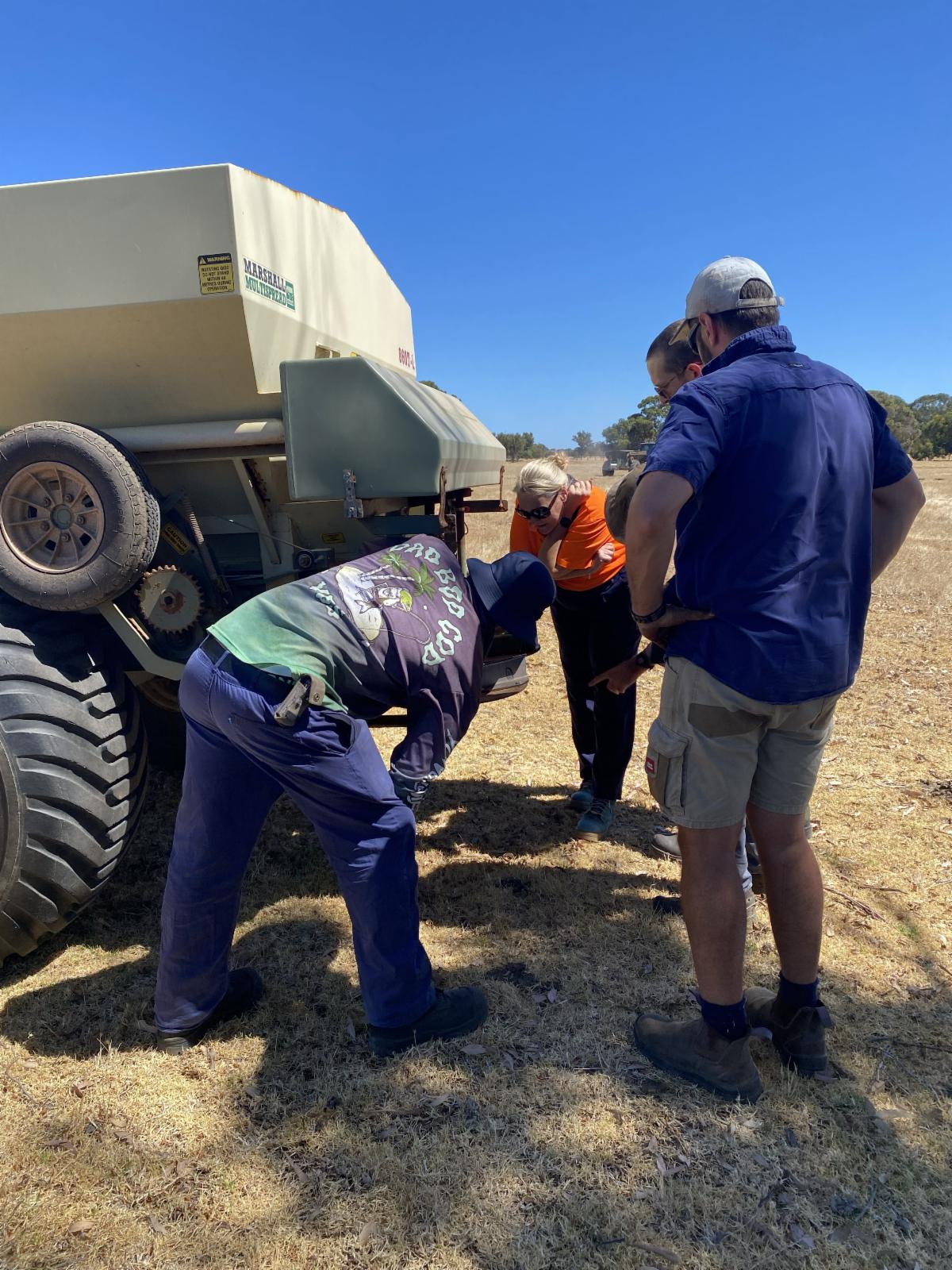
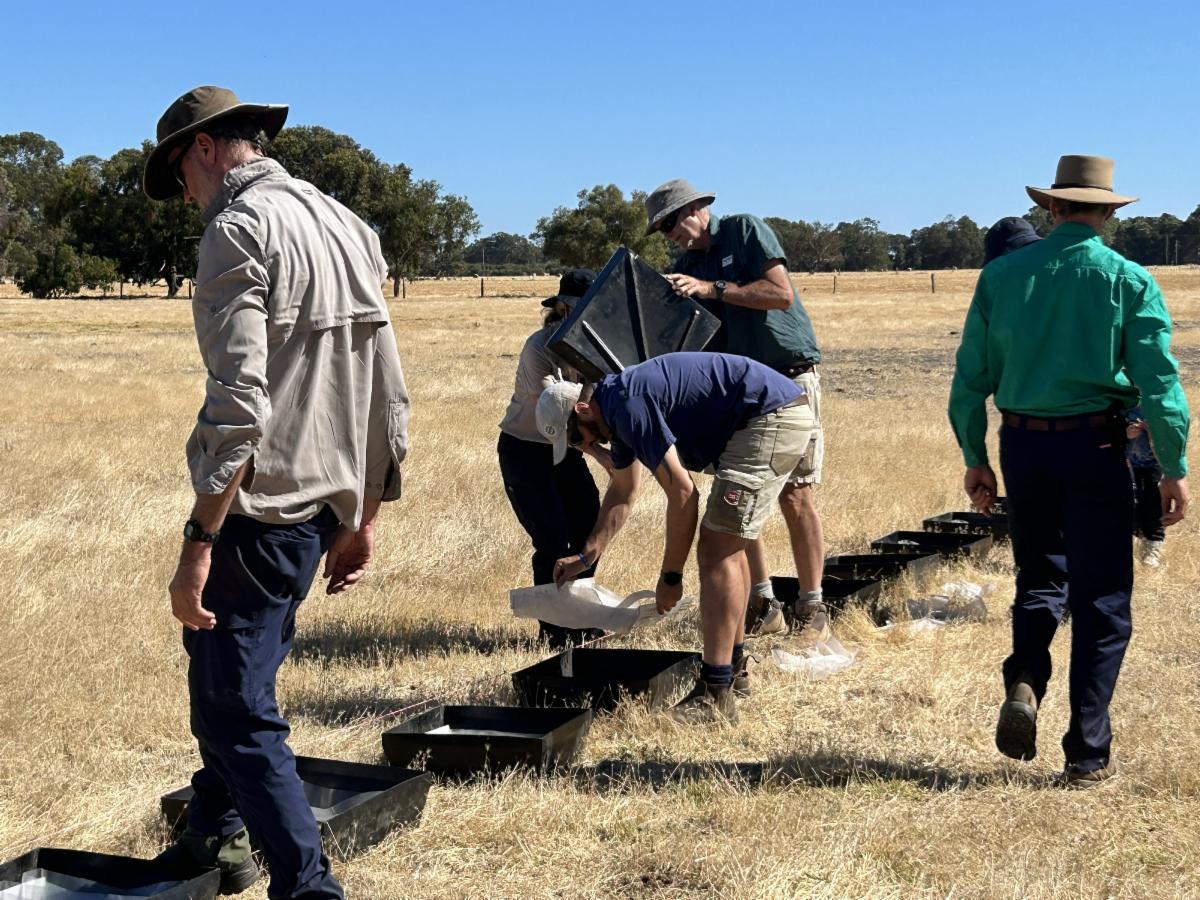
Four spreaders ran testing Superphosphate, Urea and NKS32, giving farmers a clear look at how different machines and settings shaped the spread pattern. Australian Accu-Spread expert Russell Nicol led the testing, showing how small tweaks in speed, setup and calibration can turn a patchy spread into a precise one.
GeoCatch Project Coordinator Jenelle Schult said, "Accuracy matters and uneven spreading can leave some areas overloaded and others deficient of nutrients. The demos make the point obvious, and helping to improve accuracy means better pasture growth, less wasted fertiliser and fewer nutrients washing into local waterways".
| |  | This annual event is open to all farmers and is offered as a part of the Geographe Soil Testing Program. To register your interest in the 2026/27 program, simply complete the EOI below. | Above: Russell provides advice on what adjustments can be made to spinners to make the spreader pattern more efficient. | | Above photo: Everyone lends a hand to weigh the fertiliser collected in the trays after a pass. | |
Soil testing workshops help farmers
turn results into action
| | |
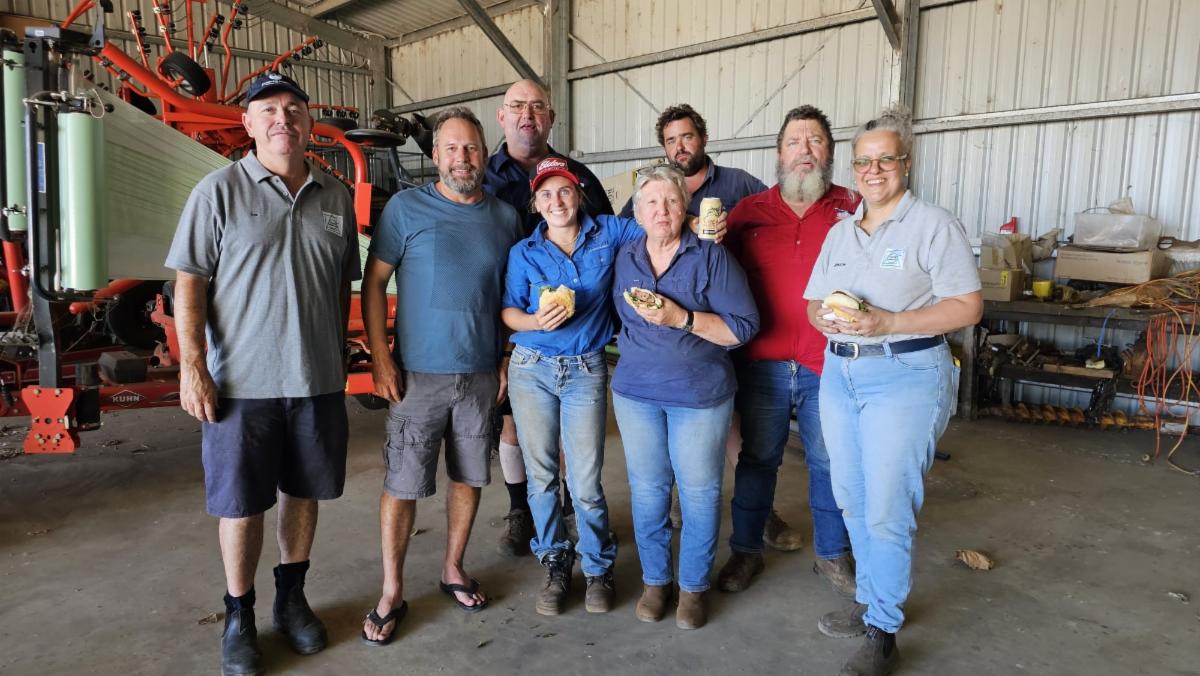
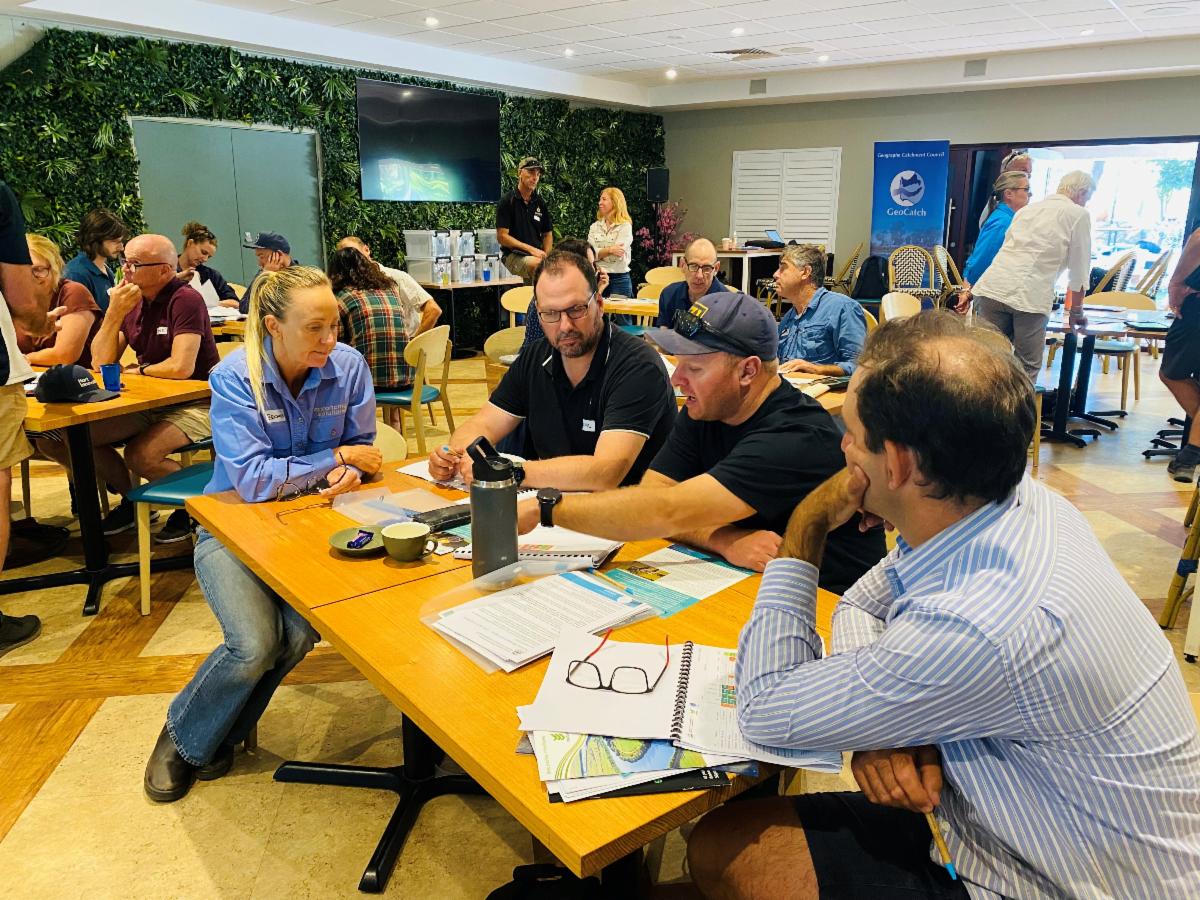
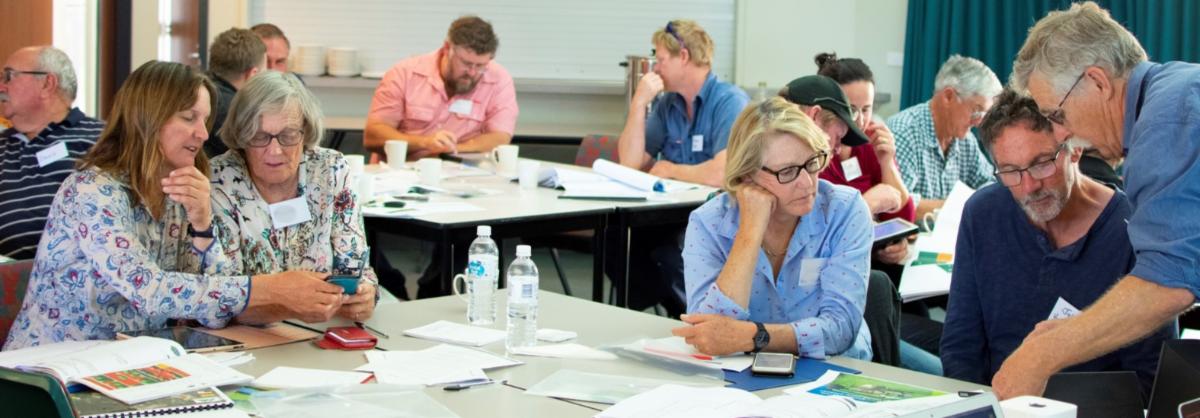
The Geographe Soil Testing Program wrapped up its annual results workshops last week, bringing together 40 farmers over two days to explore their latest soil test results and connect with nutrient experts from DPIRD and local agronomists.
The sessions offered a mix of technical learning, practical discussion, and community connection. Many farmers even met neighbours they’d never crossed paths with before.
The workshops gave participants the chance to sit down with nutrient specialists, unpack their soil test reports, and talk through fertiliser decisions tailored to their paddocks. For many, the value came not just from the numbers, but from understanding how those numbers change over time.
Ross, a Geographe beef farmer who has been part of the nutrient management program for several years, spoke about the power of building a long-term soil story.
“The great thing about this program is you build up a historical knowledge of where you were and then where you are now and where you want to head to. So I can’t recommend it enough."
| | Got plans to plant this Spring? | | |
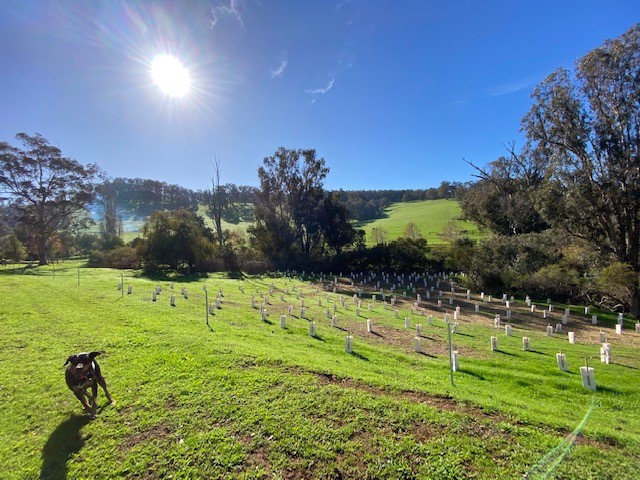
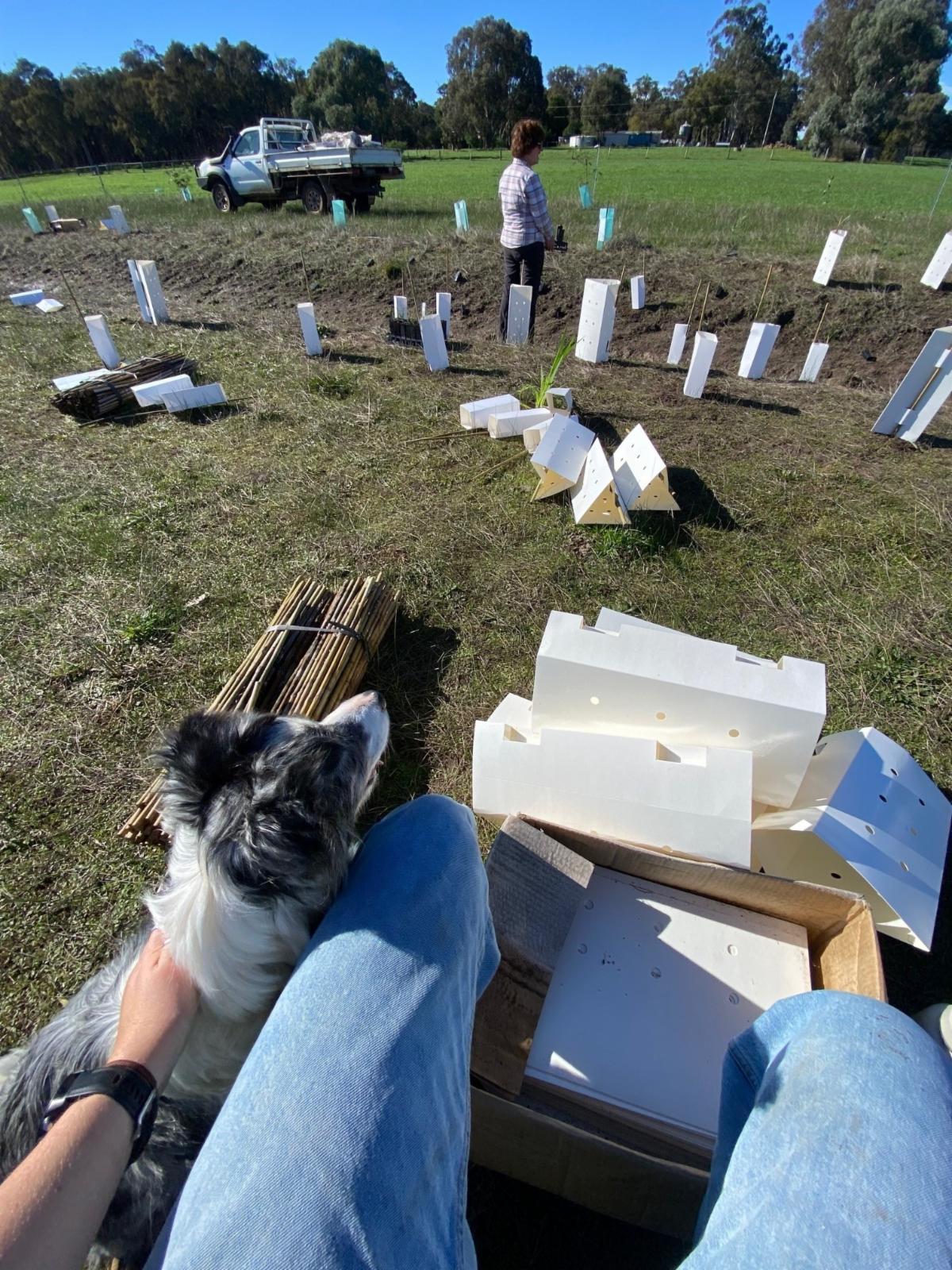
If you’ve got plans to plant out areas of your property this spring, now’s the time to get your site prepared so you’re ready for a successful planting program come June and July. Good preparation not only boosts survival rates but also helps young plants establish quickly and cope better with the dry, hot summers we experience here in the south west.
Weed control is one of the most important early steps and Autumn is the perfect window to reduce annual weeds before they set seed and to tackle perennial species while soil moisture is still building. Whether you’re spraying, slashing or using targeted grazing, reducing competition now means your seedlings will have far better access to moisture and nutrients through winter.
It’s also worth taking a close look at your soil. Many properties in the catchment have compaction layers, hyrdophobic soils or acidity issues that can limit plant growth. Simple checks like digging a few test holes or doing a quick infiltration test, can help you decide whether ripping, mounding, or soil amendments are needed.
| | |
Preparing access tracks and marking out planting zones now will also make winter planting days run far more smoothly.
Finally, think about protection. If you have livestock, plan ahead for fencing or temporary exclusion so new plants aren’t grazed off before they establish.
In more exposed areas, tree guards or brush matting can help reduce wind stress and retain soil moisture.
With a bit of early planning and preparation, you’ll be well placed to make the most of winter rains and set your revegetation project up for long‑term success.
| | | This event is supported by the Australian Government through funding from the Climate-Smart Agriculture Program under the Natural Heritage Trust and RegenWA's Make Your Hectare Count Project, through funding from the Western Australian Government’s State NRM Program. | | New project to protect Broadwater Wetlands | |
We are thrilled to announce that GeoCatch was successful in receiving funding through the State Government's State NRM 2025–26 Community Stewardship Grants for a new project focused on protecting Broadwater Wetlands from feral animals.
The Broadwater Wetlands are one of Busselton’s most important Conservation Category wetlands, and this project will help tackle the growing pressure from feral animals that threaten both the ecological and cultural values of the area.
The project will bring together landholders, community groups and agencies in an effort to identify, monitor and reduce feral animal populations in and around the wetlands.
To help locals get involved, GeoCatch will be rolling out workshops, resources and practical support for landholders keen to take part in feral animal control across the project area and the wider Geographe Bay Catchment.
Watch this space! More information to follow as this project gets up and running!
| This project is supported by the Western Australian Government’s State Natural Resource Management Program, delivered through the Department of Primary Industries and Regional Development. | GeoCatch welcomes new Executive Manager | | |
Earlier this year, the GeoCatch team welcomed Drew McKenzie as its new Executive Manager, bringing with him many years of experience in conservation and community partnerships across the south west.
Drew joins the team after serving as General Manager at Nature Conservation Margaret River, where he played a huge role in building on‑ground programs and strong relationships with landholders, volunteers and partner organisations. He has a long involvement in conservation work and an understanding of the environmental challenges facing the region, so we are really excited to have him join us!
If you spot Drew at one of our events, be sure to say hello and welcome him to the GeoCatch community.
| | |
Agriculture Sector Fuel Supply Survey | |
To help inform the WA Government's policy response to current fuel supply challenges, the Grower Group Alliance is engaging with grower groups and primary producers across WA, and invites you to share your current fuel situation, and anything you have observed in your local area regarding the supply and/or price of fuel via the survey link below.
Your insights into current fuel supply dynamics will guide government efforts to get fuel supply to regional areas in need.
This information will be provided to government via GGA's participation in the Fuel Industry Operations Group (FIOG), convened by Minister Sanderson.
| The GeoCatch shed is bursting with gear! | | |
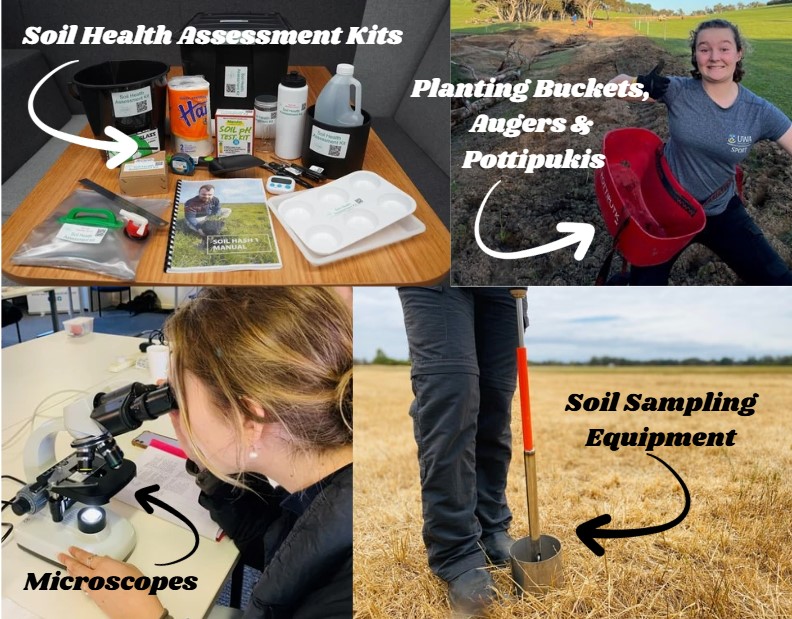
GeoCatch has a range of handy tools available for landholders to borrow, no need to buy the lot yourself!
Whether you're checking soil health, calculating nutrients in your hay or silage, or getting ready to plant, we've got you covered. Just get in touch and we’ll help you find the right tools for the job.
| | Upcoming Programs and Events | | |
Join us for the upcoming Farmers After Five event, where local agronomist, Sam Taylor will be available to discuss the current supply chain issues in the bulk fertiliser market, and share practical tips on managing weeds in the pasture to keep paddocks productive.
Sam will cover simple strategies for staying ahead of weed issues and will be available to answer your questions, so feel free to bring along the challenges you’re seeing on your own place.
Rural Men's Health Initiative will also be there with their hands-on Fast Track Pit Stop® health check. This interactive wellbeing check‑in uses a fun vehicle‑service theme to help you take a quick look at your chassis (waist measurement), oil pressure (blood pressure), and shock absorbers (stress and coping skills).
| | Where do you live in the Catchment? | | |
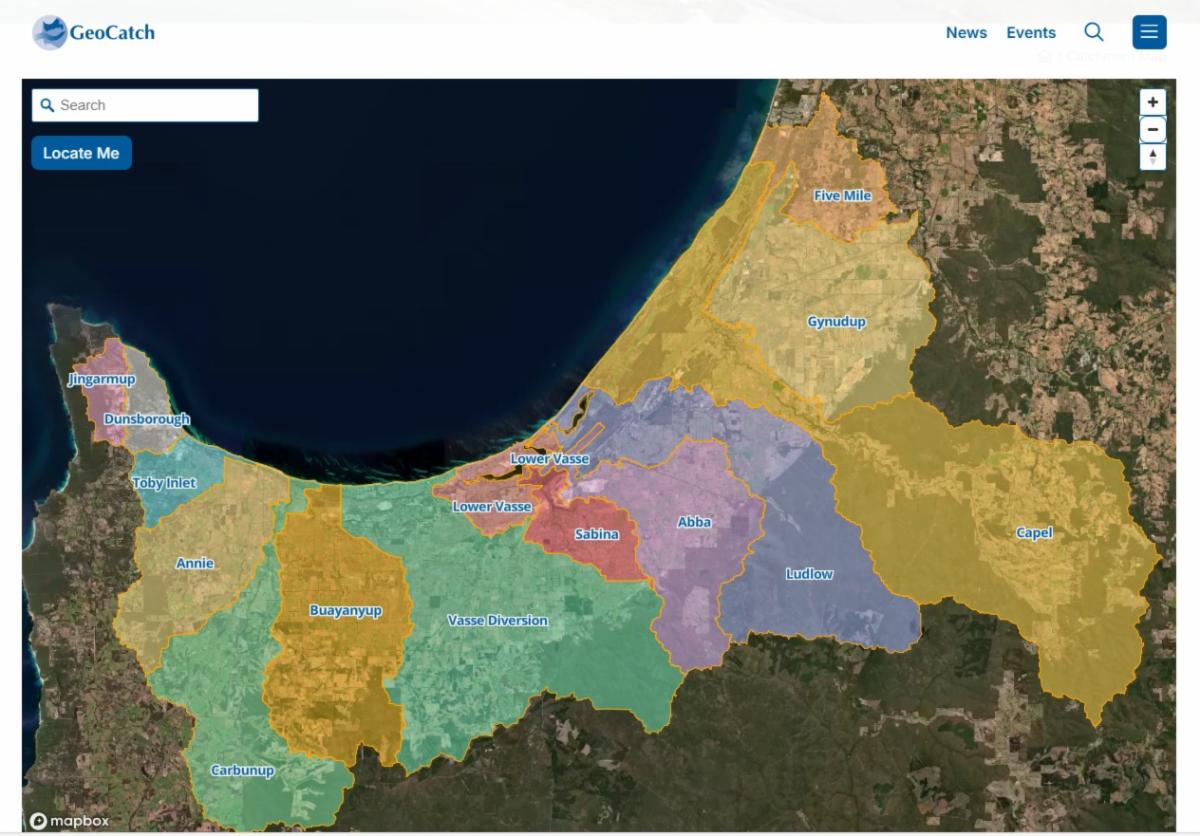
Ever been curious about where you fit into the catchment?
The Geographe Catchment is approximately 200,000 hectares and is divided into 16 distinct sub-catchments, each that flow into Geographe Bay or via coastal wetlands and estuaries.
The new GeoCatch website has an interactive map that allows you to put in your address and it will show you which sub-catchment your property falls into. From there, you can learn about the land uses and environmental values of the waterways in your area, through the Revitalising Geographe Waterways website.
| | Quick links to handy websites | | |
GeoCatch has been working with farmers for 28 years - since 1997!
Contact us to get involved!
info@geocatch.asn.au | 0491 069 078 | www.geocatch.asn.au
| | | | |