GeoCatch acknowledges the Wadandi Saltwater people, the Traditional Owners of this land, and recognise their continuing connection to lands, waters and communities. | | The latest sustainable farming news from GeoCatch | | |
The sun has finally appeared after a long, wet season, recharging our aquifers and dams. As Kambarang rolls in, signs of the season are popping up across the catchment. The rain and cold of Makuru have soaked the soil, and paddocks are starting to dry out, setting the stage for new growth.
Banksias are still blooming, and warmer days are encouraging farmers to start planning for the busy months ahead.
| | | If you’ve been working on a project, noticed changes on your property, or snapped some seasonal photos, we’d love to hear from you. Share your stories or images with us - we always enjoy showcasing the great work happening throughout the Geographe Catchment. | | |
Grazing Matcher wraps up for 2025,
with more to come in 2026!
| | |
The final session for the year brought local farmers together to reflect on everything they’ve explored throughout 2025, from grazing strategies to pasture health.
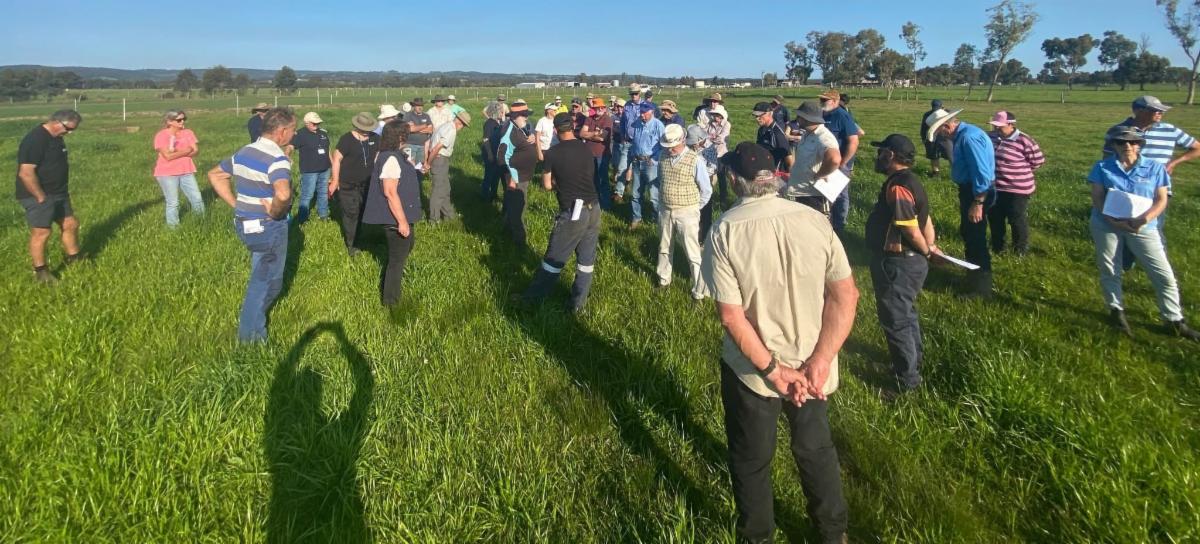
Facilitators Jeisane Accioly and Martin Staines led a deep dive into grazing management using the Rotate Right tool. While a 35-day mob rotation is typical, the group explored how adjusting rotation length can better suit farm operations and pasture growth rates.
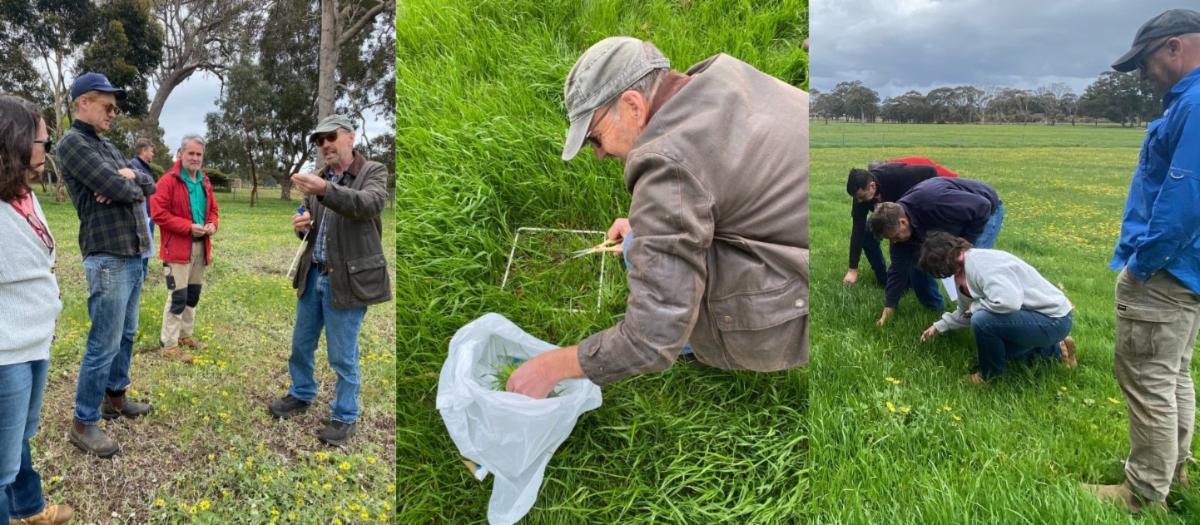
The session was hosted by Wilyabrup sheep farmer Cath Oates, where the group got hands-on in the paddock. Using the Body of Evidence tool, they explored pasture management decisions and practiced condition scoring sheep, an important method for assessing animal health through muscle and fat coverage.
With summer approaching, farmers will now begin soil sampling to assess nutrient levels in their paddocks. This supports smarter fertiliser decisions, applying the right nutrients, at the right time, in the right place, to protect our waterways and boost pasture productivity.
There are still two more sessions to come in 2026, so the learning and paddock chats aren’t over yet! The break over summer gives participants a great chance to review their grazing systems, reflect on what’s working, and think about what they might tweak before the next session. With soil sampling underway and fresh ideas from the final 2025 workshop still buzzing, farmers are well placed to make informed decisions over the summer break.
| | 2026 Grazing Matcher Expressions of Interest NOW OPEN! | | |
Gain practical insights into pasture growth, livestock needs, and seasonal planning through the Grazing Matcher program. With guidance from local experts, participants learn how to match feed availability with livestock demand, optimise pasture utilisation, and plan ahead for seasonal changes.
Whether you're new to grazing management or looking to refine your approach, Grazing Matcher, will help to improve farm productivity and sustainability.
| | This program is supported by the Australian Government through funding from the Climate-Smart Agriculture Program under the Natural Heritage Trust. | | Dam good news for local landholders | | |
GeoCatch is partnering with South West NRM and farmers to deliver the Enhancing Farm Dams project, aiming to restore and enhance farm dams to improve water quality, support biodiversity, and promote sustainable farming systems.
As part of this project, two dam demonstration sites have been set up in the Geographe Catchment.
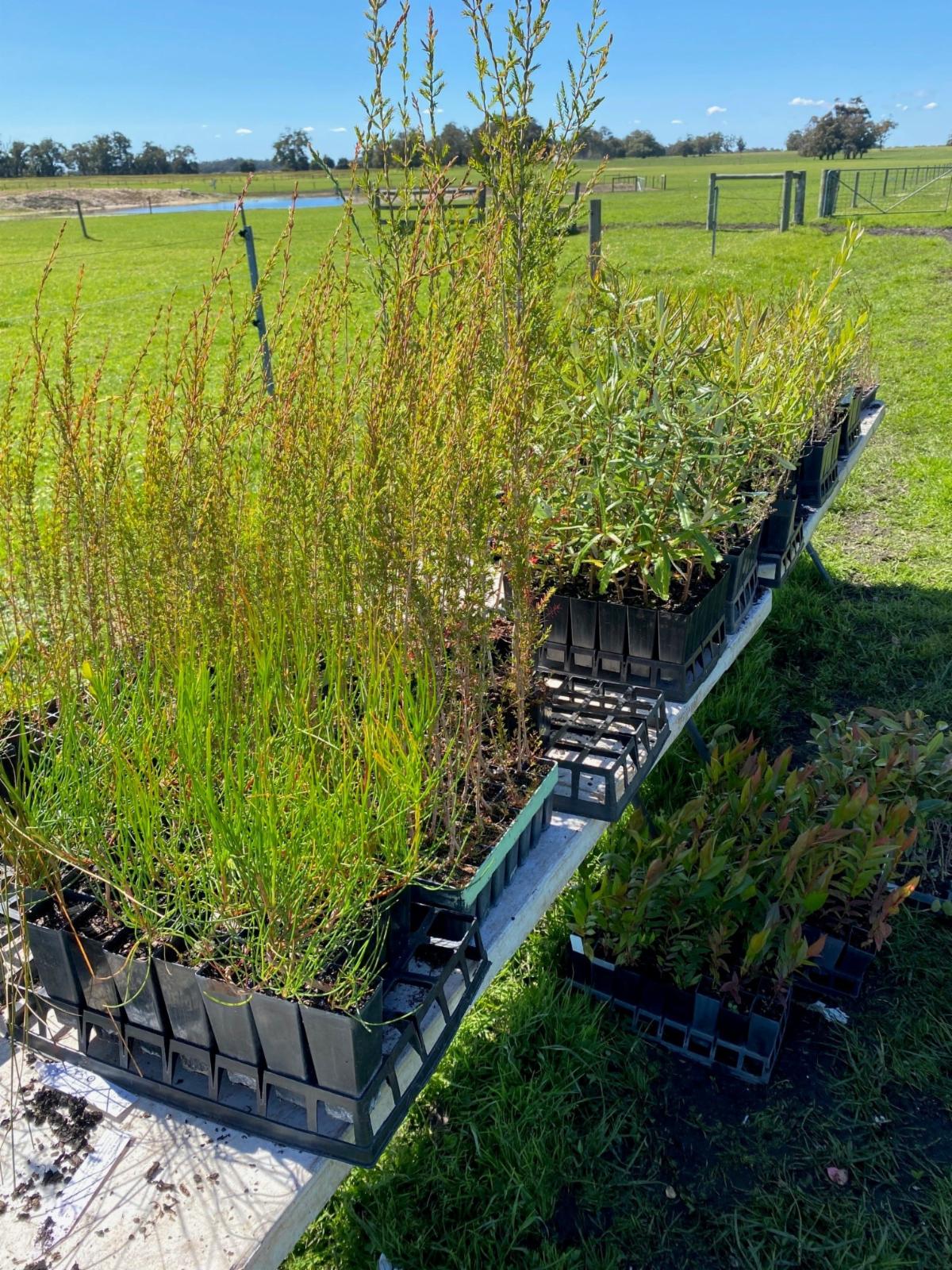
The first is located at the McKenzie family farm in Capel, where site preparation has been completed and plants are now in the ground waiting for the sun to come out! The second site, at the Fry family farm in Upper Capel, is scheduled for planting in winter next year.
These sites will showcase how fencing and revegetation around farm dams can reduce nutrient runoff, improve livestock productivity, and create habitat for native species such as frogs, birds, and fish.
To measure the impact, sensors will monitor water quality and greenhouse gas emissions in real time, tracking methane, carbon dioxide, and nitrous oxide levels. Geocatch will undertake plant survival surveys to measure success, and Curtin University will also assess wetland health using environmental DNA sampling, comparing each enhanced dam to a nearby unfenced dam to evaluate the benefits.
| |  | |
The project builds on national research led by Australian National University’s Sustainable Farms, which highlights the ecological and economic value of small-scale dam improvements. GeoCatch’s involvement ensures that local data and insights contribute to broader understanding and future planning for sustainable land and water management in South West WA.
The project will run for two years, and a field day will be held in 2027 to give landholders the opportunity to visit the sites and learn more about how to get started at your place!
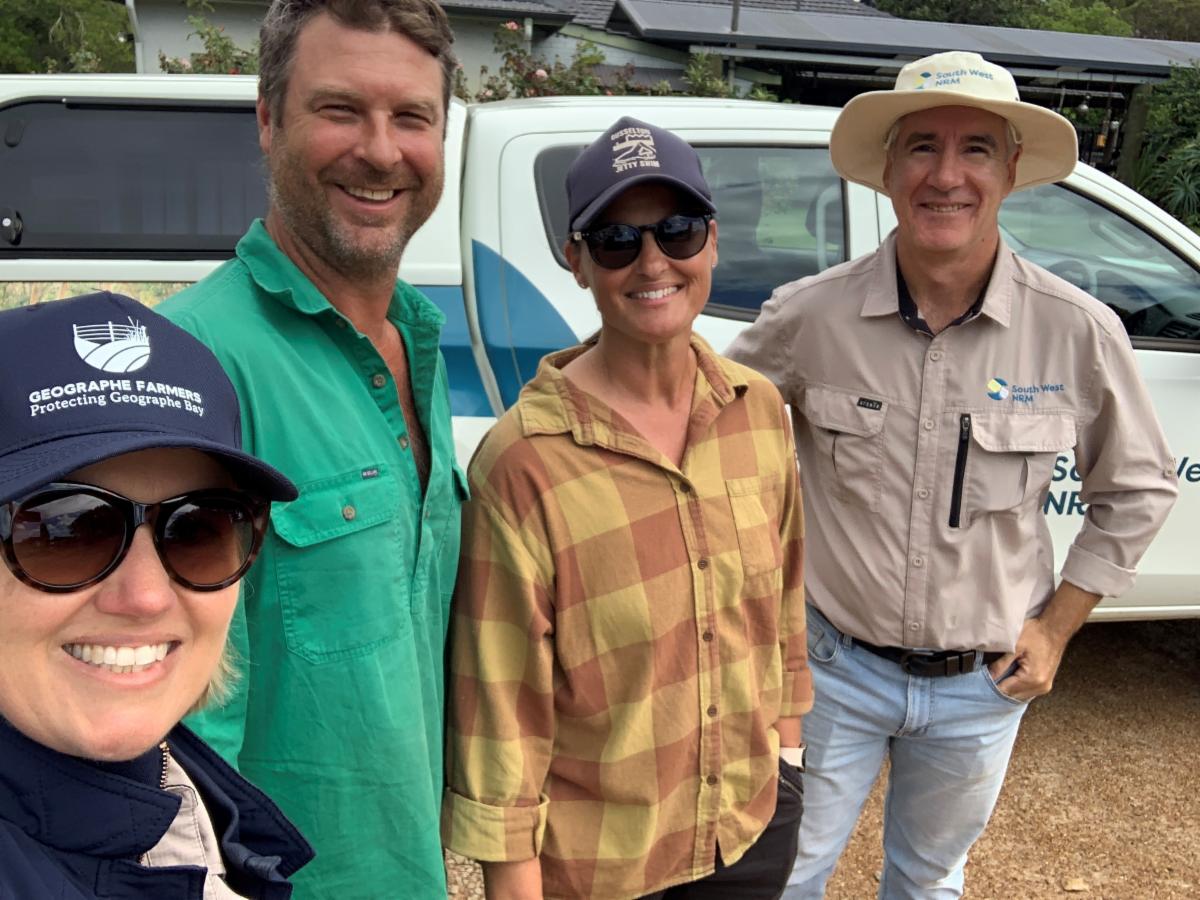
| | Above photo: GeoCatch's Michelle Priest, Landholders Jason and Deb McKenzie and South West NRM's Peter Clifton, onsite to plan the scope of the project. Below: Plants ready to get in the ground. | | This project is supported by the Australian Government through funding from the Natural Heritage Trust under the Climate-Smart Agriculture Program and delivered by South West NRM, a member of the Commonwealth Regional Delivery Partners panel. | | Farmers step 'Outside the Box' | | |
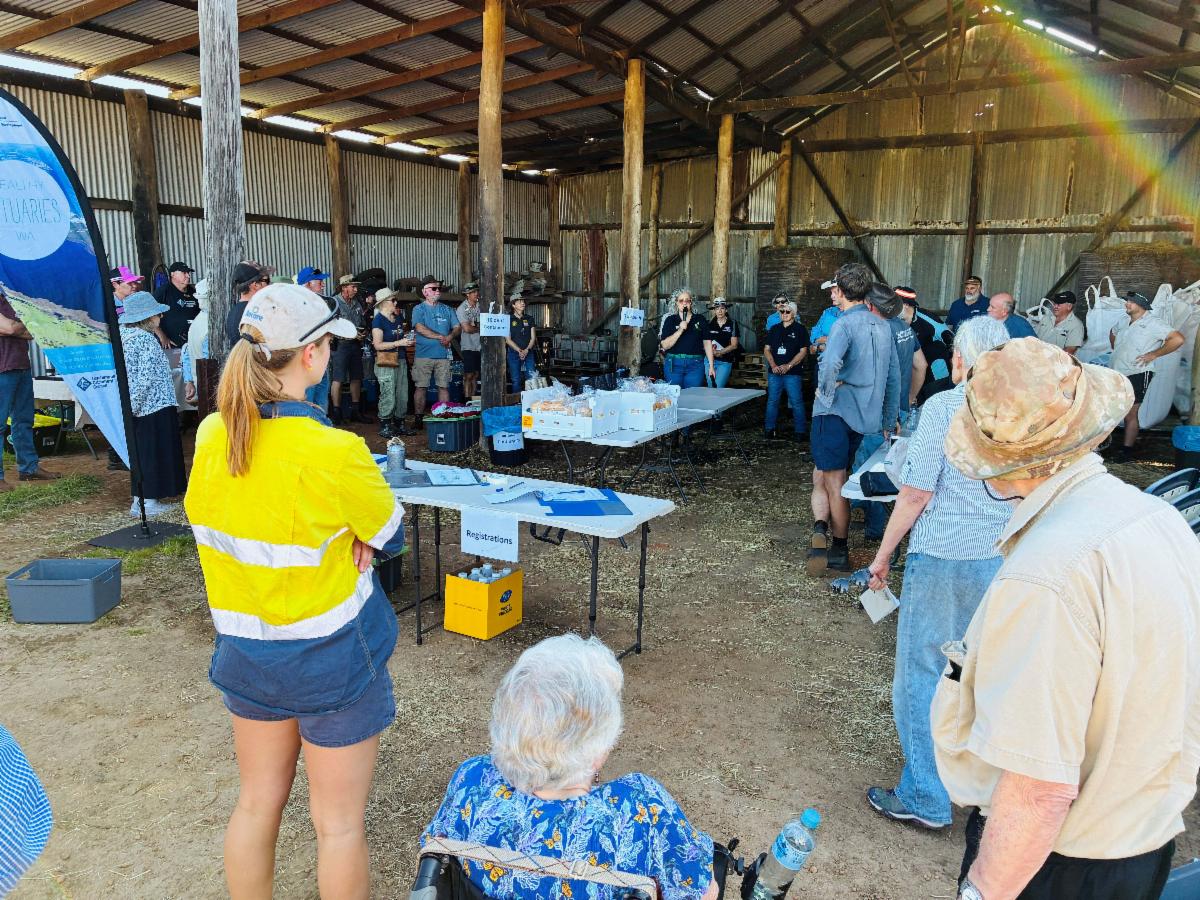
More than 80 farmers from across the South West, including many from the Geographe catchment, gathered in Waterloo last month for Western Beef’s “Walking Outside the Box” event. Proudly supported by GeoCatch, the afternoon was packed with practical insights, good conversations, and a great community vibe.
The event kicked off with a deep dive into Kikuyu-based pasture systems, where Michael McLaughlin and Graham Buttler shared their experience running a high-production, low-input Kikuyu system in southern WA. Their tips on establishment and management sparked plenty of interest and discussion.
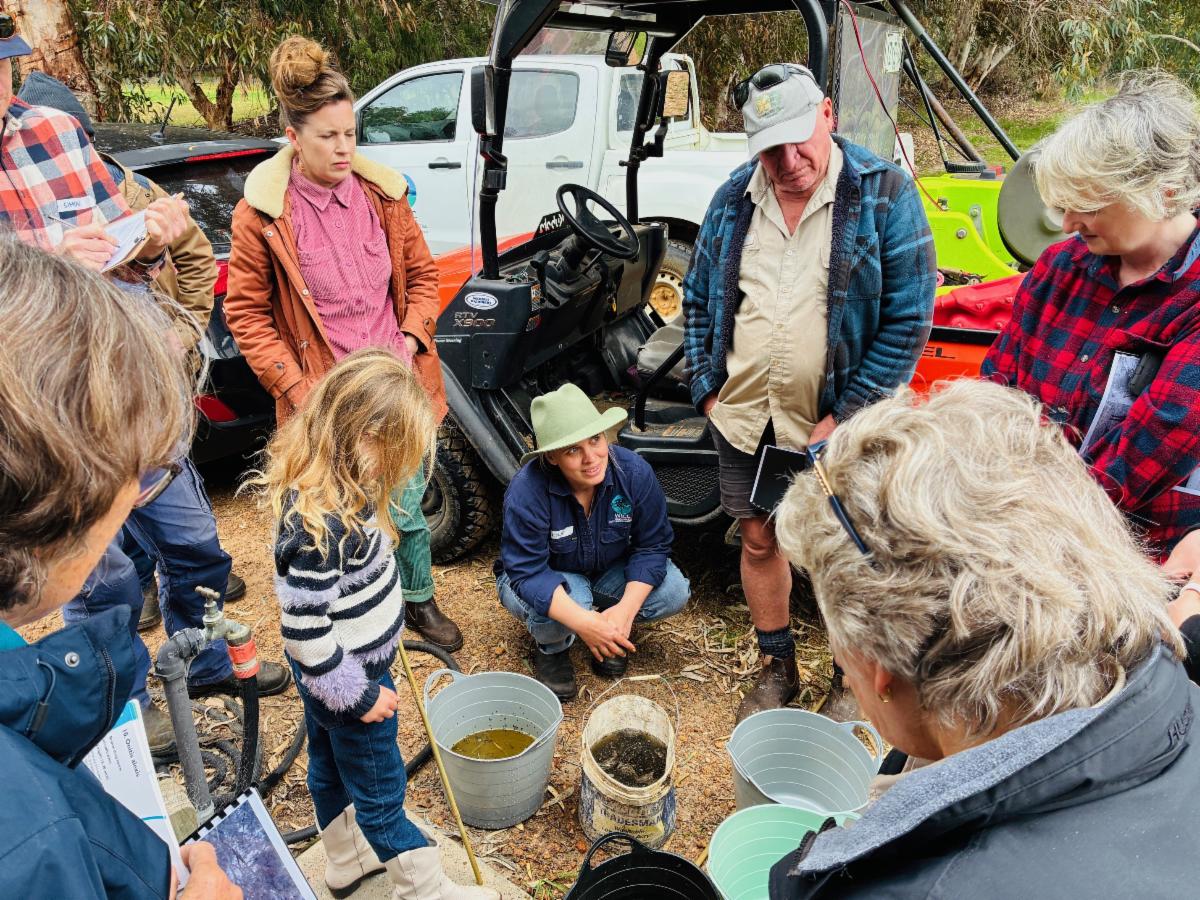
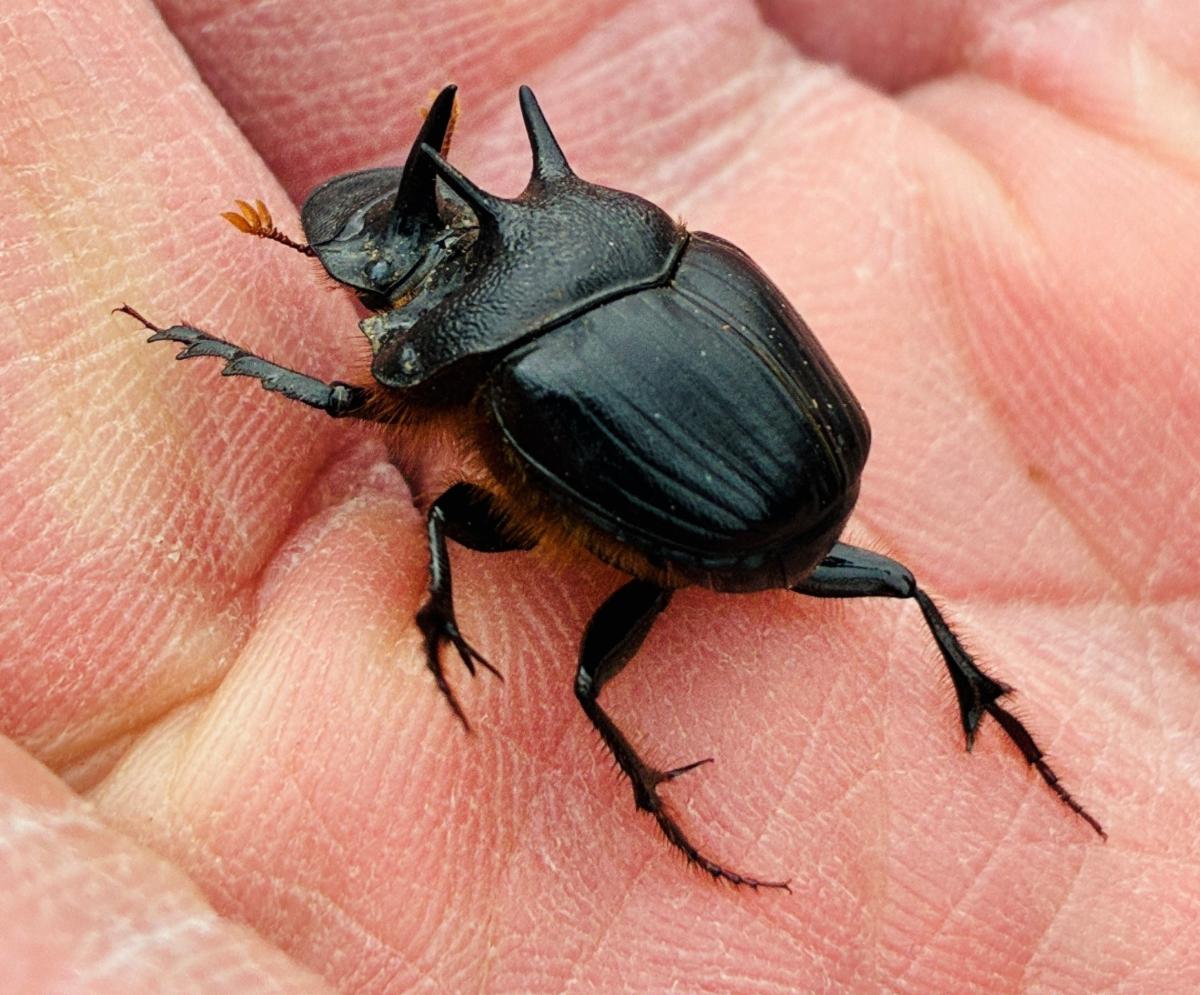
Next up was Kathy Dawson taking a look at dung beetles and their role in improving soil health and livestock productivity. Several species of dung beetles were present in the paddocks which was assisting with better nutrient cycling, leading to healthier soils, and cleaner pastures.
The afternoon wrapped up with some of Jeisane Accioly’s famous BBQ burgers and a relaxed sundowner, giving everyone a chance to catch up, share ideas and enjoy the sunset.
| | This was supported by the Grower Group Alliance through the Evergreen Farming Legacy Group and the Australian Government through funding from the Climate-Smart Agriculture Program under the Natural Heritage Trust. | | Dung Beetles take the spotlight in Quindalup | | |
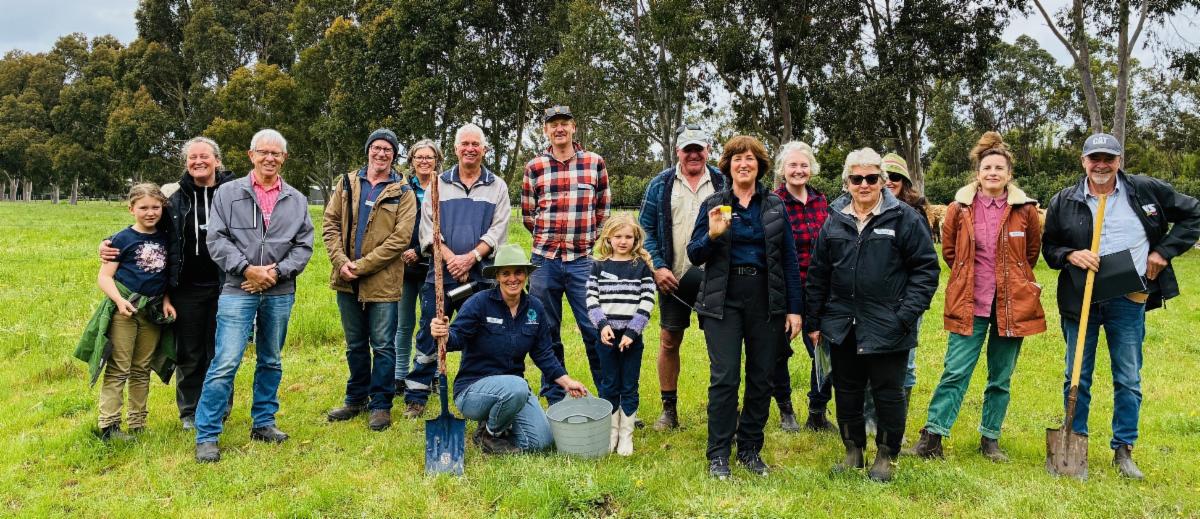
GeoCatch’s Discovering Dung Beetles Walkshop was a cracking day out in the paddock, hosted by Chip Yelverton in Quindalup. Over 20 farmers turned up to learn about how dung beetles make a big difference to soil health and farm productivity.
Kylie Cook from Wilson Inlet Catchment Council led the walkshop, sharing her passion about dung beetles. Her enthusiasm was contagious, and she had everyone digging in, literally, to find out what beetles were active in the area.
Despite a soggy start to the season, the beetles have bounced back. During the walk, we spotted at least five different species, each with its own quirks and seasonal habits. These beetles are busy breaking down dung, improving soil structure, boosting water infiltration, and helping control bush flies and parasites.
| | |
The walkshop wasn’t just about looking at bugs—it was about understanding how they fit into the bigger picture. Participants got practical tips on how to support dung beetle populations on their properties, like:
-
Staggering livestock treatments so there’s always clean dung available,
-
Using rotational grazing to keep dung beetles well-fed and active, and how
-
Sharing beetles between farms is possible to help establish populations in new areas - just make sure conditions are right for them to thrive.
This event is part of a larger GeoCatch project, working with Southern Forests Community Landcare and DPIRD to monitor dung beetle activity across the catchment.
The goal?
To find out which beetles are doing the best job locally and how they can help reduce fly numbers, especially in high-traffic tourist areas. Whether you’re managing livestock or just keen to improve your soil, dung beetles are worth keeping an eye on.
| | This event was supported by the Dung Beetle Soil Health Initiative: A collaborative effort to enhance dung beetle value to livestock producers. | | Sustainable land management starts with a map | | |
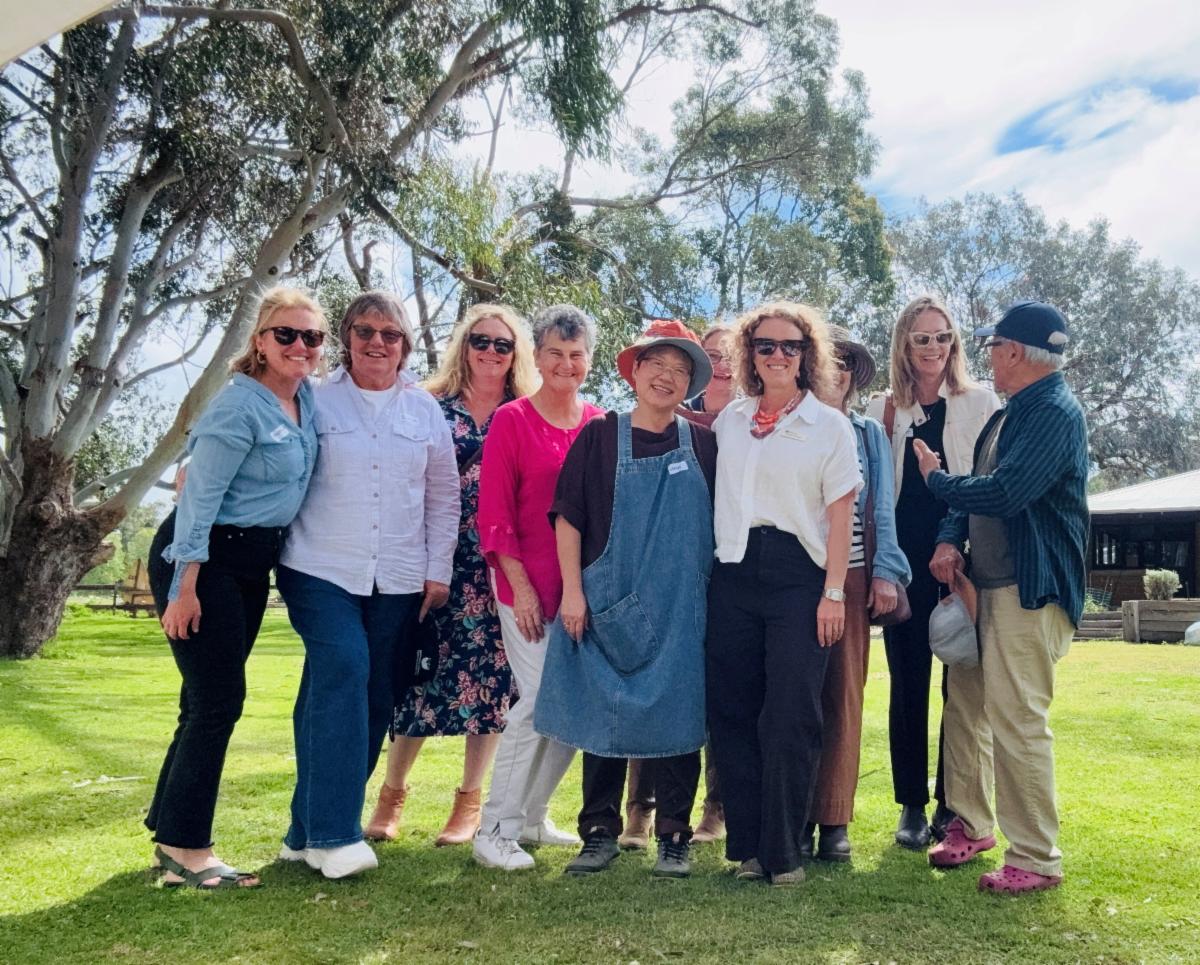
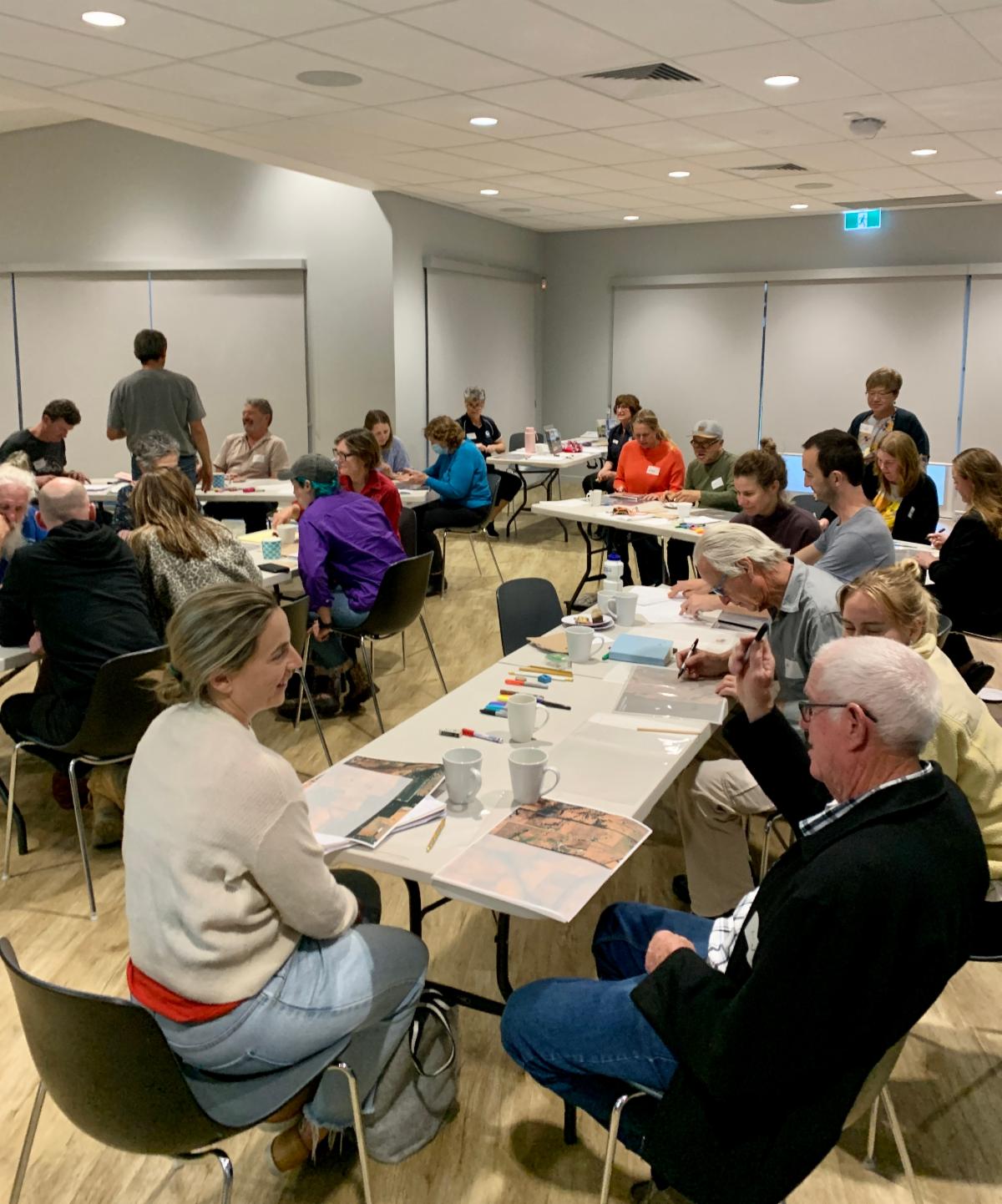
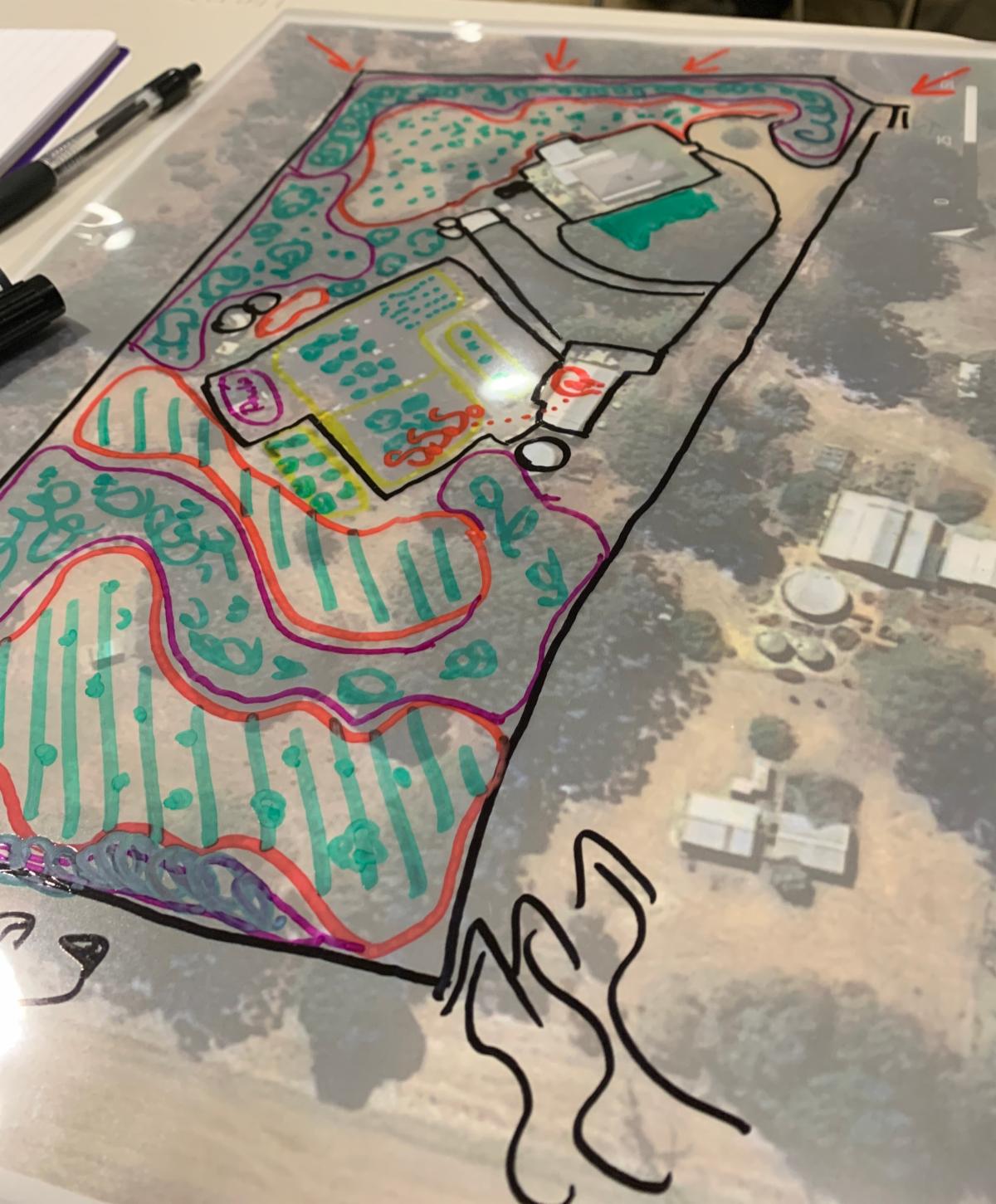
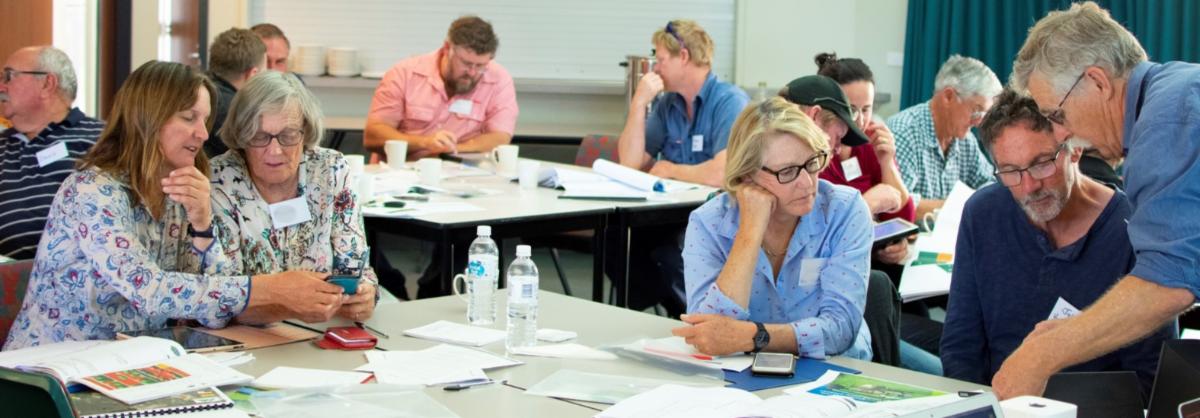
Last month's Heavenly Hectares Property Planning workshop, hosted by GeoCatch and led by sustainable land management expert Chris Ferreira, brought together a passionate group of landholders keen to make the most of their small properties, whilst caring from the local environment.
Chris guided participants through the essentials of property planning, helping them map out their land and think strategically about how to manage it. Attendees got hands on planning out areas like pasture, natural bushland, and waterways, while factoring in hot wind directions and fire risk zones.
| | |
Throughout the session, Chris shared practical tips for creating a sustainable small property plan, including:
- Start with a clear map of your property and break it into land management units based on soil type, slope, vegetation, and use.
- Protect and enhance natural assets like remnant bushland and waterways - they’re vital for biodiversity and water quality.
- Plan for fire safety by identifying high-risk zones and using strategic planting and firebreaks.
- Use windbreaks and shelterbelts to reduce erosion, protect livestock, and improve microclimates.
- Match land use to land capability, like avoiding overgrazing on fragile soils.
- Incorporate composting and mulching to build soil health and reduce waste.
- Think long-term. Sustainable planning is about balancing productivity with environmental care.
This workshop was part of a series of events that have been held to work with small landholders in the catchment. The series will wrap up with a webinar with Chris to review the property plans that they have created.
Missed the session? Check out the presentation below or stay tuned for future 'Heavenly Hectare' workshops in this series.
| This event is supported by the Australian Government through funding from the Climate-Smart Agriculture Program under the Natural Heritage Trust and RegenWA's Make Your Hectare Count Project, through funding from the Western Australian Government’s State NRM Program. | | Soil Testing Season is Back! | | |
GeoCatch’s Geographe Soil Testing Program is kicking off again for another year, helping over 40 farmers get the most out of their paddocks with reliable soil data.
To support this, we’re running a practical training session on how to collect soil samples properly - keep an eye out for more details later in the newsletter.
We’re also keen to hear from farmers who’ve taken part in the program over the past 12 months. Your feedback helps us improve and make sure the program continues to meet local needs, so if you’ve been involved, we’ll be in touch soon.
We always love hearing what’s working (and what’s not) out in the field!
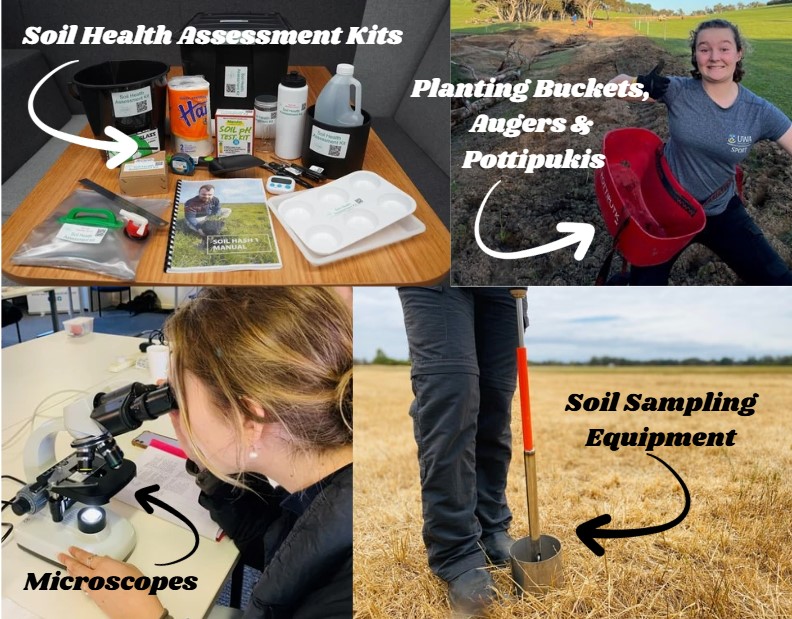
| | | Win your own Soil Health Assessment Kit! | | |
To celebrate the start of Soil Testing Season we are giving away one of our amazing, Soil Health Assessment Kits.
Each kit includes all the necessary equipment to assess your soil HASH (or Holistic Assessment of Soil Health). The kit includes a Soil HASH 1 Manual helping users to monitor, assess and manage soil health on their property.
Be the first person to get in touch, tell us why soil testing benefits your farm and the kit will be yours!
| |
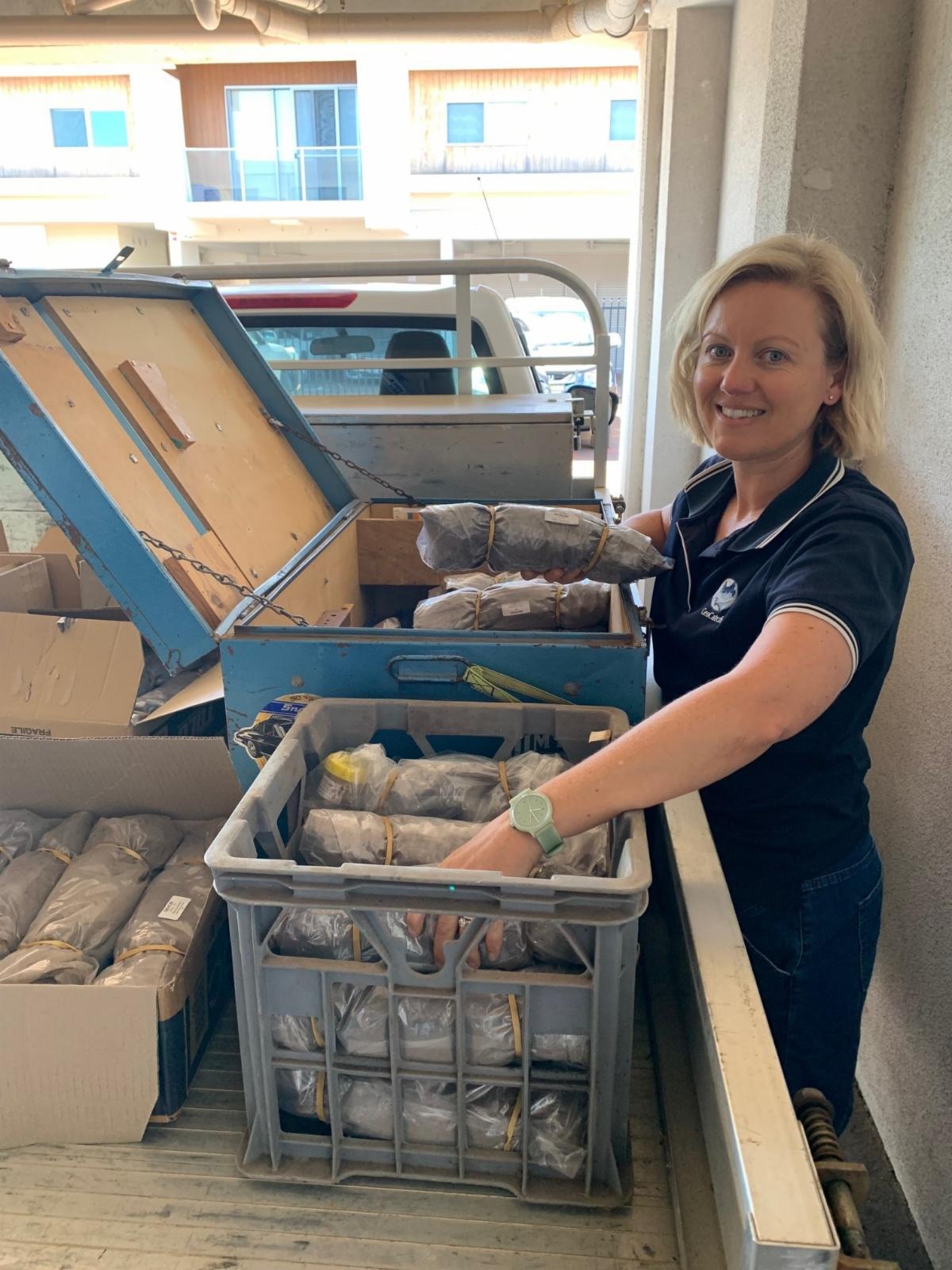
The GeoCatch shed is bursting with gear! | | |
GeoCatch has a range of handy tools available for landholders to borrow, no need to buy the lot yourself!
Whether you're checking soil health, calculating nutrients in your hay or silage, or getting ready to plant, we've got you covered. Just get in touch and we’ll help you find the right tools for the job.
| | Upcoming Programs and Events | | |
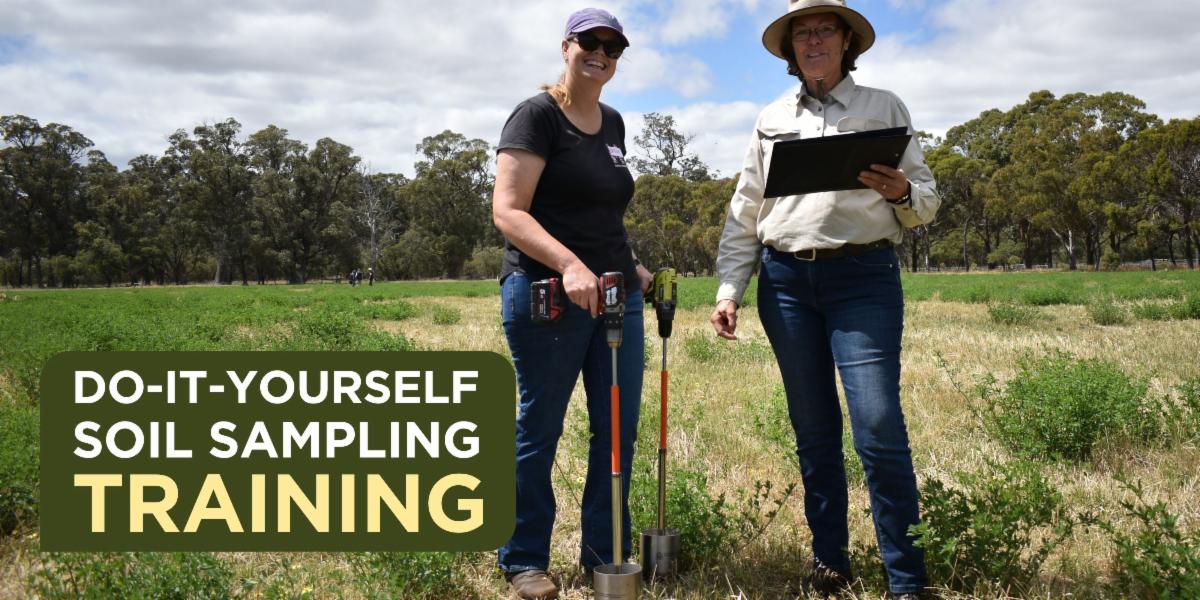
Learn How to Collect Soil Samples
Join fellow farmers for a practical, hands-on training session for collecting soil samples.
Led by experienced DPIRD officers, this training will guide you through the process of collecting accurate and representative soil samples from your paddocks. You’ll learn how to:
- set up sampling equipment (including drill and auger)
- GPS your sampling locations
- prepare sample bags for laboratory analysis.
| | |
Wednesday 12 November, 9am to 11.30am
Where? Markey Road, Anniebrook
Who? Essential to Geographe Soil Testing Program participants (and any landholder
wanting to understand more about how to successfully soil sample)
Cost? FREE - Registrations are essential. Including morning tea.
| | |
This event is highly recommended for participants of the Geographe Soil Testing Program, however everyone is welcome.
This is a great opportunity to build your skills and contribute valuable data to support sustainable land management.
| | |
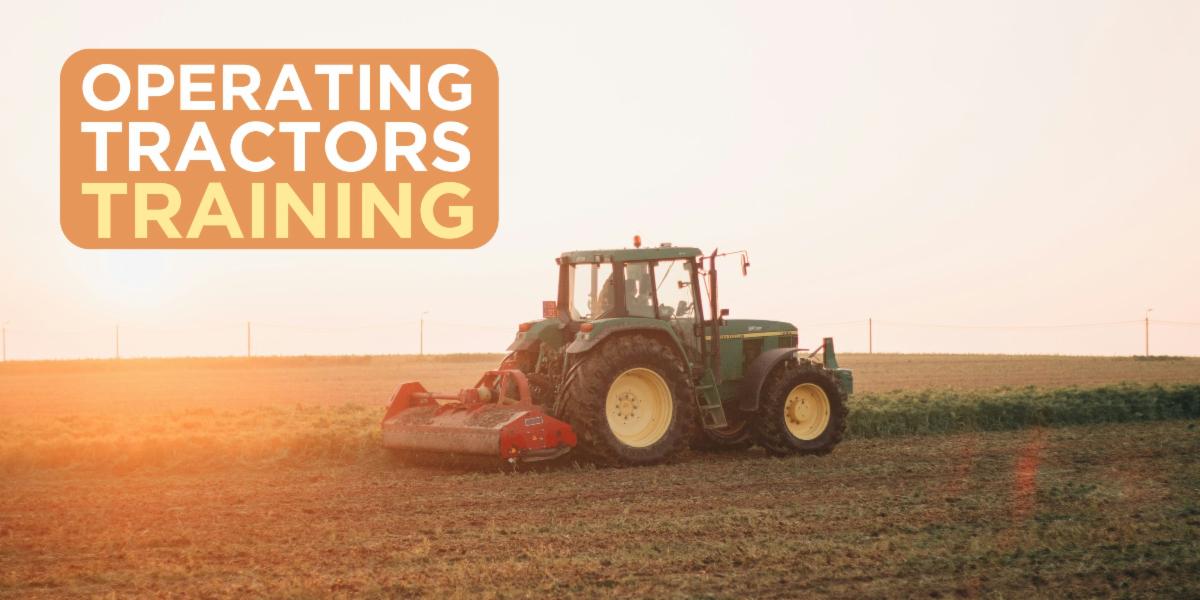
TAFE WA Tractor Operation Course
Learn how to safely and confidently operate tractors in this hands-on TAFE course designed for beginners and those looking to refresh their skills.
The course covers the essential techniques for operating tractors both with and without attached equipment, helping participants build practical knowledge for use in agricultural, horticultural, or land management settings.
| |
Thursday 25 November, 8.30am to 4.00pm
Where? TAFE Manjimup Campus
Who? Anyone that would like to learn more about safely operating a tractor
Cost? $15.80 up front admin fee - Reimbursed by GeoCatch following attendance
(NOTE: This course is facilitated by TAFE WA and registration is directly with TAFE WA - use Course Enquiry Form)
| Whether you're working on a farm or managing rural land, this course provides the foundation needed to handle machinery with care and efficiency. | This program is supported by the Australian Government through funding from the Climate-Smart Agriculture Program under the Natural Heritage Trust. | | |
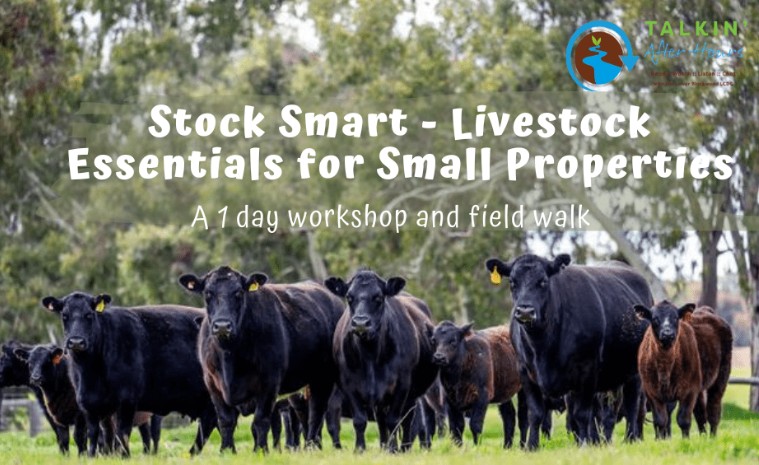
Whether you’re just starting out with livestock or looking to build confidence in your management skills, this hands-on workshop is the perfect place to begin.
Presented by Bruce Maynard, 4th generation farmer, agricultural innovator, and Bob Hawke Landcare Award recipient, we’ll cover the essentials of livestock care and give you the practical knowledge you need to make better decisions on your property.
| |
Thursday 6 November, 10.00am to 4.00pm
Where? Summertime Farm, Karridale
Who? This workshop is designed for small-scale and new farmers who want clear,
practical guidance without the jargon.
Cost? $50 (incl GST) including morning tea and lunch
| | |
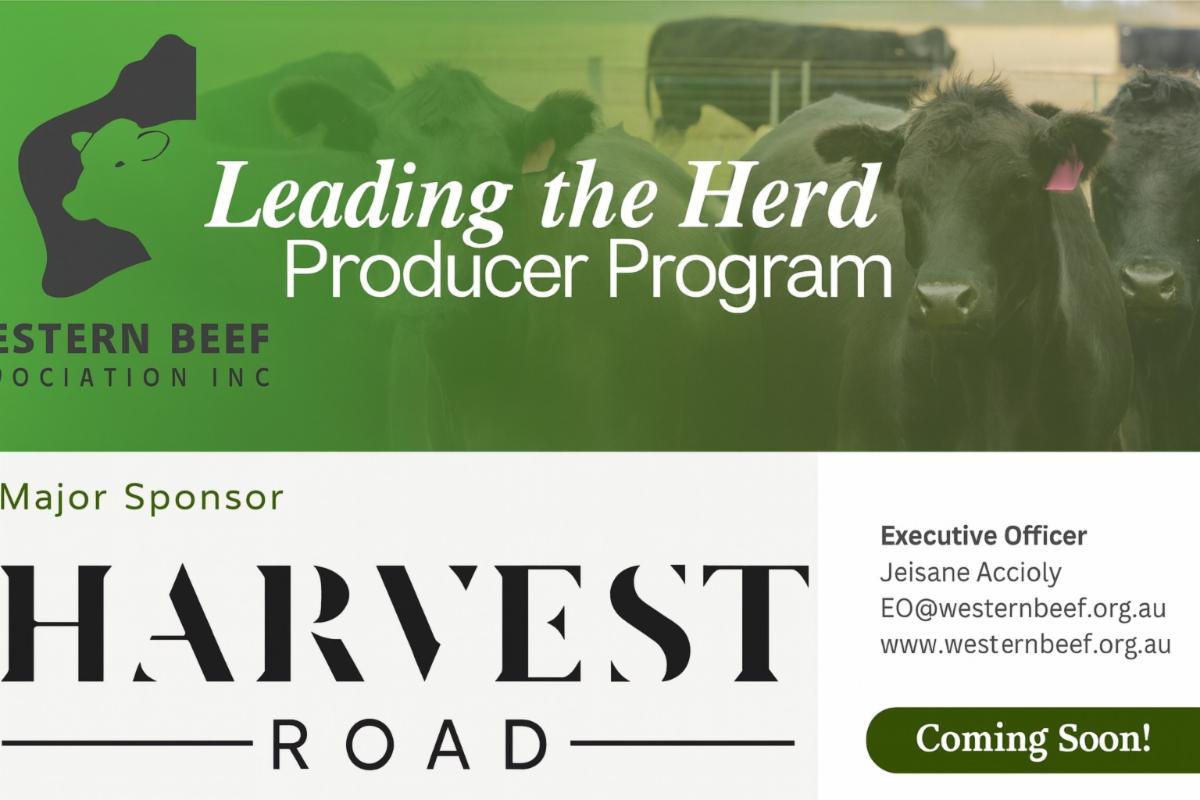
Western Beef's latest program, Leading the Herd, is hitting the road!
The first four locations have been announced:
8 December - Regans Ford - Cundarra Santa Gertrudis
9 December - Boyanup - Little Meadows Angus
11 December - Diamond Tree - Gandy Angus
12 December - Redmond - Quanden Springs Angus
The first theme of the event is 'Herd Nutrition' - designed to give producers practical insights and strategies to get the best from their herds. This is event is FREE!
| | Vasse Wonnerup Wetland System in focus | | |
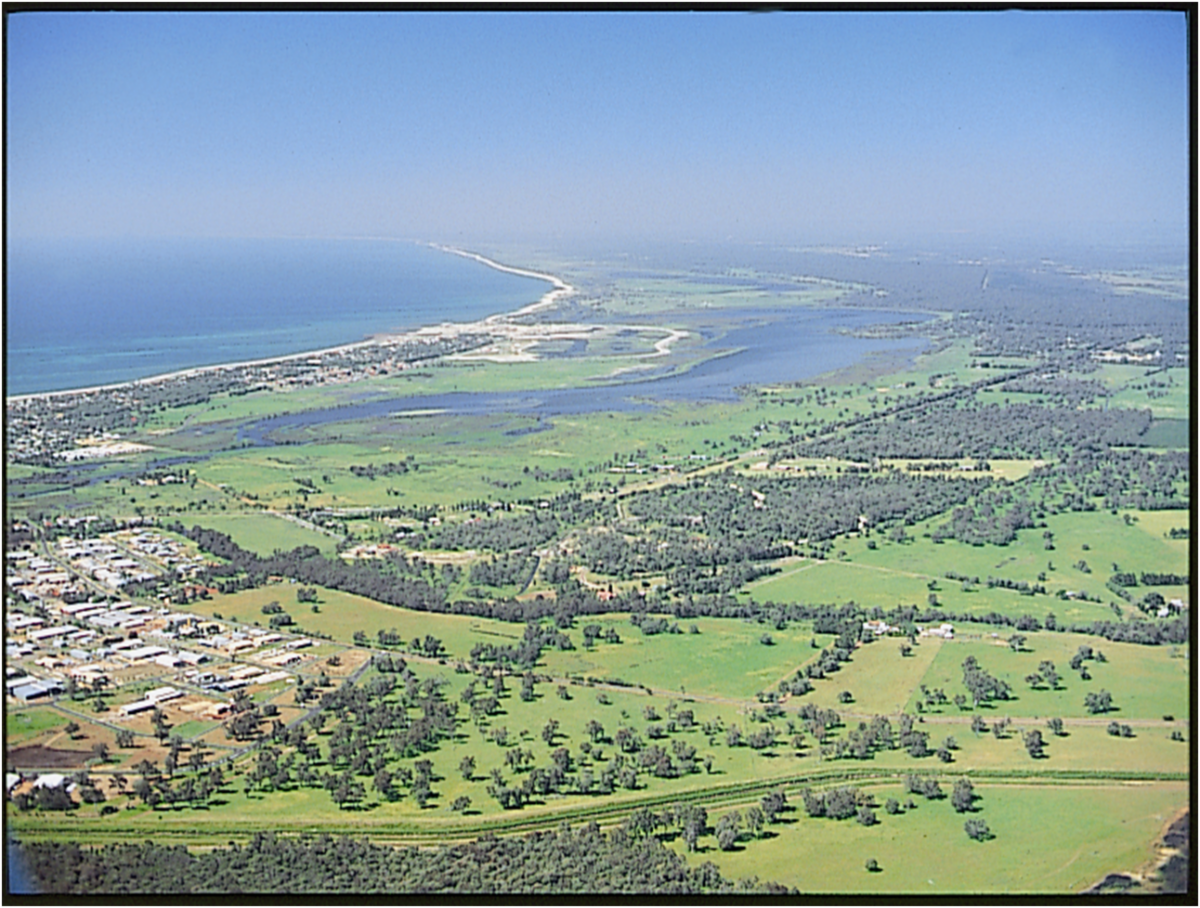
The Vasse Wonnerup wetlands are recognised on a local, state, national and international level for their conservation, social and cultural values.
They are recognised as one of the most important waterbird habitats in Western Australia. More than 30 000 waterbirds comprising 90 different species make use of the habitat provided by the wetlands each year.
Due to the importance of the Vasse Wonnerup wetlands and threat from increasing nutrients there have been a number of major initiatives to protect and better understand the wetlands such as the development of the Vasse Wonnerup wetlands and Geographe Bay water quality improvement plan (2010) and in recent years a comprehensive science and monitoring program.
| | Quick links to handy websites | | |
GeoCatch has been working with farmers for 28 years - since 1997!
Contact us to get involved!
info@geocatch.asn.au | 0491 069 078 | www.geocatch.asn.au
| | | | |