A THRIVING CONSERVATION LEGACY | | |
Across the remote floodplains of western Zambia lies one of Africa’s most remarkable conservation success stories. Liuwa Plain National Park is a place where history, culture, wildlife, and community are deeply intertwined. Once threatened by poaching and declining wildlife populations, Liuwa has been transformed into a thriving ecosystem that now stands as a model for
sustainable conservation and shared stewardship.
| | In partnership with African Parks we are proud to share the continued story of Liuwa Plain as it stands as a powerful reminder that conservation works when communities, traditional leaders, governments, and conservation partners unite behind a common purpose. What was once a landscape facing significant challenges has become a thriving wildlife stronghold, supporting healthy populations of iconic African species while improving lives throughout the region. | | |
A LEGACY ROOTED IN HISTORY
Liuwa Plain boasts one of the oldest conservation histories on the African continent. More than 150 years ago, King Lubosi Lewanika of the Barotseland Kingdom designated the area as a protected landscape and entrusted its care to his people, embedding conservation within Lozi culture and tradition.
| |
In 1972, Liuwa was formally gazetted as a national park. However, over the following decades, increasing human pressures and poaching led to significant declines in wildlife populations. By the early 2000s, the park's future
hung in the balance.
| |
A turning point came in 2003 when the Barotse Royal Establishment, Zambia's Department of National Parks and Wildlife, and African Parks entered a long-term partnership to restore and protect this unique wilderness. Guided by a shared vision and strong community involvement, the extraordinary
conservation journey began.
| | |
STORY OF LADY LIUWA
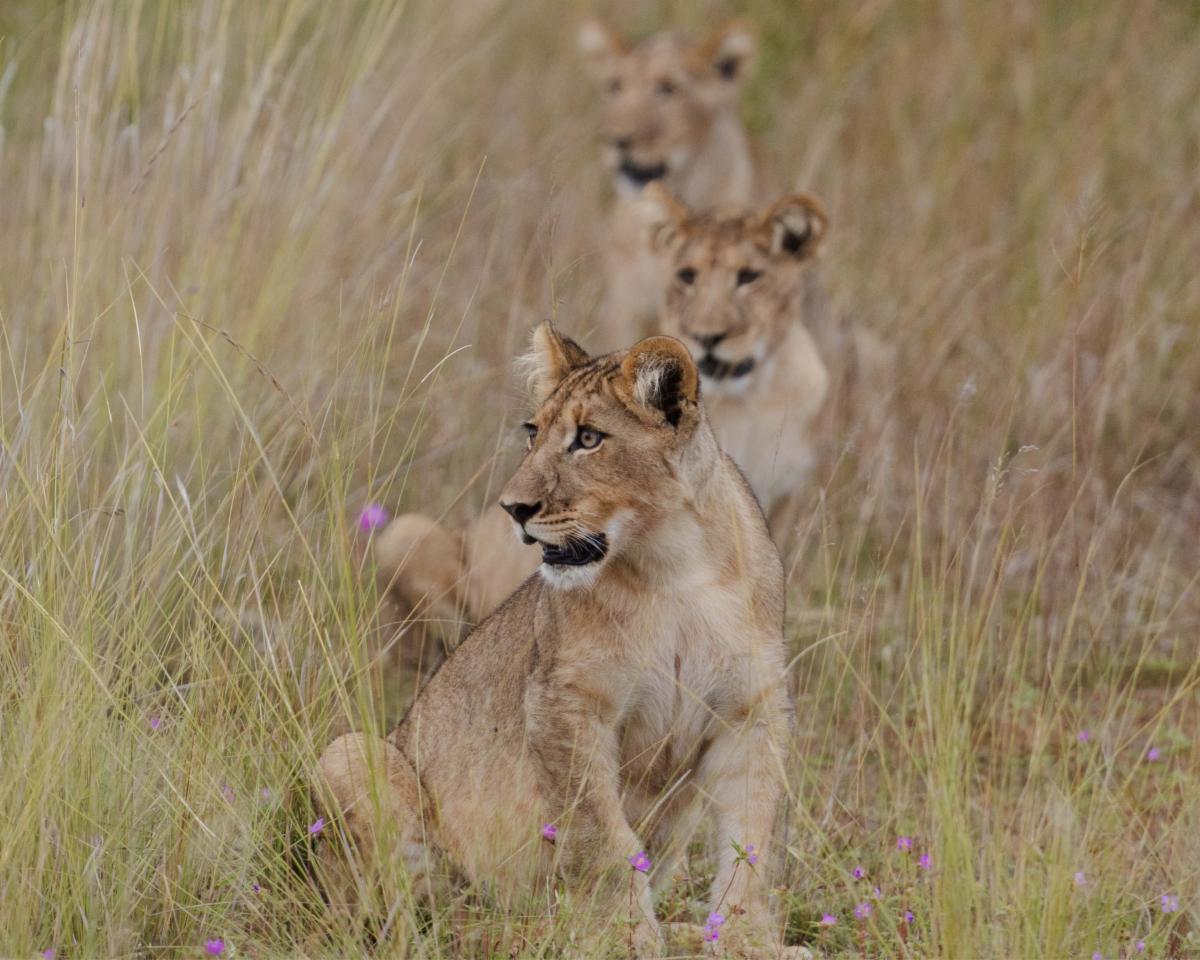
Perhaps no story captures the spirit of Liuwa more than that of "Lady Liuwa", the park's last remaining lioness. Following years of wildlife decline, she stood alone on the vast plains, becoming a symbol of both loss and hope. Through carefully managed lion reintroductions beginning in 2008, African Parks helped restore
the species to the landscape. Today, Lady Liuwa's legacy lives on through a growing population of lions that once again roam these plains.
| | |
A THRIVING ECOSYSTEM RESTORED & TODAY, LIUWA PLAIN
IS FLOURISHING
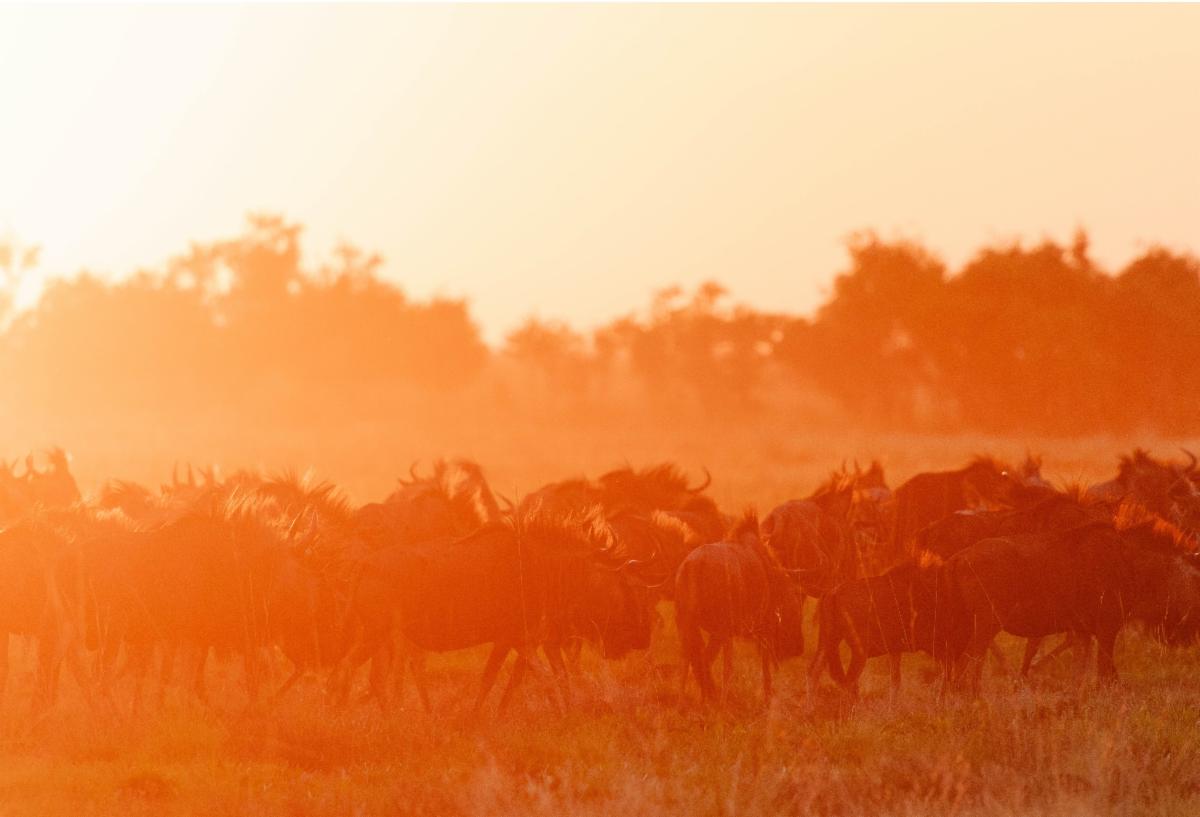
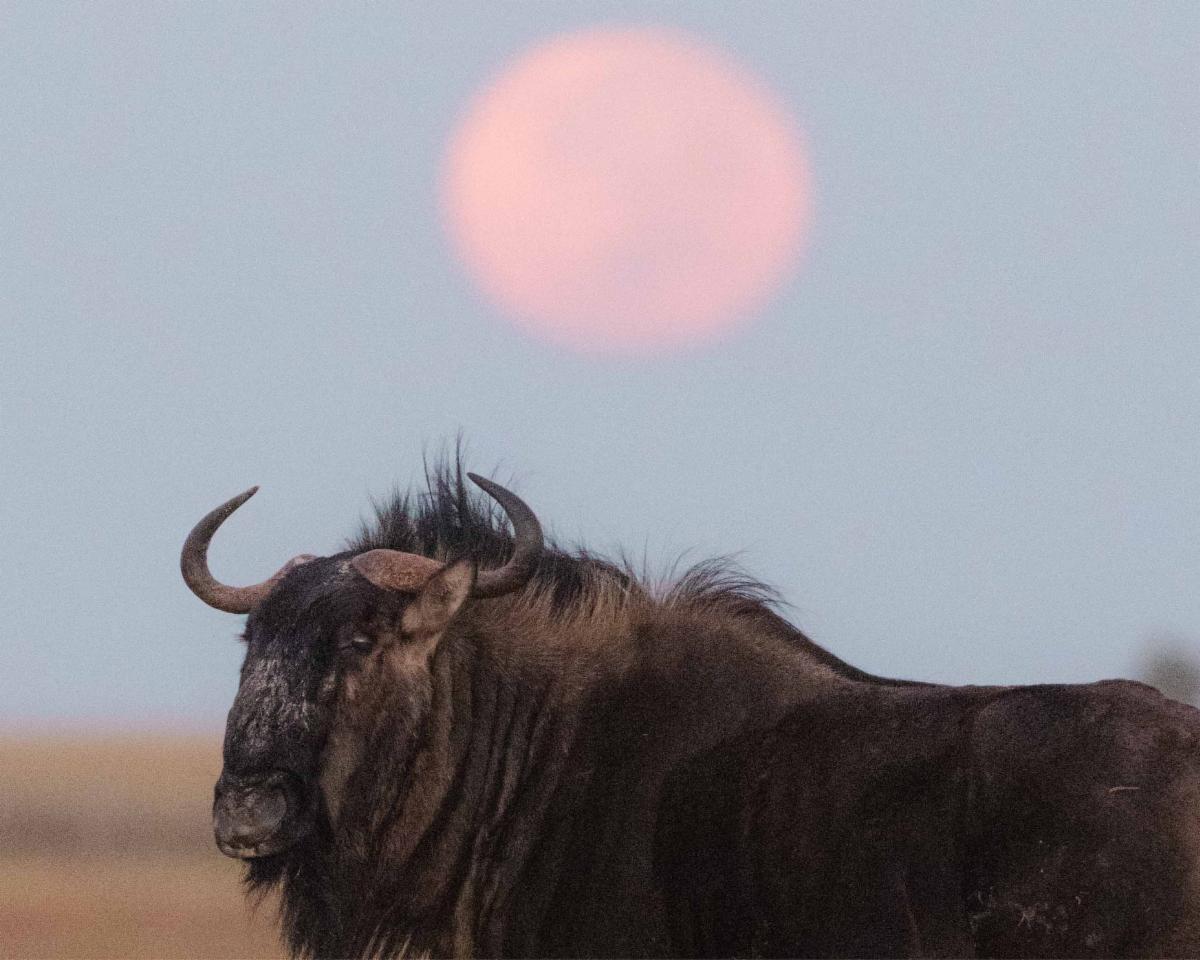
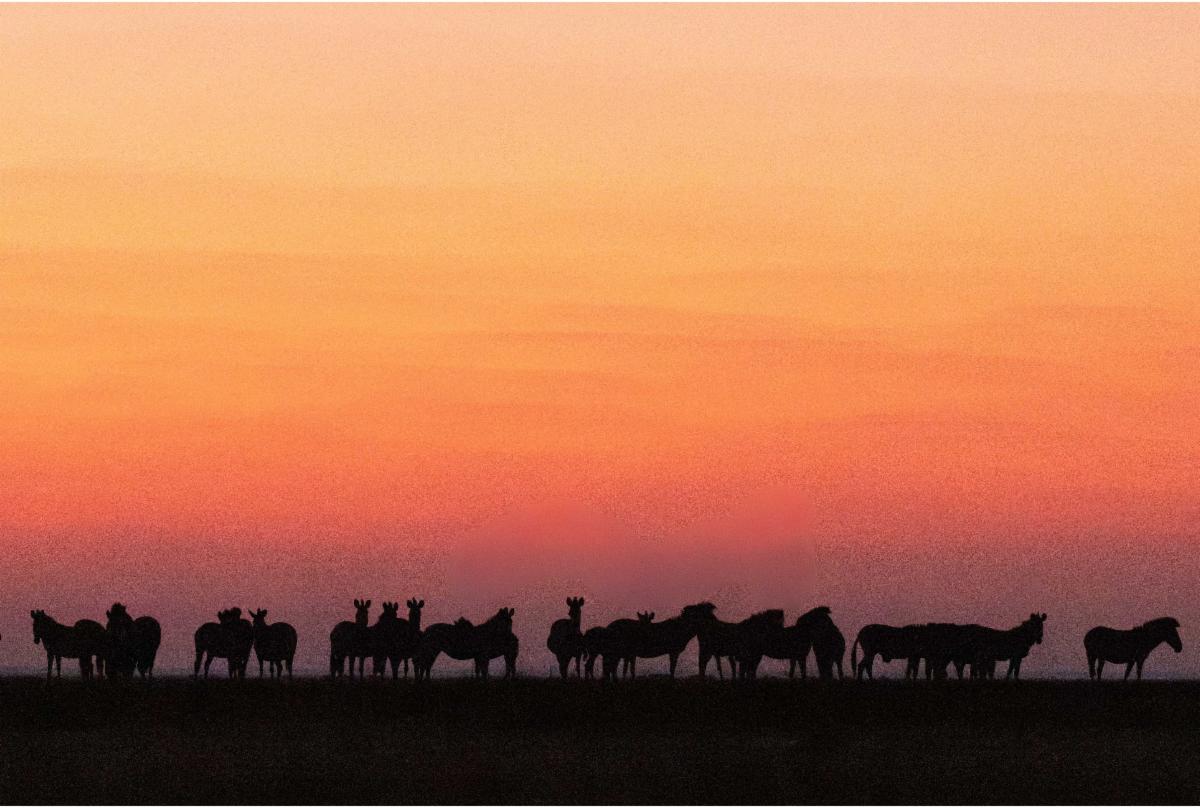
The park is home to Africa's second-largest wildebeest migration, with circa 47,000 wildebeest moving across the landscape in response to seasonal rains. This spectacular migration is joined by Lichtenstein’s hartebeest, zebra, tsessebe, red lechwe, buffalo, and eland, creating one of the continent's most
impressive wildlife experiences.
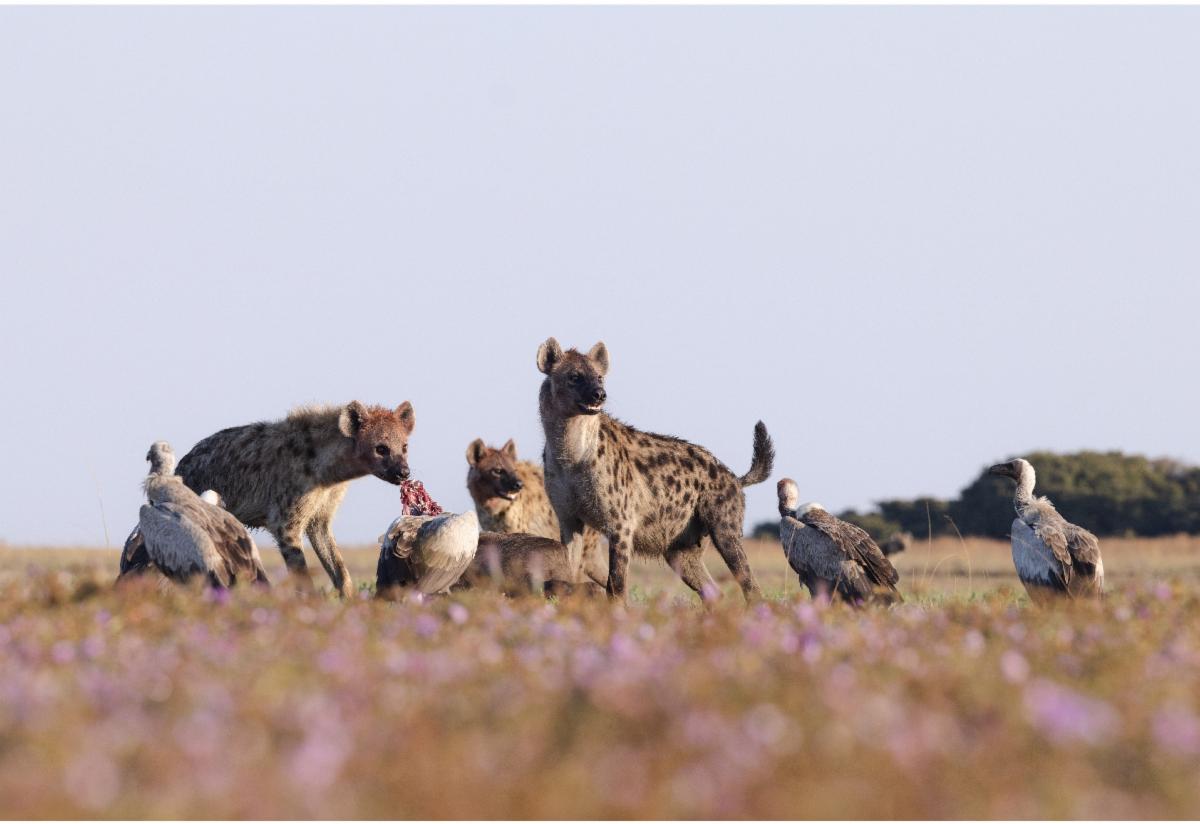
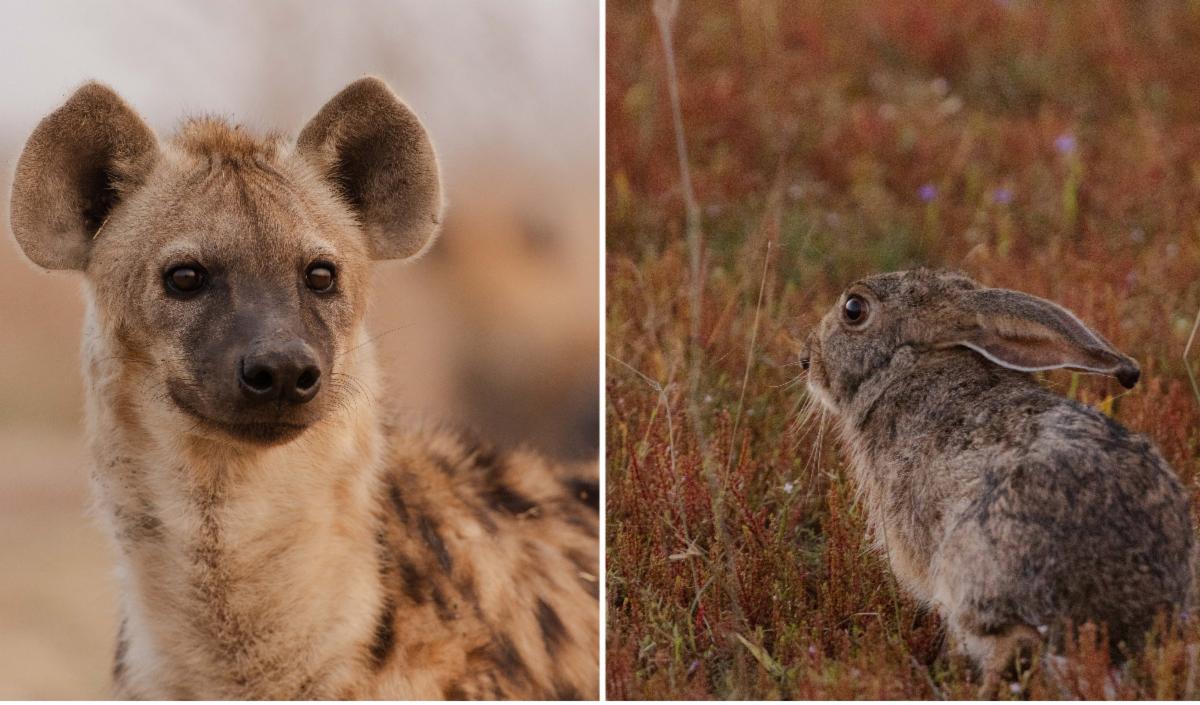
| As herbivore populations have recovered, predators have followed. Lions, cheetahs, spotted hyenas, and reintroduced African wild dogs now play their crucial role in maintaining ecological balance. The return of these species is a testament to the careful planning and habitat management by African Parks, as well as the resilience of nature when given the opportunity to recover. | With more than 350 bird species recorded, including large flocks of wattled cranes and crowned cranes, and numerous migratory species, Liuwa has become a premier destination for bird enthusiasts and nature lovers alike. | | |
Together with African Parks, we are proud to support the continued protection
of this extraordinary wilderness through tourism, helping to ensure that the annual wildebeest migration continues, that predators thrive, and that communities prosper, building an enduring legacy for the Liuwa Plain
that will last for generations to come.
| | Copyright © 2022 Ker & Downey Zambia. All rights reserved. | | |
Want to learn more about
Ker & Downey Zambia?
We invite you to contact Andrea Hugo to set up a remote training session or
to answer any questions you may have: africa@andreahugo.com
| | | | |