In This Issue:

  • Know Your Voting Rights!
  • Teens & Young Adults: We Want to Hear from You!
  • October Is National Estate Planning Awareness Month
  • Tell Congress: People with Disabilities Belong in Their Communities
  • Changes Coming to Medicaid Transportation Benefit
  • What's Happening Next Month?
 
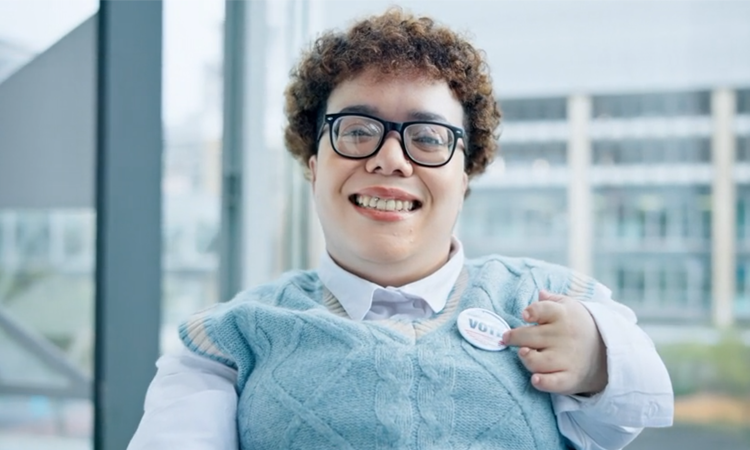
A person wearing glasses smiles and points to a button on their shirt that reads “VOTE.”

Know Your Voting Rights!


Election Day is November 3rd! For people with disabilities, knowing your voting rights is important. It can help you plan how you’ll vote and make sure that your rights are upheld during the voting process. As we gear up for Election Day, we’re listing five important reminders for people with disabilities about voting and voting rights in Colorado.


  • Your ballot must be received, or you must be waiting in line to vote at a polling place, by 7:00pm on Election Day. The recommended deadline to mail in your ballot has passed. Instead, you should drop your ballot off at a drop-box or vote in person at a Voting Service and Polling Center (VSPC).
  • Colorado voters with a disability can now vote using the state’s electronic ballot system. In the 22 days before and on Election Day, voters can access their ballot electronically at myballot.coloradosos.gov. Click here to learn more.
  • By law, all polling places must be accessible. If you go to a polling place and it is not accessible, you should make a complaint with your County Clerk and Recorder’s Office.
  • All voters have the right to vote privately and independently (without assistance). Colorado counties have purchased accessible voting machines to be used in every polling location to ensure voters with disabilities can vote independently.
  • People who have a guardian can still vote in Colorado, unless specifically prohibited by a court order.


Looking for more information about your registration status, where to vote, and more? Click here to visit the Go Vote Colorado website.

 
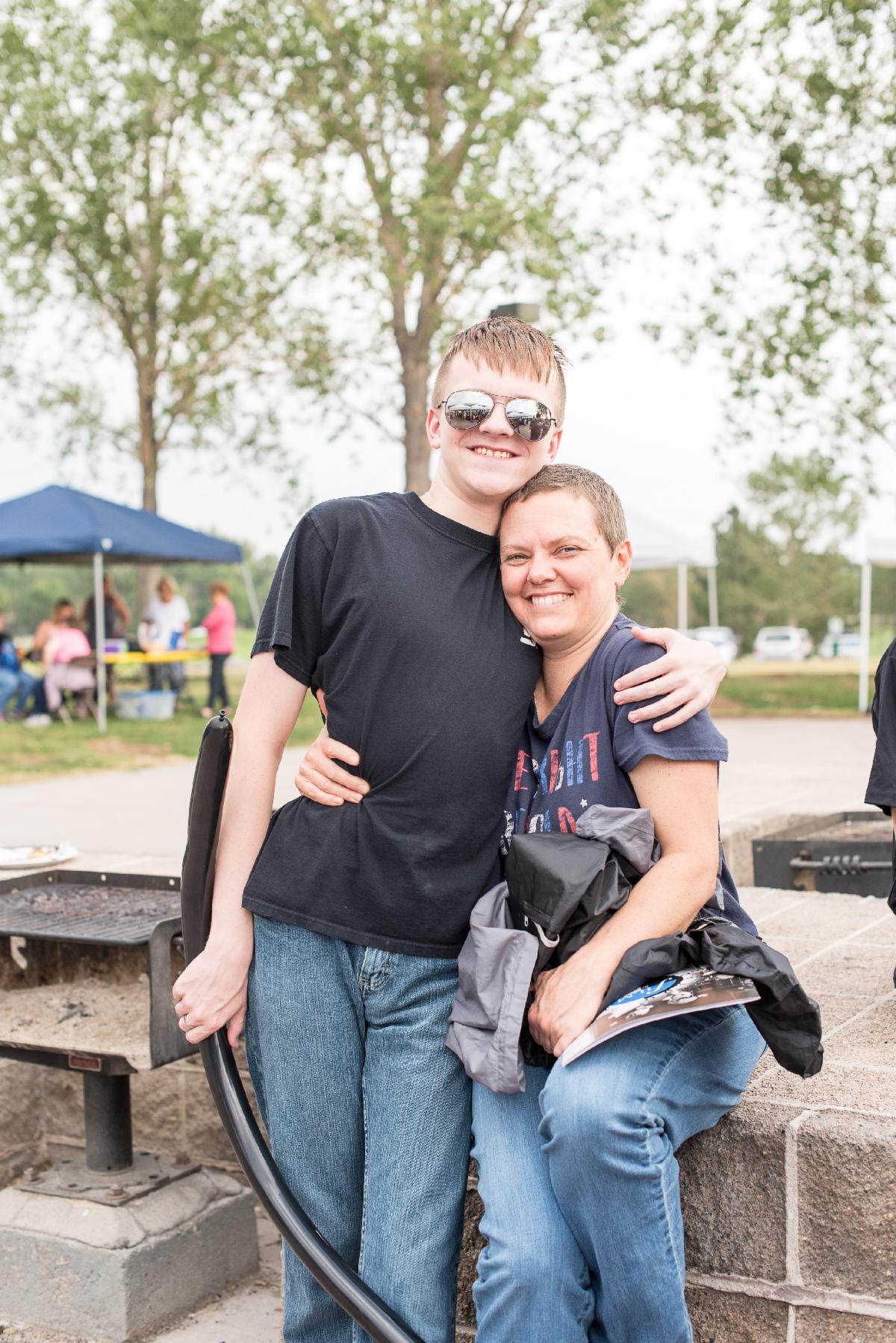
A young person wearing sunglasses and using a wheelchair hugs a seated woman outdoors at a community event.

Teens & Young Adults: We Want to Hear from You!


Help us create new self-advocacy programs and activities for teens and young adults with IDD! We're looking for self-advocates ages 14-30 to take a quick online survey sharing what matters to them and what activities interest them.


If you are a teen or young adult with IDD, we want to hear from you! Your responses will help us develop new opportunities for younger self-advocates that are fun, accessible, and meaningful.


The virtual survey should take about five minutes to complete.

Thank you for helping us shape something new—with you, not for you.

 
An older couple sits at a desk reviewing documents with a professional in a suit who points to paperwork while explaining details

October Is National Estate Planning Awareness Month


No matter what point you are at in your adult life, estate planning can be a useful tool to ensure that the resources you leave behind support the people and causes that matter most to you.


Estate planning can help you:

  • Take care of your family members and loved ones.
  • Support organizations and causes that you believe in.
  • Shape the legacy you will leave behind.
  • Gain peace of mind, knowing that you have made important decisions in advance.


If you have not done so already, October is the perfect opportunity to consider how you’d like your assets to be distributed and to make the necessary preparations. You can learn more about estate planning here.


When you include The Arc-JCCGC in your estate plan, you ensure that the resources you leave behind will be used to create opportunities for inclusion, defend civil rights, and change the lives of people with intellectual and developmental disabilities (IDD) in our community. Plan a future gift and leave a lasting legacy of social change for people with IDD! Learn more here.

 
Three people sit outdoors together, smiling and talking.

Tell Congress: People with Disabilities Belong in Their Communities


Living in the community is a human right—but right now, that right is under attack. Recent federal actions and court cases have tried to weaken protections that people with disabilities and families rely on to live and receive services in their communities. The federal government has abandoned its duty to enforce these rights. Learn more here.   


To push back against these threats, the U.S. House of Representatives is considering a new bipartisan resolution that says people with disabilities have the right to live in their homes and communities, as opposed to in institutions. It also reaffirms the Supreme Court’s Olmstead decision, which says people should be able to live and get services in the community whenever possible.


Take action! Through The Arc U.S., you can tell your U.S Representative to support this resolution and ask your U.S. Senators to support a similar resolution in the Senate. Click here to contact your legislators.


Changes Coming to Medicaid Transportation Benefit


Members of Health First Colorado (Colorado’s Medicaid program) who live outside of the 9-county Denver metro area should know that changes are coming to Medicaid’s transportation benefit. Starting December 1st, 2026, rides for appointments on or after January 1st, 2027, will be scheduled through and provided by MediDrive.


Importantly, the benefit is not going away. Rather, the way you schedule your ride is changing.


Affected members can learn more and prepare for the change by clicking here.


What's Happening Next Month?

 
Facebook  Instagram