The Wyoming Health Council works to ensure that all people can access equitable, inclusive, high-quality, and affordable reproductive and sexual health care. | | |
Sex Ed For All Month!
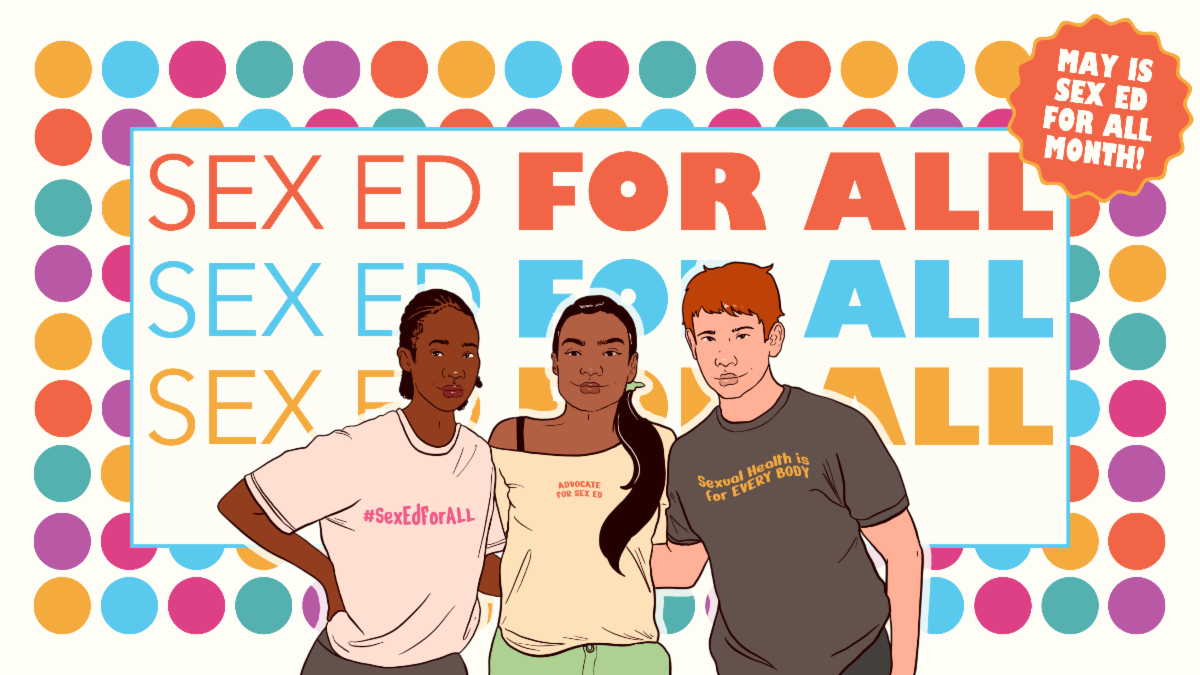
Sex Ed for All Month is a national call to action to ensure every young person has access to comprehensive, medically accurate, and inclusive sex education. However, in 2025, the fight for sex education is more urgent than ever. Misinformation and fear-mongering are being used to limit young people’s ability to learn about their own health, identity, and rights—topics that parents overwhelmingly support being taught in schools.Research shows that the vast majority of parents—regardless of political ideology, religion, race, culture, class, or geography—want their kids’ education to include sex education. Yet many young people are not getting the information and decision-making skills their parents know they deserve. With this in mind, each May we celebrate Sex Ed for All Month—an opportunity to voice our shared commitment to a world where all young people get equitable access to the education and care they deserve.
| | |
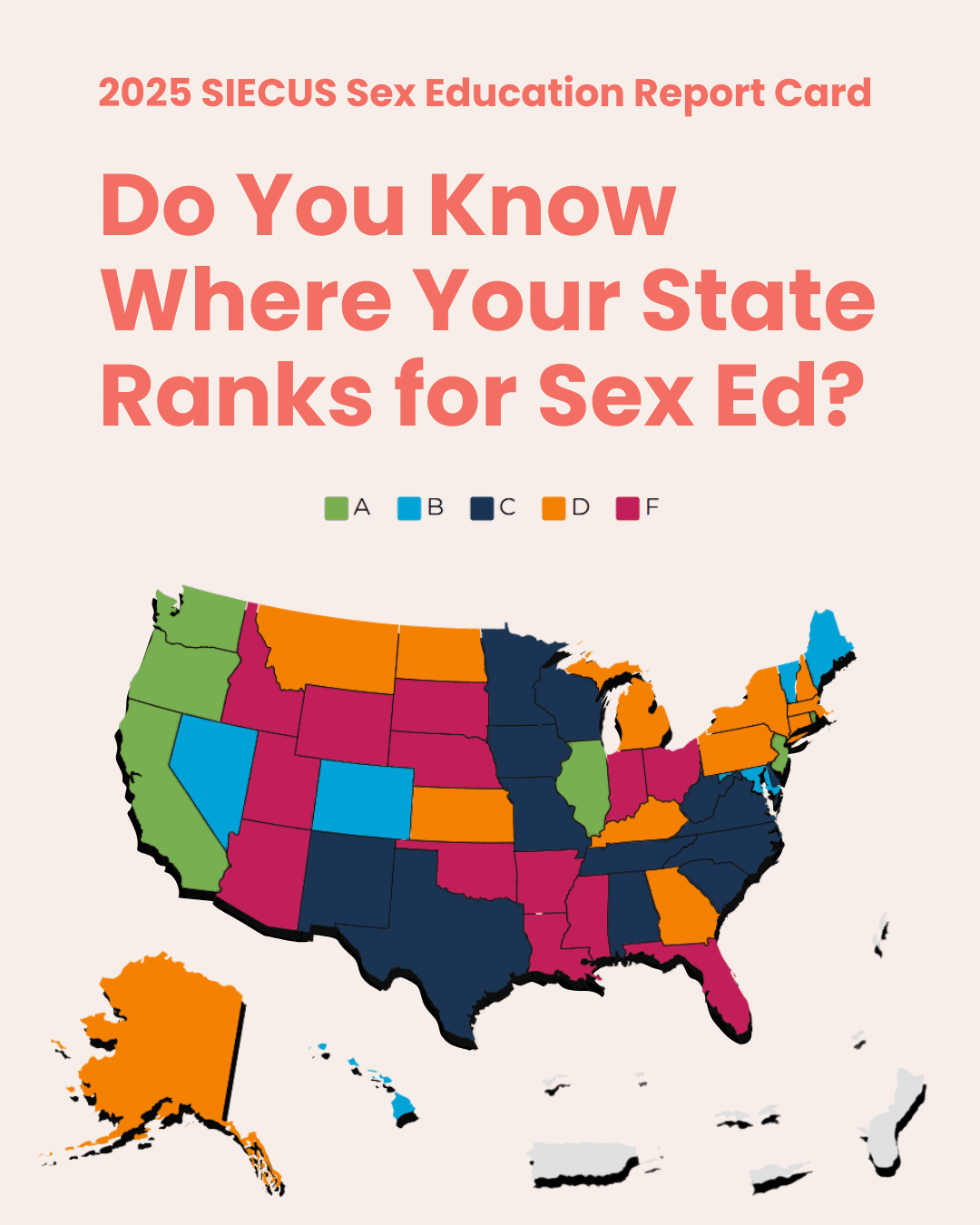
Wyoming State of Sex Ed: F
Sex education is not required, and students must obtain parental permission for sexual abuse prevention education. Healthy relationship or abuse prevention education must be age appropriate and evidence based, but discussion of consent is not required. Parental permission is also required for any instruction or discussion of sexual orientation or gender identity. No state-level laws on any other aspects of sex education or HIV/STI education.
| | |
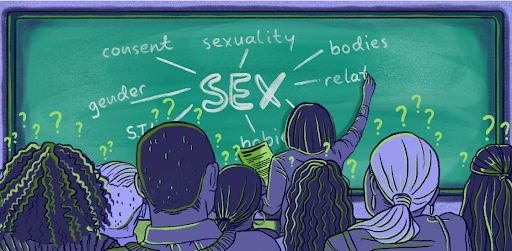
A Mississippi mother couldn’t find accurate sex ed for her kids. So she started a class at church
When Wendy Pfrenger’s children started high school in the town of Oxford, Mississippi, she had the choice to enroll them in abstinence-only or abstinence-plus sex ed.
Although the abstinence-plus option would include instruction on contraception, neither curriculum was required to provide medically accurate information. As a parent, she felt like the lessons her teens were receiving fell short of their reality.
“Our kids are on the internet, their peers are on the internet,” she said. “The things that are being shared on phones in that school, regardless of whatever protections are in place, are not at all addressed by the class.”
In her conversations with other parents, she learned that some were seeking additional sex education for their teens through online classes or at workshops led by a local pediatrician. But she wished there was free, comprehensive and inclusive sexuality education available to the whole community – that didn’t only discuss abstinence, but also consent; that could create trust between young people and the adults in their community.
In January, Pfrenger started offering the sexuality education she wished her children had access to – that taught accurate anatomy, talked about pregnancy options and the varied ways of building a family, and celebrated all gender identities and sexualities – at her church, the Unitarian Universalist Congregation of Oxford.
| | |
Only 37% of US States Require Sexual Education in Schools to Be Medically Accurate
While the majority of states require public school students to take at least one sexual education course, a patchwork of state-level provisions that mandate inaccurate, outdated, or politically motivated curricula may inhibit students from receiving essential information for their sexual health and well-being.
Adolescents are at a disproportionate risk of experiencing sexual health conditions, including sexually transmitted diseases and HIV/AIDS, as well as unwanted pregnancies, and unhealthy relationships. Many states have amended their sexual education laws over the five years, and researchers hope this new insight will spur additional policy changes that expand adolescents’ access to comprehensive, inclusive, and age-appropriate education and improve their sexual health and well-being.
“While many students in the US are required to get some form of sexual education, our study shows that substantially fewer students are likely to be getting the comprehensive sexual education that public health and medical associations recommend,” says study lead and corresponding author Kimberly Nelson, associate professor of community health sciences. “Only 58 percent of students reside in a jurisdiction that requires sexual education to be medically accurate, and many jurisdictions have content mandates that extend only to a few topics. This means that many US students are living in jurisdictions where they are unlikely to receive the accurate and comprehensive information that we know will help them make informed, healthy choices about their sexual behaviors and relationships.”
| | |
‘The sex ed class you wish you’d had’: the influencer doctors teaching Americans the basics
With schools failing American students, OB-GYNs use TikTok to tackle questions and dispel myths
Need to know if you can continue to take antidepressants while pregnant? Dr Keith L Riggs, a Houston-based OB-GYN, has got you covered. Want to see how an IUD is inserted into the uterus? Check out a demo on the Dallas physician assistant Shay Blue’s page. Have questions on what sex position is most likely to get you pregnant? Dr Ali Rodriguez – aka the Latina Doc – made a video for that. (Spoiler: it’s whatever position you like the most – no method has emerged as a scientifically proven best choice.)
But those who practice #OBGYN – a hashtag that has over 5bn views on the app – enjoy a particular kind of virality. And some of the most popular have parlayed their online fame into other ventures.
Dr Jennifer Lincoln, who has 2.8 million followers and claims to offer “the health class you wish you had in high school”, published a book on reproductive health in 2021 and hosts a podcast where she answers listeners’ questions about all things sex. (Recent episodes include A Summer Period Survival Guide and Myth-Busting the Morning-After Pill.)
“There’s just a lot of people out there who do not know how to access things,” Lincoln, who lives in Portland, said. “Commenters have asked about anything from birth control to a pregnancy test. These are basic things we would have hoped to have been covered in sex ed, but that’s not the case in the majority of states.”
| |  | |
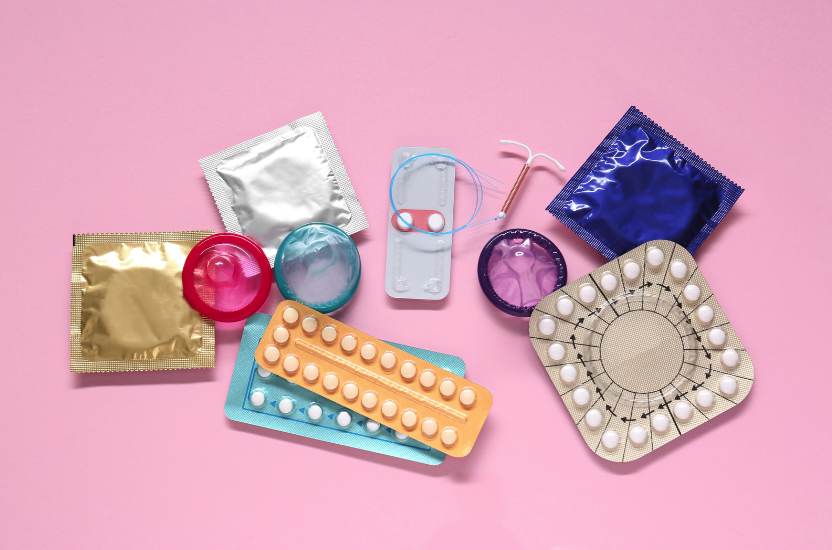
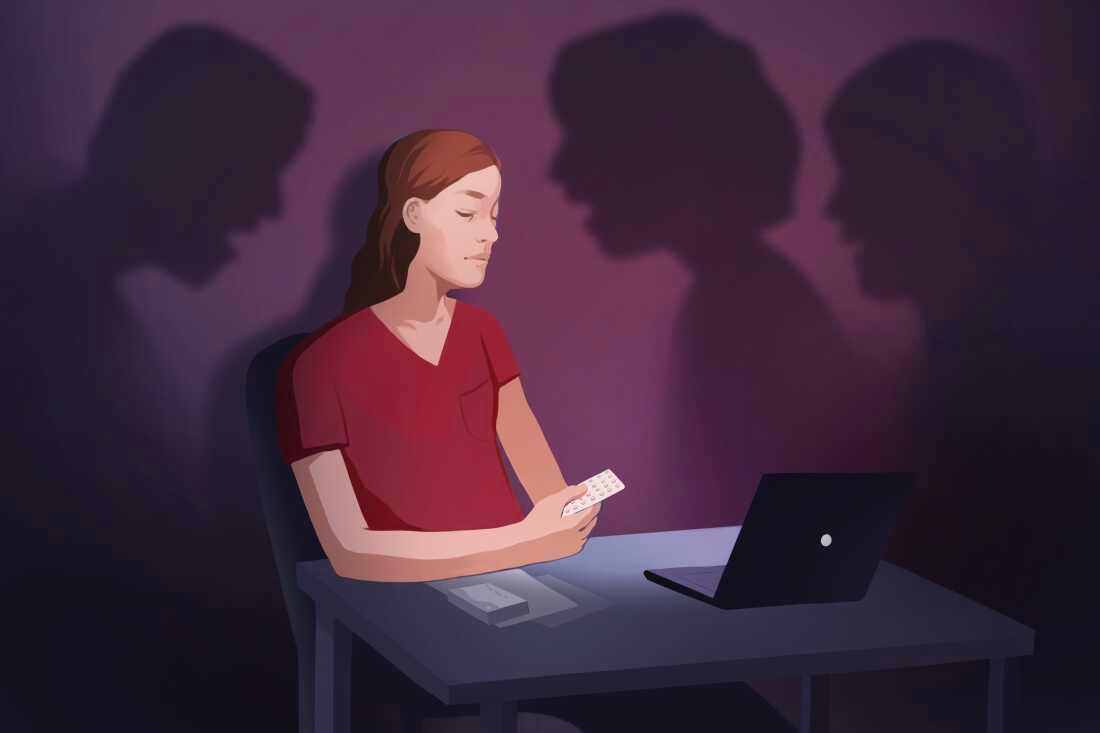
Social media myths are fueling fear of hormonal contraception and reshaping young women’s health decisions
Cancer. Infertility. Unintended abortion.
These are just a few of the fears young patients bring to Dr. Bayo Curry-Winchell, a family physician in Reno, Nevada. For some of her patients, she said, taking birth control pills is like wearing a scarlet letter.
“Taking the pill has almost become a bad thing, where you won’t fit in if you’re taking it.”
Curry-Winchell, medical director for the Saint Mary’s Urgent Care Group, said the trend away from hormonal birth control has become pervasive in recent years among her patients between about 14 and 32 years old. According to a recent KFF poll, that’s the same age group most likely to say they get their health information from social media.
When she talks with young patients, Curry-Winchell hears concerns about sinister long-term impacts of hormonal birth control—and the language often echoes conservative influencers who have no medical training.
Doctors say what is at stake is not whether every patient chooses the pill or an IUD, but whether they can make evidence-based decisions about preventing pregnancy in a country with some of the highest maternal mortality rates among wealthy nations.
| | | |
Wellness OBGYN: Adolescent Reproductive Health and Support Guide
Why Adolescent Reproductive Health Matters More Than Ever
Adolescent reproductive health is a critical foundation that shapes lifelong wellness and decision-making. This transformative period between ages 10-19 brings significant physical, emotional, and social changes that require proper understanding and support.
Key aspects of adolescent reproductive health include:
Education and awareness – Comprehensive sexuality education and body literacy
Access to services – Youth-friendly healthcare that respects confidentiality
Prevention focus – STI prevention, pregnancy prevention, and healthy relationship building
Support systems – Family, community, and healthcare provider guidance
Rights protection – Ensuring access to information and services without discrimination
The statistics are striking: 12 million adolescent girls give birth each year globally, while 43% of adolescent girls who want to avoid pregnancy have an unmet need for modern contraception. In the United States alone, young people aged 15-24 account for half of the 20 million new STI cases annually.
One in five people worldwide is an adolescent, making this the largest youth generation in history. Yet many face significant barriers to accessing reproductive health information and care. These challenges can have lasting impacts on education, economic opportunities, and overall well-being.
Creating youth-friendly environments that provide accurate information, confidential services, and non-judgmental support is essential. When adolescents have access to comprehensive reproductive health resources, they’re empowered to make informed decisions that benefit them throughout their lives.
| |
7 Things You Should Always Discuss with Your Gynecologist
When it comes to sexual and reproductive health, it can be hard to know what's "normal" and what may be a sign of a potential health problem. Even if you feel embarrassed about certain issues, your gynecologist has seen and heard it all and is there to help you, not to pass judgment.
Here are seven things you should always discuss with your gynecologist:
| | PCOS, or Polycystic Ovary Syndrome, affects millions—but understanding it is the first step to taking control of your health. | | Endometriosis is a chronic condition that affects many people—learning the signs is the first step toward getting the care you deserve. | | Sexual discomfort or pain, known as Dyspareunia, is more common than you might think—and support and treatment are available. | | |
9 Tips for Coping with a Positive STI Diagnosis
Testing positive for an STI can negatively affect your mental health. But there are so many resources available to help you cope.
Sexually transmitted infections (STIs) are extremely common, and they’re still shrouded in shame and stigma. So, it’s no wonder your mental health can take a toll if you receive a positive diagnosis.
A small 2019 survey conducted among 100 people living with herpes simplex virus found that:
98% of participants reported experiencing symptoms of depression
48% of participants reported experiencing suicidal ideation
6% of participants attempted suicide because of their diagnosis
A 2015 studyTrusted Source suggests that people with chronic hepatitis C (CPC) are also more likely to experience depression and suicidality, especially those who receive interferon therapies. Plus, research from 2019 estimates that 19% of people diagnosed with HIV in the United States experience symptoms of generalized anxiety disorder (GAD) — a much higher percentage than people without the condition.
The mental health side effects of an STI diagnosis are real, but there are ways to cope.
If you’ve recently been diagnosed with an STI and you’re having a hard time handling the news, support is available. Whether you have a treatable infection like chlamydia or gonorrhea or a manageable one like herpes, HPV, or HIV, these nine coping strategies may help you find mental and emotional relief.
| | |
STD Awareness: Stigma and Sexually Transmitted Diseases
Stigma and disease have always gone hand in hand, with some diseases more stigmatized than others. Over the millennia, people living with diseases ranging from leprosy to AIDS have been burdened by moral judgments, while people with conditions like common colds or Alzheimer’s disease are seen as randomly — and innocently — afflicted.
Even the most “sex-positive” among us might find ourselves inadvertently stigmatizing others when we talk about having a “clean” STD test or make people with herpes the butt of a joke. When we do that, we participate in a system that frames STDs as just punishments for engaging in the “wrong” kinds of sexual activities.
The view of STDs as punishment can be seen throughout history. Last century, debates raged over whether to help soldiers prevent STDs or if it was better that they suffered the consequences of unprotected sex so they’d learn their lessons. Later that century, when reliable birth control became available in the form of hormonal contraception, people fretted that women would be able to have sex whenever they wanted without the consequences that were deemed necessary to keep them in line. Does that way of thinking sound antiquated? You can still see it today in debates over needle exchanges or PrEP to prevent HIV transmission, or the HPV vaccine to prevent cervical cancer.
When we separate people into the “guilty” and the “innocent” — say, by shaming someone with chlamydia while not batting an eye at someone with a urinary tract infection, even though both are cured with antibiotics — we stigmatize people with health conditions and add to their suffering.
| | Asian-Pacific American Heritage Month | |
Exploring Data Equity to Address Sexual Health Disparities
Asian women in the U.S. have long faced “othering” due to xenophobic stereotypes while also bearing a legacy of deep-rooted shame around women’s health.
For some who come from conservative countries with fewer family planning options, biases collide with internal stigma, including the pressure to live up to “model minority” expectations. As a result, reproductive health is pushed into the shadows.
Asian American women, as a whole, have the lowest rate of breast and cervical cancer screening of any ethnic group. Also, Filipinas are more likely to experience preterm birth, teen pregnancy and serious maternal illnesses, such as preeclampsia. Yet, even as the community doubled in size over the past two decades, there have been few scientific efforts to unravel the underpinnings of such inequalities.
What drives your personal passion to study Asian American women’s health?
One of my mentors used to say that the best kind of research is “me-search”—where you can see yourself, the community you come from or the people you care about in the research that you do. I was raised in a big Filipino Catholic family that never talked about sexual or reproductive health. As I became older, I felt unprepared for every developmental milestone—getting my period, starting to have sex, choosing contraception—and found that many of my Filipino peers dealt with similar challenges.
I also saw friends and family face unplanned pregnancies, severe pregnancy complications and other gynecological problems either in silence or with significant social consequences when they spoke out. During medical training, I realized a familiar, deafening silence pervaded other Asian American, Native Hawaiian and Pacific Islander people’s experiences, not just Filipinos. This drove me to think about where we fit into the bigger picture, what our needs were, and how to develop interventions to improve our relationship with sexual and reproductive health.
| | |
National Masturbation Month
May is National Masturbation Month—a reminder that self-exploration is a normal, healthy part of sexual wellness. Understanding your body can help you make informed choices about your health.
| | |
Masturbation Has Tons Of Surprising Health Benefits—Here Are The Biggest Ones
Sexually speaking, no two people are the same—everyone has different experiences, preferences, and turn-ons. But there’s one activity that’s been around for millions of years, and it's still ubiquitous today: the art of masturbation. No matter your age, gender, or life experiences, solo sex can feel good. And believe it or not, it actually has a lot of really great health benefits, too.
From boosting your mood to improving your sex life, masturbation can be physically and psychologically beneficial, says Dr. Renita White, MD, a board-certified ob-gyn with sexual healthcare company Honey Pot. "Studies have shown that masturbation may improve sleep and decrease body tension and muscle aches,” she says, “which may be due to the natural release of oxytocin and elevated dopamine levels that occur with an orgasm."
| | |
Full network of clitoral nerves mapped out for first time
Almost 30 years after the intricate web of nerves inside the penis was plotted out, the same mapping has finally been completed for one of the least-studied organs in the human body – the clitoris.
As well as revealing the extent of the nerves that are crucial to orgasms, the work shows that some of what medics are learning about the anatomy of the clitoris is wrong, and could help prevent women who have pelvic operations from ending up with poorer sexual function.
The clitoris, responsible for sexual pleasure, is one of the least studied organs of the human body. Cultural taboo around female sexuality has held back scientific investigations and the clitoris did not even make it into standard anatomy textbooks until the 20th century. And in the 38th edition of Gray’s Anatomy in 1995 it was introduced as just “a small version of the penis”.
A Melbourne urologist, Helen O’Connell, says the clitoris has been ignored by researchers for far too long. “It has been deleted intellectually by the medical and scientific community, presumably aligning attitude to a societal ignorance,” she said.
To get a better idea of the inner workings of this key pleasure-related organ, Ju Young Lee, a research associate at Amsterdam University Medical Center in the Netherlands, and her colleagues used high-energy X-rays to create 3D scans of two female pelvises that had been donated through a body donor organ program.
| |
Please consider supporting reproductive and sexual health care in Wyoming!
You can donate directly to us—100% of your contribution goes toward supporting health care access in our state.
| | |
This newsletter was developed (in part) with federal funds from the Office of Population Affairs. For more information on the rules and regulations that apply to our programs, please visit
https://opa.hhs.gov/grant-programs/title-x-service-grants
This project is supported by the Office of Population Affairs (OPA) and the Office of the Assistant Secretary of Health (OASH) of the U.X. Department of Health and Human Services (HHS) as part of a financial assistance award 1 FPHPA 006541-0-00 totaling $978,380 with 100 percent funded by OPA/OASH/HHS. The contents are those of the author and do not necessarily represent the official views of, nor an endorsement, by OPA/OASH/HHS or the U.X. Government.
| |
WYOMING HEALTH COUNCIL
111 S. Durbin, Suite 200
Casper, WY 82601
Call Us: (307) 439-2033
| | | | | |