$6.29
-0.95% WEEK OVER WEEK
Diesel Fuel Average
| | |
-10.59%
OCT 2026 UP VS SEP 2026
U.S. Truckload Spot Load Posts
| |
-0.67%
OCT 2026 UP VS SEP 2026
U.S. Truckload Spot Truck Posts
| | Shipper Shift: Truckload to LTL and Partial Truckload | | |
"We're seeing more opportunities to help full truckload customers reduce transportation costs by using partial truckload and less-than-truckload options."
- Jeff Dahl, Director of Strategic Sourcing
| | |
We are seeing a notable shift from truckload to less-than-truckload (LTL) and partial truckload options as shippers look for ways to control transportation costs in a tight truckload market.
Our strategic sourcing team, led by Jeff Dahl, is seeing more opportunities for LTL and partial truckload especially when spot rates are elevated. The teams have been busy comparing LTL and partial truckload options to find a better fit for the freight and our customers' budget.
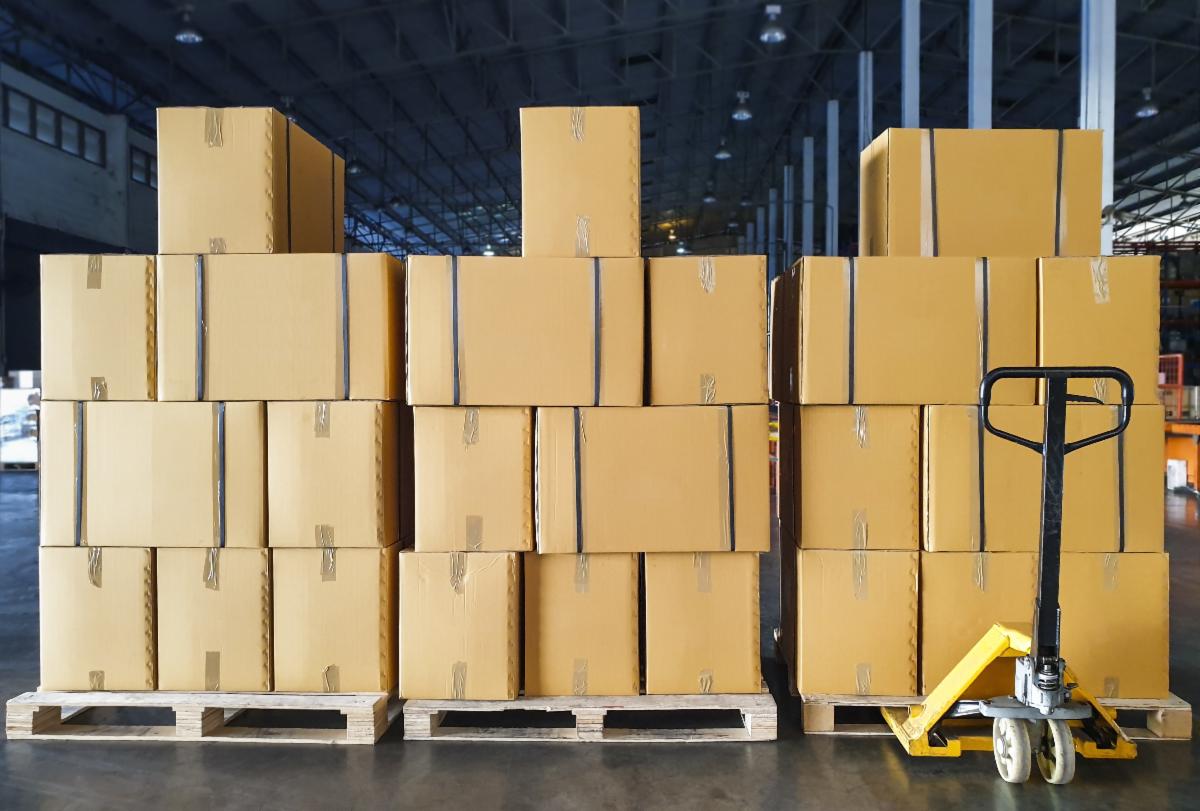
Less-than-truckload shipping combines freight from multiple shippers on one trailer, making it a cost-effective option for smaller palletized shipments that do not need a full truck.
Partial truckload bridges the gap between LTL and full truckload for larger shipments that still do not require a full trailer. By sharing trailer space, shippers can avoid paying for unused capacity, particularly when size, value or handling needs make standard LTL less attractive.
When truckload spot rates rise, these alternatives can become especially valuable, assuming the freight profile still fits.
The right mode still depends on dimensions, weight, freight class, value, transit time, handling needs and carrier rules. By proactively comparing LTL, partial truckload and full truckload options, we can match each shipment with the right service and help customers balance cost, capacity and service requirements, even in an expensive truckload market.
For shippers, the takeaway is simple: not every shipment that has traditionally moved truckload has to continue moving that way. A flexible, mode-neutral approach can uncover meaningful savings while still keeping service requirements at the center of the decision.
| | Maritime Update: West Coast Port Congestion | | |
At Koch Maritime, our team actively monitors port congestion and other conditions that could affect customer shipments.
Led by Stacey Coffitt, Director of Maritime Operations, the team provides proactive updates on potential delays and, when practical, evaluates alternative routing options to help keep freight moving.
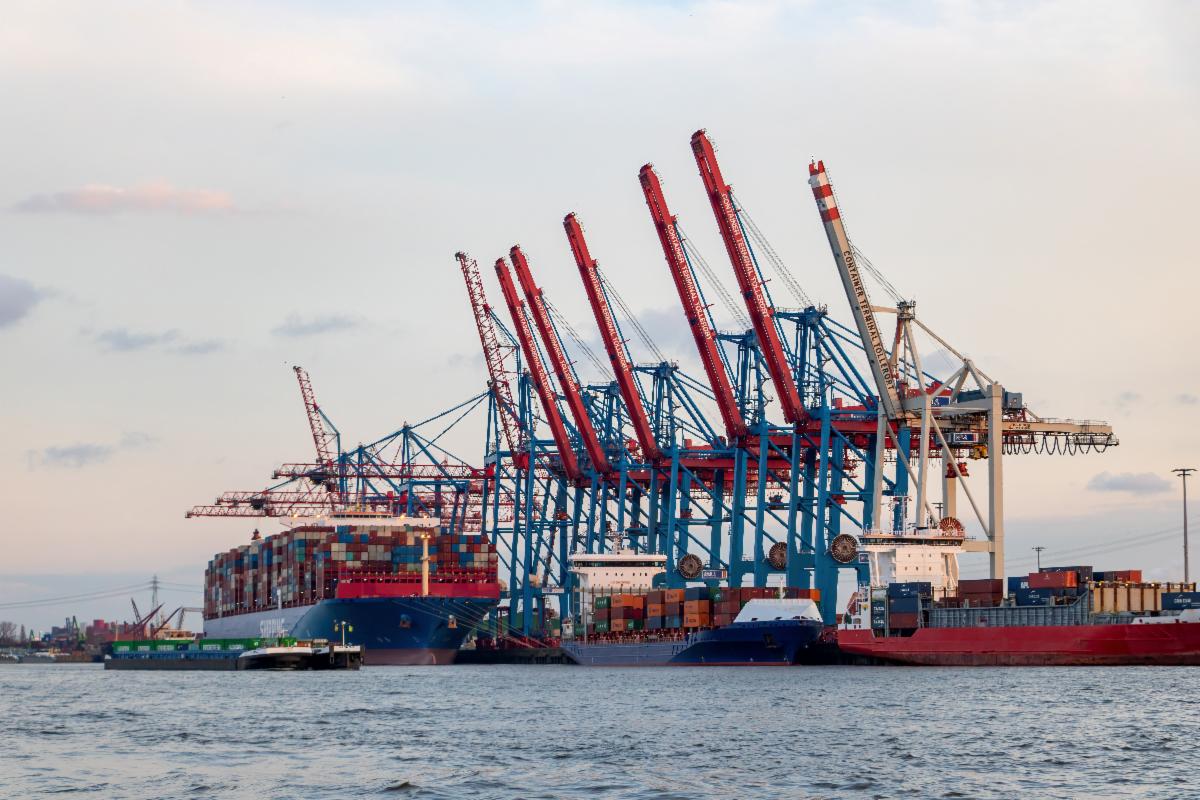
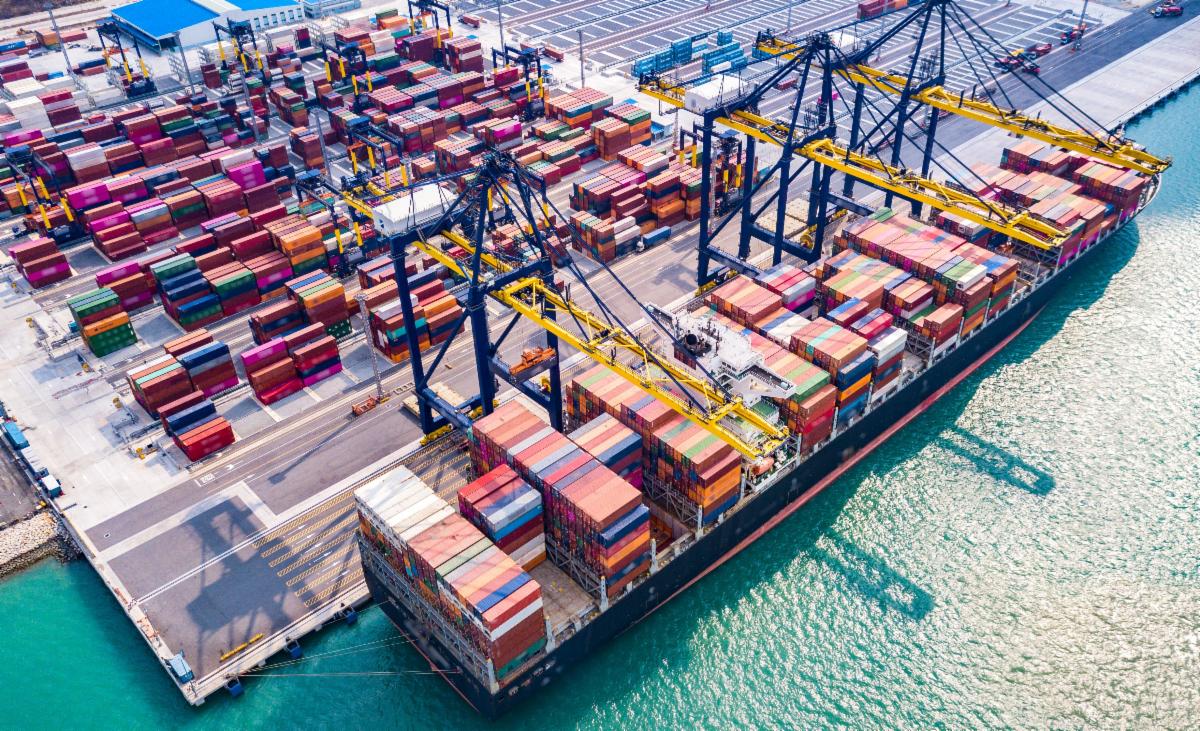
The team is seeing that West Coast ports are experiencing congestion that can contribute to slower unloading, longer container dwell times, and downstream disruptions to rail and truck schedules. The pressure has been particularly notable at Southern California gateways, though conditions can change quickly by terminal, carrier, and shipment.
We understand that visibility, communication, and flexibility matter to shippers. We are encouraging shippers who use these ports to plan for delays. By monitoring changing port conditions and communicating early, we help our customers plan for potential disruptions and make informed routing decisions.
| | | It is unlikely that this deal will have a significant impact on fuel costs in the near term but could provide much-needed cost relief in the coming year if the quoted volume comes to fruition and a deal with Iran is not struck soon. | | |
On October 9, President Trump announced on social media that he had struck a deal with Russian President Vladimir Putin in which Russia will supply millions of tons of diesel to the U.S.
The deal aims to lower record high fuel costs ahead of the U.S. mid-term elections and marks a significant reversal of years of pressure applied by the U.S. on Russia over the Ukraine war. President Trump stated in his announcement that Russia will immediately supply more than 300,000 tons of diesel, followed by an additional 500,000 tons in November and 1 million tons thereafter. Depending on the quality of the diesel, President Trump stated Russia will supply another 3 million tons shortly after that.
This deal marks the first time the U.S. has imported oil or fuel since the war in Ukraine began in 2022.
| | ISM Report Still Indicates Economic Expansion | | |
For the ninth straight month, U.S. manufacturing activity continued expanding according to the latest report from the Institute for Supply Chain Management's Manufacturing PMI.
The September report returned a reading of 54.5 (readings above 50 signal expansion, below 50 signal contraction), which was 10 basis points below the August report and well below the expected level. The report is compiled by surveying supply chain professionals across various industries and sectors. Many of the executives surveyed expressed concerns over "pricing pressures" including elevated transportation costs due, in part, to the high cost of diesel.
A sustained level above 47.5 typically signals overall growth in the economy. The September reading was in line with the annualized real GDP growth of 2.4%, according to the report. However, the report's supplier deliveries index, which measures delivery times to manufacturers, slid 30 basis points consecutively, indicating slowing delivery times and supply chain constraints.
The sentiment from those surveyed skewed 40% positive and 60% negative. The prior month was 42% and 58% respectively. Key factors for the worsening sentiment include: pricing volatility, tariffs, the Iran war, and longer lead times. The primary concern is over cost inflation. The dataset's price index jumped 6.8 points to a reading of 77.9 as higher prices were reported by 58.6% of the survey respondents, 12.4 points higher than August as the cost of raw materials increased for the 24th straight month.
| | | Peak Season Waning Reports NRF | | Our team still anticipates capacity constraints and port congestion well into the holiday season. If you need assistance securing capacity or getting your imports landed, we encourage proactive planning and reaching out to our team with as much notice as possible to ensure timely delivery. | | |
The October Global Port Tracker report released by the National Retail Federation indicates a waning peak season after an unusually long stretch of elevated import volumes through much of the summer and early fall.
The report highlights that August was likely the busiest month of 2026 in terms of import volume, replacing September as the assumed peak. Imports are now expected to wind down through the remainder of 2026 as retailers shift away from importing holiday merchandise and focus on replenishing inventories and preparing for 2027.
Ports handled 2.3 million twenty-foot equivalent units in August, up 0.4% from July but down 0.7% from the same period in 2025. Imports were likely bolstered by resilient consumer spending despite inflation concerns, declining consumer confidence, and worsening economic indicators.
Projections indicate a gradual decline rather than an abrupt drop. Despite this decline, September and October volumes are still anticipated to be higher than a year earlier.
“Even with any fluctuations in final data, we’re likely past the busiest part of the year,” Jonathan Gold stated. He added, “The truth is that the peak season started early and stretched through the summer and early fall, with the difference from month to month often amounting to little more than a rounding error.”
| | Global Trade Hits Highest Level in Two Years | | |
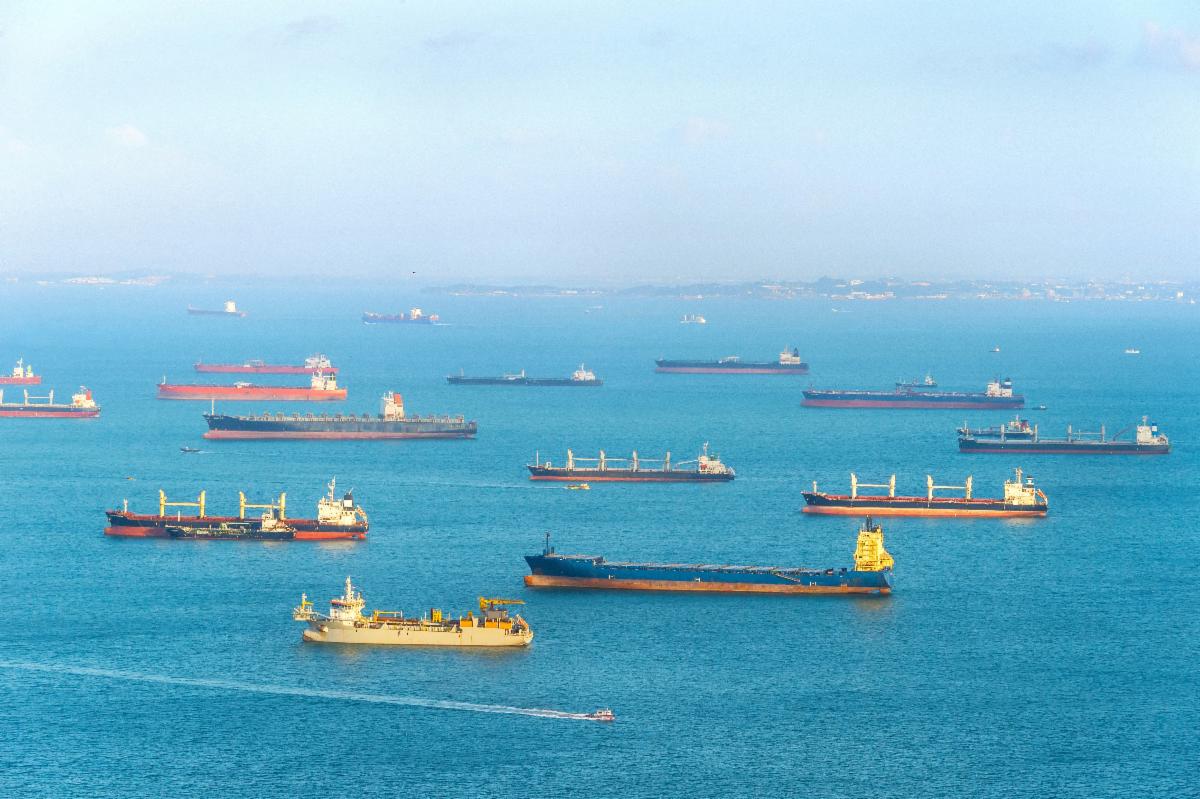
Total global container shipping volumes reached an estimated 17.46 million twenty-foot equivalent units as of August, the highest level in over two years according to Container Trades Statistics.
August volumes surpassed the previous record set one month earlier in July and were up 3.7% versus August 2025. Through the first eight months of 2026, global volumes were up 4.7% year-over-year according to the October 8th CTS report. These figures indicate continued trade growth despite elevated fuel costs, route disruptions, and changing tariffs. Increased cargo flows from Asia led to a recovery in North American import volumes, with trans-Pacific trade up 5% year-to-date. Tariff uncertainty followed by port congestion caused by typhoons resulted in weaker trade conditions earlier in the year.
| | | Connect with Our Team on LinkedIn | | | SHIPPING SERVICES | IMPORT
EXPORT | RETAIL SERVICES | SUPPLY CHAIN MANAGEMENT | DISTRIBUTION
WAREHOUSING | | When you partner with Koch Logistics your freight arrives where, when, and how it's supposed to. | Koch Maritime keeps you informed at every turn with proactive & effective customer service. | New Store Openings, Remodel and
Rebranding projects?
It's one of our specialties! | When we manage your supply chain, you can count on us to be with you every step of the way. | For a variety of distribution and warehousing services that will work for you, come to us. | | |
| Do you enjoy this style of content from Koch Logistics? | | | | | | |