View as Webpage

A newsletter from Johnson County Mental Health Center


Mental Health Moment

On July 1, kratom and 7-OH products became illegal in the State of Kansas. Social media comments about the ban cover a wide spectrum, from gratitude and relief to stress and anger. Some are becoming aware of kratom and 7-OH for the first time.


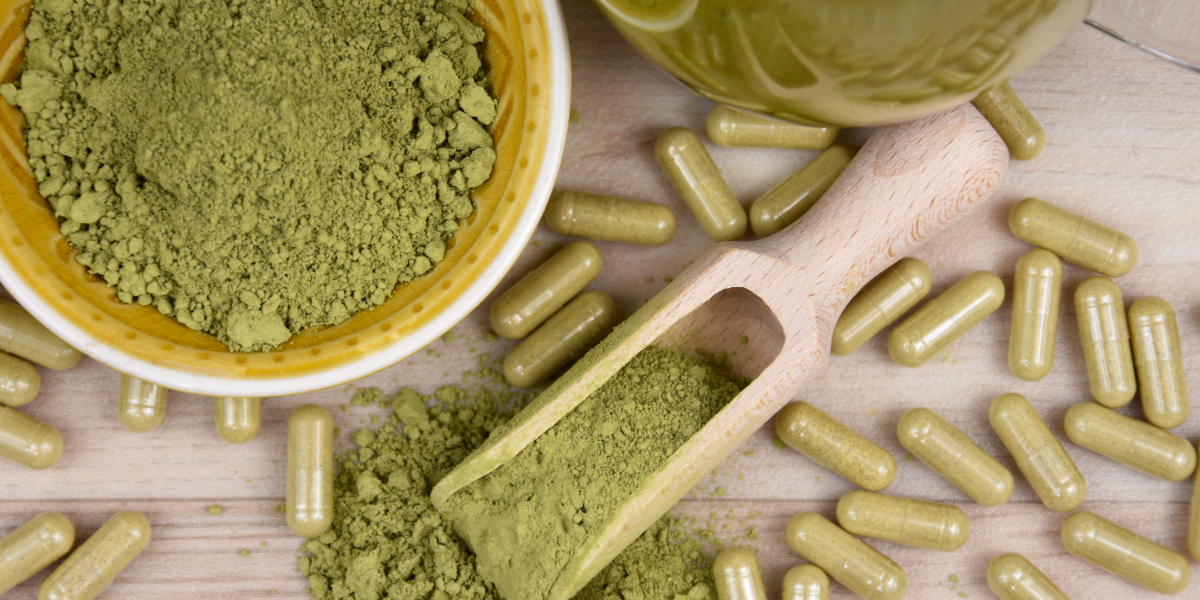
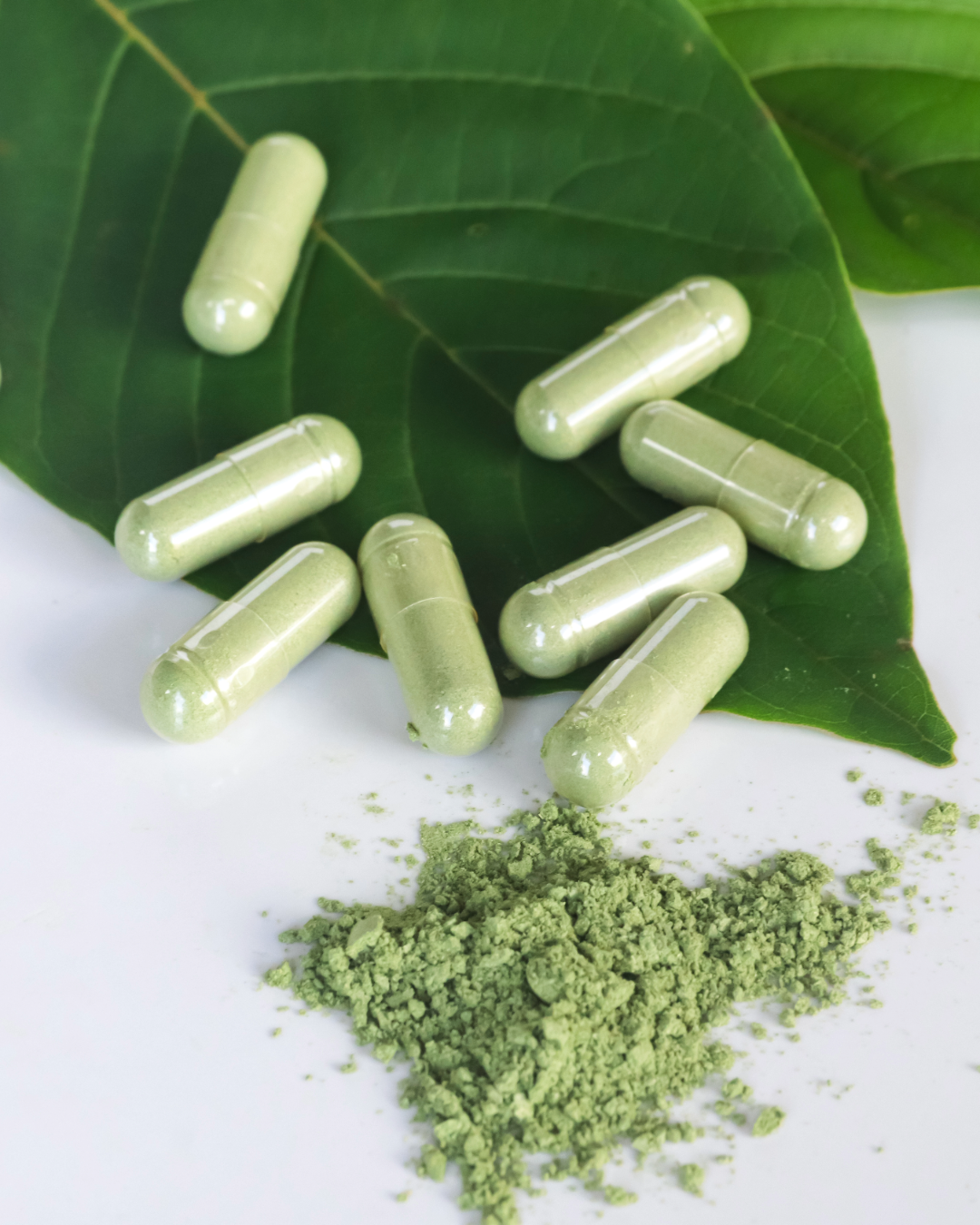
Kratom, a tropical tree native to Southeast Asia, can produce sedative effects when ingested in high doses. 7-hydroxymitragynine, or 7-OH, is a potent compound derived from kratom that activates opioid receptors and may produce effects similar to prescription opioids.


Kratom and its derivatives are used to manage stress, pain, energy or opioid withdrawal. It's important to know that dependence can happen with these products, but with the right resources and supports, treatment and recovery are possible.

Dependence on kratom


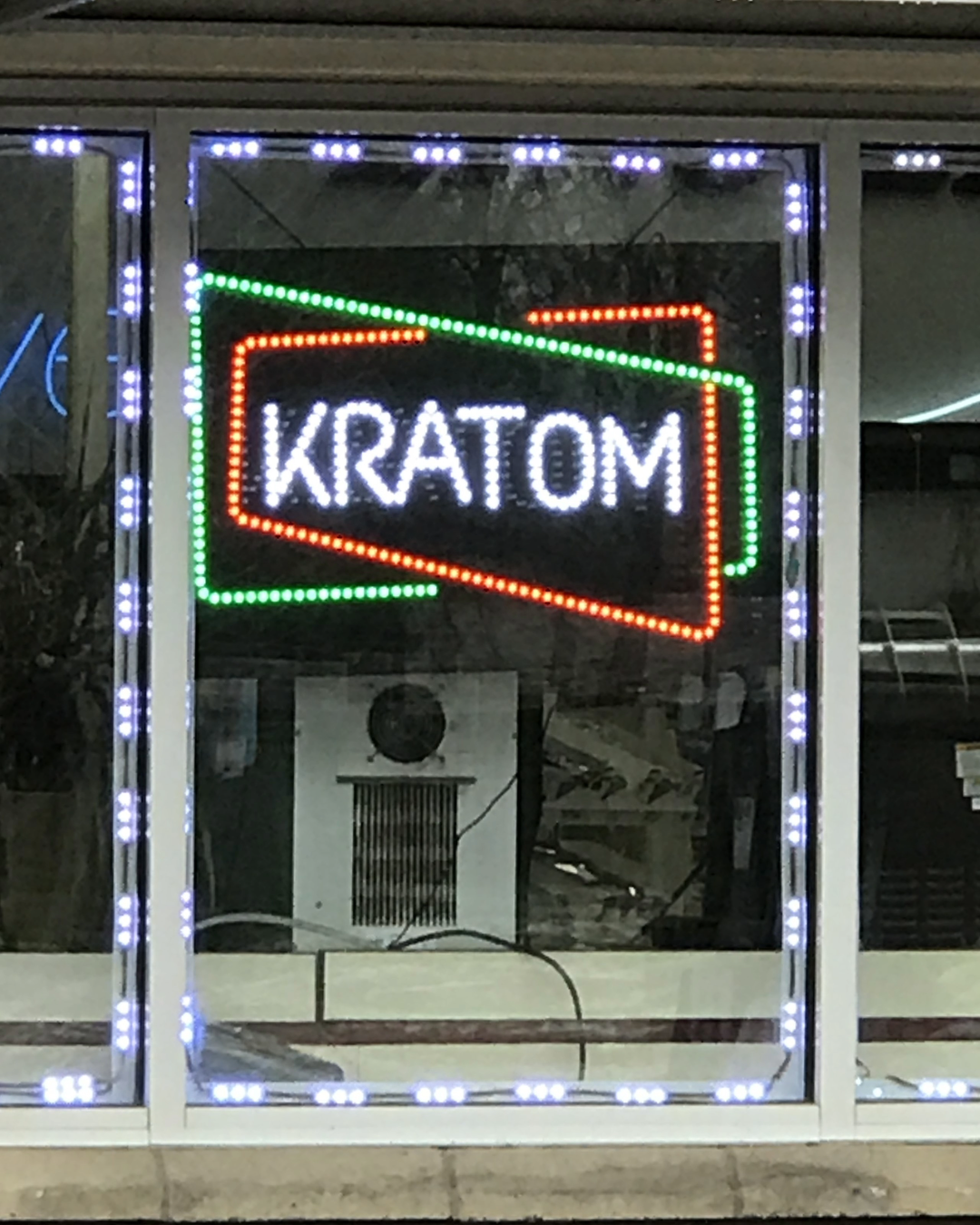
Before July 1, kratom and 7-OH were available through unregulated supplements at local gas stations or smoke shops. It was even available to purchase in bulk online.


Kratom's highly addictive potential and wide accessibility have led many to become dependent on kratom. This can especially be true as an individual's tolerance increases over time with regular use and signs of dependence may include:


  • Needing more to feel the same effect
  • Feeling anxious or sick when you don't take it
  • Inability to stop or cut down
  • Spending a lot of time thinking about it
  • Issues at work or home

Withdrawal from kratom


Stopping kratom use for an extended period of time, whether because of choice or reduced access, may cause symptoms of withdrawal, which could include:


  • Anxiety or panic
  • Irritability
  • Trouble sleeping
  • Nausea
  • Sweating
  • Muscle aches


Symptoms of withdrawal can also lead to seeking alternatives, including the use of other opioids or pain medications without a prescription. Taking pills obtained outside of a licensed pharmacy significantly increases the risk of exposure to fake pills containing fentanyl, overdose and death.

What to do if someone is experiencing dependence or withdrawal


Recovering from dependence or addiction to kratom and 7-OH products can be a very difficult process for the individual and those who care about them. Always remember that treatment is available and recovery is possible.


If you or a loved one are struggling with a substance use challenge related to kratom and 7-OH, there are several ways JCMHC can support you.


  1. Help is available 24/7 through JCMHC's Crisis Line at 913-268-0156 or through the 988 Suicide & Crisis Lifeline at 988.
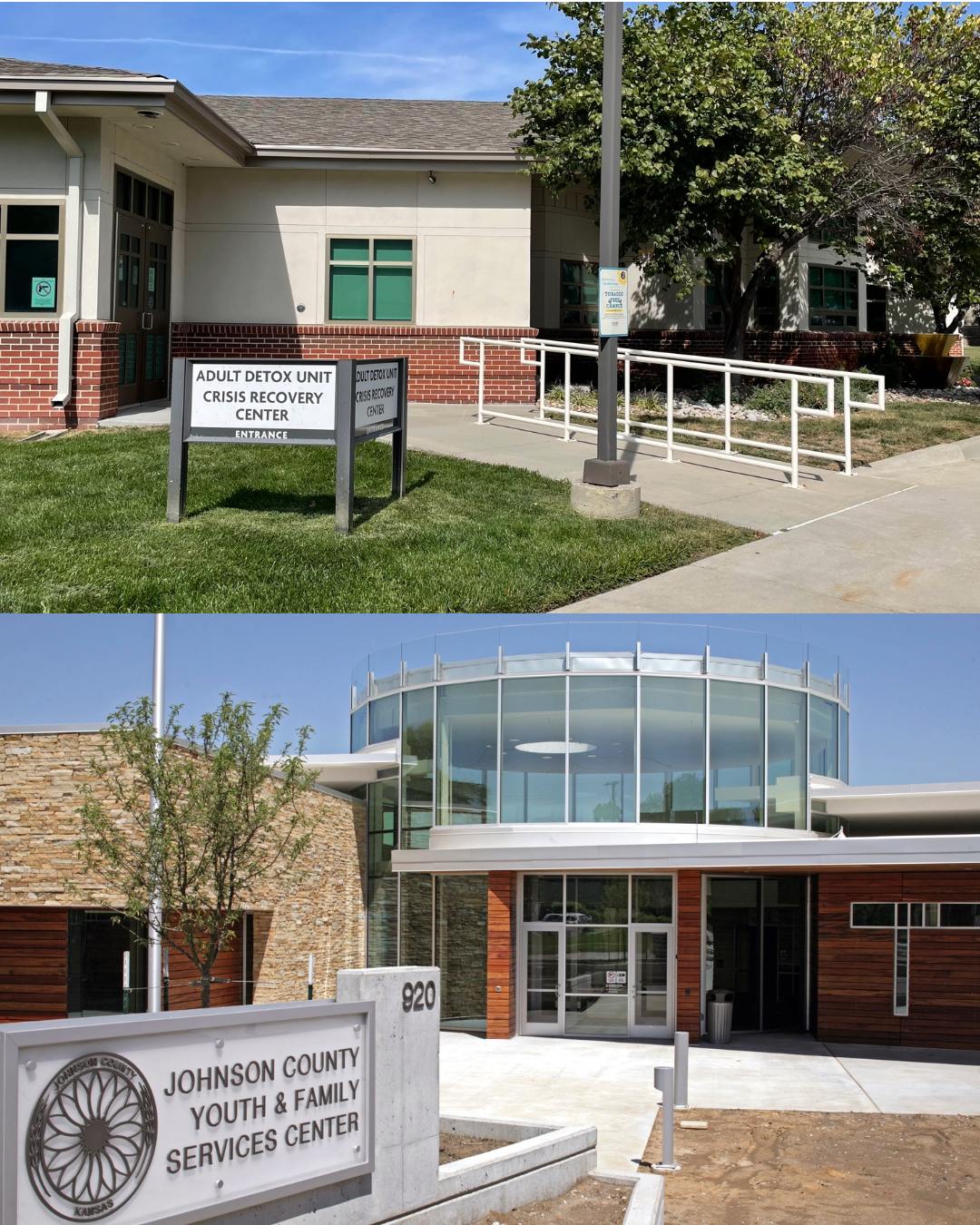
  2. Residential services are available for adolescents and adults, including the Adolescent Center for Treatment and the Adult Detoxification Unit.
  3. Outpatient services are available for adolescents and adults.
 

Featured Resource: DCCCA


DCCCA provides social and community services that improve our community's safety, health and well-being. The organization has detailed information about the ban on their website, including types of treatment and medications.


Learn more about the kratom ban from DCCCA.

Help is Available 24/7


Remember that you are never alone. Help is available 24/7 through JCMHC's Crisis Line at 913-268-0156 or through the 988 Suicide & Crisis Lifeline at 988. Johnson County Mental Health Center also has walk-in services, known as Access to Care, available Monday through Friday at our Shawnee and Olathe offices.


Call JCMHC's Crisis Line.

Midweek Mood Booster


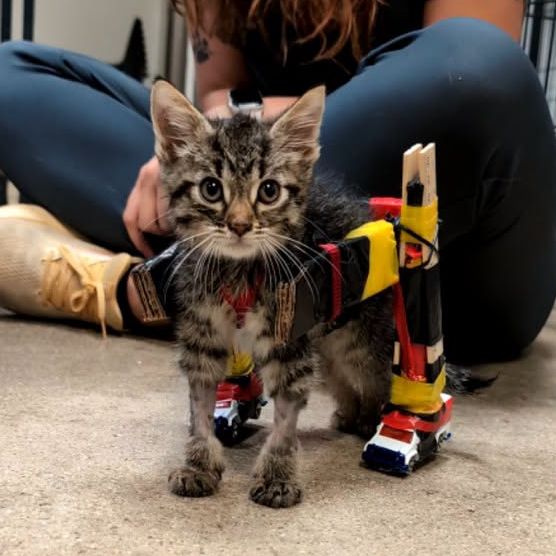
Gelato, a foster kitten in Cincinnati, Ohio, captured hearts when photos of his custom-made wheelchair went viral online. Cincinnati Animal CARE's Veterinary Assistant Lead, Mallory, and other shelter medical team members helped Gelato's mobility with a few rulers, zip-ties and Hot Wheels.


See Gelato's DIY wheelchair in action.

Facebook  Twitter  Youtube  Instagram  

24/7 Crisis Line: 913-268-0156

988 Suicide & Crisis Lifeline: Call or text 988

JCMHC's Main Phone Line: 913-826-4200