|
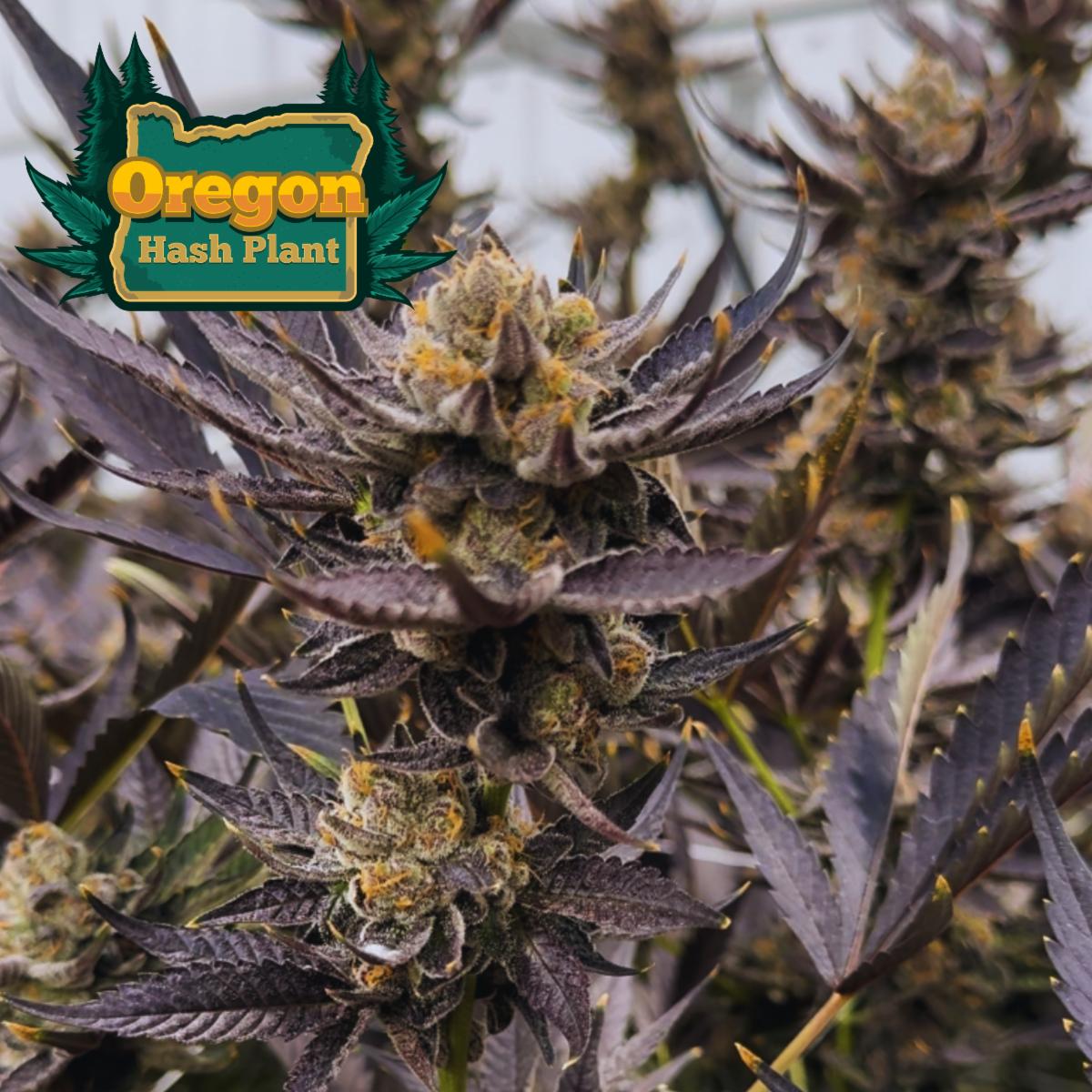
Ever wonder what brings out the dark coloring in some strains of cannabis flower? The dark colors in cannabis flowers, such as deep purples, blues, or even black hues, are primarily influenced by a combination of genetics, environmental conditions, and the presence of specific pigments. Here's a breakdown:
1. Anthocyanins
- Anthocyanins are water-soluble pigments found in many plants, including cannabis. These pigments can appear in shades of purple, blue, or red, depending on the pH of the plant's cells.
- Cannabis strains with high anthocyanin levels in their genetic makeup are more likely to develop dark colors, particularly under the right conditions.
2. Genetics
-
Some cannabis strains are genetically predisposed to produce darker flowers. Examples of some strains in our garden include Oregon Hash Plant, MAC, and coming soon Grandaddy Purple. These strains naturally have higher concentrations of anthocyanins.
3. Temperature
- Cooler temperatures, especially during the night cycle, can enhance anthocyanin production. When nighttime temperatures drop significantly below daytime temperatures (e.g., by 10-15°F), it can trigger the expression of dark pigments. Being that we grow in a greenhouse we can produce this drastic temperature change more regularly in the cooler months of the year when we don’t battle such high outside temperatures at night. For this reason, we talk about fall and winter as our “color seasons.”
4. Light Exposure
- Proper light exposure can also influence pigment production. While excessive light stress can sometimes cause discoloration, balanced and well-managed lighting enhances the plant's natural pigmentation.
5. Ripeness
- As the plant matures and approaches harvest, dark colors may become more pronounced, especially in strains predisposed to such pigmentation.
While dark coloration is visually appealing and associated with specific strains, it does not necessarily correlate with potency, flavor, or overall quality—it is primarily an aesthetic feature.
|