From Planning to Progress: 2025 Year in Review | | |
Dear Allies,
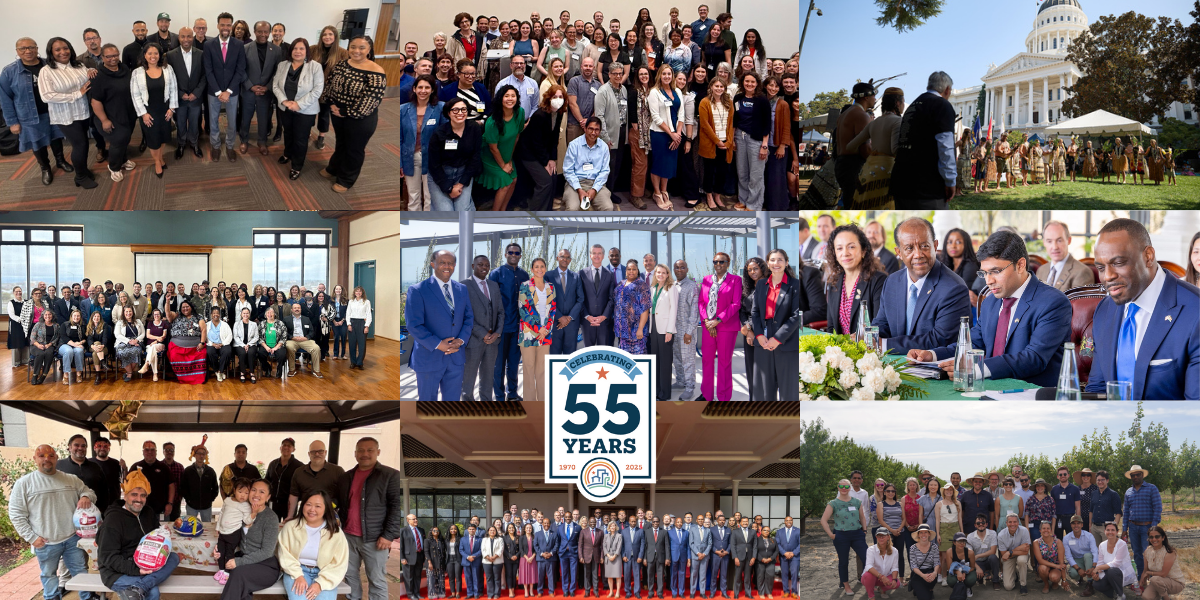
As 2025 comes to a close, we’re celebrating the people and partnerships that turned ideas into action — from communities building affordable housing and climate-resilient infrastructure to leaders advancing racial equity and inclusive governance. Every milestone this year reflects the power of collaboration and the belief that California’s strength lies in its people.
Over the next two weeks, we’ll highlight accomplishments across Community Climate Resilience, Equity, Community Partnerships, and Land Use Planning — spotlighting the work that has shaped this year and is paving the way for what comes next.
Together, through the Governor’s Office of Land Use and Climate Innovation (LCI), the California Strategic Growth Council (SGC), and the California Racial Equity Commission (the Commission), we’re building not only a more resilient state today — but a more just, connected, and hopeful future for all Californians.
Please enjoy Part 1 of our Year in Review focusing on Milestones & Successes, Community Partnerships and Land Use Planning!
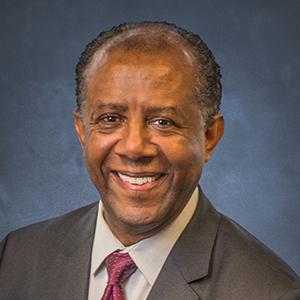
Sam Assefa, Director
| | From climate-resilient infrastructure to community-driven planning, in 2025 LCI, SGC, and the Commission continued to connect land use, innovation, and equity to build a California where every community can thrive. Thank you to our state, local, and international partners who help make this vision real every day. |
| Governor's Office of Land Use & Climate Innovation | | Celebrating 55 Years of Land Use and Climate Innovation | On Sept. 19, LCI proudly celebrated 55 years of service to the people of California. Founded in 1970 under Gov. Ronald Reagan as the Office of Planning and Research (OPR), the office was established to guide long-range planning, coordinate across state agencies, and provide forward-looking solutions to complex land use challenges. Over time, its mission evolved to meet the realities of a changing climate, culminating in its transformation into the Office of Land Use and Climate Innovation in 2024—a hub for integrating sustainable planning with resilience and economic opportunity. | LCI Releases Web-Based Tool
to Help Californians Understand Climate Hazards | | |
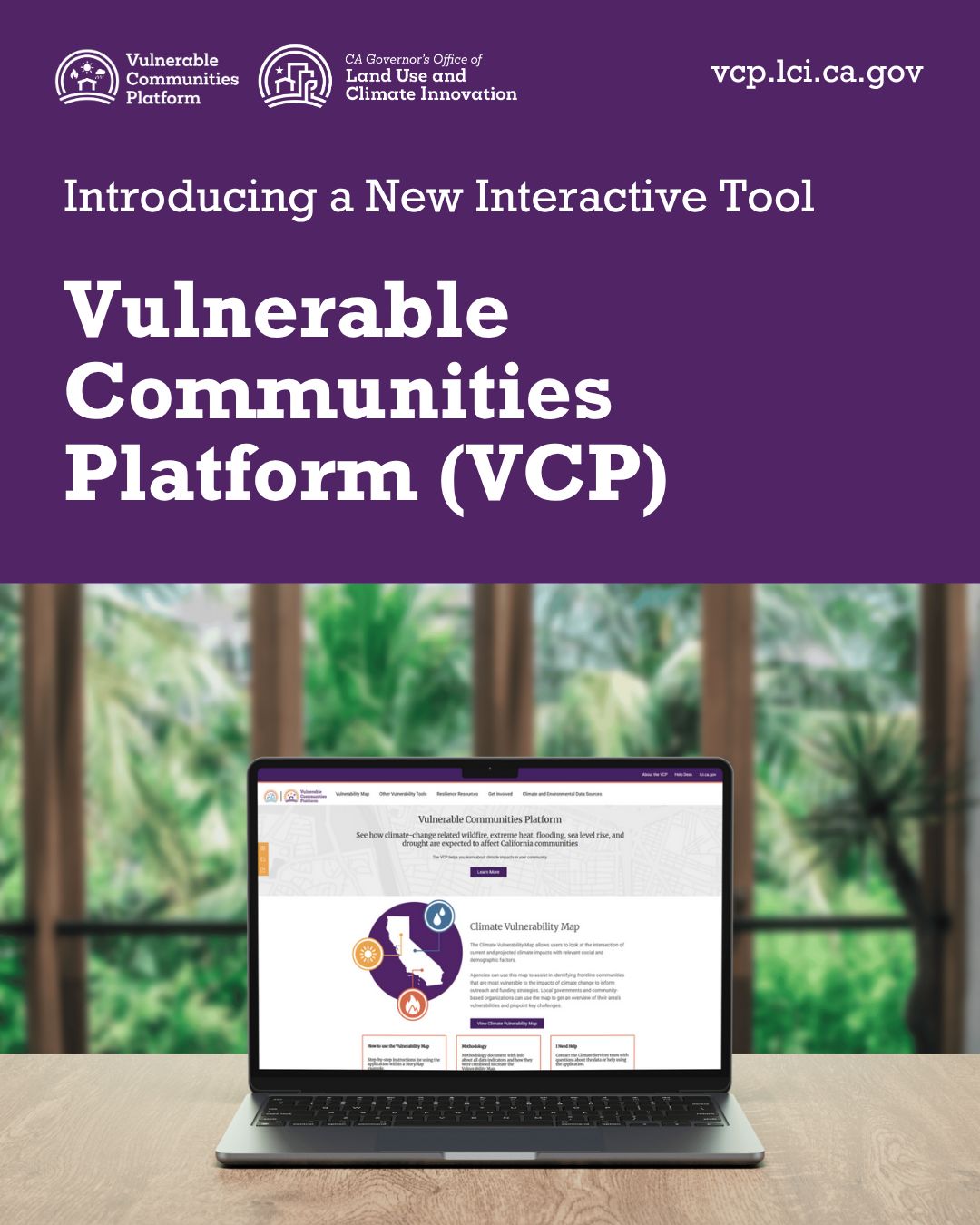
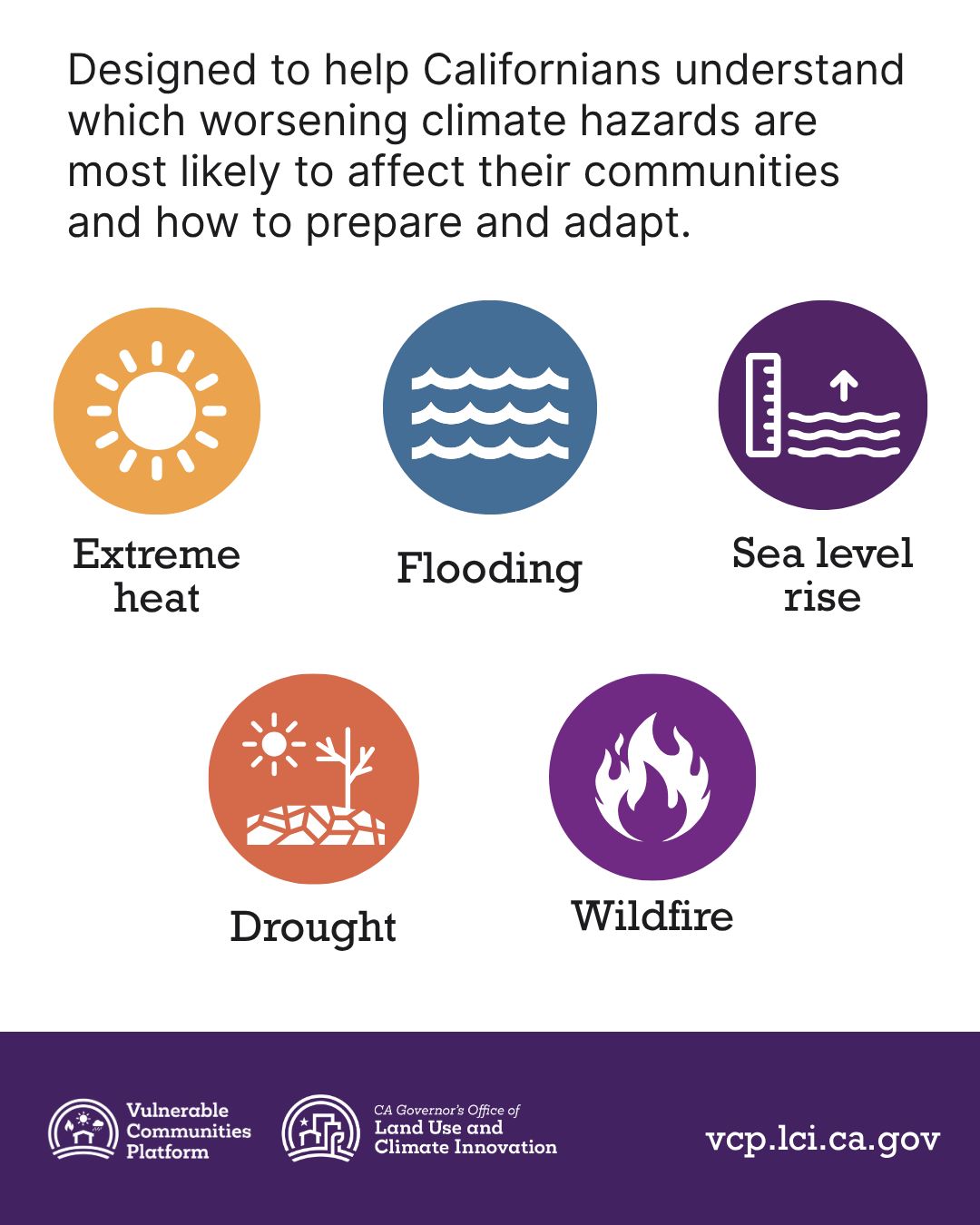
In October, LCI launched the Vulnerable Communities Platform (VCP), an interactive web-based tool to help Californians understand which worsening climate hazards, such as extreme heat, flooding, sea level rise, drought and wildfire, could affect their specific communities and how to prepare for and adapt to them.
The VCP is the first California-specific geospatial tool that can provide the user with a broad overview of the impacts that major climate hazards have on communities within a specific location. This information can be used to help individuals and local jurisdictions focus climate adaptation efforts on the greatest threat(s).
| | Extreme Heat and Community Resilience Program (EHCRP) Strengthens Statewide Preparedness for Rising Temperatures | | |
In 2025, the state launched CalHeatScore—California’s first extreme heat warning system—developed through EHCRP with the Office of Environmental Health Hazard Assessment (OEHHA), the Department of Public Health, and the Department of Insurance. As part of its rollout, LCI and OEHHA partnered with the Los Angeles Regional Collaborative for Climate Action and Sustainability to host webinars and consultations focused on teaching various communities about the tool. Feedback will shape a 2026 CalHeatScore User Guide.
LCI and the California Natural Resources Agency also released the latest update to the Extreme Heat Action Plan, informed by community and Tribal outreach. Through its Extreme Heat Program, LCI awarded $32 million to 45 organizations for cooling, preparedness, and innovation projects statewide as part of Round 1 of their grant program.
| California Racial Equity Commission | |
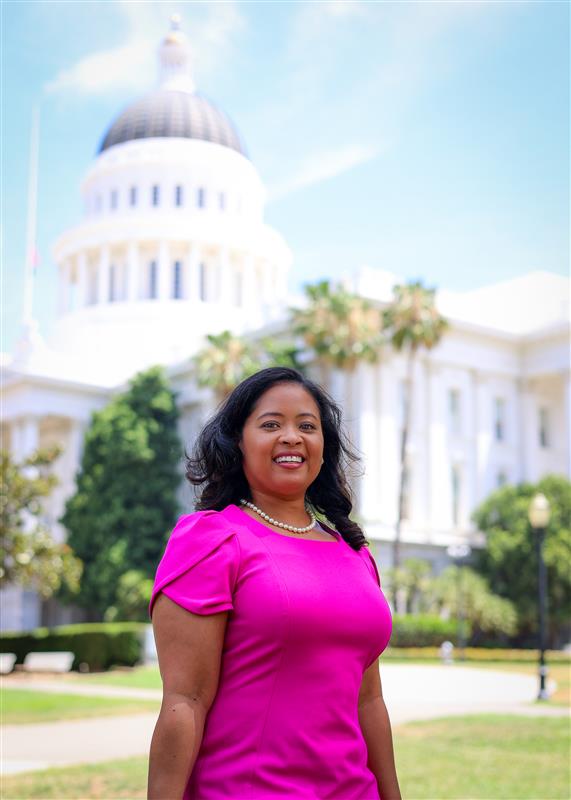
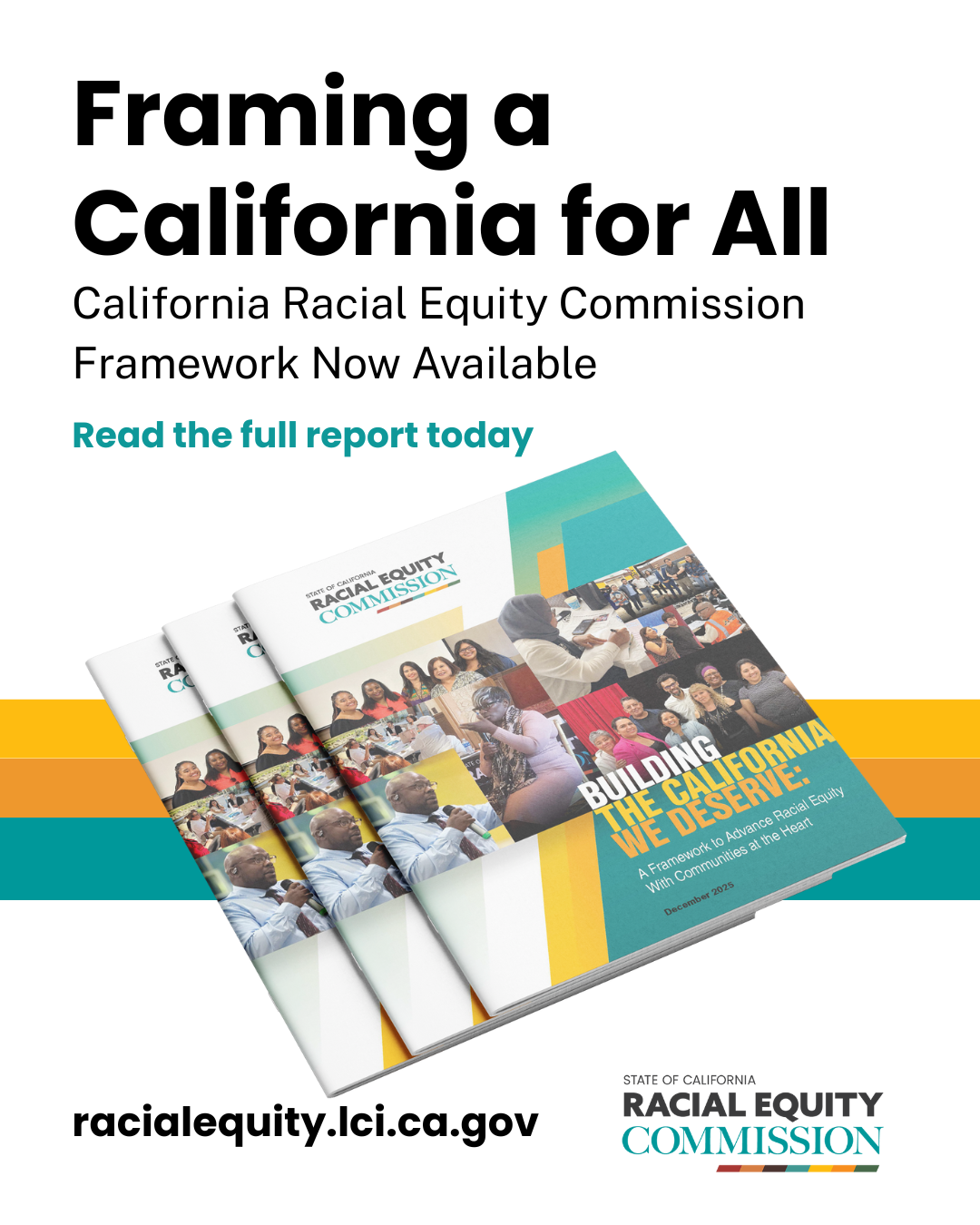
This year was a historic one for the California Racial Equity Commission — approving the draft of the state’s Racial Equity Framework and engaging directly with communities across California. Guided by trust and transparency, we are helping shape state systems that reflect and serve all Californians equitably. In 2026, the work continues, and so does our shared commitment to justice and belonging.
-Dr. Larissa Estes, Executive Director California Racial Equity Commission
| | |
Developed from Gov. Gavin Newsom’s Executive Order N-16-22, the Commission reflects California’s ongoing commitment to being an active ally in the fight for fair and equal access, and equitable opportunities for every community. The Racial Equity Framework is more than a document—it’s a step toward a system that serves all Californians with dignity, accountability, and inclusion.
LCI is proud to walk alongside the Commission and support its work. Thank you to all the Commissioners, Commission staff, and Commission Executive Director Dr. Larissa Estes for their commitment to treat equity not as a side initiative, but as the operating system of public service.
We’re proud to celebrate this progress with you and look forward to the work ahead.
| | California Strategic Growth Council | | |
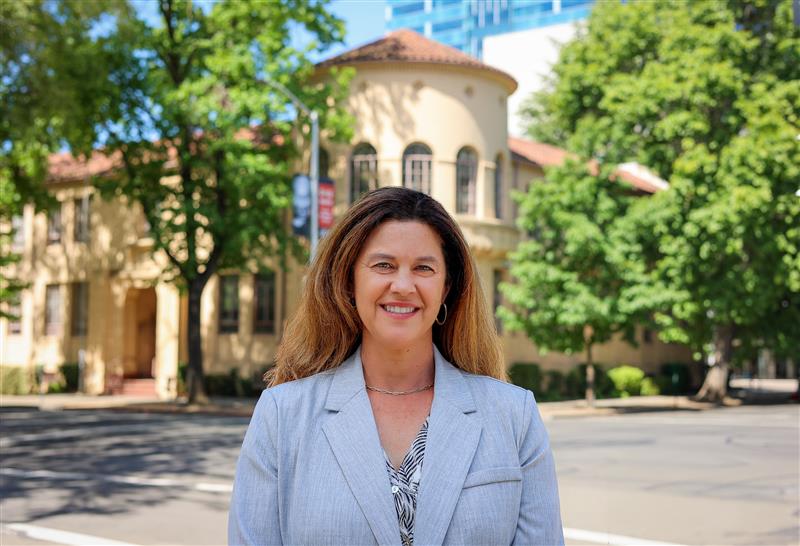
This year, SGC continued advancing community-driven investments that turn California’s climate goals into local action. Through programs such as Affordable Housing and Sustainable Communities (AHSC), Transformative Climate Communities (TCC), and Sustainable Agricultural Land Conservation (SALC), we invested in projects that create affordable homes, improve mobility, and strengthen resilience in every corner of the state. Together, we’re building a more sustainable, connected, and inclusive California for all.
-Erin Curtis, Executive Director California Strategic Growth Council (SGC)
| |
Putting People First: SGC Reaches $5 Billion
in Community Investments | |
At the end of 2025h, SGC reached a major milestone: more than $5 billion invested in communities across the state. This funding reflects years of partnering with local leaders to build affordable homes near daily destinations, expand green transportation options, protect working farms and ranches, and support community-driven climate resilience planning.
Behind every dollar is a resident gaining safe, stable housing, a neighborhood getting shaded bus stops or bikeways, a Tribal nation preserving cultural lands, or a local organization building the capacity to serve its community. SGC’s investments are not only about infrastructure or policy — they’re about people having more choices, more access, and more opportunity to thrive where they live. And that impact will carry forward for generations.
Stay up to date on programs.
| |
Tribal Housing Capacity Initiative Expands Support for
Tribal-Led Housing Development
| |
In April, SGC approved the Tribal Housing Capacity Initiative, creating a dedicated effort to strengthen Tribal-led housing planning and project development. A $30 million fund shift was authorized to support this work through Round 2 of the Tribal Capacity Building Program and a new Pre-Development Fund that will help Tribes advance early-stage housing projects.
At the October Council meeting, staff shared an update on key informant interviews that are shaping the initiative’s priorities and design. Together, these steps enhance long-term capacity for Tribal communities and support the development of more culturally grounded, community-directed housing opportunities across the state.
| |
Strengthening Our Commitment to
International Collaboration on Building Climate Resiliency
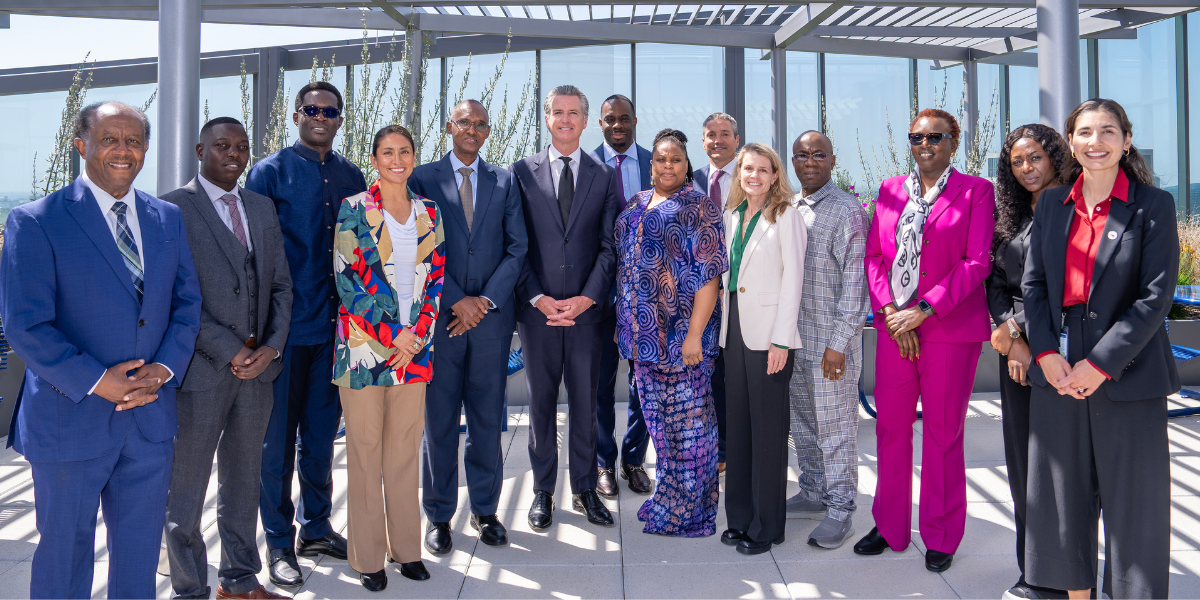
| In 2025, Director Assefa represented California on key international missions advancing climate resilience, housing, and innovation. As part of the Africa-California Delegation he traveled to Kenya and Nigeria where he met with national leaders to strengthen collaboration on climate-smart agriculture, renewable energy, and equitable development. In the Netherlands, he joined a delegation focused on sustainable mobility and climate-ready infrastructure—resulting in a new transatlantic partnership to accelerate clean, connected transport systems. And in Vienna, SGC’s Sean Kennedy attended a housing study tour exploring Austria’s world-renowned social housing model, focused on affordability, community design, and climate resilience. Together, these missions deepened global partnerships, informed California’s approach to equitable growth, and advanced LCI and SGC’s shared vision for resilient, inclusive communities. | Advancing Tribal-Led Climate Resilience on the North Coast | | |
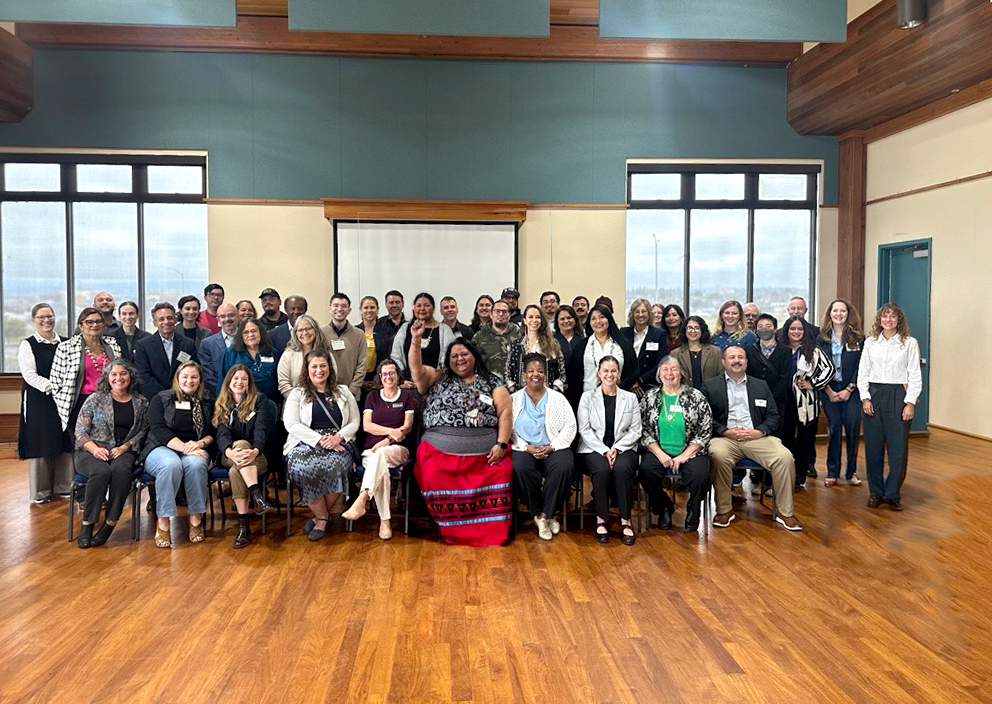
This fall, LCI and SGC joined Tribal leaders and partners on California’s North Coast for a series of meaningful engagement sessions centered on collaboration, climate resilience, and Tribal Sovereignty. Redwood Region RISE hosted a Tribal roundtable that brought Tribes, local leaders, and businesses together to share priorities and strengthen partnerships. Redwood RISE is a coalition of more than 150 organizations advancing a 10-year Regional Roadmap to create sustainable, quality jobs while protecting the region’s natural resources.
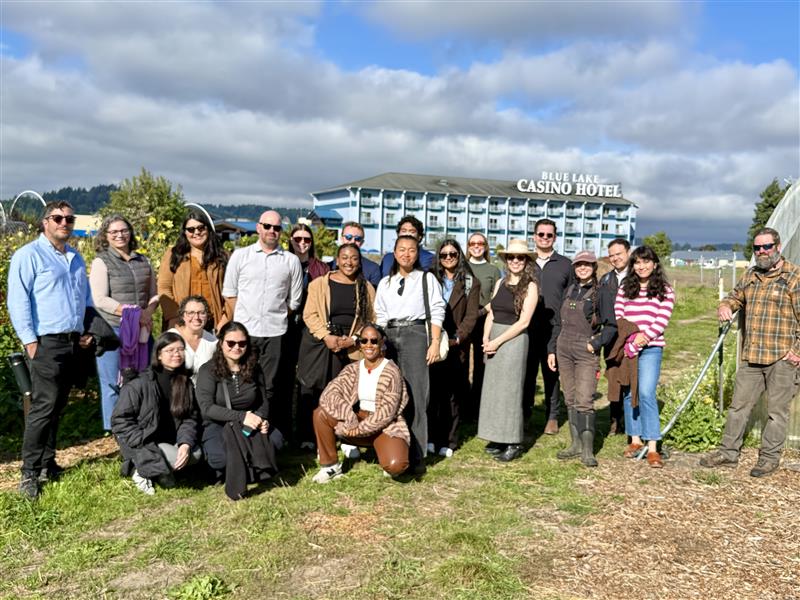
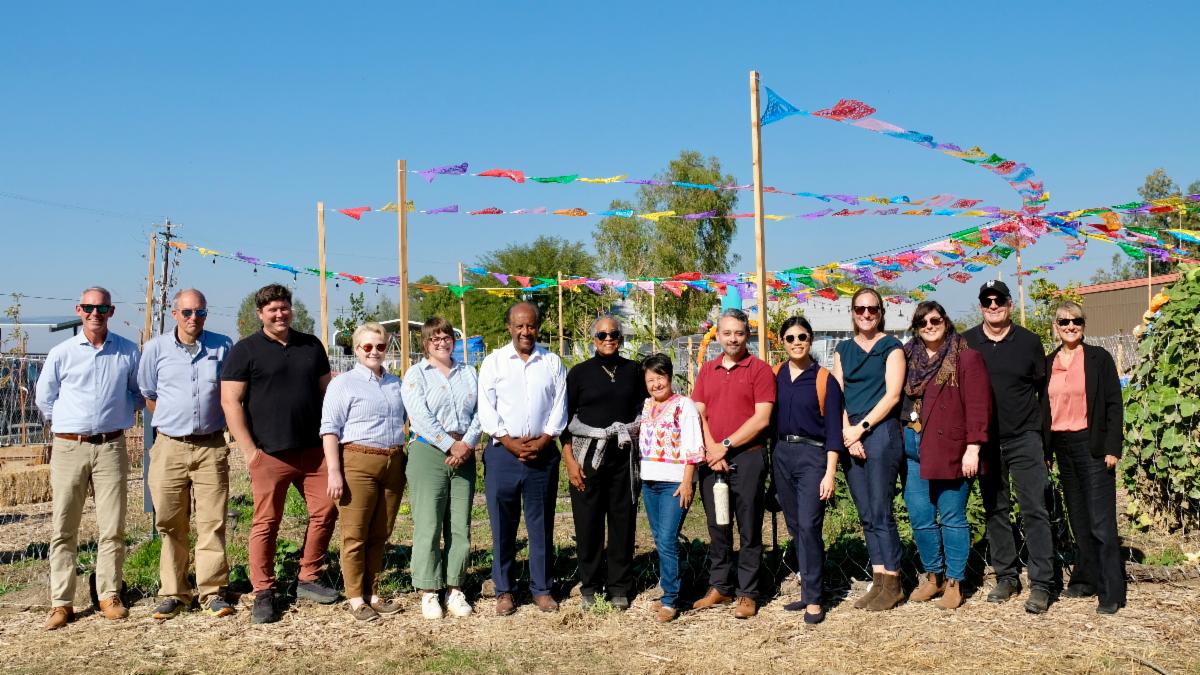
Staff from SGC also visited the Blue Lake Rancheria's Food Sovereignty Garden, which produces 30,000 meals each year and is supported by the Tribe’s low-carbon community microgrid—enhancing food security, emergency preparedness, and climate resilience for the Tribe and surrounding region.
At its October meeting, SGC also welcomed Governor’s Office of Tribal Affairs Secretary Christina Snider-Ashtari and voted to return 11,096 acres of land to California Native American Tribes through SALC-funded projects.
| |
Integrated Climate Adaptation and Resiliency Program’s (ICARP) Technical Advisory Council (TAC) Takes First Road Trip
| | For the Quarter 4 ICARP TAC meeting in October 2025, the team went on the road to Allensworth—a community built on resilience and self-determination. Founded in 1908 by Colonel Allen Allensworth and a group of African American settlers, Allensworth was the first town in California to be founded, financed, and governed entirely by African Americans. Today, it continues to lead community-driven adaptation efforts that inspire rural communities statewide. Director Samuel Assefa and Council members met with the Allensworth Progressive Association to learn about projects in education, regenerative agriculture, and plans for a new Community Resilience Center funded through a TCC Round 4 Planning Grant. Follow where TAC is going in 2026! | |
Streamlining Environmental Review Under
the California Environmental Quality Act (CEQA)
| | |
To accelerate climate-focused housing and infrastructure statewide, LCI’s CEQA team advanced the Cornucopia solar project and the Pure Water infrastructure project for the Governor’s CEQA Judicial Streamlining Program. Gov. Newsom certified both projects, allowing critical clean energy and water infrastructure to move forward more quickly.
LCI also hosted a statewide CEQA webinar highlighting the Judicial Streamlining Program and new legislation, including AB 130 and SB 131, and how these tools can help deliver housing and infrastructure faster.
To implement Executive Order N-2-24, LCI convened an interagency Vehicle Miles Traveled Mitigation Task Force in 2025 to develop a statewide approach that supports housing in existing communities—helping Californians live closer to jobs, schools, and transit.
| |
LCI’s Planning Team Launches Planning Guidelines Update
| From June through December 2025, the LCI Planning Team heard from more than 1,000 planners, local officials, Tribal representatives, and community partners about how statewide guidance can better support local planning and help shape a vibrant, resilient, and inclusive California. This work supported a comprehensive effort to refresh the state’s General Plan Guidelines, Specific Plan Guidelines, and Tribal Consultation Guidelines, including updates required under SB 18 and AB 52. The Planning Team also released the discussion draft of the Senate Bill 1425 Open Space Technical Advisory Document. The draft provides guidance to local governments and planning practitioners on reviewing and updating open space plans to advance equity, climate resilience, and rewilding opportunities as outlined in SB 1425. | |
Stay tuned for more highlights in Part 2
of our Newsletter, coming Dec. 30.
|
| | | |