Living Desert Alliance
Keep our Desert and Community Livable and Thriving
| | |
Voices From Across Our Community
Just a quick reminder that our first‑ever Living Desert Alliance Speaker Series kicks off next Wednesday, June 10, from 5:45–7:00 PM at the Oro Valley Library (1305 W Naranja Dr).
Come meet your neighbors, spark new ideas, and hear from Nick Maya, Program Manager of the Coalition for Sonoran Desert Protection as he updates us on the proposed Interstate 11 and shares how conservation and land‑use planning shape wildlife across the Sonoran Desert.
No reservation is needed, but you can help us plan
by clicking on the green RSVP button below.
Tell a friend!
| |
WMG's River Run Network Creek Walk:
Explore the Cortaro Narrows
Saturday June 13th, 7 - 9:am
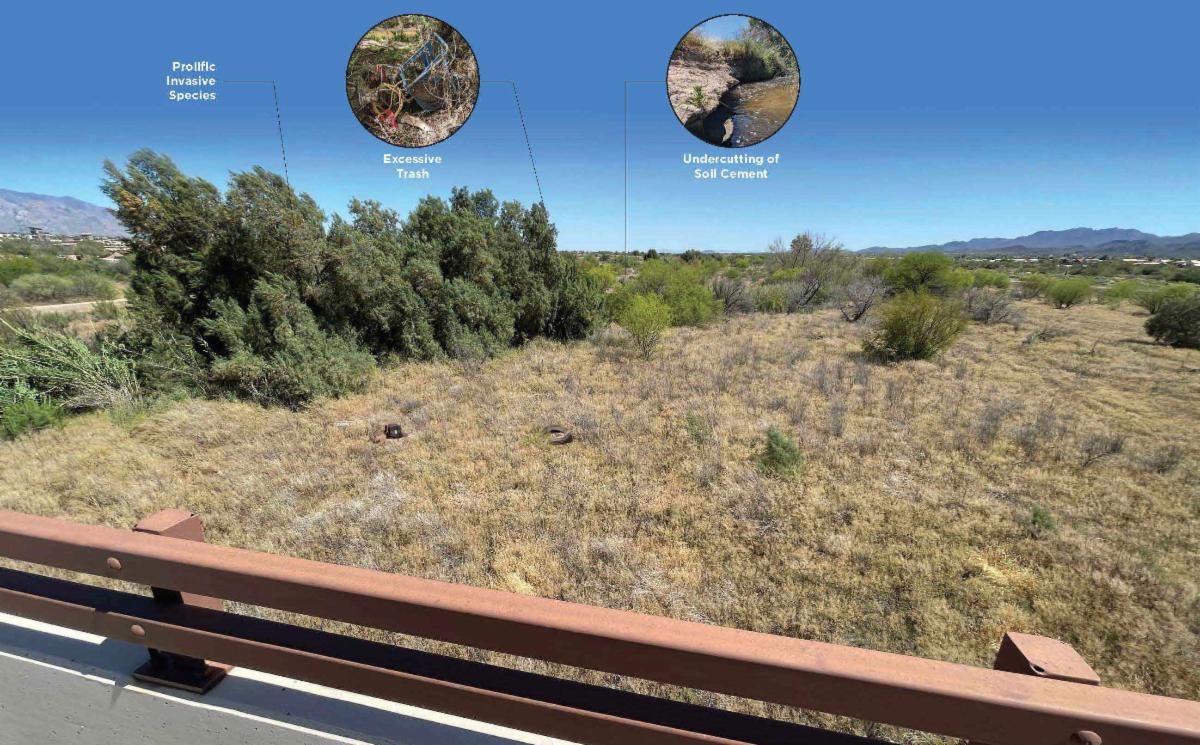
The Santa Cruz River has long been essential for flood protection, and earlier soil‑cement bank reinforcement helped safeguard nearby communities. When inspections revealed undercutting near Twin Peaks Road, the District planned seven new soil‑cement structures to stabilize the riverbed, maintain channel elevation, and strengthen long‑term flood safety. Phases 1 and 2 of the Pima County “Santa Cruz River Cortaro Narrows Training Structures” project are now complete and ready to view.
If you want to see the progress up close, join Watershed Management Group for a fun, informative river walk! Lauren Knight, River Run Network Program Manager, will lead the tour. You’ll also hear from Janice Hughes, PE, RG, and Matthew Lutheran, PLA, who will share what’s been accomplished so far and what’s coming next: stream restoration, grade‑control structures, revegetation, and invasive species removal.
Phase 3 begins in October, bringing even more restoration potential—from creating habitat for Sonora mud turtles to supporting native fish and expanding bird habitat. There’s so much possibility in this stretch of river, and they’re excited to show you what’s ahead.
Register here for this exciting walk and explore this evolving stretch of river. See for yourself how restoration is transforming the Santa Cruz into a thriving, resilient desert waterway.
| |
Turn That Dusty Bike Into Community Power at BICAS
Upcycling at its best (no pun intended)
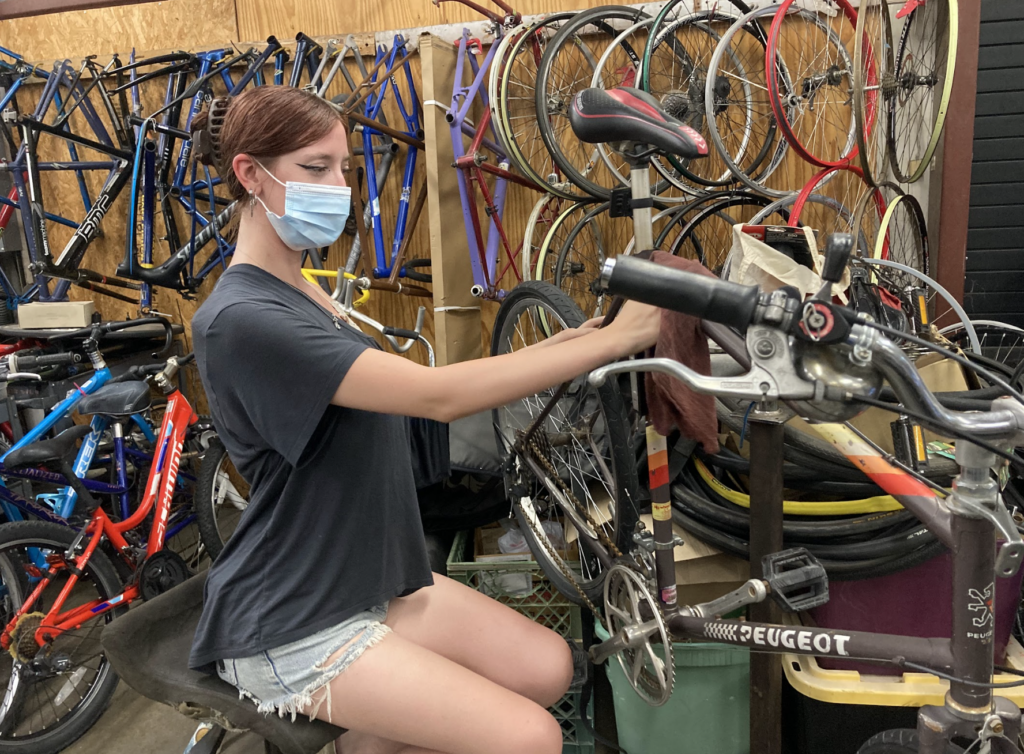
Got an old bike gathering dust? Maybe that “almost new” bicycle you were once thrilled about is now sitting lonely in the garage. Here’s your chance to clear some space and support a great cause—donate it to BICAS (Bicycle Inter-Community Art & Salvage)!
Since 1989, BICAS has been one of Tucson’s most joyful hubs for creativity, community, and sustainable transportation. This nonprofit 501(c)(3) blends bike education, art, and reuse into a one‑of‑a‑kind space where everyone can learn, build, ride, and connect.
Proceeds from donated bikes help fuel BICAS programs like Community Tools, Work Trade, and hands‑on classes for youth and adults. And yes—they accept bikes in any condition! Fixable bikes become someone’s next ride; others are salvaged for parts or transformed into amazing community art. Anything left is responsibly recycled. Accessories, racks, clothing, and gear are welcome too.
Your tax‑deductible bike donation keeps BICAS rolling—expanding programs, empowering riders, and making sustainable transportation fun and accessible for all.
Click here for more information.
Click here to learn about their June 8-12 Youth Earn-a-Bike Summer Camps! (ages 13-17).
| |
|
Help Pima County Keep the Sanitary Sewer System Flowing Properly
Every time you flush a toilet, take a shower, wash dishes, or run a load of laundry, the wastewater leaving your home travels through a network of pipes that connect to Pima County’s public sanitary sewer system.
What goes down your drain matters more than most people realize. Many products labeled “flushable” can actually damage pipes, clog the system, and lead to hazardous sewer backups in homes, businesses, and even city streets.
Cooking grease and oil are especially harmful. When poured down the drain, they cool and harden inside pipes, causing blockages, attracting pests, and putting strain on the entire sewer system.
The good news is that a few simple habits can make a big difference.
Below, you’ll find helpful information on what not to put down your drains—and how to safely dispose of common household items instead. Click any link to learn more:
1. Are there other substances I should not put in my drains or toilets? How should I dispose of hazardous waste?
2. Can I discharge water from my swimming pool into the sewer? How?
3. Should I flush disposable wipes?
4. What about medicines? How can I dispose of them safely?
5. Where can I recycle my used cooking grease?
Together, we can keep Pima County’s sanitary sewer system clean, reliable, and flowing strong for everyone.
|
Kids’ Corner Part 5
More Recycling Facts That
Will Blow Your Kids’ Minds!
For several weeks we've shared recycling facts guaranteed to blow your kid’s mind. Below are the five final sustainability tips (21 – 25) centered around Nature's Amazing Abilities.
Test your kids' knowledge, and yours, by asking these five facts during mealtime, in-between commercials while watching TV, or just before bedtime. See what they have to say, then give the correct answer. If they get it right, give them a high five and a pat on the back. They deserve it.
Nature's Amazing Abilities
Fact 21: A single tree produces enough oxygen for two people for an entire year.
Fact 22: Bees pollinate one-third of everything we eat—without them, we'd lose apples, almonds, blueberries, and countless other foods.
Fact 23: Wetlands can filter up to 7 million gallons of water per day naturally.
Fact 24: One acre of forest absorbs 6 tons of carbon dioxide and produces 4 tons of oxygen annually.
Fact 25: Ocean plants (like seaweed and phytoplankton) produce 70% of Earth's oxygen—more than all land plants combined.
Sharing these sustainability facts empowers kids to understand
and act on real-world environmental challenges. More next week!
| | |
PCC Sustainability
Office Axed
Governing Board meeting
scheduled for June 10th
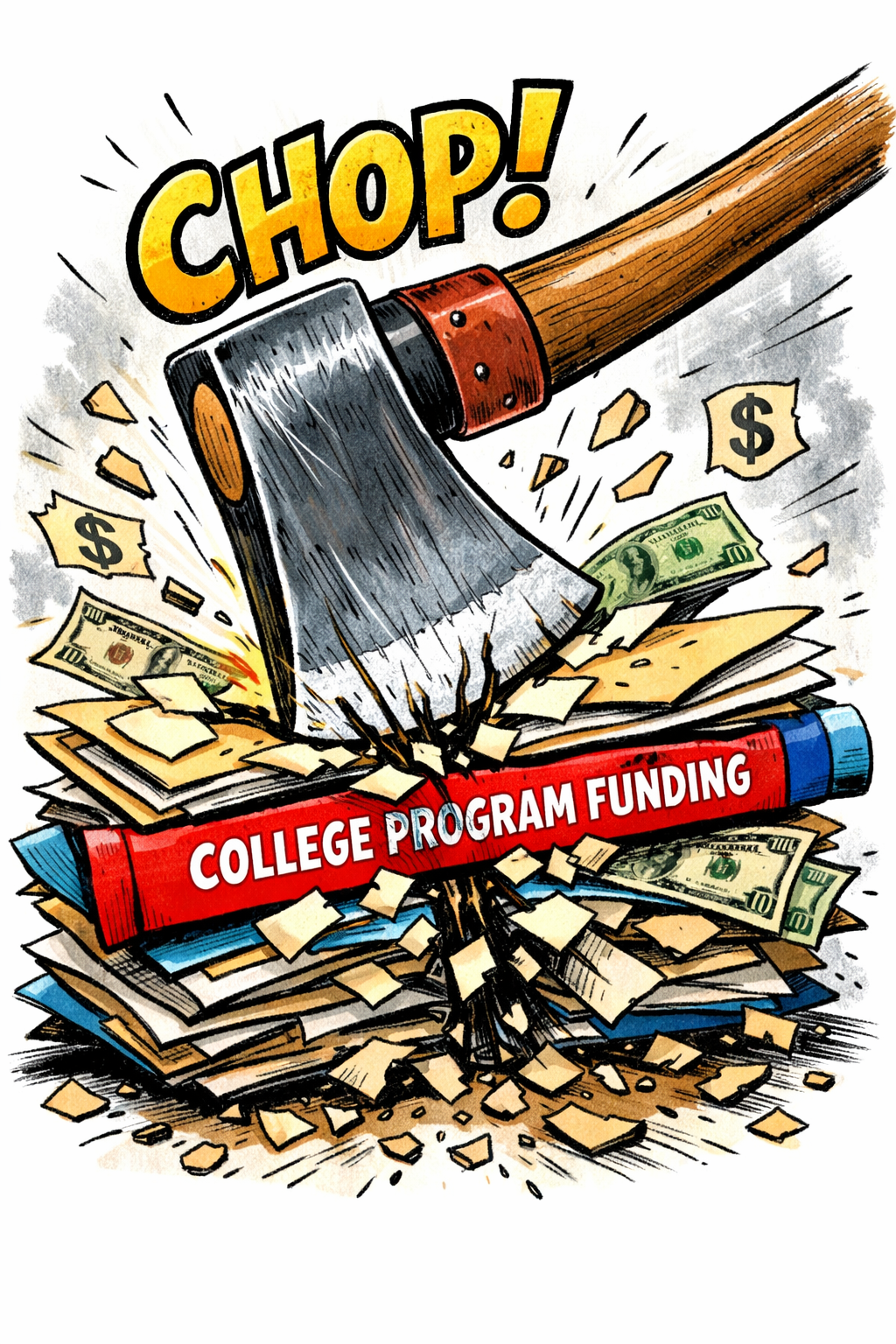
As reported in last week’s LDA newsletter, Pima Community College has eliminated its Office of Sustainability. Many observers are raising concerns about shifting priorities, donor influence, and the absence of sustainability funding in PCC’s upcoming $250 million bond proposal.
A critical PCC Governing Board meeting is scheduled for June 10. Community members are strongly encouraged to attend and provide comment. Ask that the sustainability program be re-instated
- Attend via Zoom and Request to Speak:
Register using the online form. PCC Zoom Support will email your meeting link starting at 5:00 p.m. the day of the meeting. Important: Virtual speakers must pre‑register by 5:00 p.m. the day before the meeting. You are allowed 3 minutes.
Attend at the PCC District Office, Room C105
4905 E Broadway Blvd, Tucson, AZ 85713
You’ll be asked to fill out a public comment card upon arrival.
pcc-boardstaff@pima.edu
YouTube livestream: https://www.youtube.com/c/PCCTVSTREAM
Let’s show PCC that our community is paying attention, standing together, and ready to speak up for a sustainable future.
| | |
WMG Presents
Sacred Waters Speaking ...
Are We Listening?
Tuesday June 16th,12:00 pm to 1:00 pm
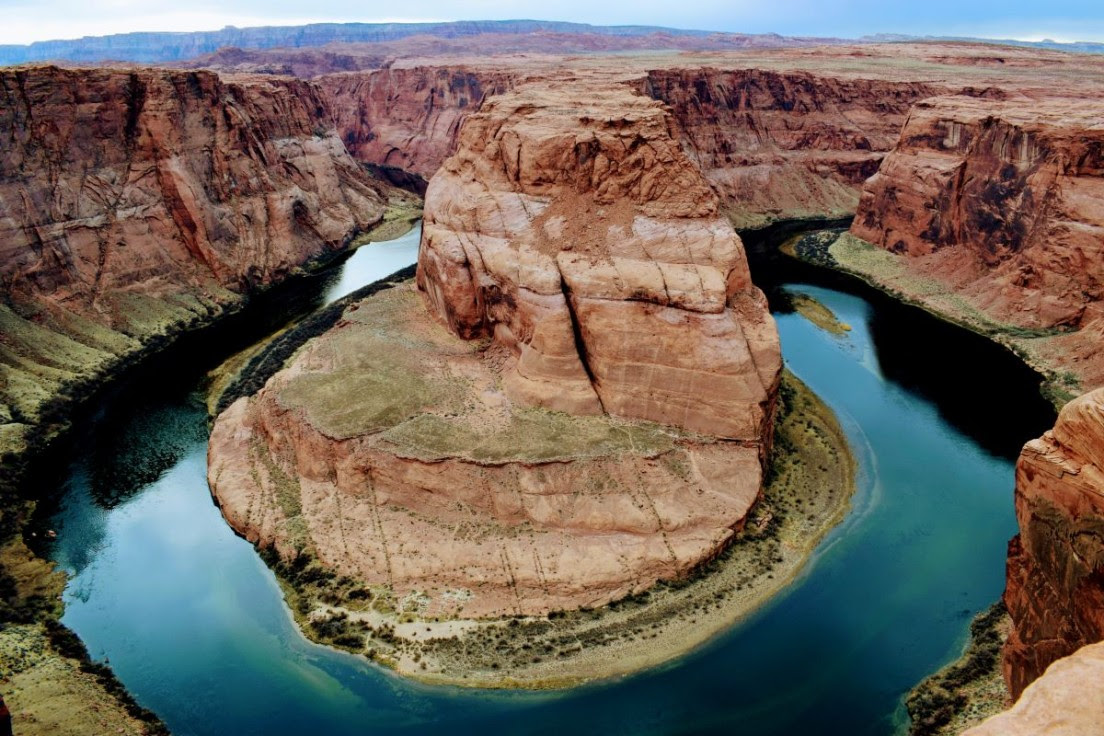
Join Watershed Management Group for a thought-provoking webinar on the critical state of the Colorado River, led by Agent of Change in Environmental Justice Fellows Kevin Patterson and Valerisa (Val) Gaddy, Watershed's own Community Conservation Program Director.
Explore the changes that happen when we move from viewing water as a resource to recognizing it as a relative. How understanding the personhood of rivers, might change our perspectives and support a more sustainable future for all?
This webinar promises to be informative, reflective, and inspiring—an opportunity to deepen your understanding of water, place, and responsibility.
Register here for this meaningful and transformative event.
| | | | |