October • LIISMA Newsletter • 2026 | | |
In this issue:
Northeast Aquatic Plant Management Society Webinar: Climate Change & Aquatic Invasives
NE RISCC Team - Web
"Build Resilience to Swallowwort Through Native Plant Restoration"
Species Spotlight: Milk Thistle (Silybum marianum)
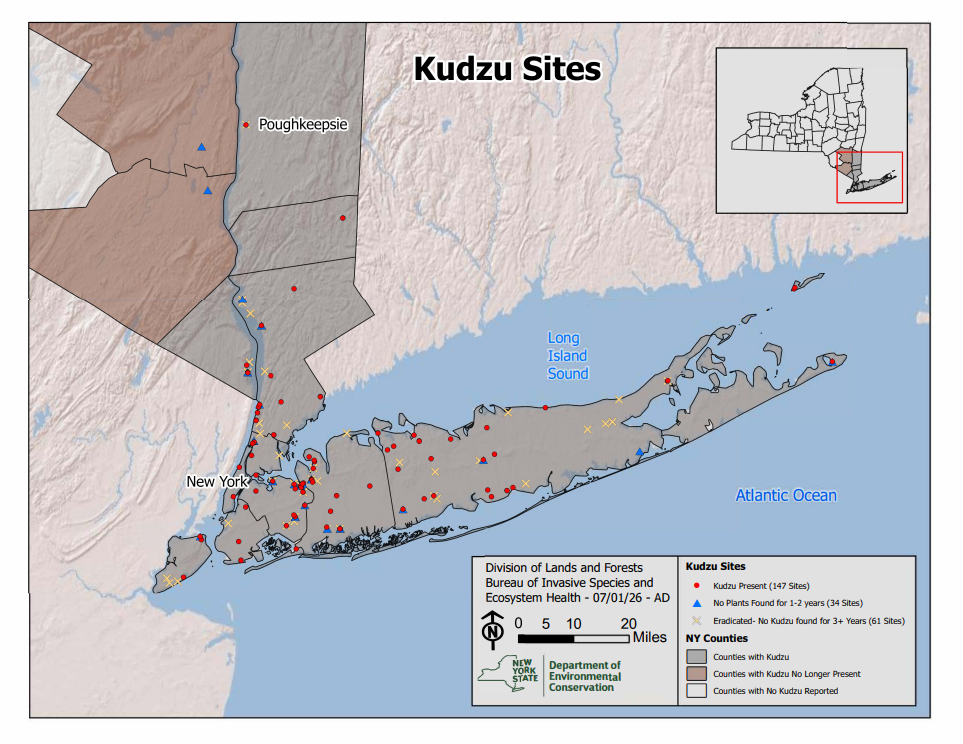
Kudzu in New York
Latest Research: How Effective is a Fungal Pathogen Against Spotted Lanternfly?
and more
| |
Webinars Happening Tomorrow
NEAPMS Autumn Webinar Series (Session 3):
Climate Change & Aquatic Invasives
| | |
Don't miss the last webinar of the Northeast Aquatic Plant Management Society’s autumn webinar series happening tomorrow! Experts will be focusing on how changing climates impact invasive species and how we respond to them.
Climate Change & Aquatic Invasives
Tomorrow, October 30 | 1:00 PM – 3:00 PM
Presentations:
1:00 PM – 1:45 PM: Dr. David Wong, "The Emergence of Invasive Tropical and Sub-Tropical Plants in Lakes and Rivers"
1:45 PM – 2:30 PM: Dr. Toni Lyn Morelli, "Climate Change and Refugia"
Read their abstracts and bios on our website here and register below!
| |
NE RISCC Team-Up Webinar:
Something Wicked Causing Wilting in the Northeast
| | |
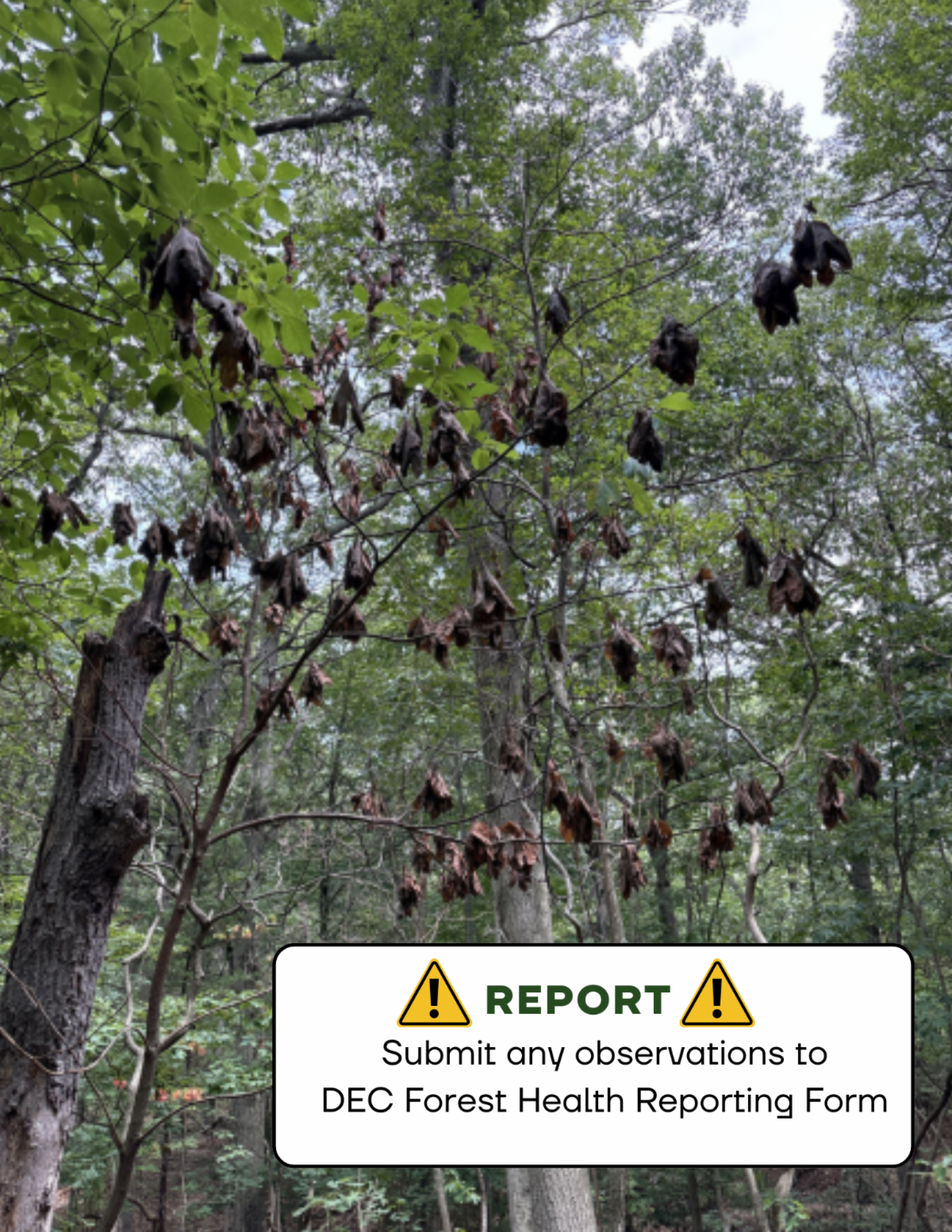
Join the Northeast Regional Invasive Species and Climate Change Management Network (NE RISCC) Team- Up webinar, where researchers and managers will share the latest updates on tracking, understanding, and managing newly emerging deadly invasive fungal disease - Laurel wilt affecting our native sassafras and spicebush in our region.
"Something Wicked Causing Wilting in the Northeast"
Tomorrow, October 30 | 1:00 pm
Speakers:
Karen Snover-Clift: Director, Plant Disease Diagnostic Clinic, Cornell University
Amanda Dillon: Research Scientist and Forest Health Research Lab Manager, NYSDEC)
*This event will be recorded and available for viewing on the Northeast RISCC website.
| |
Building Resilience to Swallowwort Through
Native Plant Restoration
| | |
Written by Kassidy Robinson
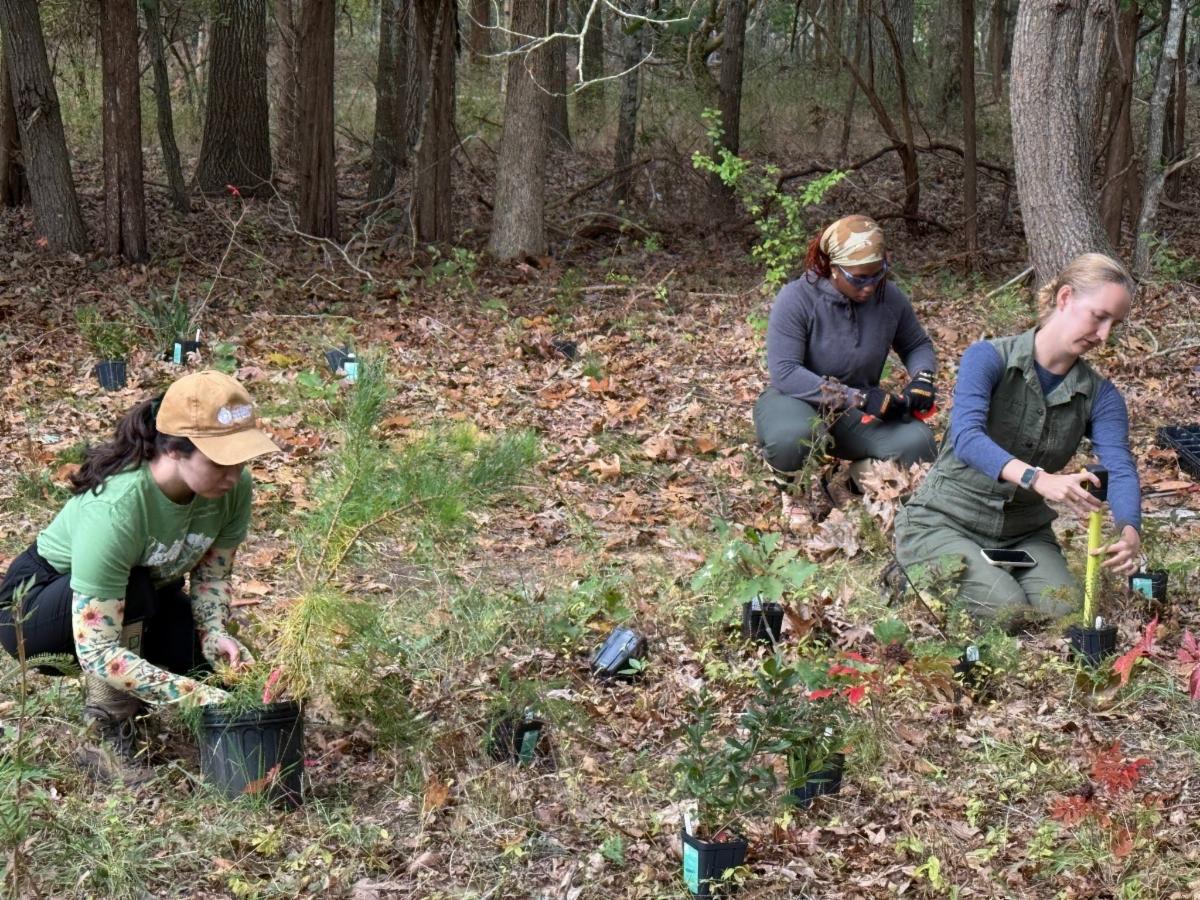
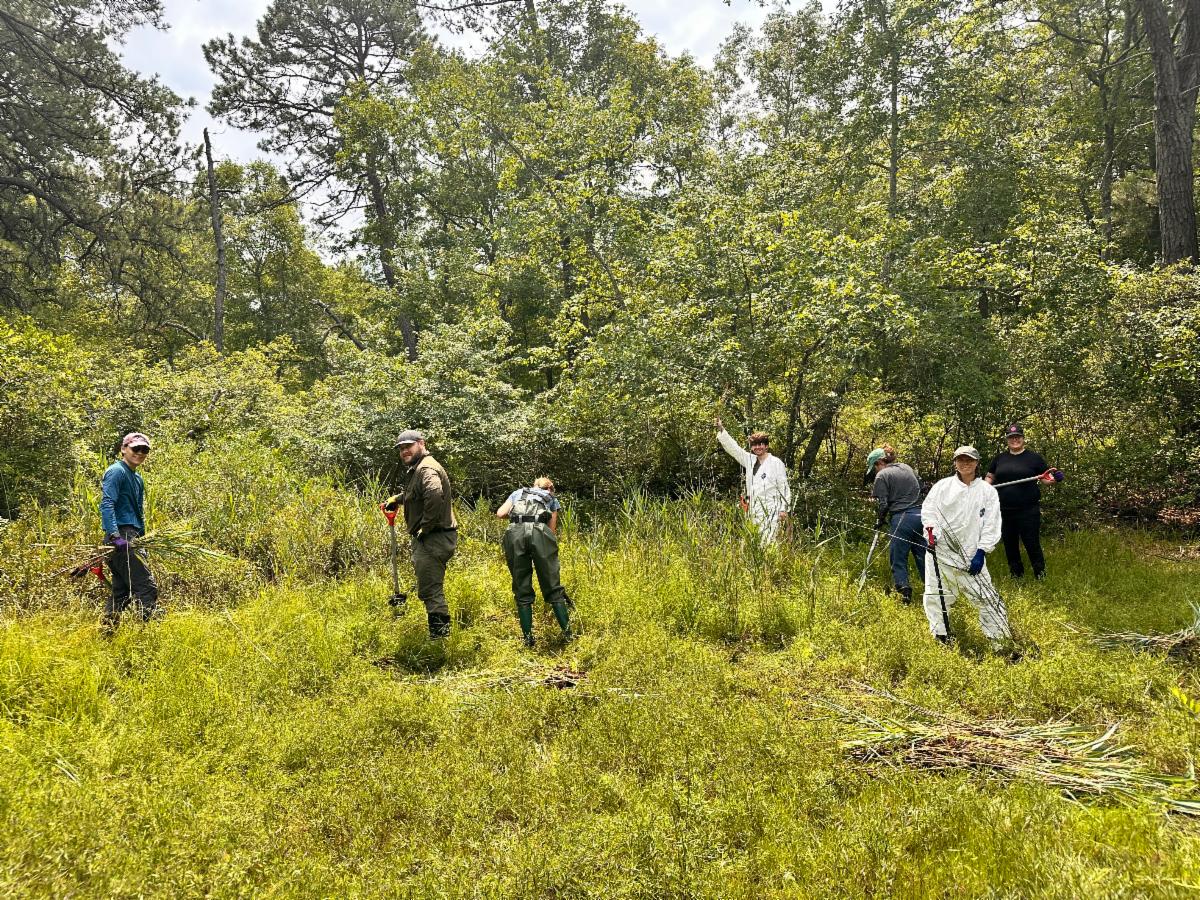
"This fall, the LIISMA team was excited to get our hands dirty and implement our very first terrestrial restoration project. The team has been suppressing pale swallowwort (Vincetoxicum rossicum) at Otis Pike State Forest in Manorville since 2021 by digging, clipping, and string trimming. Our work in this important pine barrens habitat suppresses the swallowwort and prevents it from going to seed, which protects the site and nearby areas including grasslands, prime sunny habitat for this aggressive twining herb..."
"The team got to work on a crisp fall day as professional gardeners of the woods. Work began with digging and augering to prepare the soil for small plants and constructing custom cages to allow woodies room to grow and stretch while protected from deer. The team even caged a few oak saplings to take them off the menu for deer and encourage their survival. LIISMA was joined by LINPI co-president, Colleen Doyle-Novara, who expertly assisted with staging plants in the right habitat. Equipped with upcycled water coolers and a watering can, these soon to be wild plants still got lots of TLC to help them establish..."
| | Thank you for your support! | |
Species Spotlight: Milk Thistle (Silybum marianum)
| | |
Identification:
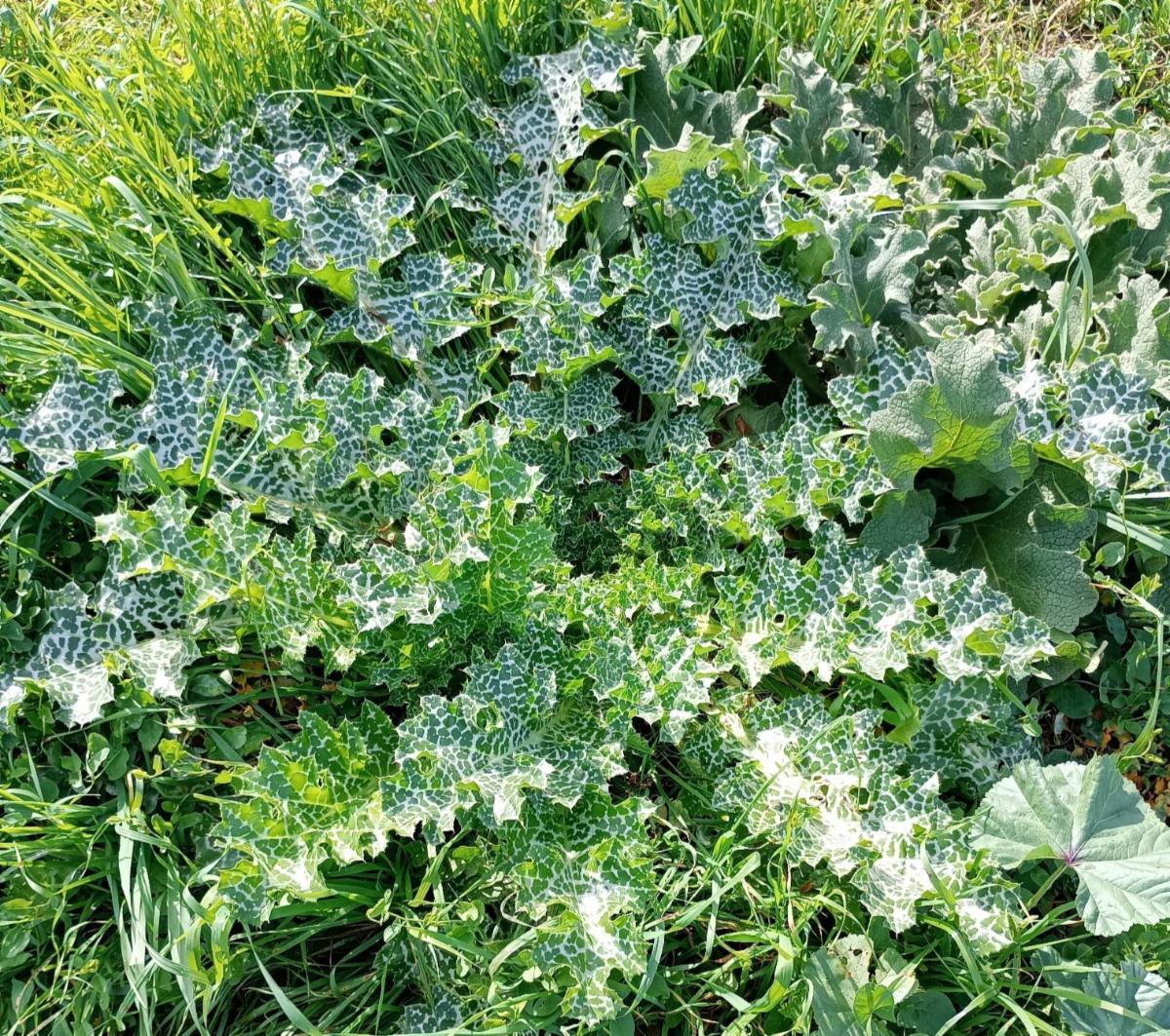
- Rosette leaves are deeply lobed, obovate, with spiny edges. Broad basal leaves can reach up to 3 ft in diameter.
- Leaves are alternate, clasping, and have a distinctive white marbling along the veins, giving them a milky appearance.
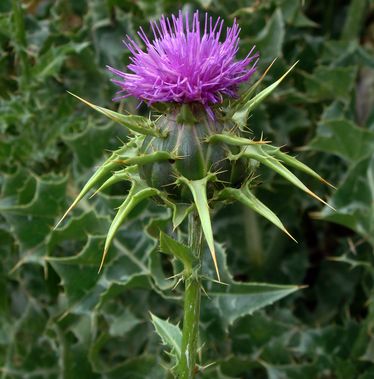
- Flowerheads are approx. 2 inches in diameter with pink to purple disk florets.
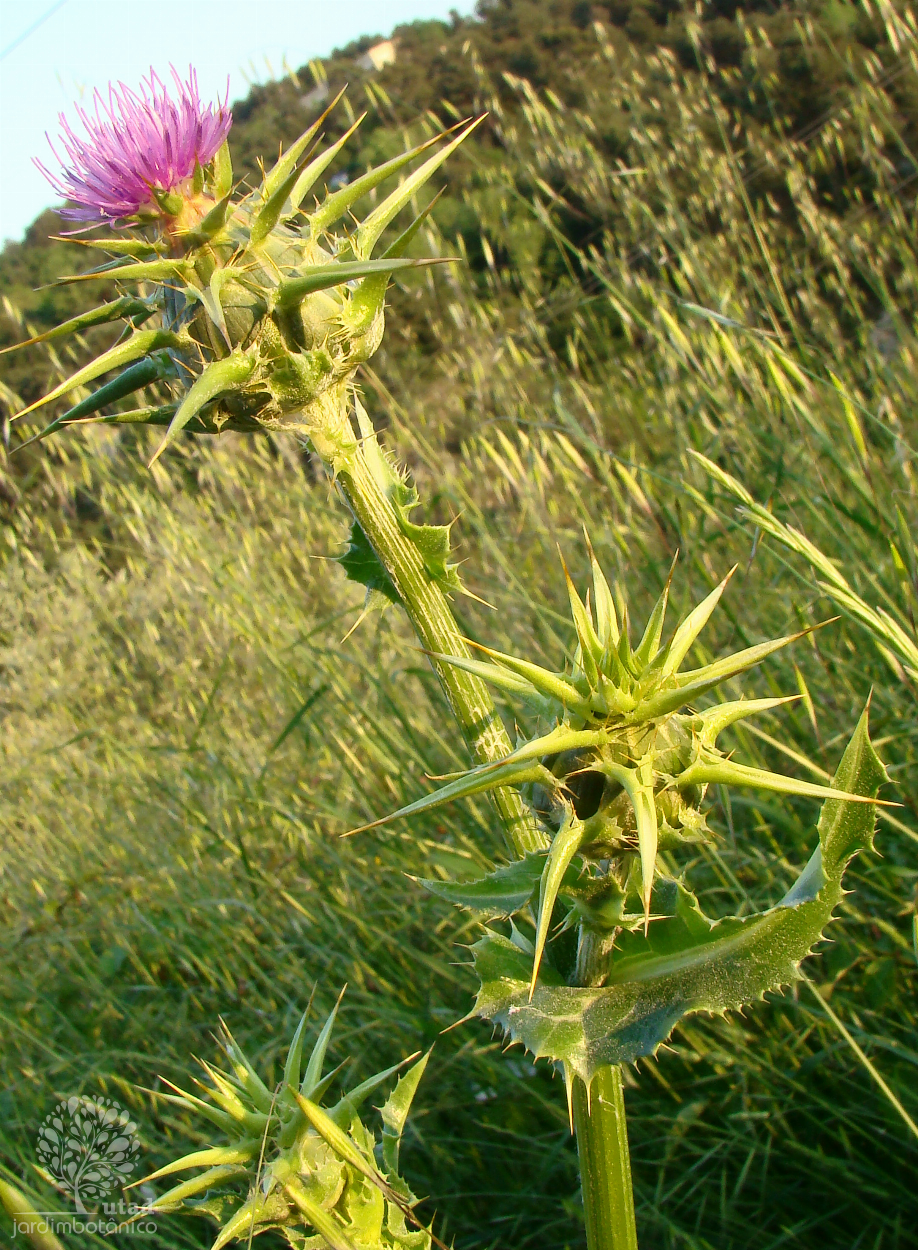
- Bracts are large and thorny.
Concerns:
- Individual plants can produce 1,000 to 5,000 seeds that remain viable for 9 years in the seed bank.
- Forms dense, impenetrable thickets. Sharp spines can cause harm to people, pets, and grazing animals.
- Is allelopathic, releasing chemicals into the soil, suppressing surrounding plants' growth.
- Nitrate accumulator, concentrating potassium nitrate at toxic levels to grazing animals. Major threat to the United States cattle industry.
Look-alikes:
-
Canada thistle (Cirsium arvense)
-
Musk/ Nodding thistle (Carduus nutans)
-
Scotch thistle (Onopordum acanthium)
-
Bull thistle (Cirsium vulgare)
Monitoring and Reporting:
- Milk thistle is a tier 2 species within our region, prioritized for eradication.
- LIISMA is working with partners to delineate and manage milk thistle before it becomes widespread.
-
Report suspected populations using iMapInvasives or iNaturalist.
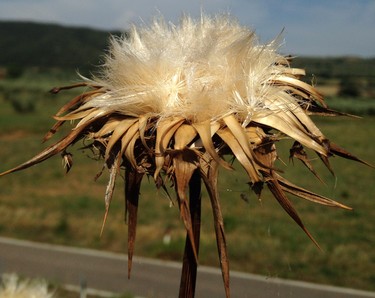
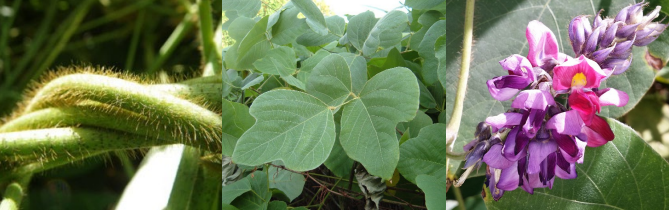
| | (PC: iNaturalist, Péter Imre Fábián, iNaturalist, Peter de Lange, iNaturalist Tommaso Martinelli, Jardimbotanico, UTAD Botanical Garden) | | Learning what kudzu vines(left), leaves (center), and flowers (right) look like can help you identify this invasive plant. | | |
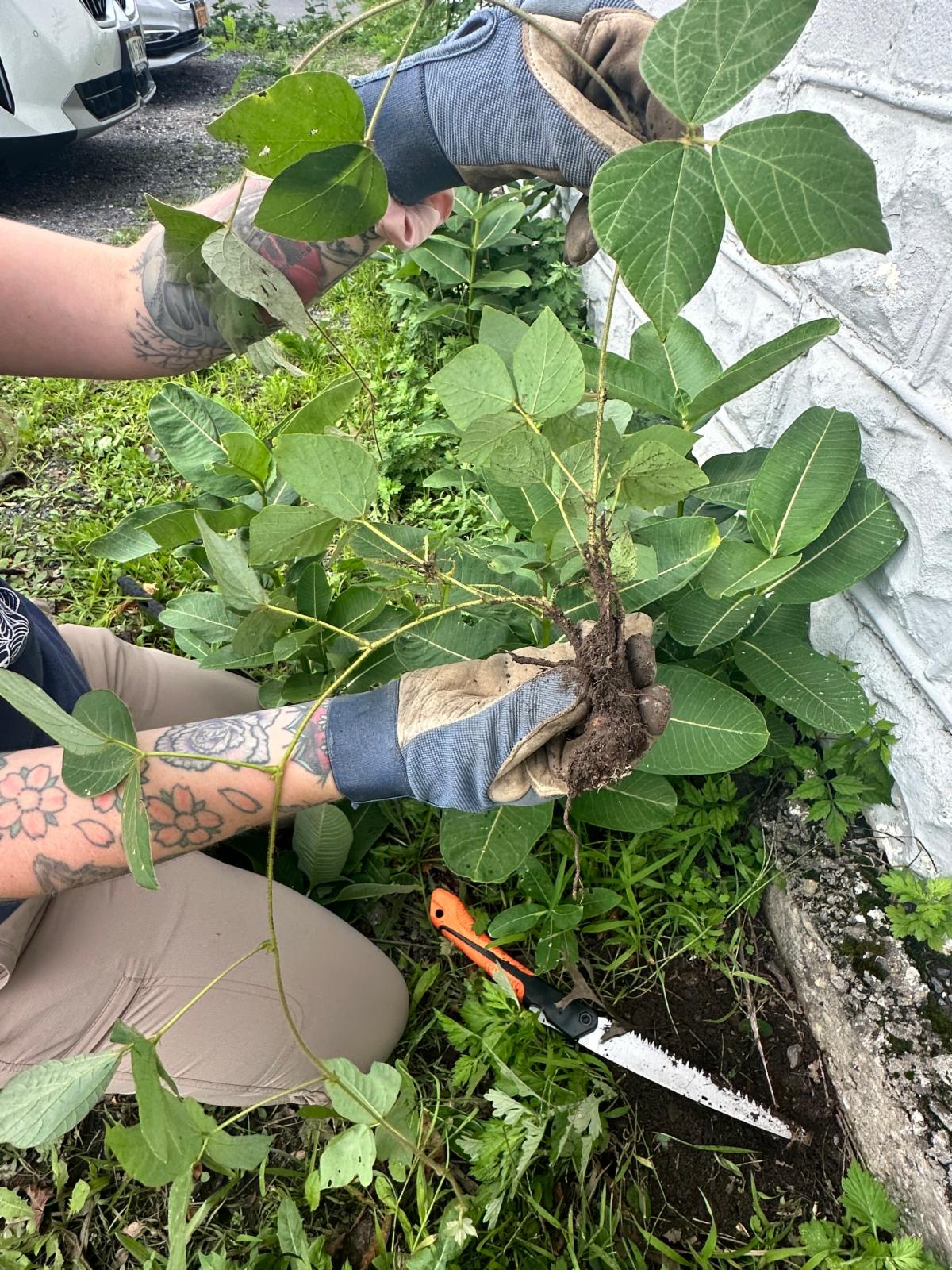
The LIISMA team officially wrapped up our seasonal monitoring and management efforts for kudzu across the region. Known as "the plant that ate the South," kudzu has spread to the Northeast. Throughout the field season, our team worked diligently to access public and private properties, survey known sites, and manually control populations.
Working alongside partners like the DEC, NYC Parks, and Lower Hudson PRISM, we are actively working together to suppress these populations throughout the state. Containing this invasive species requires a multi-year effort, and tracking localized spread is needed to protect our ecosystems.
You can help us track its continued spread by keeping an eye out for kudzu!
If you believe you have found kudzu:
Take pictures of the plant as a whole and close-ups of the leaf, vine, and flower (if possible).
Note the size of the infestation and location, including intersecting roads, landmarks, or
GPS coordinates (preferred).
Report the infestation by:
Emailing the photos and location information to isinfo@dec.ny.gov;
Calling the DEC Invasive Plant Information Line at 845-256-3111;
Texting photos to the DEC Invasive Plant Information Line at 518-320-0309;
Submitting a report through iMapInvasives
| | Latest Research: How Effective is a Fungal Pathogen Against Spotted Lanternfly? | | |
"Evaluating Beauveria bassiana Mycoinsecticides Against Spotted Lanternfly (Lycorma delicatula) Adults, Nymphs, and Eggs in Semi-Urban Areas"
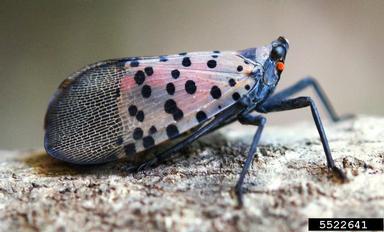
A study published in Arboriculture & Urban Forestry evaluates the field efficacy of Beauveria bassiana, a naturally occurring fungal pathogen, against various life stages of the spotted lanternfly (SLF; Lycorma delicatula).
As land managers and pest control professionals look for alternatives to insecticides, mycoinsecticides present a promising biological control. Read what the latest field trials tell us about integrating B. bassiana into integrated pest management (IPM) strategies.
| Lawrence Barringer, Pennsylvania Department of Agriculture, Bugwood.org |
Don't Move Firewood Webinar Recordings Available
| | |
October was Firewood Month, and the Don't Move Firewood campaign recently hosted a webinar series.
If you missed the live sessions, the recordings and presentation slides are now available directly on the Don't Move Firewood 2026 Webinars page.
Presentations:
- "Slowing the Spread of Emerald Ash Borer in the Pacific Northwest"
- "The Latest and Greatest in the World of Don’t Move Firewood"
- "Firewood and the Forest Pest Multiverse: The Influence of Time on Perceptions of Regulation and Detection"
Moving firewood long distances is one of the primary ways destructive invasive pests and plant diseases spread to new forests.
| | Join the LIISMA Volunteer Team | | |
Looking for a new way to get involved? Join the LIISMA Volunteer Team! We are looking for community members to help us with upcoming projects.
Whether you prefer working independently on your own schedule or meeting up with a group and getting your hands dirty in the field, we have a way for you to get involved:
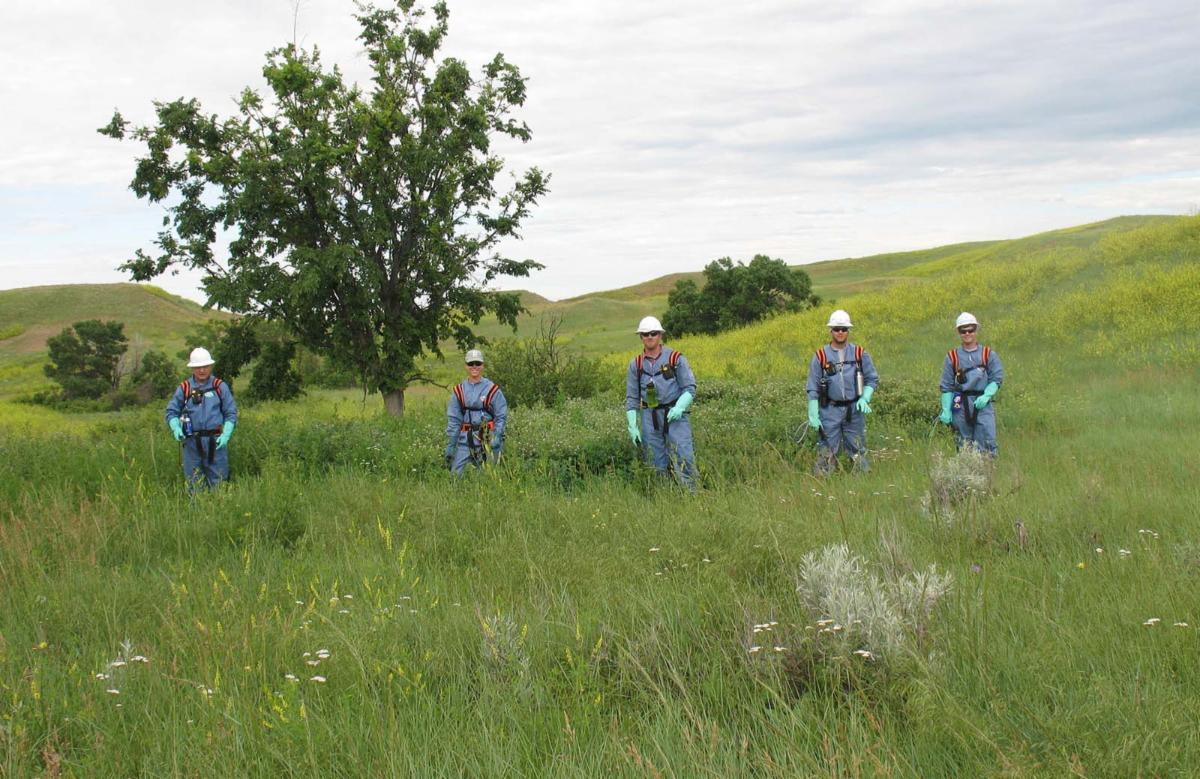
Hands-On Work: Invasive species removals, assisting with native plant restoration
Surveying & Mapping: Adopting a trail, surveying, and mapping invasive species
(See our Invasive Species Spotters tutorial).
Fill out the LIISMA Volunteer Interest Form to let us know your availability, preferred volunteer style, and interests. We will do our best to connect you with the perfect opportunity!
Visit our volunteer page for more information and fill out our Google Form to sign up!
| |
Don't Move Untreated Firewood: Laurel Wilt Quarantine
Established in Suffolk County
| | |
The NYS Department of Environmental Conservation (NYSDEC) and the
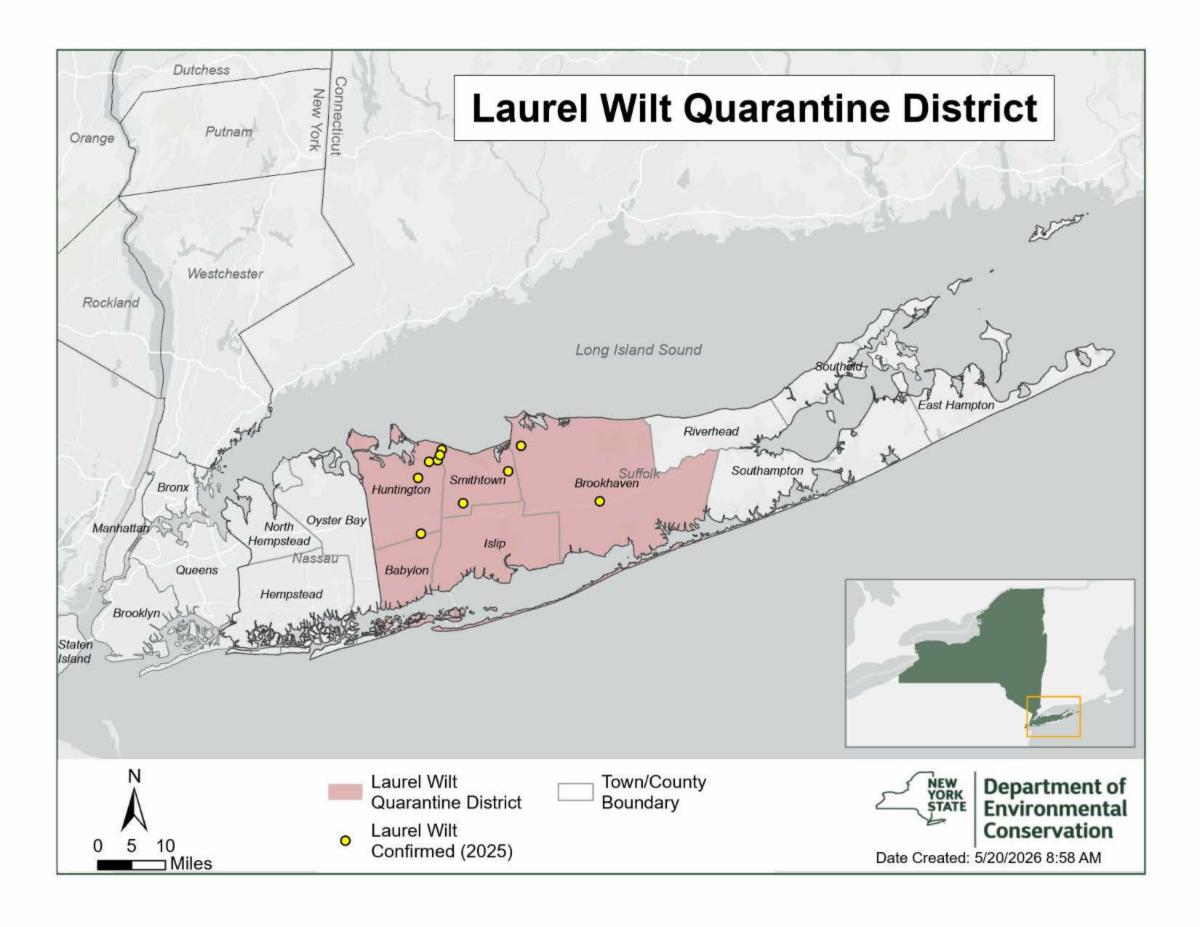
NYS Department of Agriculture and Markets (NYSAGM) have established an official laurel wilt quarantine district across five Suffolk County Townships, following the confirmation of this highly destructive and impactful invasive plant disease on Long Island.
Quarantine Locations
Towns in Suffolk County: Huntington, Babylon, Smithtown, Islip, and Brookhaven
To limit the spread of the disease, the following restrictions are now in place:
Sassafras and spicebush woody material, along with untreated firewood of any species, may not be moved out of the quarantine district.
If you suspect signs of laurel wilt in your area, please submit a report using the DEC's Forest Health Reporting form or log your observation on iMapInvasives.
| | Pennsylvania Invasive Species: Lady Beetles Webinar | | |
November 6 | 1:00 pm to 2:15 pm
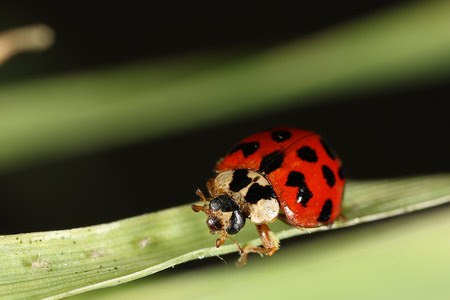
Join the Pennsylvania Governor’s Invasive Species Council for a webinar exploring the introduced Asian lady beetle (Harmonia axyridis), a beneficial insect known for controlling aphids. Since its introduction, it has become established in North America and is valued for its biological control; scientists are now observing drawbacks, such as competition with native species and other non-target effects.
A recording link will be sent to all registrants afterward.
| | |
November 18 | 2:00 pm - 3:00 pm
Learn how the new Interjurisdictional Invasive Species Rapid Response Team (IInSRRT) is uniting agencies across federal, state, and tribal lands to tackle priority invasive threats fast. Hear how the program works from experts.
| | 2026 New York Wildfire and Incident Management Academy | | |
The New York Wildlife Incident Management Academy this year will be offering a wide range of NWCG- certified courses.
Whether you’re returning to continue your training or joining us for the first time, you're encouraged to review the full list of offerings in our 2026 brochure (attached).
Seats fill quickly, so we recommend registering as soon as possible to reserve your spot.
Session 1 Academy Dates: November 14-20, 2026
Location: Suffolk Community College Riverhead Campus
Session 2 Academy Dates: December 5-11, 2026
Location: Brookhaven National Laboratory
| | |
Funding Opportunity: 2026 PEP Mini Grant Program
The Peconic Estuary Partnership (PEP) has announced its 2026 Mini-Grant Funding Opportunity for projects in the Peconic Estuary and Watershed. Grants support projects aligned with PEP’s goal of achieving a Healthy Ecosystem with Abundant, Diverse Wildlife. Application Deadline: November 15, 2026.
ReWild Community Gardens Program
The Rewild Gardens program works by identifying committed groups of volunteers with rights to a feasible garden location and access to water. These groups are willing to create a public rewilded garden space and commit to weekly maintenance for two years. ReWild provides professional garden design/installation consulting, land clearing/preparation, free plants, garden supplies, irrigation, signage, on-site maintenance, and weeding advice, as well as help in getting more community members involved with the project. ReWild and the group both commit to a 2-year term of engagement that enables perennial plants to establish and the volunteer group to develop expertise in maintenance
| | |
Sisters of St. Joseph Sustainability Team
Join the Sustainability Team for a monthly volunteer day and help make a real difference on the Brentwood Campus! Seasonal tasks include removing invasive plants, planting and improving gardens, and participating in ecological restoration projects. No experience is needed, just a love of nature! Gloves and tools will be provided. Volunteer events occur monthly, rain or shine. First Thursday of each month 9 am - 12pm, April through November.
North Shore Land Alliance
Volunteering with the North Shore Land Alliance is a great way to get involved and give back to your community. Sign up today and let us know how you would like to volunteer and what your interests are, and we will reach out to you. Questions? Contact at 516-922-1028/ volunteers@northshorelandalliance.org to be added to the volunteer list.
Long Island Native Plant Initiative (LINPI)
Recurring Tuesday, Thursdays, Fridays, & Saturdays, 10am - 2pm
Join LINPI staff in their warm greenhouse cleaning and bagging up seed that was harvested from the founders plot last summer. If you have any questions on directions, please call 631-260-1513 or email info@linpi.org. Location: 1725 Brentwood Rd., Brentwood NY; please park in the parking lot across from the playground and field and walk across the field to the greenhouse.
If you have any events, jobs, and/or funding opportunities that you would like featured on the next LIISMA newsletter, please send them to cassandra@liisma.org
| |
JOIN THE LIISMA COMMUNITY!
Invasive species pose a high cost to Long Island, but helping is free!
| | | | | |
Major funding for LIISMA is provided by the New York Environmental Protection Fund, as administered by NYSDEC.
| | | | |