VALUE ROTATION: AGRICULTURAL COMMODITIES
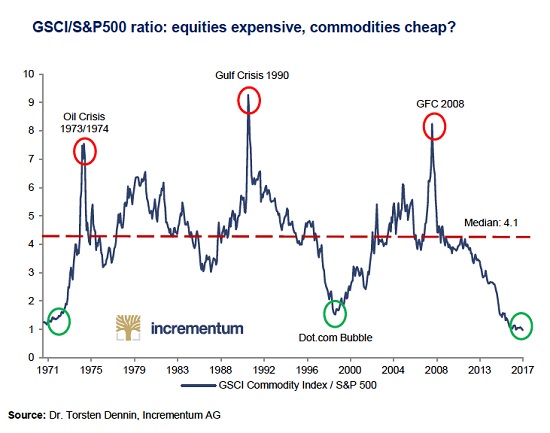
In this month's LONGWave we identify Commodities as one of many expected areas for the coming secular sector rotation to impact. We didn't have time to further expand on the 'why' and 'where' in the video. As an addendum we would like to address this below.
INVESTMENT THESIS: COMMODITIES
- Our research has lead us to conclude that the escape from failing Fiat Currencies will lead to rising nominal interest rates.
- Rising interest rates will be accompanied by a large fall in overpriced bond and stock markets as speculative positions are unwound with the undermining of bank solvency ratios.
- The inevitable outcome will amongst other hard asset areas be an increasing flight to Commodities, including Gold and Silver. This will expectantly be despite rising interest rates for Fiat Money.
PREMISE: POLICY REGIME CHANGE
- With some $27 trillion in foreign securities and dollar deposits, the US dollar is particularly vulnerable to natural liquidation by foreigners as they continue repatriating funds to their home currencies as bi-lateral trade agreements expand due to the weaponization of the US$ through sanctions - a process we outlined in the 2019 Thesis Paper: "De-Dollarization".
- For this and other reasons it can be expected that markets will consequentially begin to discount rising dollar interest rates, thereby undermining financial asset values around the world.
- It will be a trend resisted strongly by the authorities, but once they are on the run from market forces there will be no macroeconomic option between raising interest rates and seeing the currency collapse. Interest rates will be forced to rise.
- The resulting modern states' overriding policy direction has now been unwittingly trapped into effectively stripping the wealth of its electorate instead of being driven by a genuine and considered concern for its welfare.
- Monetary inflation has become runaway and is being forced into transferring wealth to the state from producers and consumers. This is about to further accelerate!
- Monetary & Fiscal Policy now unknowingly (though well understood by Wall Street and Global Banks) has unfortunately a single economically inevitable destructive objective in mind.
FOCUS: COMMODITIES
-
Since the turn of the millennium there had been a reasonable directional correlation between the price of gold and PPI prices until October 2018. At that point, PPI prices began to decline while the gold price turned higher from under $1200. It was clear that global trade was likely to decline, due to the tariff war between the US and China, with consequences for raw material demand.
-
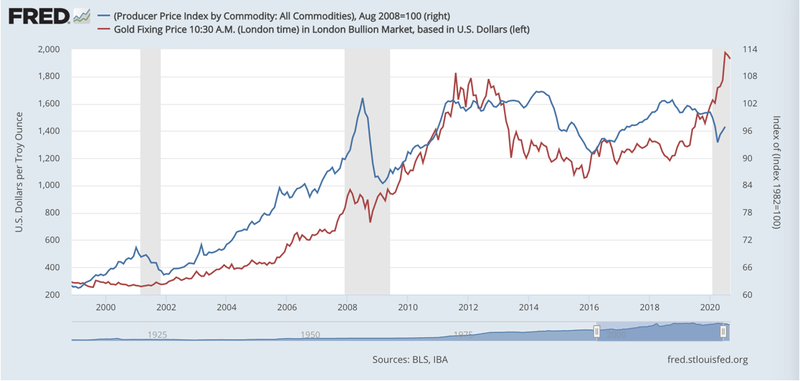 In late March this year, the outlook changed from deflationary concerns to unlimited monetary inflation, driven by the Fed cutting its funds rate to zero on 16 March and the FOMC issuing a "whatever it takes" statement on 23 March. These events also marked the end of the PPI decline, and we can expect the correlation with gold prices to return, in which case the PPI index has some significant catching up to do.
-
This being the case, when the interest rate cycle turns the potential for higher raw material prices measured in dollars could be truly spectacular, even more so in the event that the gold price rises at the same time, which seems even more certain in the event that financial markets become destabilized by higher interest rates.
-
It is an outcome consistent with a loss of purchasing power for fiat currencies to the extent it encourages economic actors to reduce and then abandon their currency balances entirely..
As reported in the UK's Financial Times:
Big banks, including ABN Amro, ING and BNP Paribas, are either pulling out of commodity trade financing or scaling it back. This will leave a funding hole for farmers, agricultural producers and distributors, as well as grocery chains and other small and medium-sized companies that represent crucial parts of the global food supply chain.
The problem is like a gigantic iceberg under the surface of financial markets, one that we can't yet see but are nonetheless headed for, according to Michael Greenberger, a professor at the University of Maryland's Carey School of Law and former director of trading and markets at the US Commodity Futures Trading Commission.
He is worried that if second and third-tier agricultural companies - who depend on such financing for things like shipping or manufacturing but also to hedge prices in a volatile industry - cannot get funding or are forced to pay higher rates to shadow lenders, we could see a food price surge. We might also see greater corporate concentration and increased market risk, he notes, possibly within the next couple of months.
OPPORTUNITY: "SOFT COMMODITIES"
- Given higher lending costs for a large chunk of producers, higher food prices would seem a foregone conclusion. That won't be happy news for the legions of unemployed consumers struggling to make ends meet. This underscores a key point - the ramifications of commodity price disruptions are very often not just economic. They become political, too. Social unrest and even revolutions often start when the prices of food and fuel spike. Bread riots were one of the catalysts for the Arab uprising of 2011. In the US, the oil price spike that began the same year led to senate hearings about whether the problems of the 2008 financial crisis, including risky trading on the part of big banks, had yet been solved.
-
ICE BoAML Grains ETN (GRU) SUBSCRIBER LINK
LATEST MACRO ANALYTICS PUBLIC INTERVIEW
- VIDEO: 24 Minutes with 44 Supporting Slides A COMING SECULAR ROTATION?
|
|
|
ADDENDUM TO THE SEPTEMBER LONGWave VIDEO
CENTRAL BANK & GOVERNMENT POLICIES ARE TRAPPED BY THE REALITIES OF:
COMMODITIES
A SUSTAINED LACK OF INVESTMENT IN THE INFRASTRUCTURE TO SUPPORT COMMODITIES HAS RESULTED IN SERIOUS INDUSTRY WIDE DECAY
"SOFT COMMODITIES" IN THE FORM OF AGRICULTURAL FOOD RESOURCES
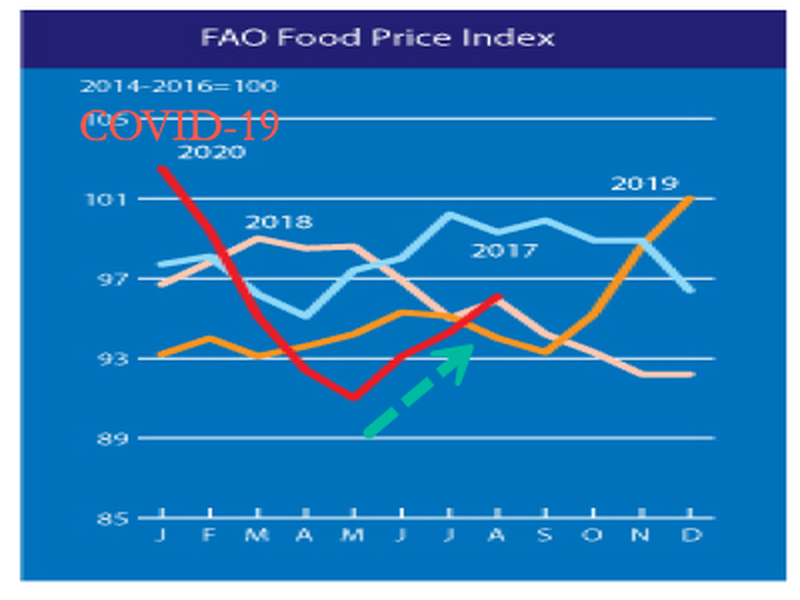
There is an existing trend that is gaining steam post-Covid-19: the biggest companies are getting even bigger. This was true in agriculture, as in so many sectors, long before the pandemic hit. But Covid-19 has starkly exposed the vulnerabilities of monopoly power in food, creating supply gluts in some areas and shortages and higher prices in others. A handful of large companies have controlled areas such as meat packing and grain production, often doing business with only one type of distributor - a restaurant, for example, but not a grocery store. The result was certainly an economically "efficient" system, but one that turned out to be quite fragile as well. Experts believe that the shifts of big banks away from trade finance could expose more such fragility. "The first order of worry is being able to get a futures contract - will small producers have to pay a lot more for one? Then, if the contract goes against you, can you make your margin payment?" If some of them can't, it is easy to imagine another disruption in supply chains creating more chaos and food insecurity later this year. That could possibly provoke market volatility if enough highly leveraged agricultural companies went out of business at once. Not only would the demise of smaller farmers have a knock-on effect on other businesses, including packaging, manufacturing and transport, but their debt - particularly if packaged into risky secularized products - could become a broader market risk. At the very least, given higher lending costs for a large chunk of producers, higher food prices would seem a foregone conclusion. That won't be happy news for the legions of unemployed consumers struggling to make ends meet. This underscores a key point - the ramifications of commodity price disruptions are very often not just economic. They become political, too. Social unrest and even revolutions often start when the prices of food and fuel spike. Bread riots were one of the catalysts for the Arab uprising of 2011. In the US, the oil price spike that began the same year led to senate hearings about whether the problems of the 2008 financial crisis, including risky trading on the part of big banks, had yet been solved.
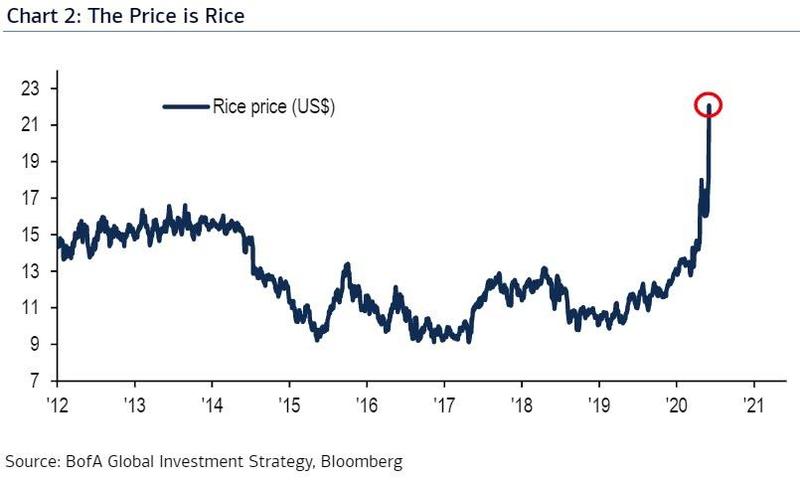
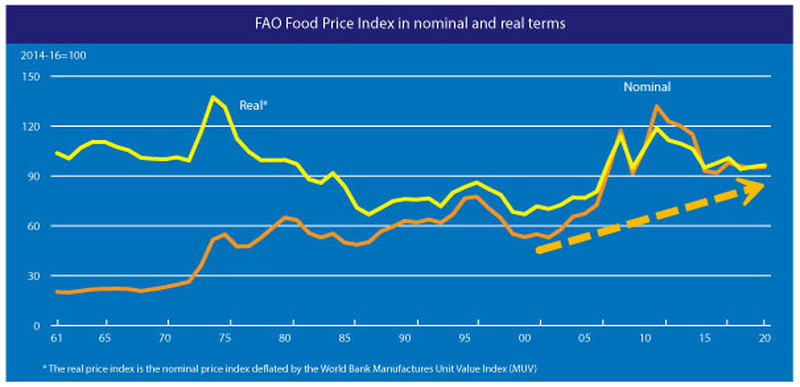
The FAO Cereal Price Index rose by 1.9 percent from July, averaging 7.0 percent above its value in August 2019, with coarse grains leading the rise. Sorghum prices rose 8.6 percent - and stood at 33.4 percent above their year-ago level, mostly on the back of strong import demand by China. Maize prices rose 2.2 percent amid concerns that recent crop damages in Iowa would impact supply. International rice prices also rose, underpinned by seasonally tight availabilities and increasing African demand. The FAO Sugar Price Index rose by 6.7 percent from the previous month, reflecting reduced production prospects due to unfavorable weather conditions in the European Union and Thailand, the world's second-largest sugar exporter, as well as strong import demand by China. The FAO Vegetable Oil Price Index increased by 5.9 percent, led by firmer values for palm oil especially, but also soy, sunflower, and rapeseed oils. The moves mainly reflect prospective production slowdowns in leading palm oil-producing countries amid firm global import demand. The FAO Dairy Price Index was virtually unchanged from July, with cheese and whole milk powder quotations declining amid expectations of ample seasonal export availabilities in Oceania, while butter prices rose due to tightening export availabilities in Europe in the wake of the August heatwave reducing milk output. The FAO Meat Price Index was also almost unchanged since July - although down 8.9 percent from August 2019 - as the effect of lower import demand for bovine, poultry, and ovine meats was offset by surging import demand for pigmeat from China. -FAO
|
|
EXAMPLE OF AGRICULTURAL FOODS - GRAINS - ICE BoAML Grains ETN (GRU)
THIS IS NOT A RECOMMENDATION
MATASII DOES NOT MAKE STOCK RECOMMENDATIONS.
Your LIVE DESK TOP / TABLET / PHONE
MACRO ANALYTIC Video Chart Link:
SUBSCRIBER LINK
NOTE: Any Problems with this Chart: E-Mail lcmgroupe2@comcast.net
|
LONGWave - SEPTEMBER 2020
VIDEO: 24 Minutes with 44 supporting slides.
NOTE: THIS VIDEO IS NOT YET AVAILABLE TO NON-SUBSCRIBERS
FULL TRANSCRIPTION: SUBSCRIBER LINK
|
|
|
|
|
|