|
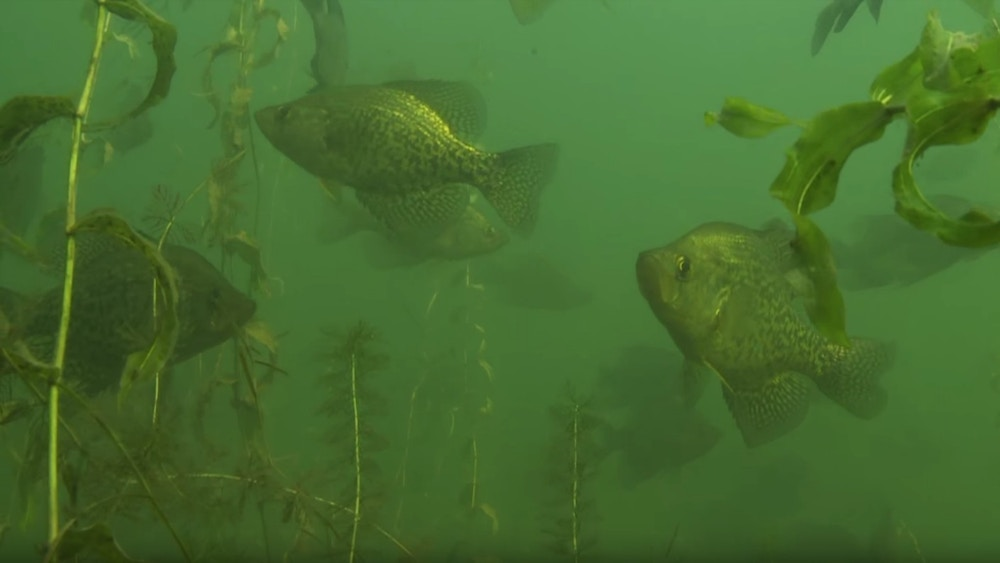
Even if you're drilling through ice to get to the slabs, spring will be here sooner rather than later. When we think of spring crappie fishing, we all think of one thing – the SPAWN! Here's some stuff from a neat CrappieNow post on what to expect this spring so you can right to catchin'!
> "While the dates will vary some, depending upon where you live, Spring marks the crappie spawn. One thing to remember, however, spawning time is always spread out, usually over a 3-4 week timeframe.
> "There will be a few days, maybe a week, when the largest number of crappie are spawning, but there are always some fish before and after that peak spawning."
How to get on 'em at the right time:
> "Water temperature is the primary trigger for crappie spawning. Nesting typically begins when the water reaches 56 degrees, with peak activity occurring between 58 and 60 degrees."
> "Sunrise-sunset tables can also help pinpoint peak spawning times. As fisheries biologist Dr. Fred Vasey found in a study on MO's Table Rock Lake, spawning begins when daylight averages 13.2 hours and ends around 14.6 hours. By tracking the number of daylight hours, you can estimate when crappie will be bedding in your area."
Targeting spawning fish:
> "To pinpoint hotspots, study a bottom contour map. Look for underwater creek channels leading to shallow areas...crappie use these paths to migrate. The backs of feeder-creek bays and shallow areas near stumps, fencelines or weedbeds also provide ideal spawning conditions."
> "The key combination is shallow water with abundant cover and a firm bottom.
> "During the early stages of the spawn, larger crappie often remain in deeper water, while smaller males prepare the nests. Savvy anglers target...sometimes as far down as 7-15' to catch trophy fish."
> "Fish each area thoroughly, moving your bait or lure just a few inches at a time. Crappie beds can span areas as large as a school bus, each holding dozens of fish. Stay until the bite slows...."
Gettin' 'em on the line:
> "Whether fishing from a boat or the bank, a long pole allows precise placement of your bait. A lightweight jigging or cane pole works well, especially if you're dropping bait near dense cover. If using minnows, hook them lightly through the back or lips and add a small split shot to sink them into the strike zone."
More good stuff in the post.
|