2025: Paving the Way through a Tumultuous Year
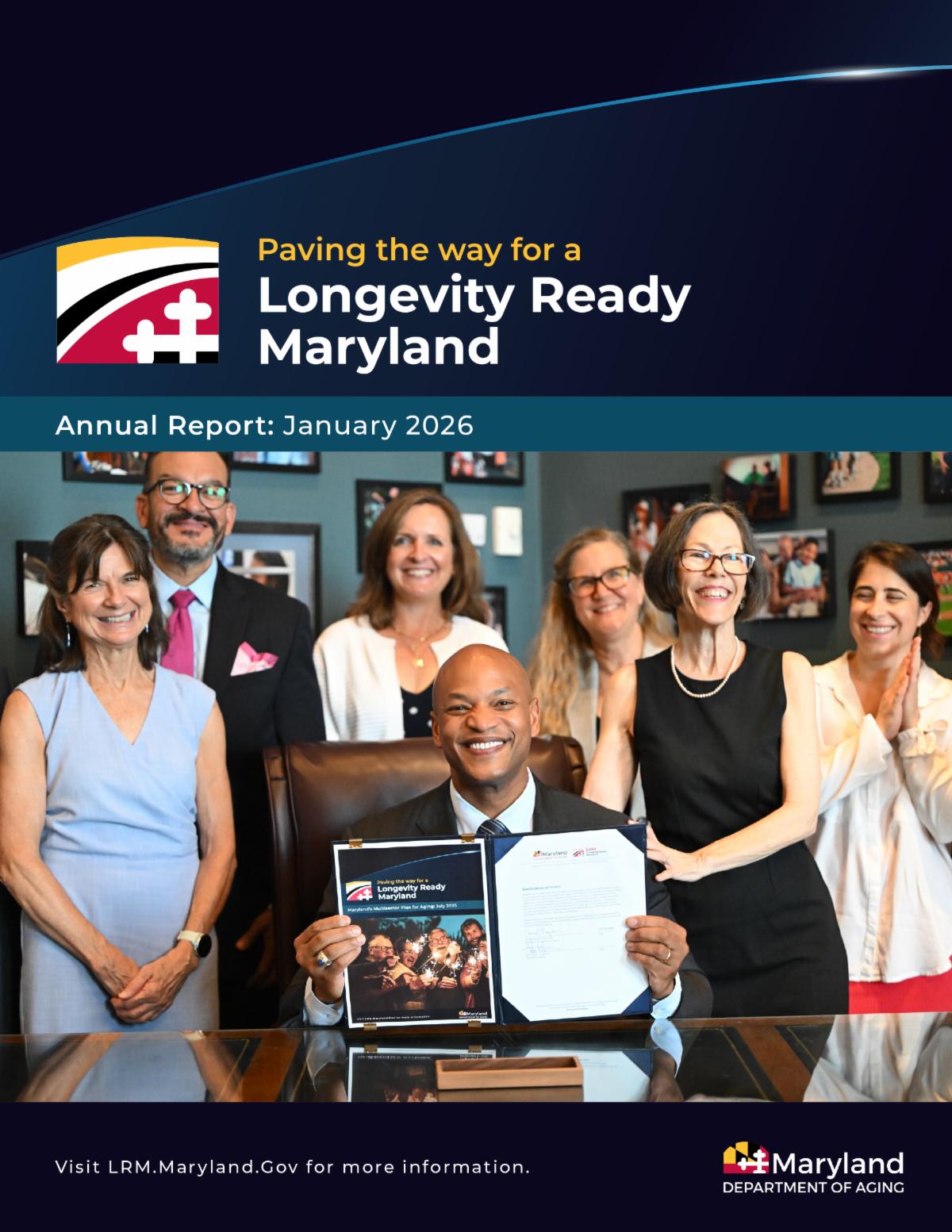
The LRM 2025 Annual Report reflects progress made that is not measured simply by a collection of deliverables, but in readiness forged by research and planning. In the months since the launch, MDOA and its sister agencies have laid the groundwork for sustained action, built trust across sectors, and created shared infrastructure that will support this work for years to come. This foundational work—often invisible, but essential—has positioned the state to move from strategy to implementation with clarity and coordination. Key priorities included:
-
Building Stakeholder Infrastructure: Since July, cultivating partnerships and defining roles has involved state agencies, local governments, nonprofits, advocates, academic institutions, and private-sector partners who have come together around shared priorities. These relationships are already advancing many of the short-term outcomes outlined in the plan, from aligning existing initiatives to identifying opportunities for joint action at both the state and local levels. What has emerged is a growing network of stakeholders who see longevity not as a siloed issue, but as a shared responsibility.
-
Developing LRM.Maryland.gov: A key early accomplishment has been the development of the LRM website, which has quickly become a practical implementation tool. The website offers transparency into the work underway while empowering partners to take action. Sector-Specific Resources help organizations identify tools, guidance, and programs that support longevity-focused strategies in key priority areas. LRM in Action documents progress as it happens, highlighting how agencies and communities across Maryland are advancing the plan’s objectives. Opportunities to participate bring stakeholders together to share resources and strategies. Together, these features do more than just track progress—they enable it, giving Maryland entities a common reference point for turning goals into tangible outcomes.
2026: Priorities for the Next 12 Months
Programmatic and policy recommendations for 2026 will continue the implementation process and support short-term outcomes identified in the plan. In the year ahead, MDOA will prioritize:
-
Caregiver Support: Improving the reach, accessibility, and coordination of services that support paid and unpaid caregivers.
-
Maryland No Wrong Door Access to Services: Enhancing the Maryland Access Point aging and disability resource center and improving coordination with other access points.
-
Healthy Nutrition: Leveraging nutrition programming for a food-is-medicine approach targeting those in the greatest need.
-
Codifying LRM into Law: Introducing legislation to codify LRM into state statute, establishing this framework as the permanent, foundational work of MDOA.
The Annual Report also outlines key projects in stakeholder workgroups planned for 2026, Maryland's plan to become an AARP Age-Friendly state, and the implementation of SOAR, a new program to better serve more Marylanders with supports to help us age in place.
|