Transport Dive- The U.S. Department of Labor has proposed a rule that will impose a new test to determine the definition of whether a worker is an employee or an independent contractor.
The proposal would return DOL’s independent contractor classification standard to a multi-factor “totality-of-the-circumstances analysis” framework, a shift from the Trump administration’s 2021 rule that established a test in which these factors were to be separated into a set of “core factors” and “non-core factors.”
Freight Waves- The Federal Motor Carrier Safety Administration quietly let lapse a national hours-of-service exemption giving truck drivers and carriers more flexibility to deliver shipments of livestock, medical supplies, vaccines, groceries and diesel fuel in response to COVID-19.
Land Line- By next summer, the Federal Motor Carrier Safety Administration expects to unveil a proposal requiring most commercial motor vehicles to use speed limiters.
In the U.S. Department of Transportation’s latest report on significant rulemakings, the agency projects that a supplemental notice of proposed rulemaking will be published in the Federal Register by June 30. Once the notice is published, the public will have another opportunity to comment.
Commercial Carriers Journal- The Federal Motor Carrier Safety Administration last month denied a petition from the Commercial Vehicle Safety Alliance that asked the agency to add a maximum distance and/or time a driver can use personal conveyance.
The denial has yet to be published in the Federal Register, but it appears on the agency’s Petitions page online.
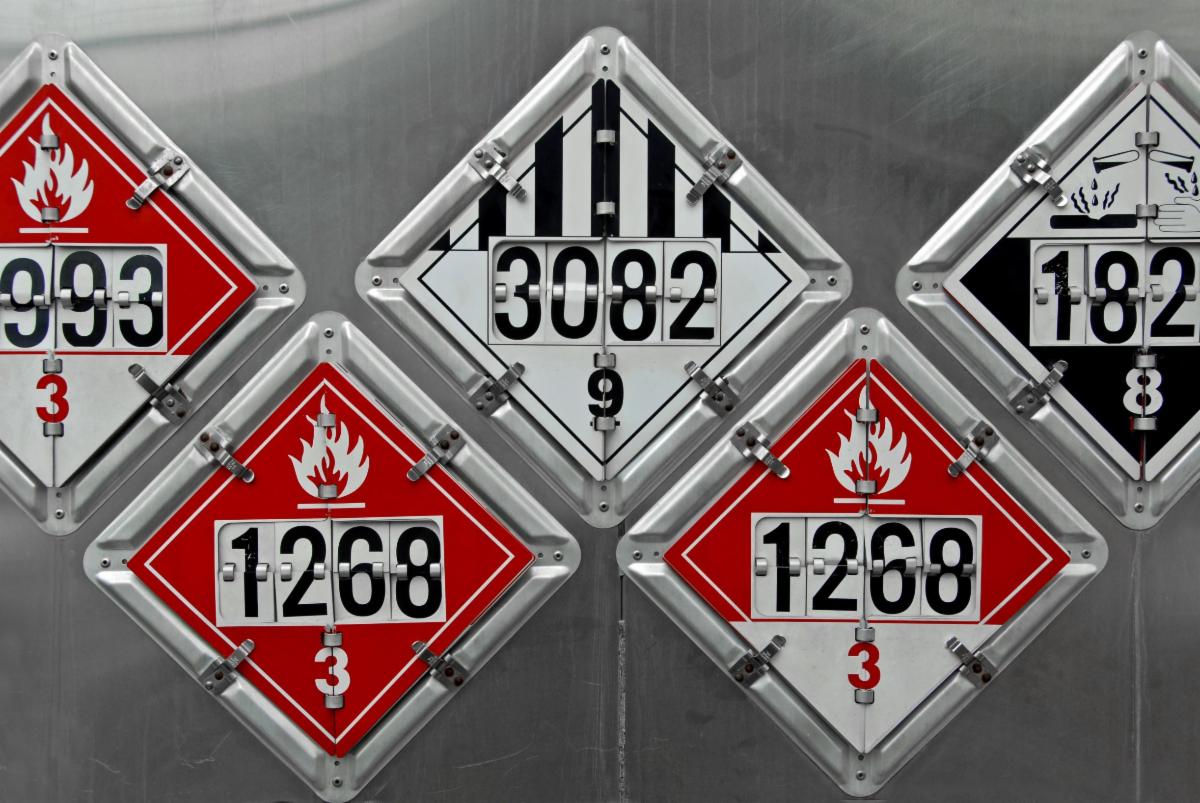
CVSA Regulatory Update- The Pipeline and Hazardous Materials Safety Administration (PHMSA) published a notice October 13 detailing what PHMSA will consider when reviewing an approval request to reclassify a material as a Class 9 safety device.
Further, it establishes a policy for classifying subcomponents of existing safety devices as safety devices in their own right. It further states that PHMSA will balance the potential safety benefits to persons in vehicles, vessels or aircraft with the potential danger posed by shipping explosive materials that are not incorporated in a larger component device.
Transport Dive-Previous behavior continues to be an important predictor of whether a truck driver is likely to be involved in a crash, with certain violations holding more significance than others, according to a report released October 11 by the American Transportation Research Institute.
The study also found that female drivers generally exhibit better safety performance than men, and included a list of states with the best safety records -- Michigan ranks #10.
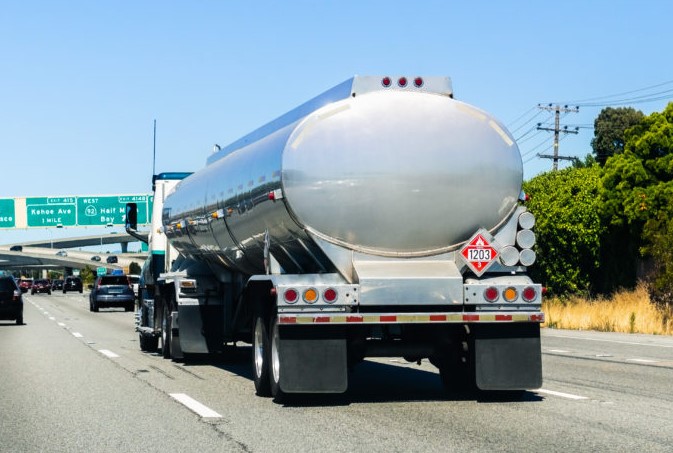
FleetOwner- In an unannounced five-day enforcement initiative in June, the Commercial Vehicle Safety Alliance examined more than 6,000 vehicles transporting hazardous materials and dangerous goods in the U.S. and Canada. Shipping papers and packaging were the most common violations found.