Labor and Workplace Protections: Safeguarding Hispanic Workers’ Rights
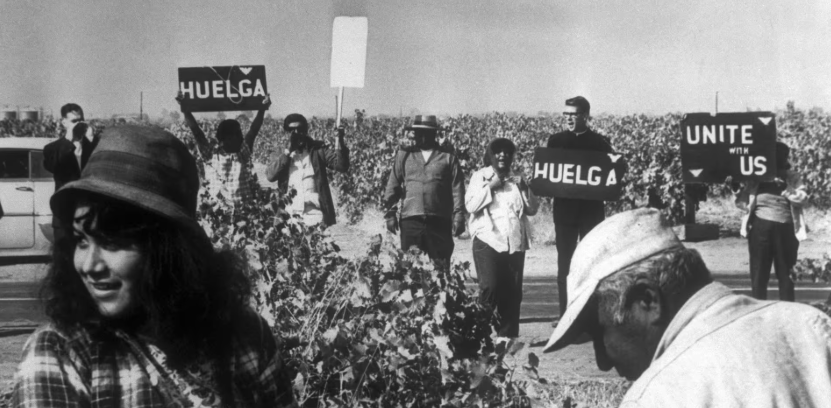
For much of American history, Hispanic workers have formed the backbone of industries that keep the nation running—fields, factories, construction sites, and meatpacking plants. These jobs, while essential, have often been among the most grueling and dangerous. Long hours, low pay, and unsafe conditions defined the reality for many Hispanic laborers throughout the 20th century. It was only through landmark legislation such as the Fair Labor Standards Act (FLSA) and the Occupational Safety and Health Act (OSHA) that progress toward fairer and safer workplaces began to take shape.
When Congress passed the Fair Labor Standards Act in 1938, it established basic labor protections that were revolutionary at the time. The FLSA introduced the 40-hour workweek, mandated overtime pay, and set a federal minimum wage. For Hispanic workers—many of whom were immigrants or first-generation Americans—these protections promised a measure of dignity in industries where exploitation was rampant. However, the initial law excluded agricultural and domestic workers, sectors where Hispanic labor was heavily concentrated. This exclusion meant that some of the very communities most in need of protection were left behind.
Over the following decades, amendments to the FLSA gradually expanded coverage. By the 1960s and 1970s, more farmworkers and service workers began receiving minimum wage protections. These changes were particularly meaningful for Mexican-American and Puerto Rican workers in agriculture and manufacturing, who had long endured poverty wages. While gaps still remain, the FLSA laid the foundation for fair pay and humane work hours across the nation.
Another major milestone came with the passage of the Occupational Safety and Health Act of 1970. Signed into law by President Richard Nixon, OSHA created national standards to ensure safe working conditions. Employers were now required to provide workplaces free of serious hazards, and workers were granted the right to demand improvements without fear of retaliation. This law proved vital for Hispanic workers, who were disproportionately employed in high-risk industries such as construction, meatpacking, and chemical manufacturing.
OSHA’s protections meant that hazards like toxic exposure, faulty machinery, or unsafe scaffolding could no longer be dismissed as “part of the job.” Advocacy organizations and unions worked to educate Hispanic workers about their rights, often offering resources in Spanish to ensure language was not a barrier to safety. Over time, these protections helped save countless lives and reduced the rate of workplace injuries.
Still, challenges persist. Hispanic workers today remain overrepresented in some of the nation’s most dangerous jobs, and fatality rates are disproportionately high compared to other groups. Yet the legacy of the FLSA and OSHA endures: they set the expectation that workers—regardless of background—are entitled to fair pay and safe conditions.
For Hispanic Americans, these labor laws are more than legal protections; they are acknowledgments of the value of their work. They affirm that those who harvest our food, build our cities, and keep our industries alive deserve not just gratitude, but fairness, dignity, and safety on the job.
|