|
Land Banks as Partners in Revitalizing Abandoned Neighborhoods
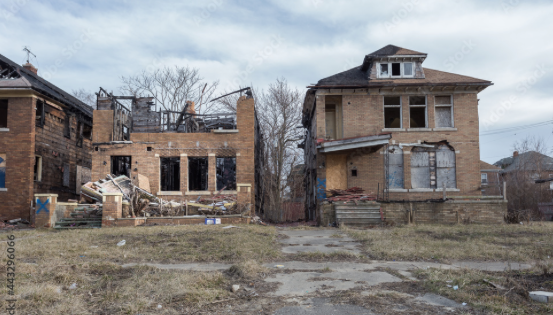
If you have driven by or walked past streets with abandoned buildings you know that they are more than simply an eyesore.
Tax-foreclosed properties almost always have a collateral effect of driving down surrounding home values as these parcels fall further into disuse and disrepair. Additionally, one abandoned building often begets another and neighborhood tracts become institutionalized as places of low income and crime due to disinvestment.
Along comes a local Land Bank.
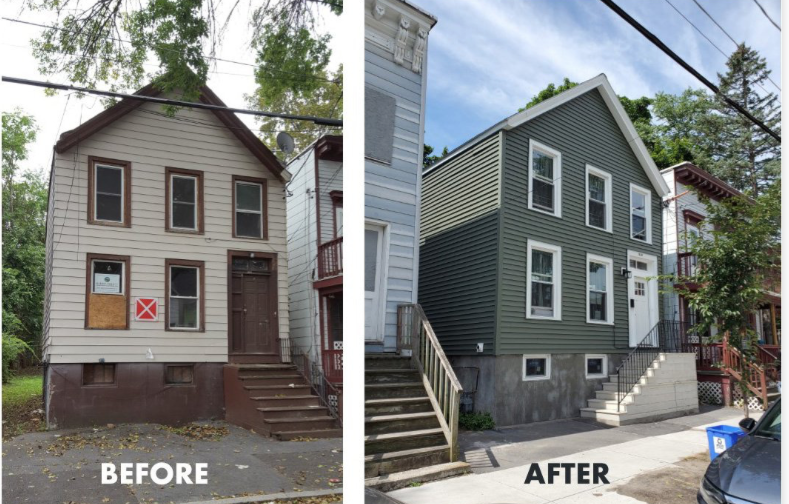
Made possible through state and municipal legislation, non-profit land banks have statutory authority to acquire, hold, manage and facilitate the rehabilitation of tax-foreclosed properties. Land banks can be a catalyst in the neighborhood preservation toolbox.
In his publication, Land Bank Authorities, Frank Alexander notes, “given appropriate legal and administrative mechanisms, land banks can remove redevelopment barriers that hamper the creation of functioning private markets for conversion of abandoned land to better and higher uses. They can also facilitate the realization of public policy goals such as provision of affordable housing, stabilization of residential neighborhoods, development of green spaces and revitalization of brownfields.”
The first land bank was established in 1971 in St. Louis, Missouri, as a response to managing the city's vacant properties. Since then, over 300 communities across 19 states have created local land banks.
In Brooklyn, residents in the Bed-Stuy neighborhood are mobilizing to save 375 Stuyvesant Ave, which was once owned by Josephine English, a pioneering Black physician. Locals are exploring how the historic mansion could become community-owned through the BLAC Land Trust. A community land trust allows properties to be permanently affordable and reinvests value locally, meaning that preservation is shared community power.
Is there a land bank in your community?
Check out the National Land Bank Map here to find out.
|