View as Webpage

Language & Literacy Sessions

Strategies to Strengthen Language Development in Your Classroom!

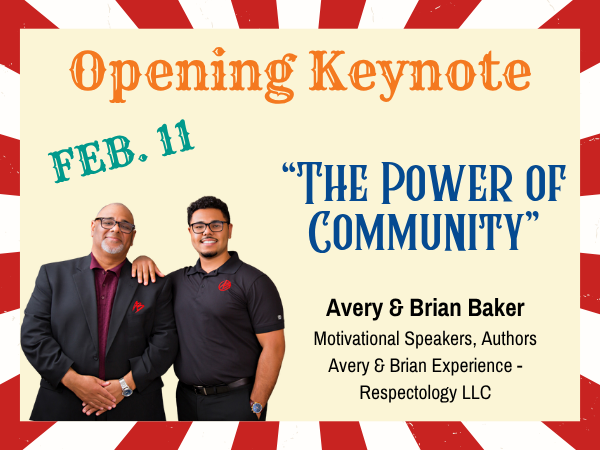
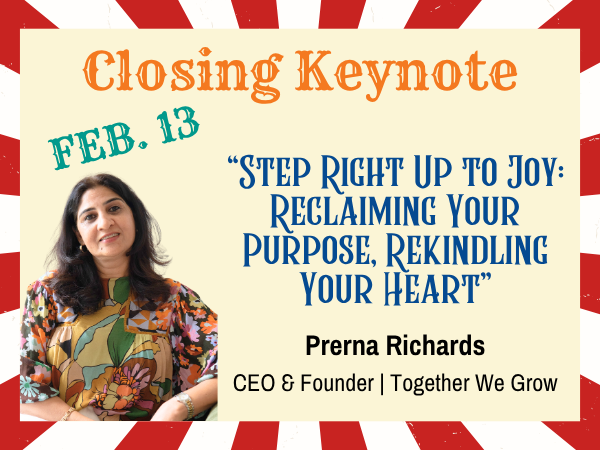
Step right up for three days of inspiration, connection, and meaningful professional growth under the big top!


Join us February 11–13, 2026, in Ontario, CA, for the Education Conference and dive into the Language & Literacy track. This track highlights effective, developmentally appropriate practices that nurture language development and early literacy skills. You’ll also explore strategies for supporting dual language learners (DLLs) and strengthening language development across both home and classroom environments.

Get ready for a dynamic lineup of sessions in the Language & Literacy track—expertly aligned with:


Topics may include:

  • Language modeling and vocabulary-building strategies
  • Early literacy practices for infants, toddlers, and preschoolers
  • Effective approaches for supporting DLLs in dual-language or English-dominant settings
  • Using books, storytelling, and intentional interactions to build comprehension

CONFIRMED SESSIONS


Closing the Comprehension Gap: Develop Language Comprehension, Expression, and Critical Thinking for Early Learners | Melissa Garner, Lindamood-Bell for Schools Learn more


Little Hands, Big Words: Building Communication with Infant & Toddler Sign Language

| Lillian Hubler Tobin, Time to Sign/EC-LEARN Learn more


Love to Move, Love to Learn | Charmaine Erwin, Zoo-phonics Inc Learn more


Partnering with Families Through Language Access in Early Childhood Education

| Lena Moran, Bridging Voices-Uniendo Voces, LLC Learn more


Storytelling is our Superpower! Using Felts, Puppets and Content-rich Literature to Build Literacy Through Multiple Disciplines | Sundrina Cottrell, Artfelt Learn more


Celebrating and Supporting Young Children's Language and Communication | Delis Cuellar, University of Wisconsin Learn more

EDUCATION CONFERENCE

February 11–13, 2026

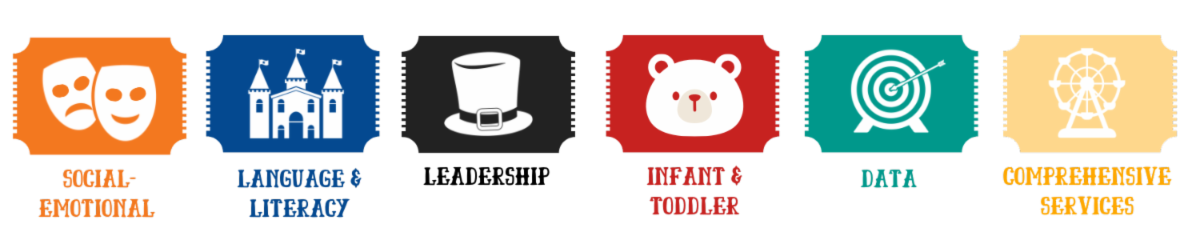
Calling all educators! This three-day conference is your training ground for enhancing teaching practices, boosting staff retention, and improving child outcomes. Sessions will explore trauma-informed care, leadership pathways, language-rich classrooms, and strategies for integrating comprehensive services—firmly anchored strategies that build capacity and align with Head Start regulations and best practices.


Who Should Go?
Head Start and Early Head Start teachers, assistant teachers, site supervisors, center directors, education managers, early learning specialists, home-based supervisors and educators, program directors, disabilities coordinators, health and nutrition managers, and mental health consultants or T/TA providers supporting education teams.

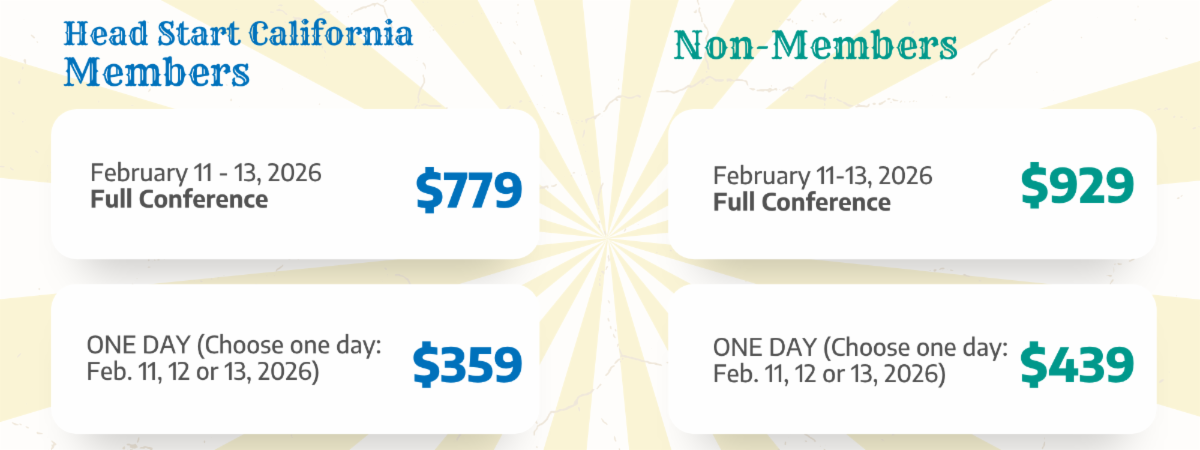
REGISTRATION FEES

QUESTIONS?

If you have questions, please email Gricelda Ocegueda at gricelda@headstartca.org

Facebook  X  Instagram  LinkedIn
Head Start Logo White horiz.png