Bright Spot
 

BRIGHT SPOTS


The toy company Mattel has released a Barbie doll with Type 1 Diabetes — representing over 300,000 children and teens in the U.S. living with the autoimmune disease.


QUOTABLE & NOTABLE

“Two-thirds of U.S. families with young children — including middle- and upper-middle-class families who frequently command politicians’ attention — have had all available parents in the workforce since the late 1990s. Yet parents still struggle mightily to access quality child care; large majorities say it is hard to find and afford care, and the cost of care continues to rise at a faster rate than inflation.


“As near-universal as these challenges are, there is a persistent and surprising lack of a mass movement demanding major child care reforms. U.S. parents are basically on their own to figure out solutions for their families.”

Who:

Elliot Haspel and Rebecca Gale

Where:

“Child care is a hellscape for most US families. Why isn’t there a bigger push for change?”  published by The Guardian


FACT OF THE WEEK


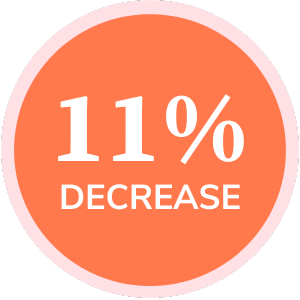
11 percent decrease

As reported by Richland Source in an ongoing child care series, the number of licensed child care programs in Ohio has gone down in recent years. Data from the Ohio Department of Job and Family Services show an 11% decrease in the number of programs from FY 2018 to FY 2024, from 7,890 to 7,005 programs. Note, this does not reflect the capacity to enroll or serve children and families but does show a decreasing number of child programs getting and staying licensed in the state.


POLICY RADAR

Ohio

The editorial board of The Plain Dealer and Cleveland.com published a piece calling on the state to do more to invest in child care, describing the new child care cost-sharing program as a “bright spot” in the recently passed budget bill while pointing out that funding for it was only allocated for one year.


FYI

Ohio’s 2025 Expanded Sales Tax Holiday runs from Friday, August 1, through Thursday, August 14.


EVENTS & HAPPENINGS

The Health Policy Institute of Ohio (HPIO) is hosting a webinar called “Addressing factors contributing to child and youth mental health struggles” on Thursday, July 31, at 1 pm ET. In the meantime, check out HPIO’s brief on the same topic.


CRANE IN THE NEWS

Crane’s director of research, Dr. Rebecca Dore, posted a summary of findings about first graders’ intake of media and educational content. Dr. Dore notes that nearly half of the educational video content in the study came from PBS programs — which has important implications given the recent congressional cuts to PBS funding.


BEYOND THE BUCKEYE STATE

California’s ambitious plan to roll out universal pre-K to all 4-year-olds by 2025-26 has hit snags, including some confusion among families about eligibility for free pre-K versus the Golden State’s (also relatively new) statewide transitional kindergarten program. EdSurge describes lessons learned and points out that “there is more required for these programs to succeed than simply providing them.”

Quebec’s $7 a day universal child care is lauded as a model for affordable care. The Guardian describes how the Canadian province established the program through policy action and adherence to research on child development — but also made possible by a unique sociopolitical history, changing family structures, and a desire to protect single mothers from poverty.


WHAT WE’RE READING

Children’s Funding Project built and published an interactive database of the many federal funding sources for programs supporting children and families.

As part of a series, Richland Source examines the challenges families face in finding affordable child care in north central Ohio, including a look at county-level data showing a strong majority of children under age 5 not enrolled in licensed programs.


RESEARCH ROUNDUP

A white paper, written by the education nonprofit Project Tomorrow, investigated how large print books may impact students’ reading engagement and retention. The study included about 1,500 students grades 4-12 in addition to 56 teachers and librarians across 13 U.S. elementary, middle and high schools. Students read large print books (16-point font, with increased space between lines and paragraphs). Afterward, both student and teacher experiences with the books were discovered through surveys, focus groups, and interviews. A promising finding of the study showed that 87% of teachers agreed that access to large print positively impacted their students’ reading success. Project Tomorrow’s Julie A. Evans, who collaborated on the study, highlights more findings and how schools can acquire a large print book collection.


This edition was written by Jamie O’Leary and Janelle Williamson.

If you like this newsletter, forward to a friend! Subscribe here.


crane.osu.edu

X  LinkedIn