|
Course Overview:
Bill Fritze
Working with your Prosecutor for Successful Prosecution
The Three main areas that help to build strong cases that I will focus on are as follows:
1. Community Policing to provide on the ground intelligence.
2. Use of Digital Forensics to support the investigation and prosecution.
a. NIBIN, Social Media, cloud data and Cell Phone analysis to identify and corroborate evidence.
3. Prosecution of Group violence without the existence of organized crime to link the defendants and incidents.
a. The prosecutors tool box: Other acts, Modus Operandi and other ways to secure a conviction.
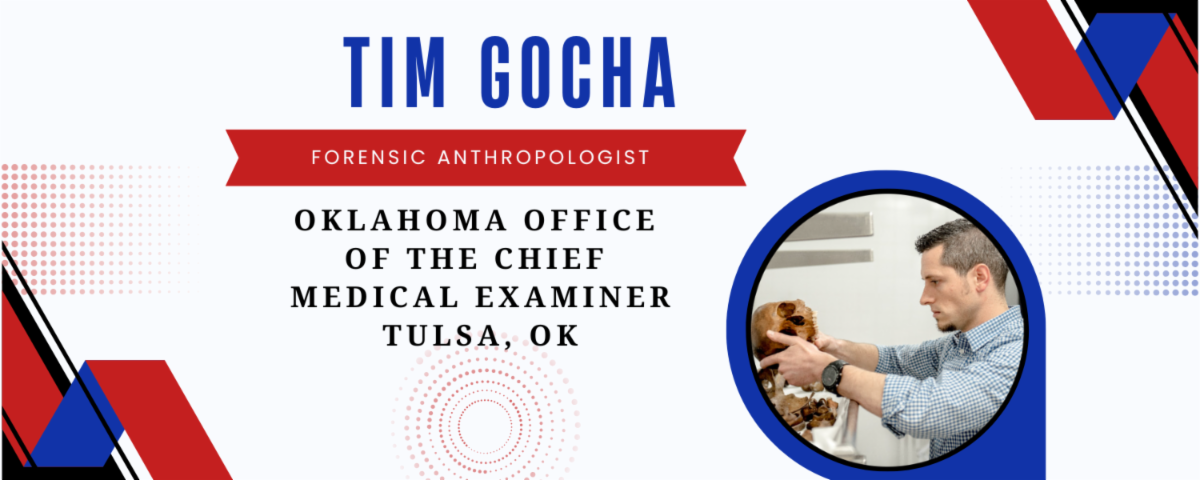
Tim Gocha
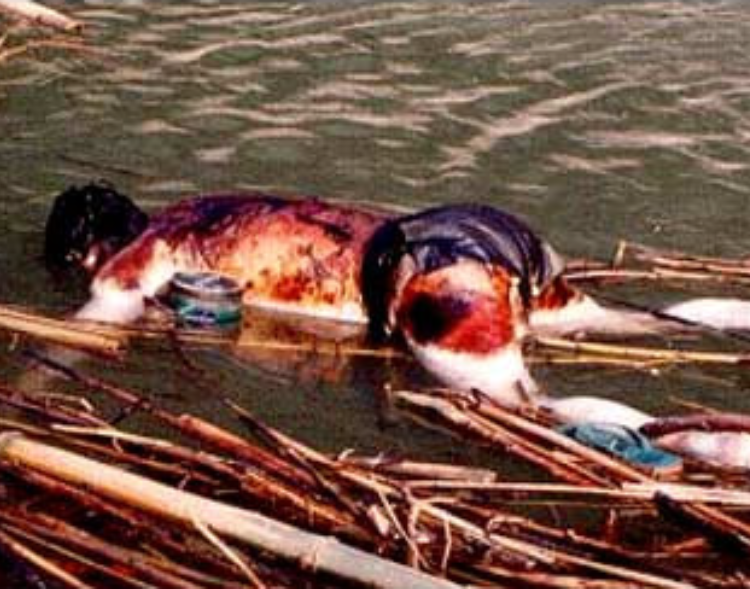
Introduction to All Things Forensic Anthropology
• Recovery
• Decomposition
• Information Bodies can Provide the Homicide Investigator
• Case Examples from across the US including Las Vegas and Texas
Joe Rauch
Importance of the First Responder
•Who is the First Responder?
•Understanding and Changing the Mindset of the First Responder
•Communication and Team Building between the Investigator and the First Responder
•Establishing and Maintaining the Integrity of the Crime Scene
•Supervision of First Responders, Crime Scene and Media Relations
•Knowing the Abilities and Limitations of the First Responder
•Issues and Challenges of the First Responder
• Preparing the First Responder for Court
The Homicide Investigator
•Who is the Homicide Investigator?
•Ethics & Responsibilities of the Homicide Investigator
•Conducting
•Case Management -Keeping your Focus and learning to Juggle
Crime Scene Analysis, Investigative Techniques and Resources
•Learning to Read the Crime Scene
•Identification & Individualization of Physical Evidence
•Practical Application of Crime Scene Analysis to the Investigative Process
•Investigative Tools and Techniques
•Application & Use of Advancements in Technology and Digital Forensics
•Leveraging Private Sector Cooperation
Documentation and Report Writing
•Reaffirming the Basics of Report Writing
•Documenting the Case from the Initial Call to the Verdict
•Documentation as a Positive/Negative Reflection of the Investigation
•Errors and Pitfalls of Report Writing
•Techniques and Importance of Note Taking
Jonathan Pelletier
Do’s and Don’ts regarding complex homicide investigations:
This training segment will cover some of the most helpful insights into investigating complex homicide cases and include interactive case studies that will challenge experienced homicide investigators as they grapple with various aspects related to staging, linkage, time and distance, and post offense behavior. Fine tuning the functions of “the war room” and effective workflow and follow-ups will be included. Whether from a jurisdiction that has an occasional homicide or from one that has a high murder rate, the contemporary tips alongside traditional insights will prove helpful in better guiding successful investigations and avoiding common mistakes. Although there are many appropriate approaches, best practices will be provided. Discussion will include effective use of resources, jurisdictional limitations, methodology, and unusual challenges
Bob Lowery
•DNA
• Genealogy
• Databases
•Managing Major Case Homicides
Michael Murphy
• Role of Coroner in Death Investigation
• Cause and Manner of Death
•Case Review of All Manners of Death
• Homicide - Suicide - Natural - Accident - Undetermined
•Courtroom Testimony
•Death Notification
•Resiliency/Wellness
|