IBANYS Weekly E-Newsletter | | |
-
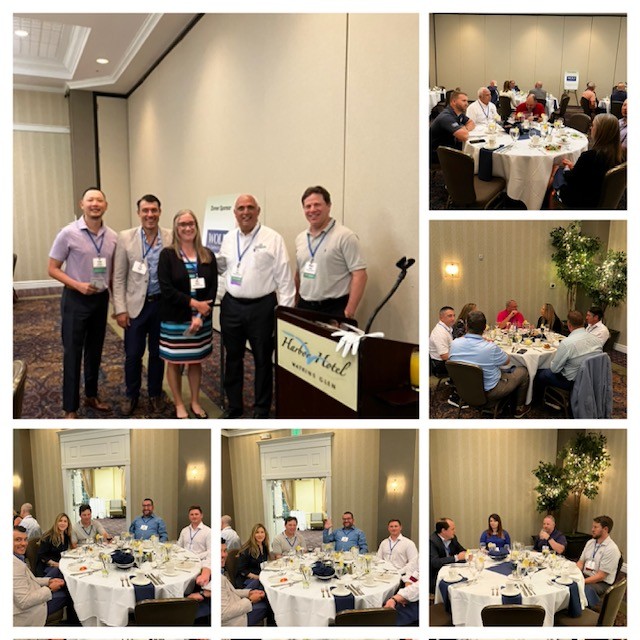
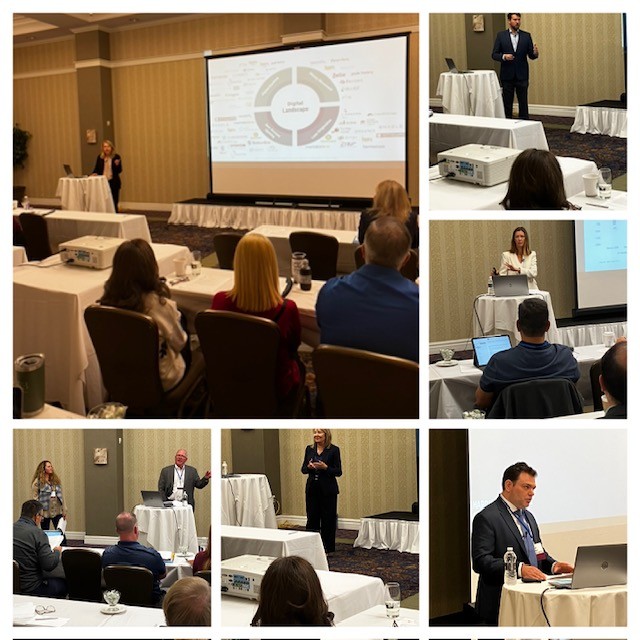
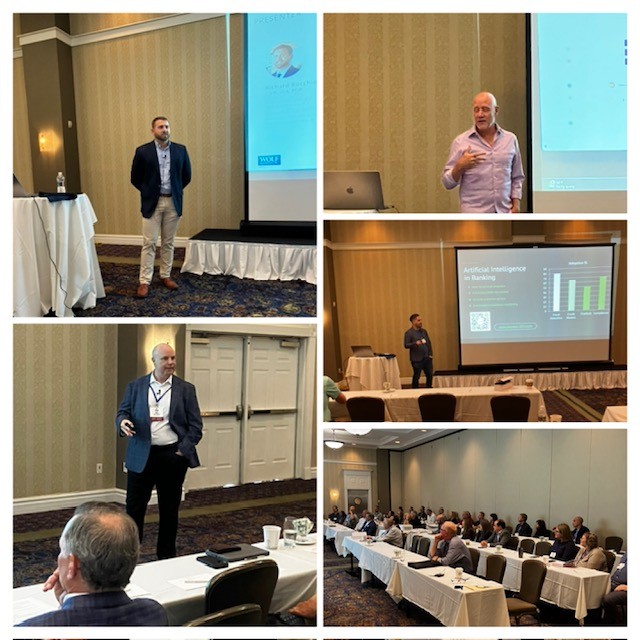
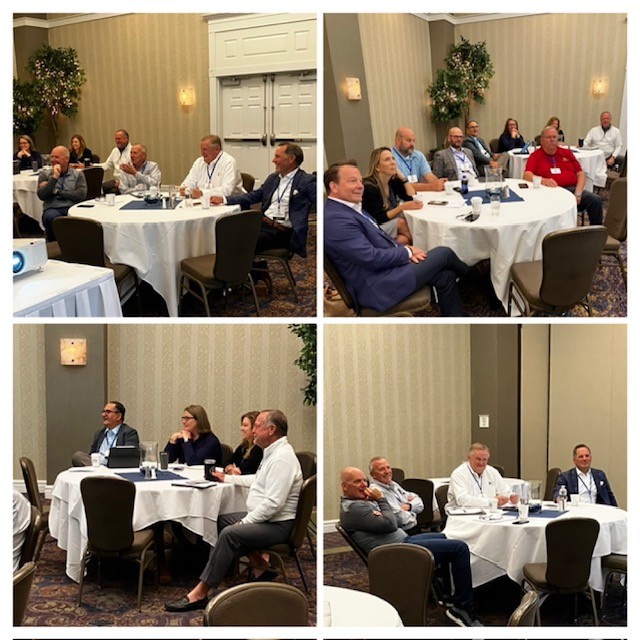
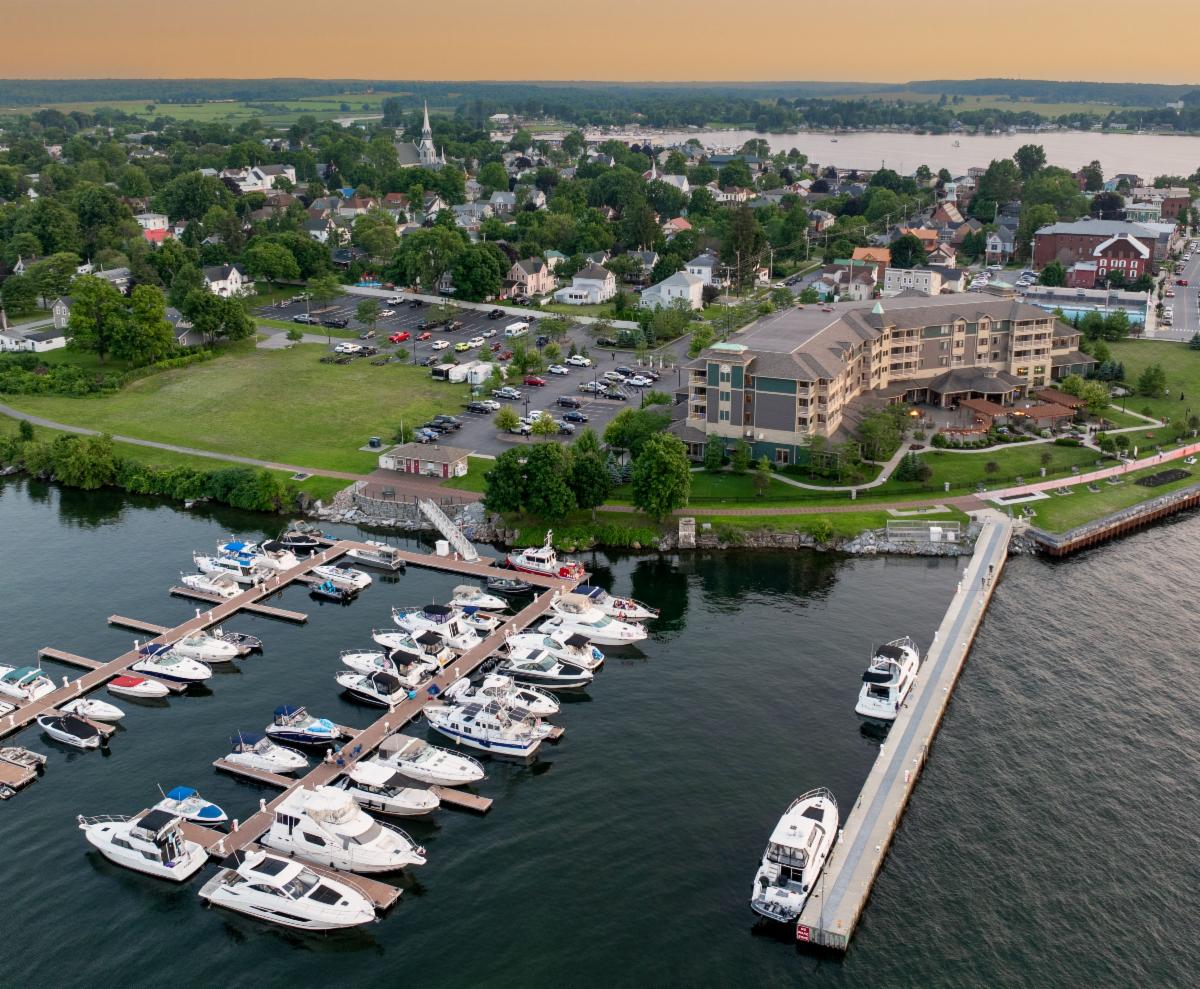
This week, IBANYS held our Executive Leadership Symposium in beautiful Watkins Glen, N.Y. THANK YOU TO ALL THE BANK LEADERS AND TO OUR GREAT BUSINESS PARTNERS WHO ATTENDED. WE HAD GREAT WEATHER. GREAT SPEAKERS, GREAT PEOPLE AND A GREAT TIME. See some pictures and more on the Symposium below. If you didn't make it this year, you need to join us NEXT YEAR at this Symposium October 5-7, 2026, at 1000 Harbor Hotel in Clayton, NY. Save The Date!
-
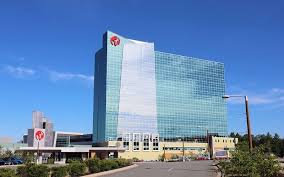
While you’re at it, Save the Date for IBANYS’ 50th Annual Convention & Trade Show: New Dates. New Location. Same Premier Event. We’ll be at Resorts World Catskills June 8-10, 2026. Mark Your Calendars! We look forward to celebrating this milestone event with you!
-
IBANYS’ new Fiscal Year begins November 1 – and that’s when we install our new officers & directors for the year ahead. Stay tuned: We’ll have an announcement on our new leadership team and new directors for 2026 very soon!
-
We’re preparing for the 2026 state legislative session in Albany, continuing outreach efforts with state legislative and Banks Committee leadership and the NEW DFS regulatory leadership. On the federal scene, we continue to work closely with ICBA to monitor and engage on federal legislative and regulatory matters. Check out our Albany and Washington sections for more details. We look forward to working for – and with – you in this exciting period, and in the coming year. If you – or one of your officers or employees - are interested in getting more involved in our committees, governance, government relations efforts please email me at Johnw@ibanys.net.
-
Community banker sentiment reached a peak in the third quarter, according to the Conference of State Bank Supervisors (CSBS). 1) The CSBS Community Bank Sentiment Index gained seven points from last quarter to 133 points, a record high since the survey's inception in 2019. 2) The monetary policy indicator also reached an all-time high, improving 16 points to 130. 3) Expected future business conditions was the only component pulling the index down, although that measure improved seven points from last quarter.
-
The Federal Reserve Bank of New York released a survey of consumer expectations that shows inflation expectations increased at the short- and longer-term horizons and were unchanged at the medium-term horizon. Median inflation expectations in September increased at the one-year-ahead horizon to 3.4% from 3.2% and at the five-year-ahead horizon to 3% from 2.9%. They remained steady at the three-year-ahead horizon at 3%.
-
Net interest margins have overtaken regulatory burden as community bankers’ top external risk, according to the Conference of State Bank Supervisors Annual Community Bank Survey. Core deposit growth ranks second highest, followed by economic conditions, cost of technology, and cost of funds. Regulatory burden fell to sixth. Cybersecurity remains the top internal risk. Technology implementation and related costs rank second, and credit replaced liquidity for third. Community banks reported local regional banks as their primary competitor for payment services; nonbank institutions were second. Most respondents would support changing the current deposit insurance framework, with targeted unlimited coverage and increased coverage scoring the highest among alternative solutions.
BECAUSE OF THE UPCOMING HOLIDAY WEEKEND, IBANYS' "UPDATE" WILL BE PUBLISHED ON TUESDAY, OCTOBER 14th. ENJOY THE LONG WEEKEND.
. . . . .
. . . Visit our website at https://ibanys.net/ and review information about IBANYS, our mission and what we do for New York community banks – we’ve been the sole voice at the table representing ONLY New York community banks since we were formed by them more than a half-century ago. . .
As always, thanks for all you do for your local customers and communities, our community banking industry in New York. . . and of course, for IBANYS.
. . .John
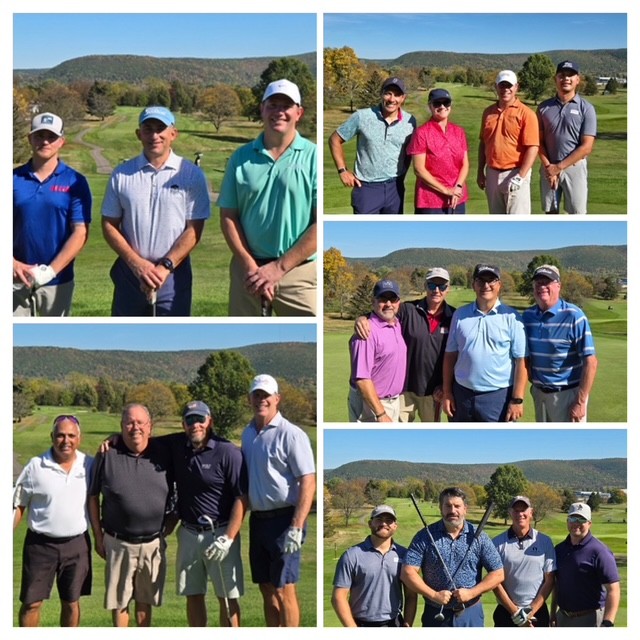
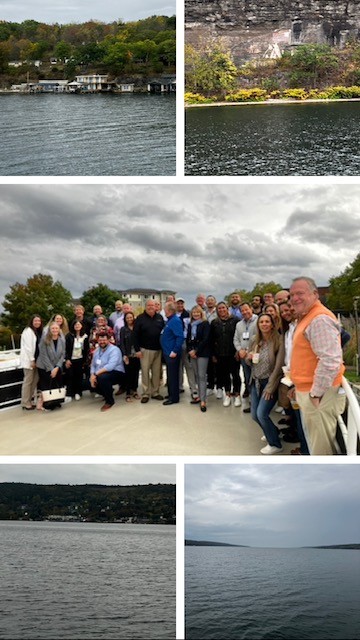
| | 2025 EXECUTIVE LEADERSHIP SYMPOSIUM | | The 2025 IBANYS Executive Leadership Symposium kicked off with a stunning sunrise over the Watkins Glen Harbor Hotel on October 6. The beautiful weather continued throughout the day, creating the perfect setting for golf and an enjoyable evening of networking on the patio. | | The golfers enjoyed a fabulous day on the course. A special thank you to T. Gschwender & Associates for generously sponsoring the entire golf outing. | Congratulations to our winning group of golfers! Here are a few highlights from Monday, October 6 — including photos from the awards and dinner. A special thank you to Wolf & Company for sponsoring dinner and to Lee & Mason for sponsoring the dinner wine. | | | | A beautiful boat cruise on Seneca Lake, generously sponsored by Federal Home Loan Bank of New York. | | Outstanding speakers and topics on Tuesday and Wednesday, featuring a roundtable discussion for Bank Presidents and CEOs moderated by Jeff Marsico, President of The Kafafian Group. | | 2026 CONVENTION & LEADERSHIP SYMPOSIUM | | | | |
New Dates. New Location. Same Premier Event.
IBANYS’ 50th Annual Trade Show & Convention is headed to Resorts World Catskills!
Mark your calendars and save the date—June 8-10, 2026.
We look forward to celebrating this milestone event with you!
| | | | |
Executive Leadership Symposium
October 5-7, 2026
1000 Harbor Hotel
Clayton, NY
| | ASSOCIATE & PREFERRED PARTNERS | |
|
THE WEEK OF OCTOBER 6, 2025
The Municipal Market Monitor is a weekly overview covering key themes of the general municipal market. The update includes the AAA yield curve, municipal to treasuries ratio, fund flows, expected issuance volume and Piper Sandler’s weekly calendar, along with brief commentary, designed to provide issuers and investors insight into current market conditions.
| | |
Financial Institutions Industry Year-End Webinar
Thursday, Nov. 6 from 11 a.m. – 12 p.m.
Plante Moran’s Financial Institutions 2025 Industry Year-End Webinar offers institutions trusted insights on the issues shaping today’s operations and tomorrow’s strategies. From compliance and tax to IT risks and financial reporting trends, this session helps institutions prepare for what’s next. Register here!
Additionally, the firm is hosting a 6-session Year-end Webinar Series covering tax planning for individuals and businesses, audit and accounting updates, employee benefit plans, tax controversy, and cybersecurity. The series runs on November 4, November 13, and November 19.
Register for all sessions can be found here.
| | | |
From Integrity to Innovation: 9 Timeless Leadership Lessons
While new technologies, tools, and market dynamics shift, the basics of great bank and credit union leadership are always in style, always endure, and always need to be present. At its core, leadership is built on culture, integrity, and service. In a recent Engage fi podcast, Veteran CEOs, John Cassidy, Cathy Pace, and Gene Pelham, shared their timeless insights on how to inspire, connect, and lead financial institutions with purpose. According to these seasoned CEOs, the following nine leadership lessons will outlast the latest tech wave and will continue to define what great leadership looks like in the future.
Read blog
| | |
Virtual Simulation
Join one of the upcoming Banque Simulation one-day virtual sessions on Oct. 24, or Nov. 7. Designed for 3–5 team members (with the option for additional observers), this interactive program—led by David Sidon, CPA—offers hands-on learning to strengthen decision-making and strategy.
Register today: barretbanking.org/landings/banque-sim
Click here for more details
| | |
Schedule: 9:00am-11:30AM CST
Day 1: Agricultural Financial Statements
Day 2: Agricultural Financial Statements and Ratio Analysis
Day 3: Problem Loans in Ag Lending
Day 4: Effective Loan Structuring and Class Exercise
| |
AG Lending 101
October 20-23, 2025 - Virtual Program
LEARNING OBJECTIVES
- Learn the impact of the Farm Financial Standards Council recommendations on agriculture lending, including recommended key financial statements and how they interact in the lending process
- Calculate deferred taxes and their impact on agriculture financial analysis and credit decisioning
- Understand the differences between cash and accrual income statements for the agricultural customer, begin developing a working knowledge of accrual income statements
- Understand cash flow analysis in agricultural lending decisioning, implement the “Sweet Sixteen” ratios into your underwriting regimen, specifically: Repayment, Liquidity and Solvency Analysis
- Learn the purpose of loan policy in ag lending, including the importance of loan structure and its relationship to problem loans as well as ag loan workout
| | |
Barret Compliance Series
November 4-6, 2025
Barret Compliance Topics:
Lending
- Fair lending/Reg B
- ATR-QM
- HPML/HOEPA
- Lending to service members
- Mortgage origination, including TRID
- Mortgage servicing
- RESPA Anti-Kickback Rule developments
- Appraisal issues
- Flood insurance- updated FAQs
- FCRA Litigation
- Fair Debt Collections Practices Act
- Cosignor vs Guarantor Issues
- Valid When Made/True Lender Doctrines
- UCC Article 9 Developments Bankruptcy update
| | |
Operations/Deposit
- Reg CC
- Reg DD
- Reg D
- Reg E
- Converting Retail Accounts and Charging Fees on Free Accounts
- Garnishments and Garnishing Federal Benefit Payments
- Privacy
- Social media and advertising
- UDAAP developments
- NACHA Rule Updates
- Wire transfer and ACH fraud issues
- Mobile/Remote Deposit
- Technology Litigation
- ADA Website Accessibility guidelines
- IRS Tax Reporting update
- Cybersecurity Risks and Mitigation
Bank Secrecy/ Anti-Money Laundering:
- FFIEC Exam Procedures and risk assessments
- Suspicious Activity Reporting
- CIP
- Beneficial Ownership
- Cannabis and Hemp
- Elder financial abuse
- Recent penalties
| | |
FEATURES:
- Day one (seven hours) covers Lending Compliance
- Day two (seven hours) focuses on Operations/Deposit Compliance
- Day three (three and one-half hours) concentrates on Bank Secrecy Act/Anti-Money Laundering
- CPE credit is available
Pricing:
Barret Compliance Series, All-Access Pass (3 Days)
In Person and Virtual (Zoom) Available: $795
Lending Compliance
In Person and Virtual (Zoom) Available: $345
Operations, Deposit, BSA, AML
In Person and Virtual (Zoom) Available: $475
BSA, AML
In Person and Virtual (Zoom) Available: $225
| | | |
Registration is open for ICBA LIVE 2026
Registration is now open for ICBA LIVE 2026, the world’s largest gathering of community bankers.
Details: Set for March 6-9 at the San Diego Convention Center, ICBA LIVE is where ICBA members connect with peers, are inspired by new ideas, and gain practical insights to stay competitive.
Theme: The theme for ICBA LIVE 2026 is Anchored in Purpose to recognize community bankers as the anchors of their communities—providing stability and support during turbulent economic times—and ICBA as an anchor for community banks.
More: ICBA LIVE features industry-leading speakers, education opportunities for community bankers, a lively expo floor, and more.
LEARN MORE AND REGISTER
| |
|
IBANYS is Preparing for the 2026 STATE LEGISLATIVE SESSION. IBANYS recently met with NYS Senate Banks Chairman Senator Sanders (D-Queens) about the upcoming 2026 state legislative session, including three bills IBANYS proposed late in the 2025 legislative session which passed the State Senate in the closing days but did not advance in the Assembly. We discussed the need to get them passed in the Assembly early in 2026. These are the bills:
-
S8357, a proposal to have additional monies for the State Banking Development Districts and the entrance for reciprocal deposits;
-
S8406, which relates to the seldom used State Community Banks Deposit Program. The NYS Comptrollers’ office has agreed to increase the maximum in the program to $30MM (up from $20MM) but still has the time-consuming application program and inflexibility of a 6-month time period. IBANYS has asked for the program to be mirrored after California’s state deposit program, which is much more fluid and easily run by just two people. We currently only have 4 banks participating and are looking to improve this program for more banks to participate. We would like your feedback on the Community Deposit Program and the reasons it is not appealing today. We have made positive strides but looking for more to help banks who lose municipal deposits to the third-party investors like NYCLASS and NYLAFF;
-
S8199, to conduct a study on the Banking Development District Program currently in place to seek allow MDIs to automatically be approved based on their desire to build a branch in “banking deserts”. Chairman Sanders’ office would like to improve this bill to serve the underbanked and underserved in our state.
. . . . .
-
Gov. Hochul announced the launch of the New York State Secure Choice Retirement Savings Program, a state-sponsored retirement savings program for private-sector employees without access to a workplace retirement plan, TheBuffalo News reports.
-
In September, Gov. Hochul rolled out a new program -- Move-In NY -- to create more affordable housing in suburban, rural and urban New York. Building more housing is critical considering the Regional Plan Association estimates the state needs to build 800,000 new housing units by 2032.
-
New Yorkers' optimism about the economy remains higher than the national average but has weakened from the previous quarter, according to reporting on the state’s consumer sentiment index, the Times Union reports.
-
The Federal Reserve Bank of New York released a survey of consumer expectations. It shows inflation expectations increased at the short- and longer-term horizons, and were unchanged at the medium-term horizon. Despite a small rebound in the expected job finding rate, labor market expectations continued to deteriorate: Consumers reported lower expected earnings growth, greater likelihoods of losing jobs, and a higher likelihood of a rise in overall unemployment. https://www.newyorkfed.org/newsevents/news/research/2025/20251007
-
The New York minimum hourly wage is set to increase once again in 2026. Beginning Jan. 1, 2026, it will increase by 50 cents per hour. It also increased by 50 cents per hour last year. Beginning in 2027, it will annually increase by the three-year moving average of the Consumer Price Index for Urban Wage Earners and Clerical Workers for the Northeast Region.
-
New York state has hired 150 former federal workers ensnared in mass layoffs earlier this year and is prepared to hire more as President Trump threatens to fire additional government employees if the shutdown continues. State agencies have received 12,500 applications from displaced federal employees as of Oct. 1, according to Gov. Kathy Hochul's office. Read More
-
Sen. Gillibrand released a county-by-county breakdown of how health insurance premiums will increase in New York State without an extension of Obamacare enhanced tax credits. She said at least 1.6 million New Yorkers will face an average yearly increase of $1,360 in the amount they pay for their premiums.
-
Oswego County Administrator Phil Church, President of the New York State Association of Counties, said counties face rising costs from ‘Big Beautiful Bill’. He warned federal changes to the administration of Medicaid and food assistance programs will cost local government millions of dollars without relief from the state.
-
GOP State Sen. Peter Oberacker (R-Otsego County) announced is running for Congress against U.S. Rep. Josh Riley (D-Southern Tier), the Times Union reports.
| | |
FEDERAL ADVOCACY UPDATE
-
ICBA updated its “Advocacy in Action” government relations dashboard for the fourth quarter with the latest community banking advocacy successes and priorities. It spotlights hot-button community banking advocacy issues such as: 1) Repealing the CFPB’s overdraft rule; 2) Lowering the Community Bank Leverage Ratio; 3) Proposing changes to the Section 1033 rule, including permanent tax relief in the One Big Beautiful Bill’ 4) Establishing digital asset regulatory frameworks; 5) Restricting “trigger leads,” and more. Read about ICBA’s advocacy.
REGULATORY ITEMS
-
The OCC will continue to prioritize reforms targeted to community banks ahead of broader reforms for the industry. Ongoing work includes adjusting the community bank leverage ratio framework and a simplified strategic plan process for community banks to comply with the Community Reinvestment Act, the agency said. In a national news release, ICBA commended the OCC for taking meaningful steps to reduce unnecessary regulatory burdens on community banks. “Today’s actions are a great first step and reflect a thoughtful and proportionate approach to regulation and supervision that recognizes the unique role community banks serve in supporting local economies.” The OCC announcement aligns with ICBA’s “Repair, Reform, and Thrive” plan and open letter to the 119th Congress.
-
Fed Vice Chair/Supervision Bowman said the Fed will continue to prioritize changes to the community bank regulatory and supervisory framework that will allow community banks to continue to thrive. Bowman said the Fed is: 1) Refocusing supervisory efforts on core material financial risks; 2) Reviewing the CAMELS ratings framework; 3) Revising the community bank leverage ratio; 4) Prioritizing work to assist in the fight against fraud.
-
ICBA commended the FDIC and OCC for issuing a reputation risk proposal to prohibit the use of reputation risk by regulators and to revise the supervisory framework for “unsafe or unsound” banking practices. The joint proposal on unsafe and unsound practices and matters requiring attention would: 1) Establish a uniform definition for the term “unsafe or unsound practice” for the purposes of enforcement and supervision; 2) Direct bank supervisors to prioritize concerns related to material financial risks over those regarding policies, process, documentation, and other nonfinancial risks; 3) Establish uniform standards for when and how the agencies may communicate matters requiring attention, or MRAs, and nonbinding supervisory observations as part of the examination process; 4) Require the agencies to tailor their supervisory and enforcement actions enforcement actions and MRAs. Read ICBA's national news release.
-
At the FDIC board meeting, Comptroller of the Currency Gould said one of his priorities is supporting community banks: “For too long, regulation and supervision have been insufficiently tailored for community banks, which has hampered their ability to serve our communities and drive economic growth.”
-
Comptroller of the Currency Gould said the OCC is focusing its debanking efforts on large banks. As reported in American Banker (subscription required), he said debanking is primarily a problem at the largest banks and he is not aware of small banks engaged in the practice. As requested by ICBA, the Small Business Administration last week released a streamlined form to help community banks comply with President Trump’s executive order on ensuring access to fair banking. The SBA form offers a template for institutions with less than $30 billion in assets to use in responding to the SBA’s directive that banks in its network report on their compliance with the debanking executive order by Jan. 5, 2026
-
ICBA is urging community bankers to submit comment letters by Oct. 23 on the final round of the banking agencies’ Economic Growth and Regulatory Paperwork Reduction Act (EGRPRA) of 1996 review. ICBA’s Be Heard grassroots action center offers a guide to help community bankers submit letters on regulatory burden concerns. Community bankers can also use the guide to deliver oral comments, either virtually or at an in-person public outreach meeting on Oct. 30 in Kansas City. (Registration is required by Oct. 22.) The banking agencies are seeking comments on three categories for this final round: banking operations, capital, and the Community Reinvestment Act. EGRPRA requires the federal banking agencies to review their regulations every 10 years to identify outdated, unnecessary, or unduly burdensome regulations, allowing community bankers to articulate concerns with regulatory burden and its impact on local communities.
-
Ahead of meetings with FDIC Acting Chairman Hill and OCC staff, ICBA and other groups published a position paper encouraging clearer capital rules for mutual banks. Their regulatory objectives include: 1) Establishing a consistent and efficient framework for mutual banks to raise CET1 or Tier 1 capital; 2) Ensuring uniform treatment across all regulatory bodies (including federal and state regulatory authorities); 3) Promoting mutual capital instruments as strong, loss-absorbing Tier 1 capital. ICBA believes regulatory agencies should recognize the benefits of growing mutual banks and should provide resources to aid in their formation, particularly in areas that are underserved. A recent Independent Banker article highlights how ICBA advocates to ensure mutual institutions are equally represented and accorded parity in all respects with other charter forms.
-
Federal Reserve Governor Barr said community banks play an indispensable role in America’s economy and have a bright future. “We all share an interest in responsible regulation, which means promoting the safety and soundness of community banks and compliance with applicable law but also ensuring that regulation is appropriate to the size, business model, and risk profile of regulated institutions. We all want community banks to succeed and continue to play their important role in the communities they serve.”
-
The Senate confirmed Jonathan McKernan to be the Undersecretary of Treasury for Domestic Finance. McKernan is a former FDIC Director, and had been nominated earlier this year to lead the CFPB.
LEGISLATIVE ITEMS
-
As the Senate considers legislation to establish a regulatory framework for digital assets markets, ICBA called on lawmakers to ensure the legislation prohibits digital asset exchanges and affiliates from paying interest or yield to payment stablecoin holders. In a national news release, ICBA said barring crypto exchanges and affiliates from offering interest, yield, or rewards on payment stablecoins—as the GENIUS Act does for payment stablecoin issuers under its purview—would maintain the intended purpose of stablecoins for payments and help avoid a flight of FDIC-insured domestic deposits to global crypto conglomerates that lack regulatory oversight.
-
ICBA is encouraging community bankers to use a customizable message on ICBA’s Be Heard grassroots action center to tell their senators: 1) The Treasury Department and Kansas City Fed have projected yield-bearing stablecoins could significantly harm lending in local communities by diverting deposits from insured depository institutions into stablecoins; 2) Allowing yield-bearing payment stablecoins to act like a bank deposit without being subject to the same regulatoryoversight poses risks to consumers and the financial system; 3) To minimize these risks to the banking system and local economies, policymakers must extend the prohibition on paying interest to crypto exchanges and other third parties. Resources for Community Bankers: ICBA offers A summary of the GENIUS Act for community bankers that includes insights on the regulatory framework for payment stablecoins, policies on bank issuance, and more, and also an on-demand community banker briefing on the GENIUS Act and other digital asset policy developments.
-
ICBA and others urged President Trump to provide financial assistance to farmers as a bridge until stronger market demand for agricultural commodities can achieve stronger prices. Read the letter. ICBA also sent a letter to the Treasury and Agriculture Departments urging the administration’s support for a farm aid package as large or larger than the one adopted by Congress at the end of last year, urged the administration to treat community banks as favorably as other creditors.
THE SHUTDOWN & COMMUNITY BANKS
Federal agencies shared information on their programs and functionality during the government shutdown.
-
Federal financial regulators issued a joint statement clarifying that lenders may continue to make loans subject to federal flood insurance statutes during the government shutdown, even if the National Flood Insurance Program is unavailable;
-
Fannie Mae and Freddie Mac do not rely on federal funding and have continued operations during past government shutdowns -- but depend on certain federal processes that could be disrupted;
-
The Community Development Financial Institutions Fund said for the duration of the shutdown, limited CDFI Fund staff and services will be available, and any regularly scheduled webinars are cancelled but may be rescheduled once the federal government is fully operational;
-
The FHFA’s Office of Single Family Housing and some of its mortgage insurance programs will be operational but with limited services.
Several programs community banks rely on are impacted affected by the federal shutdown.
-
SBA Lending: The Small Business Administration’s 7(a) and 504 loan programs would be interrupted by a shutdown. A partial government shutdown in early 2019 led to a backlog of loans for the SBA to process;
-
USDA Lending: The partial shutdown of 2019 closed the USDA’s Farm Service Agency, Rural Housing Service, and crop insurance program, creating similar bottlenecks;
-
Prudential Regulators: During the 2019 shutdown, federal banking regulators encouraged financial institutions to work with affected consumers and said prudent efforts would not be subject to examiner criticism.
-
Other programs that could expire and likely would be addressed in a continuing resolution: The Cybersecurity Information Sharing Act of 2015, which helps ensure community banks have timely access to actionable cyber threat information, was slated to expire. . .The National Flood Insurance Program expired.
Community bankers can use the following talking points to assure customers during the shutdown:
-
Deposits and accounts are safe and secure during a temporary federal government shutdown.
-
Banks remain fully operational and will be open normal hours.
-
Deposit insurance through the FDIC continues to protect funds.
- Everyday banking services, including checking, savings, debit, and credit cards, function as normal;
-
Personal mortgages and loans are completely unaffected;
-
SBA and U.S. Department of Agriculture lending, among other programs, are partially impacted during a shutdown and new paperwork may be processed on a delayed timeline.
-
Existing SBA, USDA, and other federally backed loans are unaffected.
-
Due to the shutdown, select federal payments and benefits may be delayed;
-
The financial system remains stable during this temporary federal government shutdown, and everyday activity continues as normal.
| | | | |