|
In this month's issue:
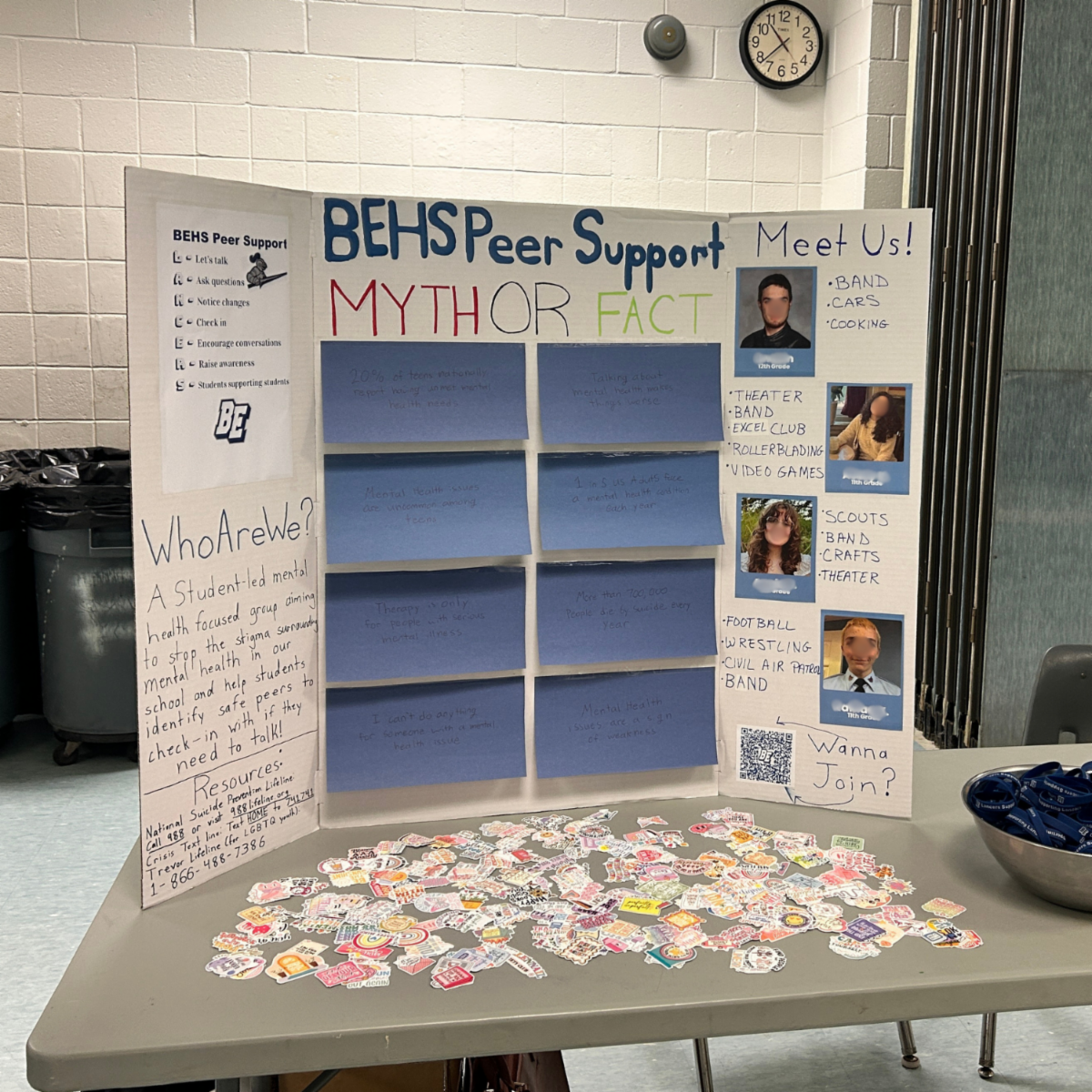
- Student peer support leaders "created waves" in their school communities in the second year of the Student Supporting Students program
- How CHDI's 5-step Quality Improvement process enhances programs for kids and families statewide
- Read the latest evidence-based practice annual reports to learn about the impact of TF-CBT and MATCH-ADTC across Connecticut in FY 25
- This month's featured Kids Mental Health Training: Trauma ScreenTIME Core
...and more! Plus, we're asking for your feedback and ideas about the Children's Behavioral Health System Dashboard for Connecticut.
| | Student Peer Leaders "Create Waves" in Second Year of Students Supporting Students Program | | | | |
It's a wrap on the second year of our Student Supporting Students (Triple S) program!
Triple S trains middle and high school students to provide mental health support to their peers at school, and as one student put it, the program has "created waves in the community."
This school year, we worked with peer leaders and staff advisors in four schools—who initially piloted the program in 2024-25—in three Connecticut towns.
| | Year two's results show Triple S has helped reduce stigma while building leadership skills: | | | CHDI's Students Supporting Students team, providing no-cost training and resources, is comprised of Senior Associate Jamie LoCurto, PhD, Senior Project Coordinator Meghan Flynn, PhD, and Project Coordinator Gianna Mendes, MS. | | Video: How CHDI Helps Partners Improve, Step by Step | | Kids and families deserve behavioral health services and systems that are effective, accessible, evidence-based, and responsive to their needs—and that starts with a better quality improvement process. In this video, hear from staff and partners about how it works and why it matters: | | We Want to Know: How Do You Use the Children's Behavioral Health System Dashboard for Connecticut? | | |
A main goal of the Children's Behavioral Health System Dashboard for Connecticut—developed in partnership with the CBHPIAB—is to make data more accessible in order to drive change at the system and practice level. For example:
-
Providers can use data to plan service capacity and develop interventions
-
Nonprofits can use prevalence data in funding or grant proposals
-
State agencies can use data to strengthen workforce development strategies
-
Policymakers can use data to inform funding allocation and policy change
-
Schools can use data to update discipline policies and inform programming
-
Families can use the data to discuss trends in youth needs with their pediatrician, school, community group, etc.
| | Have you used the dashboard in your work? We want to hear from you! | | Tell us how it's benefited your work and make suggestions for future updates: | | | Publications and Resources | | New Annual Data Reports Show Positive Impact of Evidence-Based Treatments | | |
84% of Children Receiving TF-CBT Show Improvement
Data from our Trauma-Focused Cognitive Behavioral Therapy (TF-CBT) annual report for state fiscal year 2025 demonstrates the power of this model in helping kids recover from traumatic stress:
| | of children receiving TF-CBT exhibited symptom improvement | | Connecticut youth received TF-CBT treatment | | new clinicians were trained in TF-CBT | | As Connecticut's TF-CBT Coordinating Center, CHDI provides ongoing quality improvement services to a network of 42 community-based TF-CBT providers through credentialing, implementation, data collection, and more. | | Read our FY25 annual report for a detailed look at the data and more: | | | An Effective Treatment for the Most Common Behavioral Health Issues: MATCH | | New data from our FY25 annual report confirms that Modular Approach to Therapy for Children with Anxiety, Depression, Trauma, and Conduct Problems (MATCH-ADTC) is making a real difference for kids facing anxiety, depression, trauma, and behavioral problems: | | of children receiving MATCH-ADTC showed improvement | | Connecticut youth received MATCH-ADTC treatment | | new clinicians were trained in MATCH-ADTC | | CHDI serves as Connecticut's MATCH Coordinating Center, supporting a network of 23 community providers through training, implementation, reporting, and more. Together, we're expanding access to this effective treatment while maintaining service quality and model fidelity. | | Dive deeper into outcomes from FY25 in the annual report: | | | July Featured Course: Trauma ScreenTIME | | |
"A parent told me that what they learned about trauma made a big difference in the parenting of their child."
— Trauma ScreenTIME Core Course Participant
| | | |
This month's featured Kids Mental Health Training is actually a series of courses designed to help child-serving professionals in various settings (schools, pediatric primary care, early childhood, child welfare, juvenile justice) learn best practices in trauma screening, including how to put the results into action and incorporate whole families into a child's care. No clinical background required - appropriate for anyone who works with kids.
🎓 Continuing education credits are available for all ScreenTIME courses - visit our website for details!
| | Trauma ScreenTIME is part of the National Child Traumatic Stress Network (NCTSN), funded through a federal Substance Abuse and Mental Health Services Administration (SAMHSA) grant. | | | | |
Kids Mental Health Training is an online learning portal that provides convenient, evidence-based training on a variety of children’s behavioral health topics for clinicians, educators, pediatric providers, and other youth-serving professionals.
All KMHT courses are offered at NO cost and most offer continuing education credits.
| | Sharing Trauma Screening Best Practices in Florida and Pennsylvania | | | | |
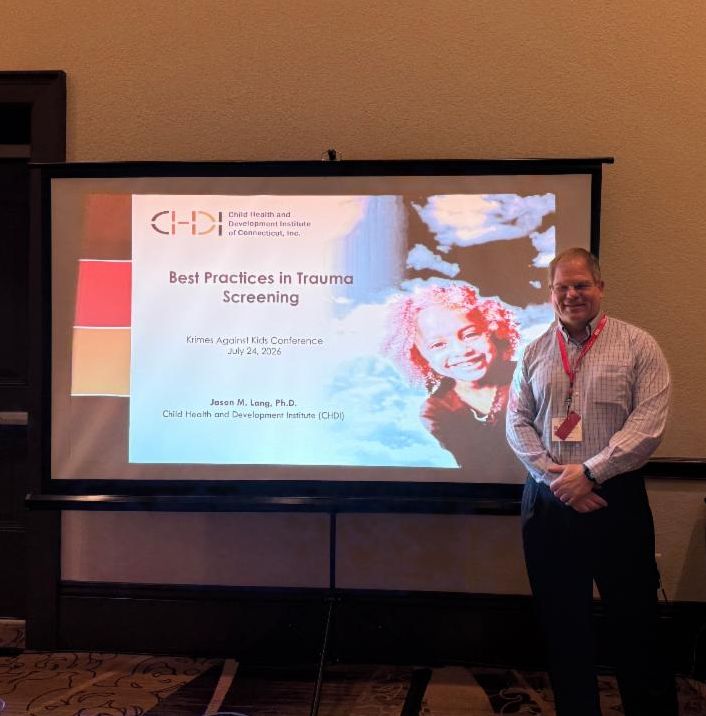
Chief Program Officer Jason Lang, PhD, presented on trauma screening best practices at the Florida Network of Children's Advocacy Centers' annual conference on July 24th and at the Philadelphia Trauma Conference on July 30th.
Dr. Lang spotlighted CHDI's development of the Child Trauma Screen, Trauma ScreenTIME courses, and our work with child-serving professionals to implement screening.
| | A New Role for CHDI Board Member Ruby Goyal-Carkeek | | |
CHDI Board Member Ruby Goyal-Carkeek, MPH, was recently appointed as Deputy Commissioner of the New Jersey Department of Children and Families' Children's System of Care.
Ruby was previously the Director of Behavioral Health and Child Welfare at the Center for Health Care Strategies and has over 30 years of experience in the nonprofit and public sectors, including prior experience at New Jersey DCF. Congratulations, Ruby! We're fortunate to have expert leaders like you on our Board as we continue working to strengthen systems of care for children and families.
| | | | | |