|
Many species of plants play the game of being poisonous to humans, to other mammals or to everything and anything. One of the reasons yew shrubs are so common in our yards is because it stopped travelling herds of deer from making use of them as places for grazing. All parts of the common yew (Taxus) are poisonous, apart from the sweet jelly that surrounds its seeds (in female trees only), encouraging birds to eat the fruit, but to 'through-put' the seeds, planting them elsewhere.
The ancient Celts used extracts of yew from bark and needles as arrow and spear poisons. Some trees and shrubs have attractive-looking fruit, but they are still lethal; how vindictive! The pretty purple berries of the Pokeweed, the bright pink fruit of the Euonymus and the pea-like pods of Black Locust are all poisonous, for example. At one time, poisoning by Golden Raintree (Laburnum), when mixed in a cup of tea was undetectable: we will never know how many of our older relatives were finished off by their partners for hiding that single jigsaw piece behind the dresser or for cheating at Clue. Children were at risk of eating laburnum seeds because of their resemblance to peas in a pod: but now the kids mostly only eat processed food so that danger has passed. And we haven't even started with the poisonous mushrooms that some are attracted to...
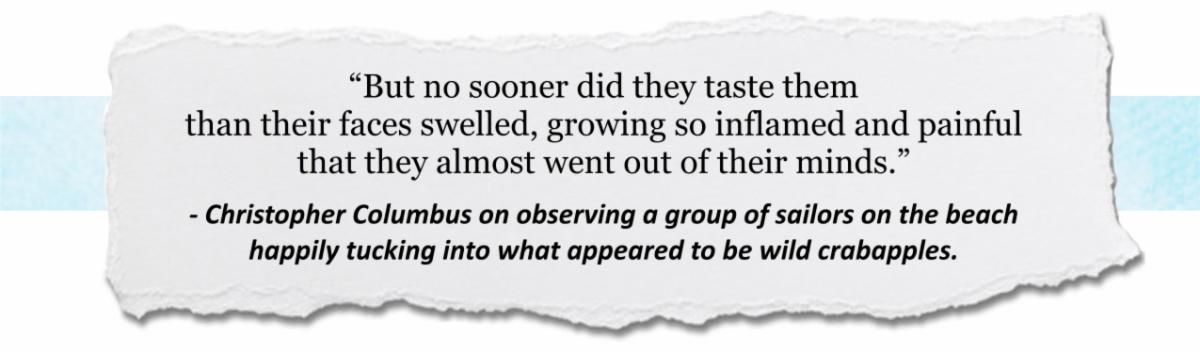
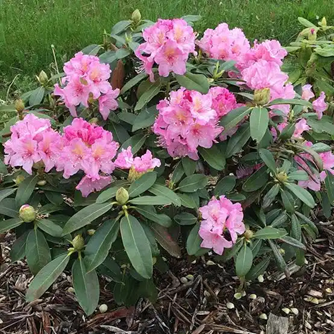
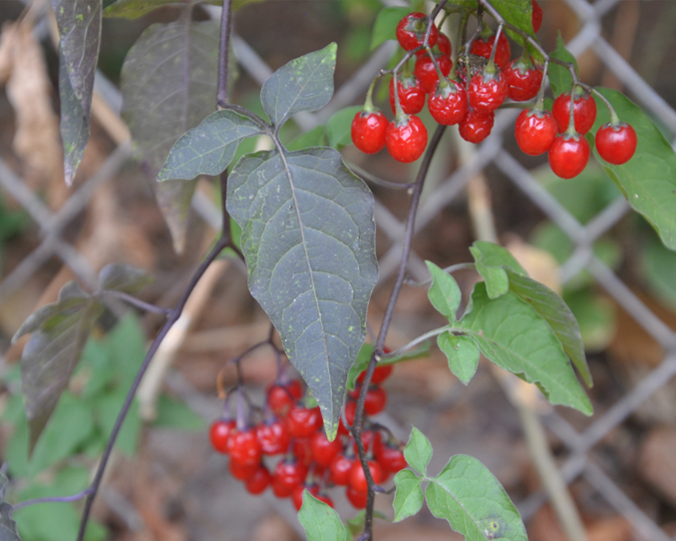
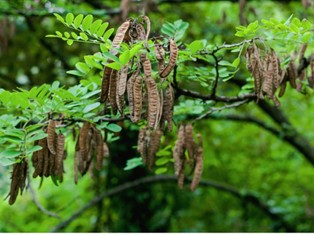
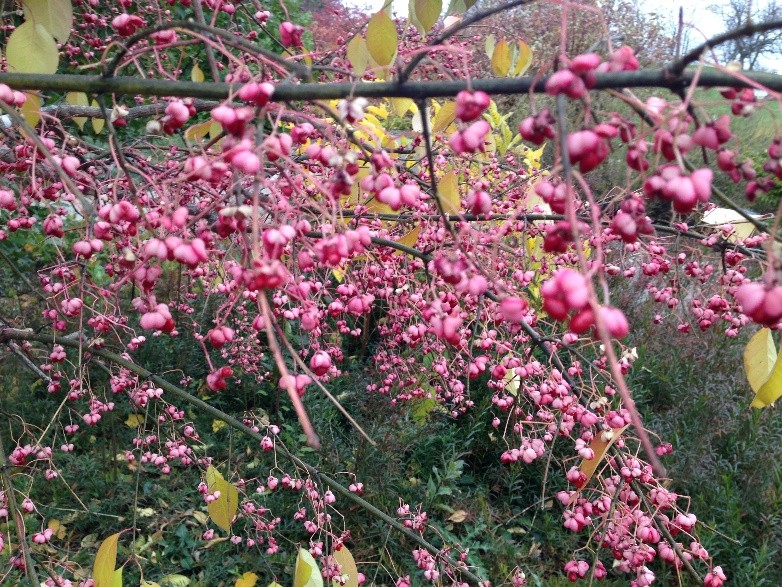
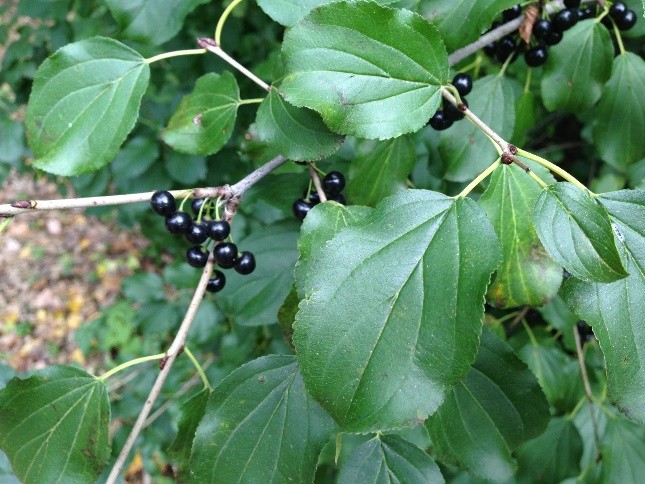
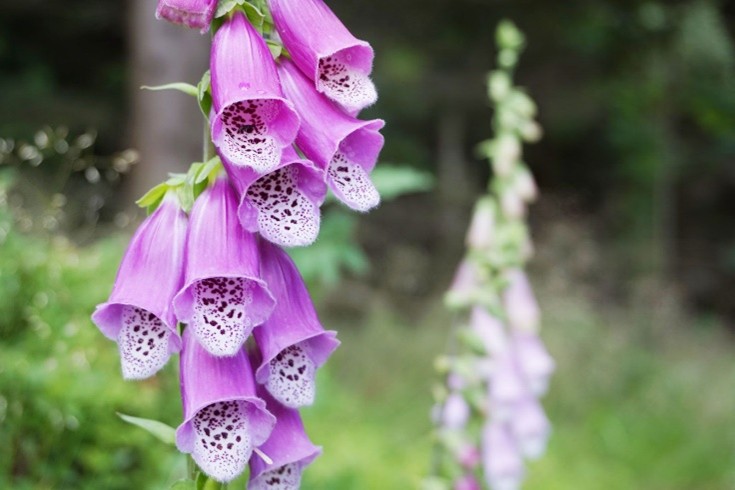
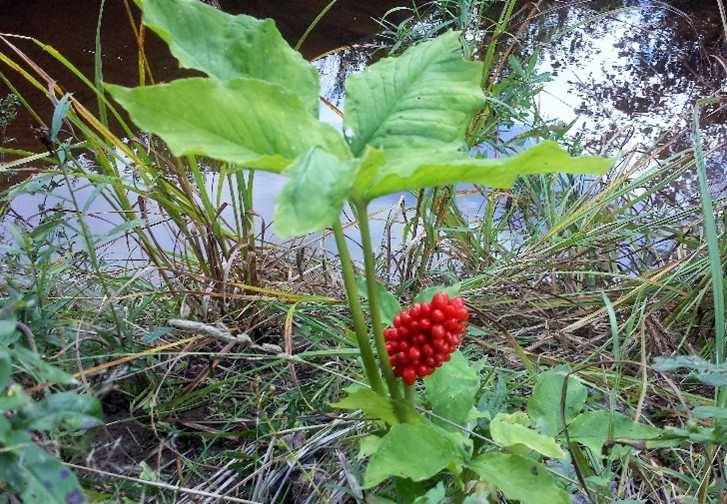
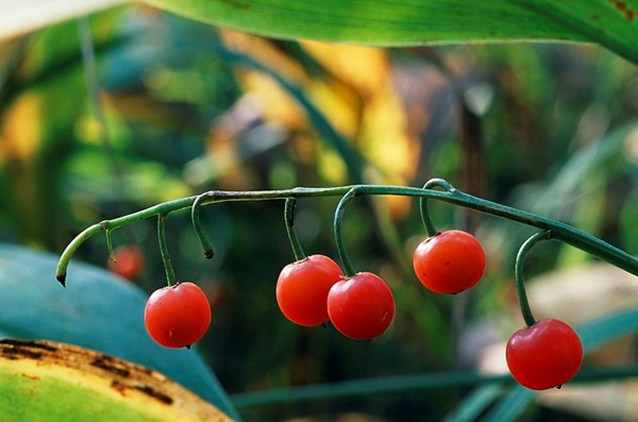
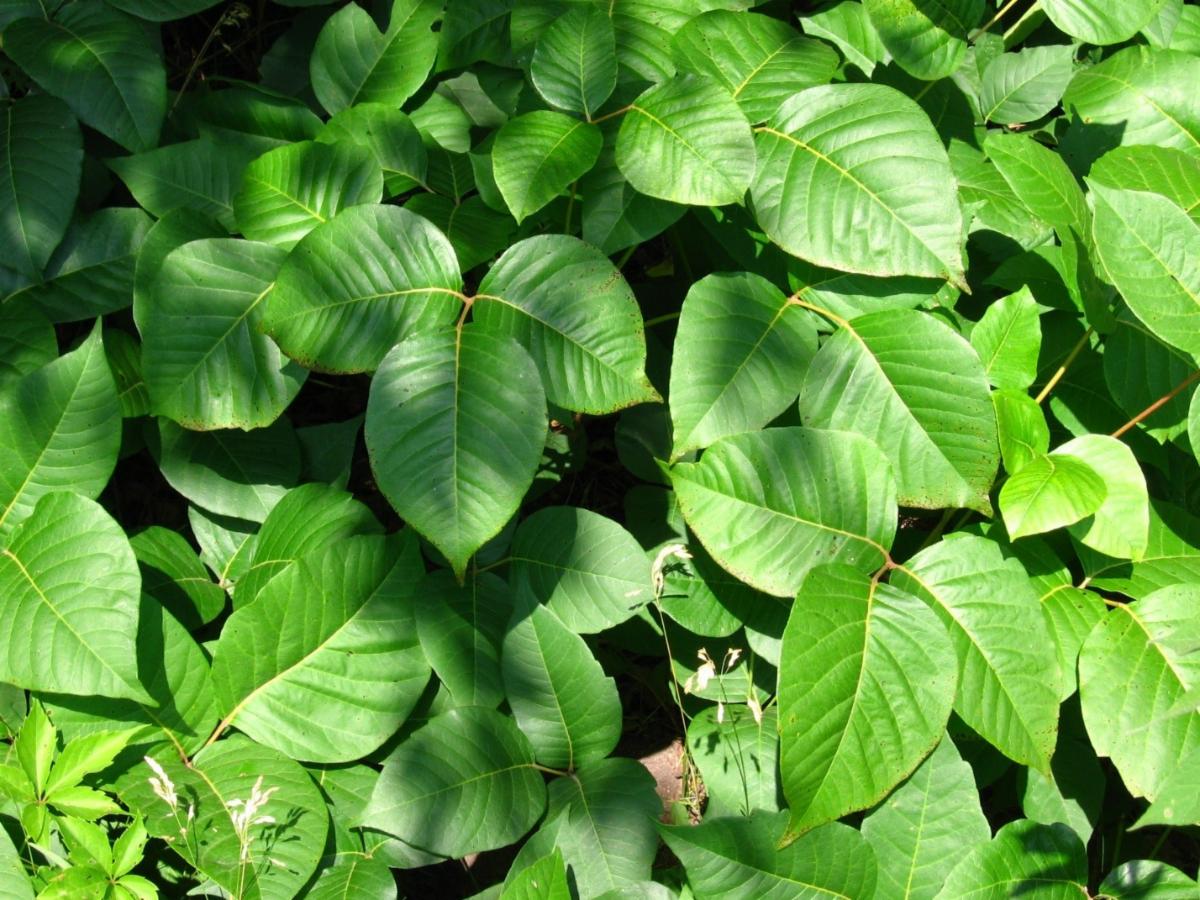
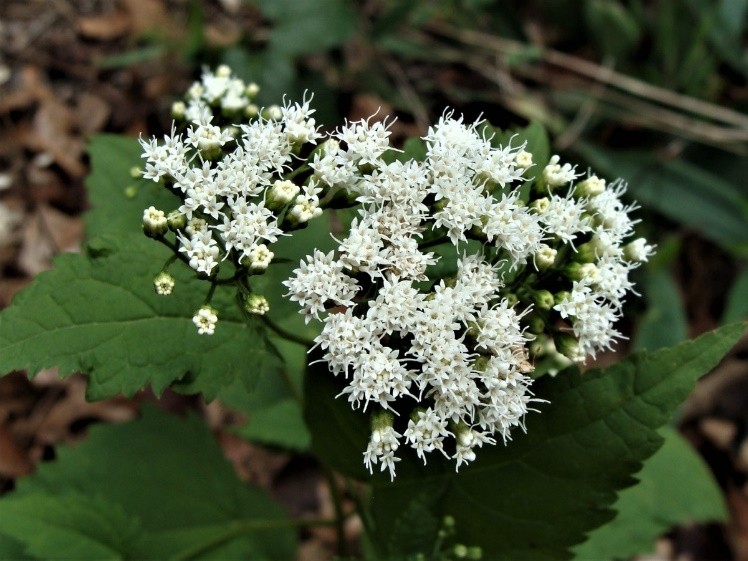
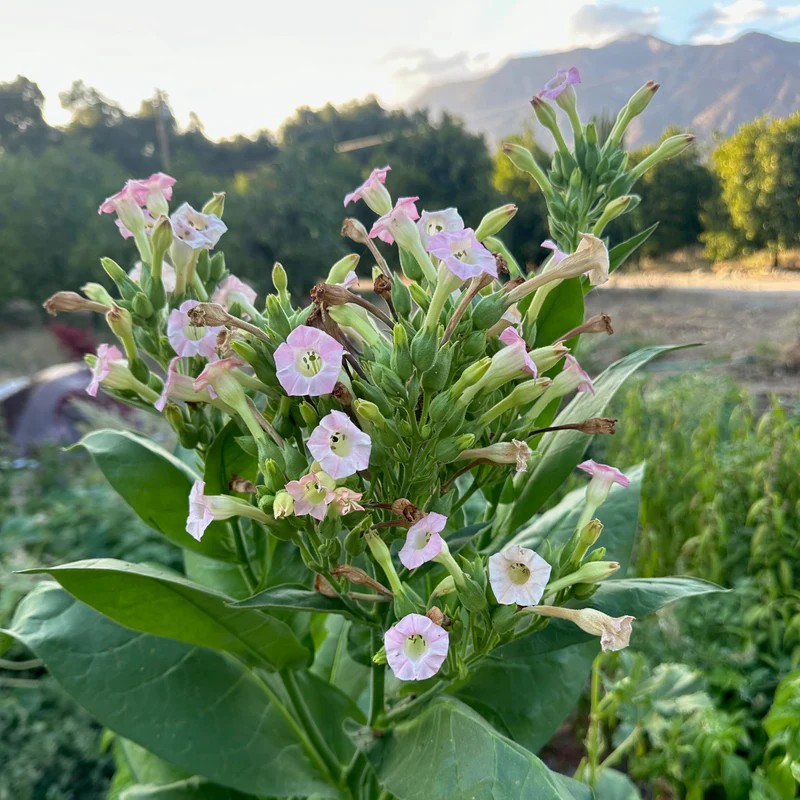
| | Azalea/Rhododendron Leaves are particularly dangerous; swallowing three or more leaves is cause for concern. These evergreen ornamental shrubs are extremely popular in landscapes. They feature large, stunning round clusters of flowers in pink, orange, red, white, and lavender. The plant contains andromedotoxins which cause pain, nausea, paralysis, and sometimes death. All parts of the plant are deadly. Even honey from this plant can be toxic. | | Bittersweet Nightshade (Solanum dulcamara) All parts of the plant are toxic to mammals, including humans, yet white-tailed deer have been known to eat the ripe fruit without harm. If handled, the plant may cause skin irritation, particularly if it contacts broken skin. The most toxic part of the plant is the unripe fruit (berries), which become less toxic as they ripen. Foliage is bitter and unpalatable. | | Black Locust (Robinia pseudoacacia) Fruit (seed pods) of the tree is are generally considered toxic, while its flowers are the only widely recognized edible part, tasting like sweet peas and are used in salads or can be fried. The seeds inside the pods are tiny and not worth gathering, and the leaves, bark, and pods themselves contain poisonous compounds. | | Burning Bush (Euonymus) Fruits are toxic and can cause vomiting, diarrhea, and weakness. Even though birds eat the colorful seeds, they should never be consumed by people, despite its attractive appearance. All parts of the plant, including leaves, fruits, and seeds, contain toxins, and ingesting them can lead to severe symptoms. | | Common buckthorn (Rhamnus cathartica) berries are not safe for humans to eat, causing nausea, cramps, and severe diarrhea, acting as a strong laxative, though birds eat them readily. | | Foxglove (Digitalis purpurea) All parts of the plant, including the leaves, flowers, stems and seeds, are highly toxic, with upper leaves of the stem being more toxic than the lower leaves. The primary toxins are the plant steroids digitoxin and digoxin, both of which affect the human heart. Eating this plant can be fatal at any time, but it is most toxic just before the seeds ripen. Although two to three dried leaves may be fatal if ingested, death is rare due to the bitter taste of the leaves, which usually deters people from consuming it. | | Jack in the Pulpit (Arisaema triphyllum) All parts of the plant are toxic. Jack-in-the Pulpit contains insoluble calcium oxalate in the form of crystals. These microscopic, sharp crystals, known as raphides, create small lesions or cuts in skin and mucous membranes resulting in burning and intense pain, inflammation, nausea and vomiting. | Lily of the Valley (Convallaria majalis) All parts of the plant are toxic, particularly the leaves. Water in which the cut flowers have been kept is also toxic. Though the water may yield enough toxin to be deadly, a “tea” made by boiling the leaves, would certainly contain even more of the toxin and would be a more effective poison. | Poison Ivy/Oak/Sumac Every part of the plant contains urushiol, a toxic, oily compound with allergenic properties. Contact with leaves or leaflets, roots, stems or vines, berries, any and all parts of the plant at any time of the year, can cause an allergic reaction. Burning this plant can also be dangerous as the smoke may cause eye and lung irritations. | White Snakeroot (Ageratina altissima) All parts of the plant are toxic. White Snakeroot contains a toxin called tremetol, which causes “trembles” in livestock and “milk sickness” in humans. There are cases of toxicity in humans who drank the milk from cows that had consumed large quantities of white snakeroot. There was an epidemic of “milk sickness” in the 1800s which occurred in settlers who ate meat or dairy products from livestock that had eaten the plant. Abraham Lincoln’s mother reputedly died of “milk sickness,” in October 1818, at the age of 34, two weeks after becoming sick. | | Tobacco (Nicotiana tabacum) The most widely grown commercial non-food plant in the world. All parts of the plant, especially its leaves, contain the toxic alkaloids nicotine and anabasine, and can be fatal if eaten. Despite its designation as a cardiac poison, nicotine from tobacco is widely consumed around the world and is both psychoactive and addictive. Tobacco use causes more than 8 million deaths per year, making it perhaps the deadliest plant in the world. | | |
Ingredients
½ pound rhubarb, thinly sliced (2 cups)5 tablespoons honey, more to taste
1½cups Greek yogurt
2 cups ice cubes
Rosewater, to taste
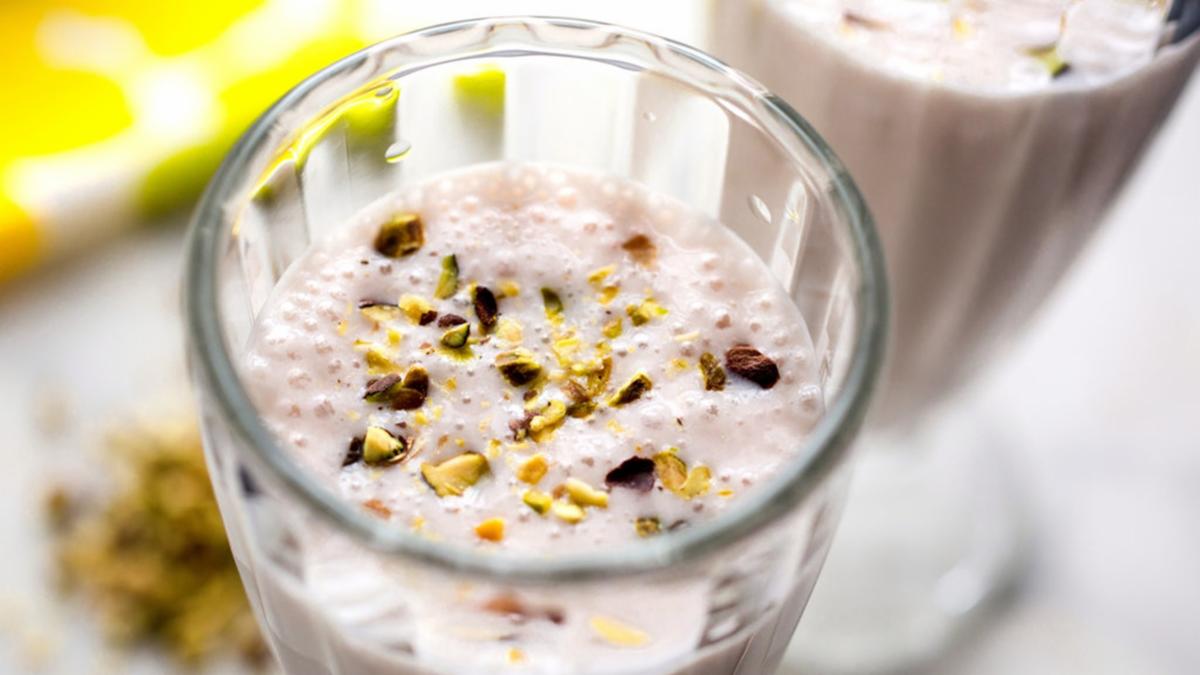
Finely chopped pistachios, for garnish
Instructions:
Stir together rhubarb, honey and 2 tablespoons water in a medium saucepan. Bring to a simmer and cook, stirring often, for 6 to 8 minutes, until rhubarb has melted and become jam-like. Let cool. (Rhubarb can be made up to a week ahead and refrigerated.)
Add rhubarb compote, yogurt, ice cubes and a few dashes of rosewater to blender. Blend until smooth. Taste and add more honey and rosewater, if desired. Pour into two glasses and garnish with pistachios.
| | |
Thanks for Reading
and Happy Planting!
|
Faith
Faith Appelquist
President & Founder
| | | | | |