27 June 2023

Big climate challenges call for big-picture thinking... but as always the devil is in the details. Money, leadership, equity, and legalities are the linchpins of this month’s stories.

Updated Doctrine on Tidelines

A little-known tenet of California law may play a key role in preserving the state’s beaches—and the public’s access to them—as sea levels rise. It may also encourage retreat from rising waters rather than attempts to hold them off. The public trust doctrine holds that certain lands, including tidelands, are held in trust by the state for the benefit of the public. On May 10, the state Coastal Commission unanimously adopted new guiding principles providing direction for how the powerful agency should make public trust decisions related to coastal tidelines and climate change. “In a lot of places, the public trust boundary will move landward,” says the Commission's Awbrey Yost. Art: Nicolas Coley


Keep Reading

F I G H T or

F L I G H T?

Pecans not Peanuts: Crunching the Numbers

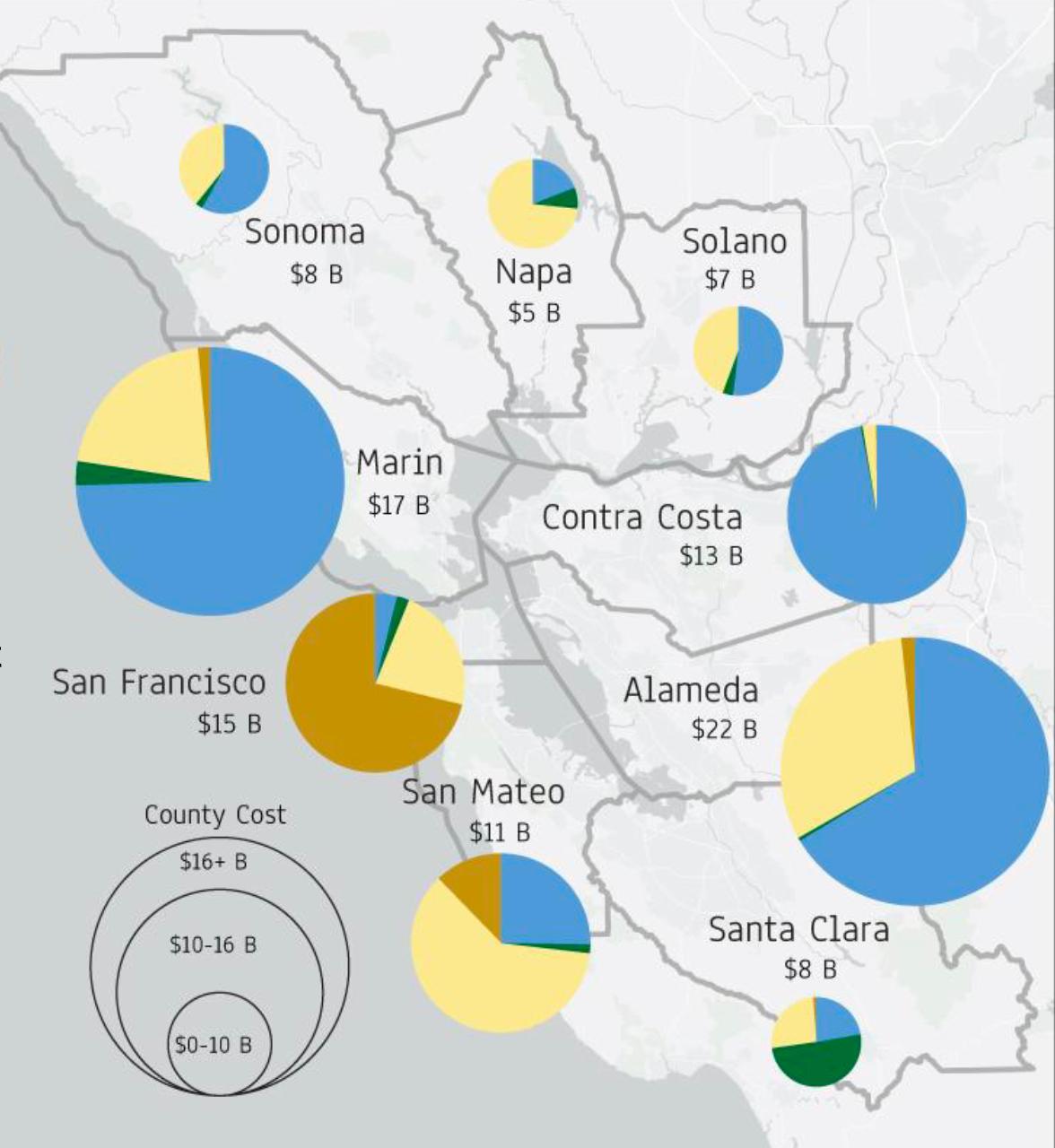
In April regional agencies made splashy headlines when they released the results of a joint study on the likely cost of protecting Bay Area shores from rising seas. But the eye-popping top-line number—approximately $110 billion—didn’t offer much insight into the practical and financial complexities of the challenge facing the region. A new inventory of adaptation projects from the same agencies, along with a linked interactive map, are much more revealing. KneeDeep explores the big picture and delves into the details, county by county. One thing is clear: there is not only a shortfall in the bank balance but also in regional leadership. Chart Source: BCDC & MTC/ABAG


Keep Reading

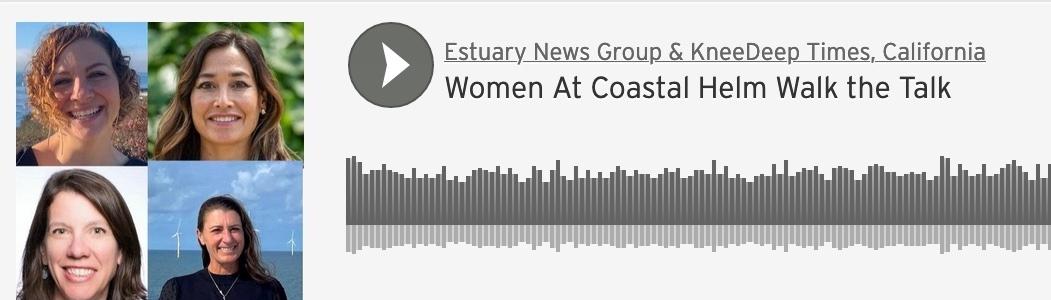
Women At Coastal Helm Walk the Talk


A record number of women are leading state efforts to help build resiliency along California’s coasts. In this podcast episode, host Ashleigh Papp interviews four agency leaders about climate change and sea level rise, as well as about the state’s commitment to equity, breaking through glass ceilings, and why it's important to bring one's whole self to work. Interviewees include: Amy Hutzel, California Coastal Conservancy; Jenn Eckerle, Ocean Protection Council; Jennifer Lucchesi, State Lands Commission; and Noaki Schwartz, Deputy for Equity and Environmental Justice for the California Natural Resources Agency.

H E A R T S &

M I N D S

Riding the Bus as Climate Bliss?


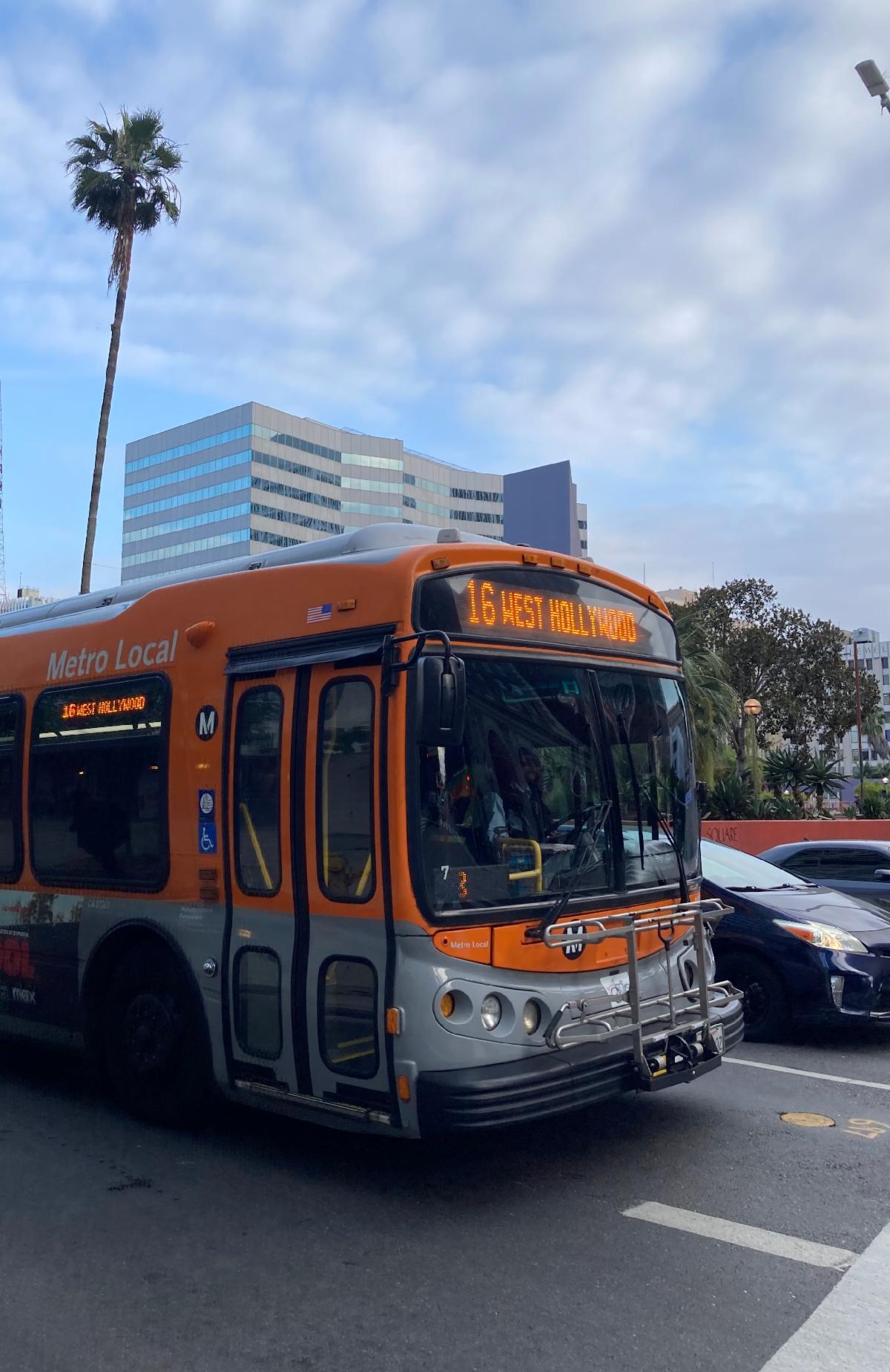
You’re on the bus. It’s your evening commute. The bus is almost full. Soft waves of chatter wash over you as you watch the blurred lights of storefronts pass by... Recently, researchers studied the effects of commuting on workers and found that it could be a positive experience. But it wasn’t driving that made people feel better. It was the liminal space between work and home. As more of a bike and train person myself, I decided to explore the idea that people might take the bus instead of driving just because they enjoyed it. Photo: Maylin Tu


Keep Reading

 C H A T T E R 

Please tell your friends, colleagues, staff, students, and neighbors about KneeDeep. We want to share their stories too!

Follow us on your favorite platforms, and share KneeDeep Times with friends!
Facebook  Twitter  Instagram  

KneeDeep Times shares stories from the frontlines of climate change resilience and adaptation action.

All stories are available for republication free of charge. See our guidelines.


Views expressed are independent of all funders and collaborators.


Managing Editor: Ariel Rubissow Okamoto

Assistant Editor: Meg Duff

Editorial Fellows: Isabella Eclipse, Jasmine Hardy, Justin Lai

Published by Estuary News Group, San Francisco, California


Send us your story ideas and subscribe us to your newsletter lists

news-team@kneedeeptimes.org

Sign Me Up for KneeDeep Times