Greetings!


The McCance Center is bustling with activity as we make our way toward spring! We are beginning to screen participants for our first clinical trial, testing combinations of natural products targeting amyloid and neuroinflammation, and we look forward to obtaining our first results. These biomarker-based clinical trials are aimed at people with signs of seeding AD-related pathology, including those with mild cognitive impairment.


Additionally, the McCance Center team is embarking on research to deepen the understanding of nutrition’s role in brain health. The McCance Center’s Brain Nutrition Laboratory, led by the McCance Center Clinical Trials Director Gene Bowman, ND, MPH, focuses on developing objective tools to identify and modify “nutritional risk” for cognitive decline and dementia, including AD, and formally testing targeted nutritional interventions to promote brain health and prevent cognitive decline with aging. 


It’s a time of great advancement and innovation in brain health, and we look forward to keeping you updated with highlights in the months to come. 


Best Wishes,

Rudy Tanzi, PhD

Director 

McCance Center Staffing Expands 


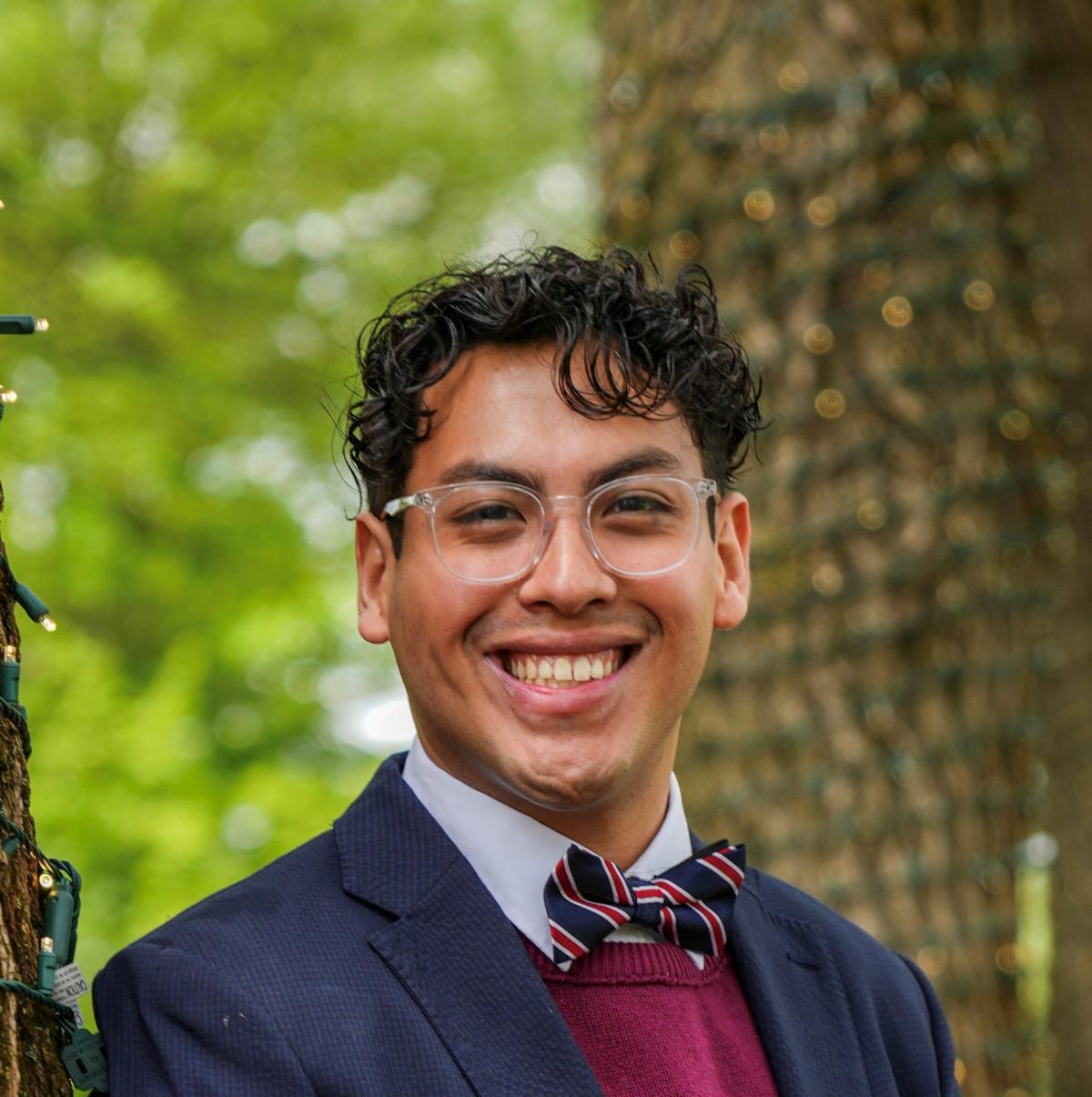
Recently, the McCance Center hired three new team members to help us accomplish our goals. We welcomed Jorge Parada-Cisneros to the team as a Clinical Research Coordinator. Bilingual in Spanish and English, Jorge will work with participants in our Natural Product Combination 1 (NPC1) trial.


We also brought on Brianna Wang as a Clinical Research Project Manager II. Brianna will provide project and operational management for our clinical research studies. She previously worked as a Clinical Trials Specialist at BIDMC.


The team also enlisted Sakura Ohshima King as Senior Administrative Assistant. No stranger to Mass General Brigham, Sakura previously worked with the Chief Medical Officer, supporting several physician executives for Medical Affairs. 


The Center is now hiring for a Clinical Research Coordinator (CRC). The CRC will coordinate with the lead Investigator and study team, serve as a liaison between participants and clinical research study staff and investigators and be a resource for participants and their care partners. Learn more about this opportunity here. 


This additional staff support will be critical as the Center begins enrolling its target population for the NPC1 trial as part of our Pre-AD Initiative (Prediction and Prevention of Alzheimer’s Disease).

Jorge Parada-Cisneros

Brianna Wang

The Pre-AD Initiative will accelerate the development of safe and affordable drugs for early detection and early intervention in AD. NPC1, the first Pre-AD Clinical Trial, is a single-arm open-label trial using a 6-month regimen of two natural products and will evaluate the impact on microglial function and AD blood-based biomarkers. It will also provide valuable information and experience that will inform future trials. Learn more here.

Seminar Series Lineup 


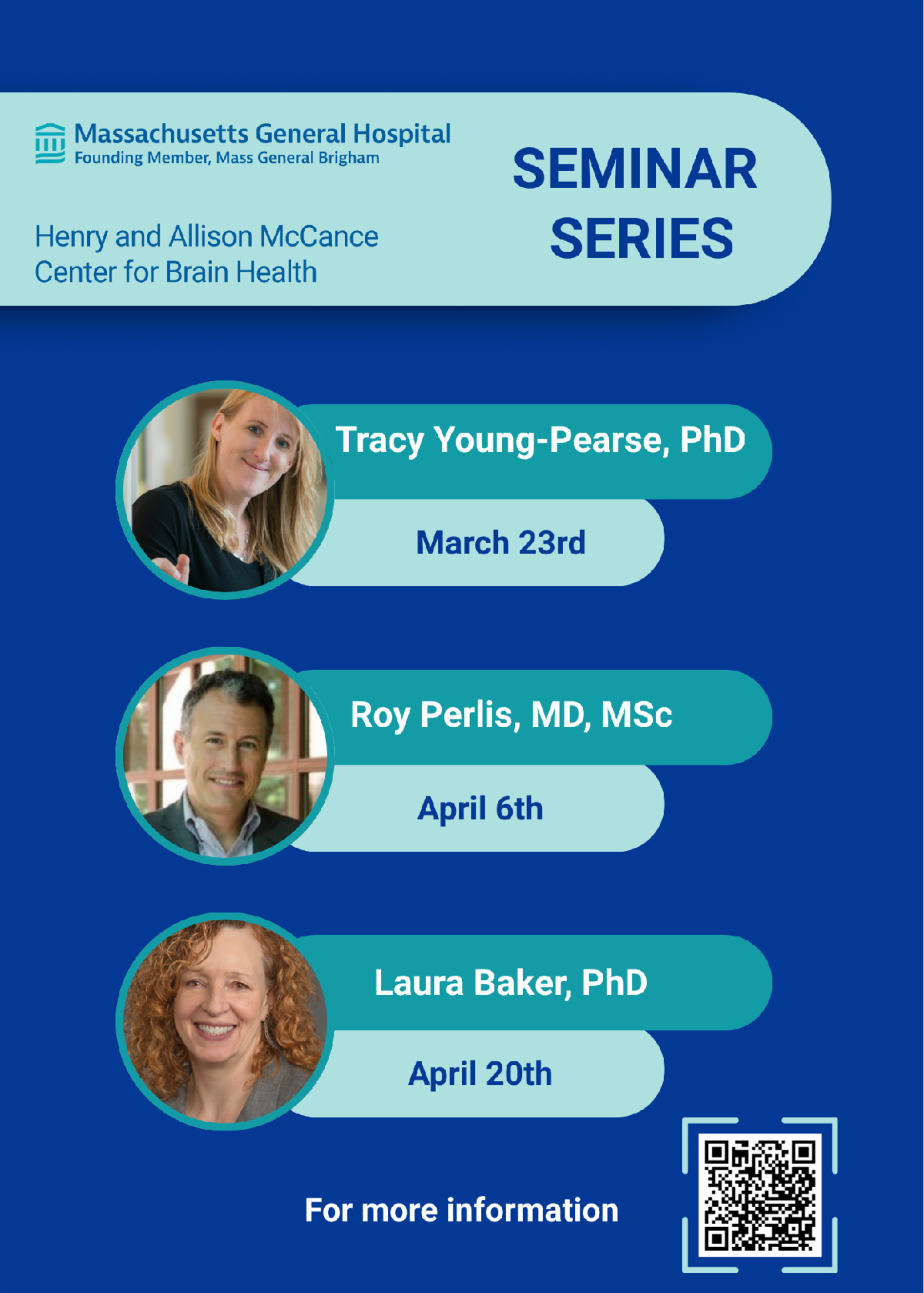
Our 2026 Seminar Series features an impressive list of speakers and topics. Next up is Tracy Young-Pearse, PhD, on March 23rd at 11 am EST.  She will present, "Dissecting the functional consequences of Alzheimer’s disease-associated genetic variation in microglia."  


This series brings together scientists and clinicians from across Mass General Brigham as well as outside organizations to share and explore radically new approaches to preventing brain disease and promoting brain health across the lifespan. Continuing education credit is offered for physicians and nurses. 


For more information or to register to attend, click here. 


Fellowship Award


Congratulations to McCance Center-affiliated fellow Dominika Pilat, Ph.D., on receiving a highly prestigious Warren Alpert Distinguished Scholar Fellowship. Dr. Pilat’s funded project focuses on understanding how Alzheimer’s disease-associated mutations in the TREM2 gene dysregulate neuroinflammation, lipid and energy metabolism, and microglial senescence in iPSC-derived human microglia and mouse models of Alzheimer's disease, to identify novel therapeutic targets.

Sleep Science Highlights 


In March, we recognize both World Sleep Day and Brain Awareness Week. That seems like the perfect opportunity to highlight the importance of sleep for brain health. 


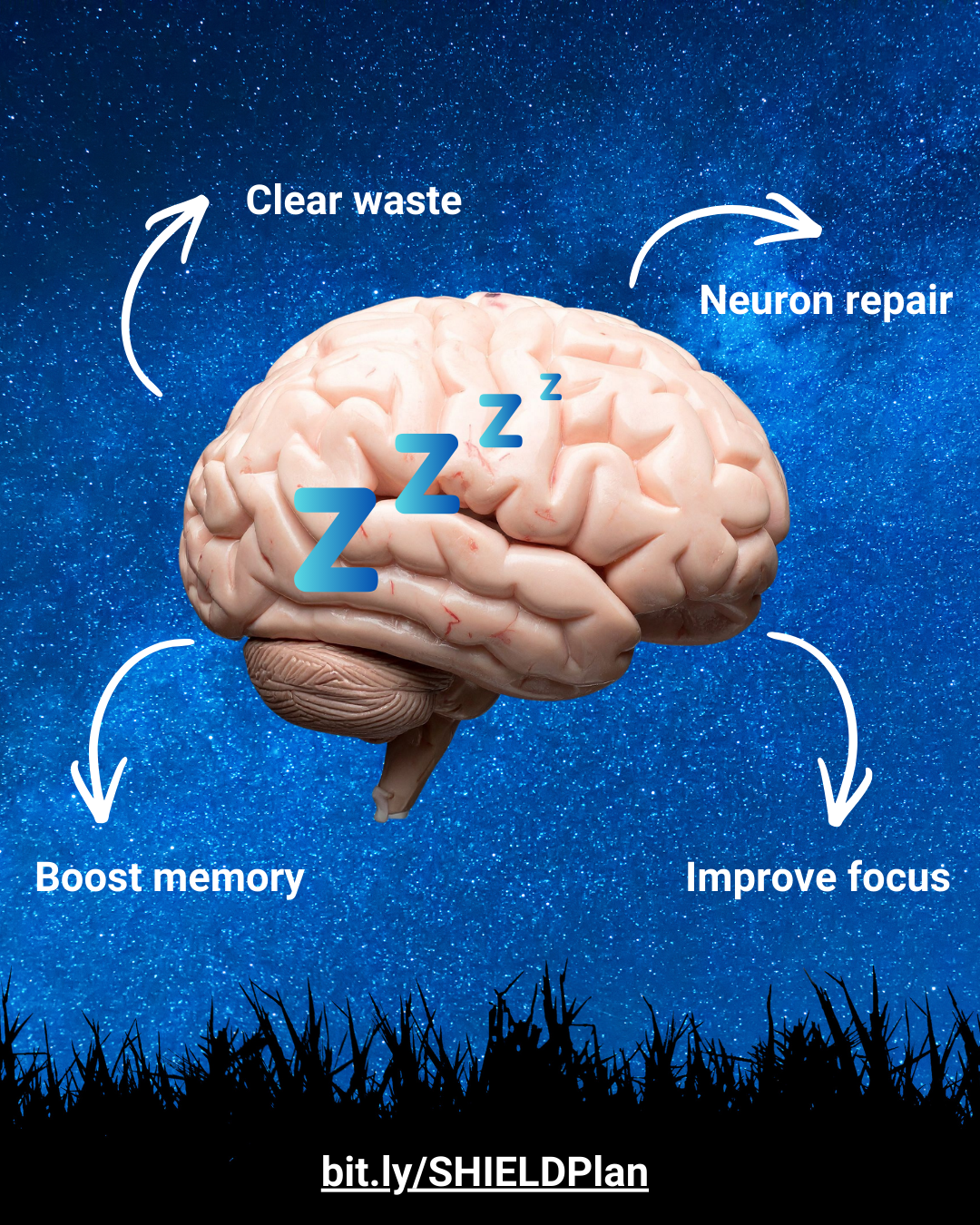
While we sleep, our brains are busy housekeeping – clearing out toxic wastes that may have accumulated during the day. This includes substances such as beta-amyloid protein, which can damage nerve cells, leading to cognitive decline.


Sleep allows our neurons to repair themselves, which improves learning and memory. Getting enough sleep also improves mental health since it helps us better handle stress and reduces the risk of depression and anxiety. 


For more brain health tips, check out the SHIELD Method developed by McCance Center Director, Dr. Rudy Tanzi, here. 


Follow us on social media for the latest news

on our clinical programs and research initiatives.

Linkedin  Youtube  Instagram  Facebook  X  Web

If you would like to learn more about how you can support

the McCance Center for Brain Health, please contact Michael Johnson

at mjohnson107@mgh.harvard.edu or 617-643-9989.