Auburn Theological Seminary Announces Inaugral Class of Barbara Wheeler Fellows

New York, NY – July 24, 2025 – Auburn Theological Seminary is proud to announce the launch of the Barbara Wheeler Fellowship program, honoring the legacy of Barbara G. Wheeler—Auburn’s first woman president (1979–2009), a pioneering leader in theological education, and founder of Auburn’s Center for the Study of Theological Education.


Established within Auburn’s Center for the Study of Theological Education—permanently endowed in 2007 with support from Lilly Endowment Inc.—the Barbara Wheeler Fellowship continues Auburn’s long-standing commitment to rigorous and relevant research in theological education Through this fellowship, emerging scholars will explore critical issues within the field across the Association of Theological Schools (ATS) accredited institutions.


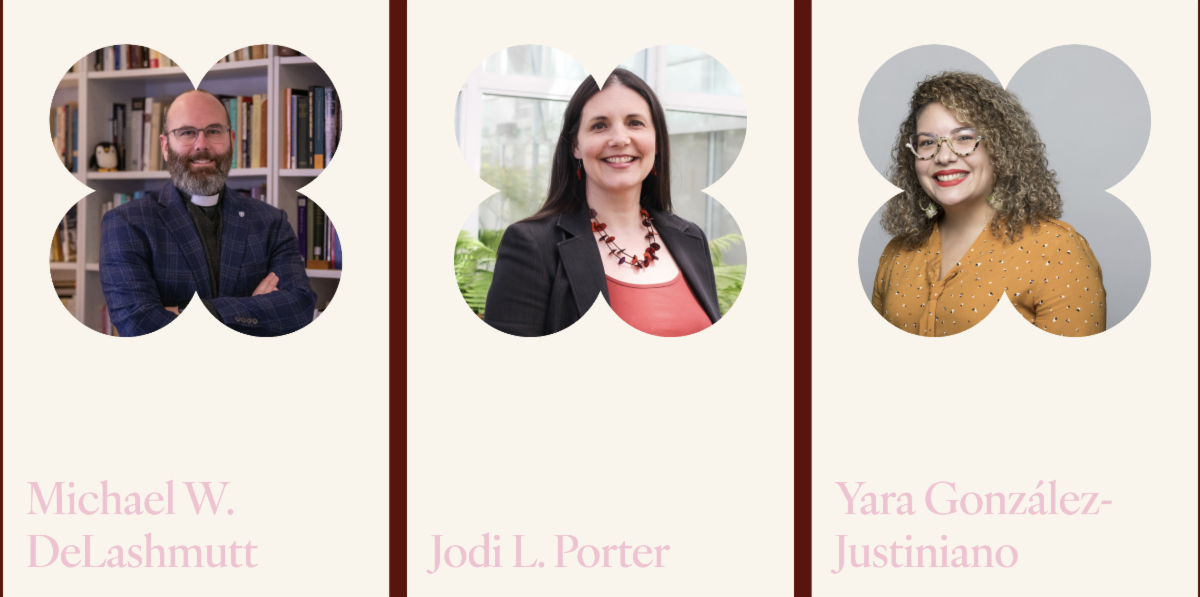
2025–2026 Barbara Wheeler Fellows

  • The Very Rev. Dr. Michael W. DeLashmutt, Senior Vice President, General Theological Seminary; Dean of the Chapel of the Good Shepherd. His study is titled "Executive Turnover in Theological Education: 'I loved the work but it was killing me.'" You can read the full study here. Dr. DeLashmutt brings extensive seminary leadership experience from both sides of the Atlantic, including his time as acting Dean & President of General Theological Seminary.
  • Dr. Jodi L. Porter, Director of Education for Ministry Innovation, Acadia Divinity College. Her study will focus on "Contextualizing Pedagogies and Practical Examples Emerging from ATS Member Schools." Dr. Porter co-leads the ADC Futuring Lab and contributes to theological innovation projects across schools.
  • Rev. Dr. Yara González‑Justiniano, Assistant Professor of Religion, Psychology, and Culture, Vanderbilt University. Her study will focus on "Hoping and Future Casting in Theological Higher Education’s Discourse and Practice in the U.S. and Canada." A practical theologian grounded in ethnography, Rev. Dr. González‑Justiniano investigates hope amidst systemic challenges. Her first book titled Centering Hope as a Sustainable Decolonial Practice: Esperanza en Práctica (2024) explored a theology of hope through ecclesial practices.


Auburn’s Dean, Rev. Patrick B. Reyes, Ph.D., says of this class of Fellows: “These fellows embody Barbara Wheeler’s vision of how research can inform leaders across theological institutions. From leadership to shepherding change with hope, these fellows and their studies will provide a firm foundation for leaders in theological education."


About Barbara G. Wheeler

Barbara G. Wheeler led Auburn Theological Seminary for 30 years (1979–2009), making history as the first woman president and establishing Auburn Studies along with the Center for the Study of Theological Education in 1991. She authored influential research on student debt, faculty trends, governance, and educational innovation—shaping theological education nationally.


About Auburn

Founded in 1818 and now based in New York City, Auburn is dedicated to strengthening faith-rooted leaders to pursue justice, bridge divides, and heal communities. The Barbara Wheeler Fellows join Auburn’s scholarly legacy, marked by Auburn Studies reports and their practical applications.


Looking Ahead

The inaugural Wheeler Fellows will present their research through Auburn-hosted webinars, consultations, and publications—continuing President Wheeler’s mission to equip theological leaders with insightful, data-driven tools for reform and healing.


For more information, including fellowship timelines and upcoming events, visit the Auburn Seminary website or contact Dean Reyes at preyes@auburnseminary.org.


Auburn Theological Seminary | Lead with love.

Webinar on Executive Turnover

Watch the presentation by Auburn Theological Seminary's President and Dean about Executive Leadership and the implications of Dr. DeLashmutt's study. The seminar was co-sponsored with the Association of Theological Schools and InTrust Center for Theological Schools.

What We Are Reading

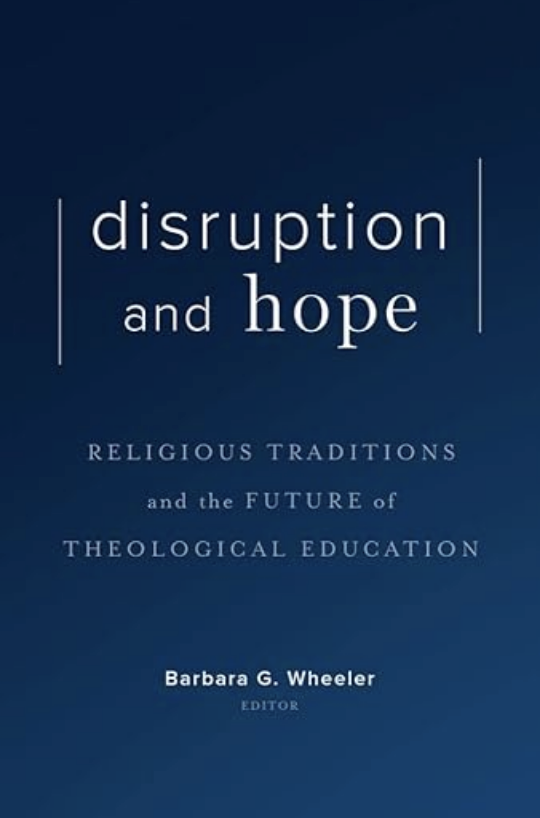
During times of rapid social and religious change, leadership rooted in tradition and committed to the future is the foundation upon which theological schools stand. Theological education owes itself to countless predecessors who paved the way for a thriving academic culture that holds together faith and learning. Daniel O. Aleshire is one of these forerunners who devoted his career to educating future generations through institutional reforms. In honor of Aleshire’s decades of leadership over the Association of Theological Schools, the essays in this book propose methods for schools of various denominational backgrounds to restructure the form and content of their programs by resourcing their own distinctive Christian heritages.


Four essayists, former seminary presidents, explore the ideas, doctrines, and ways of life in their schools’ traditions to identify the essential characteristics that will carry their institutions into the future. Additionally, two academic leaders focus on the contributions and challenges for Christian schools presented by non-Christian traditions in a rapidly pluralizing landscape. Together, these six essays offer a pattern of authentic, innovative movement for theological institutions to take toward revitalization as they face new trials and possibilities with faithfulness and hope. This volume concludes with closing words by the honoree himself, offering ways to learn from and grow through Aleshire’s legacy.

Where is the hope? What does it look like? Is the Christian church providing a hope that materializes in the grounding of people’s thriving? These questions posed the catalysts of this work where the author sets up a journey that parses the definition of hope within Christian theology as an ontological category of the human experience.


Through ethnographic research and ecclesial study of diverse congregations in Puerto Rico the work moves from an articulation of context, hope, practice, and future to reveal its aim of liberation through a hope that can be sustainable in time and space. She analyzes the operations of political systems that suppress hope in the island. Weaving the theme of a theology of hope, with the fields of ecclesiology, memory studies, postcolonial and decolonial theory, liberation theology, and the study of social movements she builds a model that puts hope at the center of socio-economic practices and moves toward a recipe for a hope that is sustainable in practice.

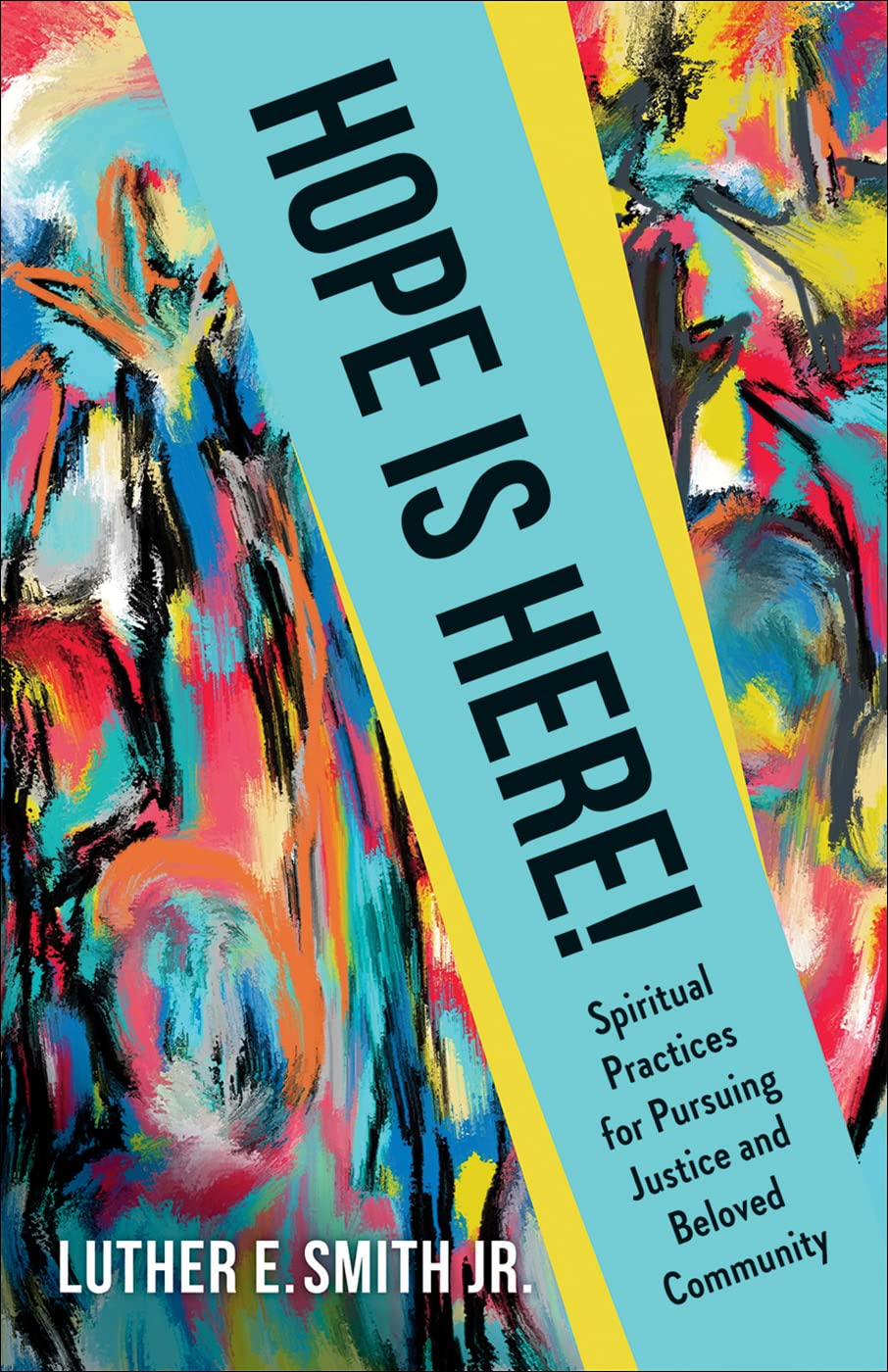
Joyful and daunting opportunities to live into God’s dream of justice and beloved community are compelling and available. Hope, says Luther Smith Jr., is essential to the needed personal and social transformations that prepare us for such sacred opportunities. Yet genuine hope is often confused as merely wish fulfillment, optimism, or perceiving better tomorrows. In Hope Is Here! Smith describes how we truly perceive and join “the work of hope,” enlivening us to a life that is oriented toward immediate and future experiences of personal fulfillment, justice, and beloved community. Interpreting five spiritual practices for individuals and congregations to experience the power of hope, this book prepares us to engage racism, mass incarceration, environmental crises, divisive politics, and indifference that imperil justice and beloved community.


It delivers the inner resources necessary to work for change through its interpretation of hope. Additionally, each chapter ends with questions that prompt readers to examine their experiences and their readiness to journey with hope. Written for Christians who want to commit themselves to justice and beloved community, this book will provide helpful guidance for a life sustained by God’s gifts of hope and love. Hope is here for our “responsibility” and “response-ability” to live the fulfilling life that God dreams for us.

X Share This Email
LinkedIn Share This Email
Facebook  Instagram  LinkedIn  YouTube