Can't see the full newsletter? Please accept images and add Lawson LEADS (lawsonresearch-sjhc.london.on.ca@shared1.ccsend.com) to your safe list. | | Lawson developed 'poop pills' show fecal transplants can prevent side effects in kidney and cancer patients | | |
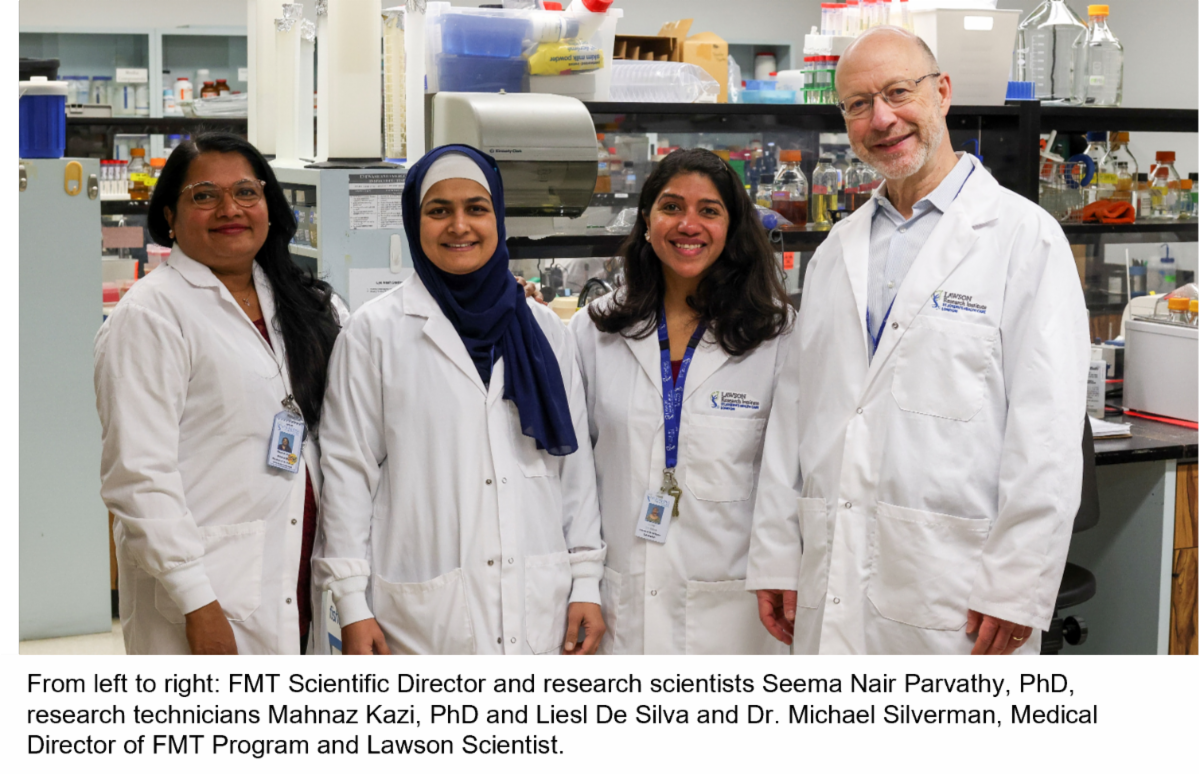
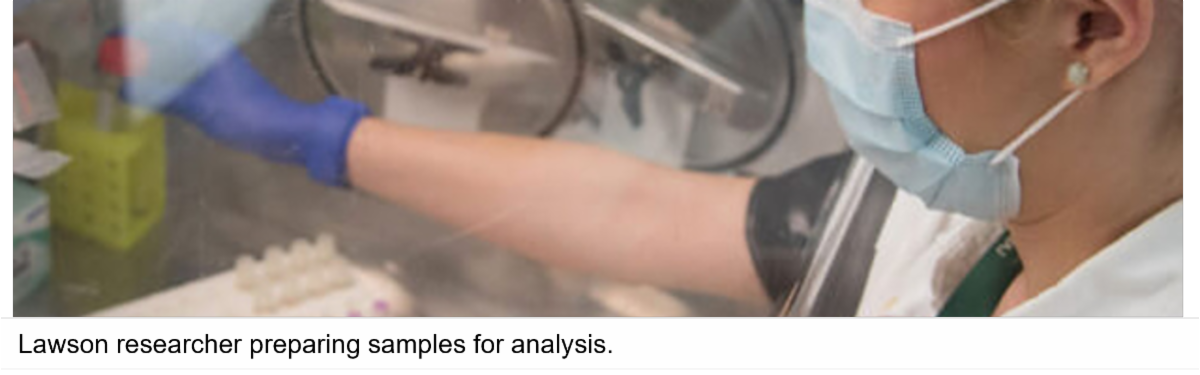
The fecal microbiota transplant (FMT) team at Lawson Research Institute (Lawson) of St. Joseph’s Health Care London (St. Joseph’s) leads the world in the production of “poop pills” LND101 and in research partnerships that improve patient health. Two clinical trials featuring these ‘poop pills’ show that fecal transplants can prevent side effects during kidney cancer treatment and dramatically improve outcomes for people with advanced lung and skin cancers. These groundbreaking studies, published in Nature Medicine, represent a giant step forward in using Fecal Microbiota Transplantation (FMT) for safe, effective and highly individualized cancer treatment.
These trials, one at London Health Sciences Centre Research Institute and the other at Centre de recherche du Centre hospitalier de l’Université de Montréal (CRCHUM), were conducted in partnership with St. Joseph’s Lawson Research Institute and used LND101 ‘poop pills’ to boost patients’ response to immunotherapy medications. According to Dr. Michael Silverman, Scientist at Lawson and Director of the FMT Program and St. Joseph’s Infectious Diseases Care Program, “These clinical trials, along with others that are ongoing, reinforce London’s role as a global epicenter of FMT innovation and treatment.” The benefits of ‘poop pills’ may extend to treating kidney cancer, lung cancer and melanoma. For more information or if you’re interested in becoming a donor, check out our website or watch the featured video. Stay updated by following St. Joseph’s on Instagram, LinkedIn, or Facebook.
| | Using bacteriophages to combat urinary tract infections | | |
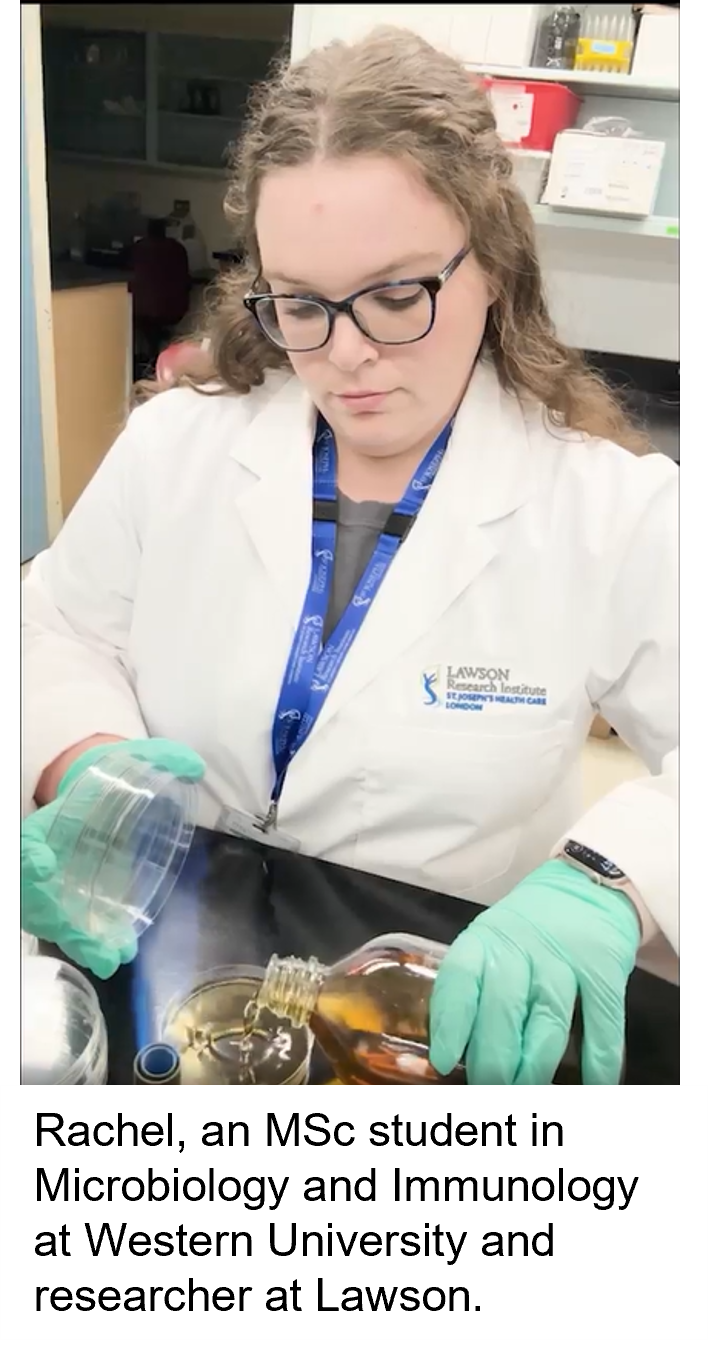
Meet Rachel, an MSc student in Microbiology and Immunology at Western University and researcher at Lawson in the Burton and Goldhawk labs. Her research focuses on using bacteriophages, viruses that target bacteria, to prevent and treat recurrent urinary tract infections (UTIs) by stopping E. coli before it reaches the urinary tract and noninvasive imaging to track bacteriophage movement. Discover how Rachel’s dedication is shaping the future of infection control. Click on the LinkedIn post to learn more and share this research with your network.
| | MP Holman visits Molecular Imaging and Theranostics and the Cyclotron facility | | |
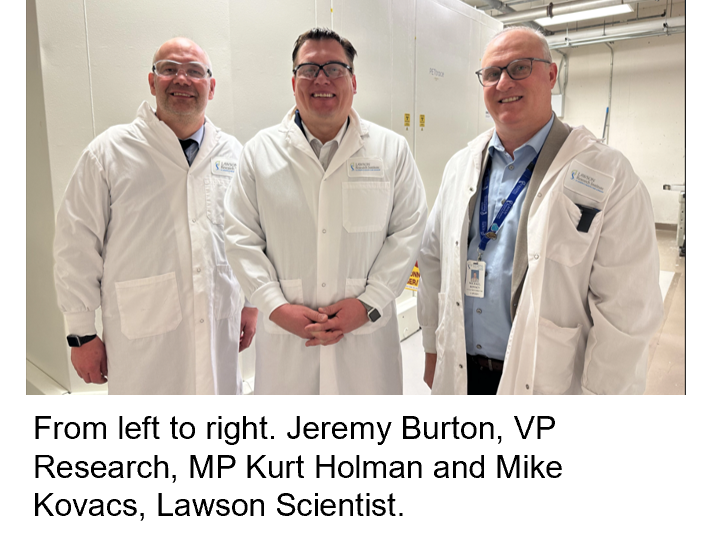
St. Joseph’s recently welcomed London-Fanshawe MP Kurt Holman for a tour of its Molecular Imaging and Theranostics and Cyclotron facility. The visit offered MP Holman valuable insight into the research being conducted at St. Joseph’s and its connection to patient care. The tour highlighted St. Joseph’s leadership in advanced imaging and research and discussion for future investments. You can read about this visit on the St. Joseph’s intranet.
| | Physical Medicine and Rehabilitation Residents’ Research Day | | |
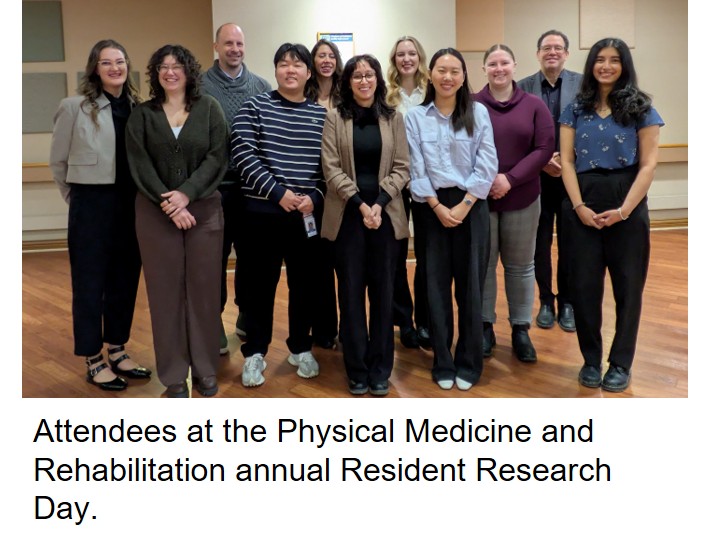
On Jan. 19, Physical Medicine and Rehabilitation (PM&R) hosted its annual Resident Research Day at Parkwood Institute, spotlighting innovative resident research and quality improvement initiatives. The event featured the Teasell Lecture delivered by Dr. Mark Bayley, titled “Adventures in stroke rehabilitation research: Confessions of a recovering investigator.” Dr. Bayley shared insights from the CanStroke Recovery trials and translating research into practice. Resident presentations followed, highlighting advances in care and fostering rich knowledge exchange across the PM&R community. Follow along on Instagram for highlights from the day.
| | What causes a fall and how can we prevent the next one? | |
In a recent episode of the DocTalks Podcast, Lawson Scientists Dr. Jaspreet Bhangu and Janelle Unger, PhD, unpacked the research behind falls, hip fractures and recovery in older adults. Drawing on real-world insights from clinical care and mobility research, the conversation highlighted why falls are not an inevitable part of aging and how evidence-based interventions can make a difference. This episode offers practical takeaways for anyone interested in improving safety and mobility. Listen to the full podcast to hear the science behind preventing falls. Share this on Instagram, LinkedIn and Facebook.
| Advancing support for students with eating disorders | |
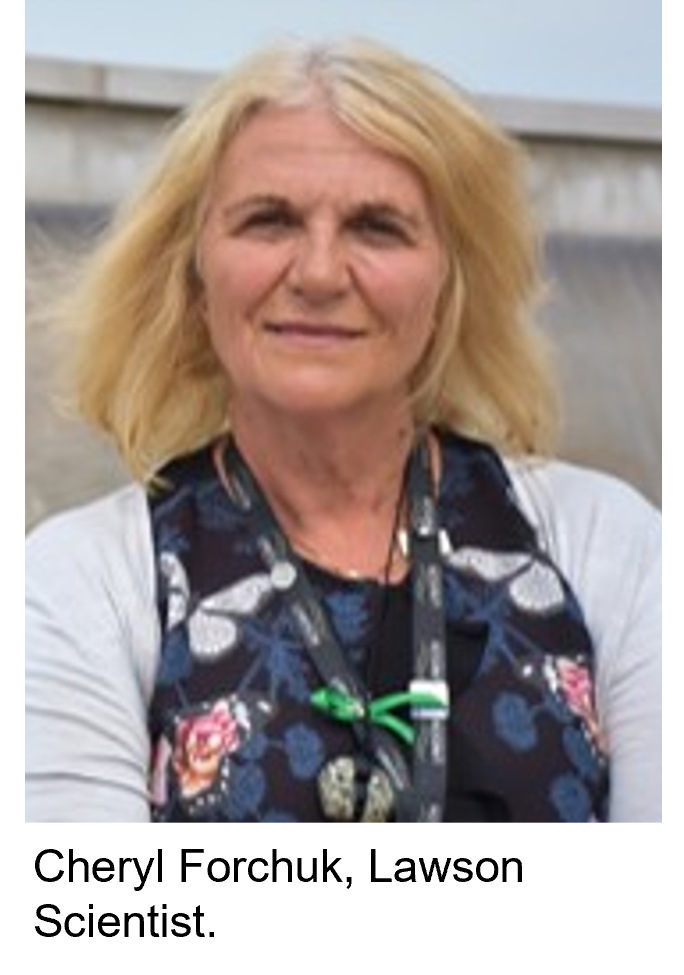
The Western Institute for Neuroscience is spotlighting the PIERS Team (Post-secondary Intervention for Eating Disorders), winners of the latest WIN NeuroConnect competition and recipients of up to $400,000 in new research funding over two years. PIERS is a collaborative, co-designed initiative uniting researchers, clinicians and students with lived experience to transform how post-secondary campuses recognize and respond to disordered eating. The PIERS initiative works in close collaboration with The Harbour, whose multidisciplinary eating-disorder program provides the clinical expertise and student-focused care model that PIERS is helping to co-develop and strengthen. Among the project’s leadership is Cheryl Forchuk, Lawson Scientist and co-investigator, whose expertise in community-engaged evaluation and mental health are shaping the project. Read about the PIERS Team and how they are advancing eating disorder care.
| | Clinical trials are a vital part of how new treatments, devices and care strategies are discovered, tested and improved for patients. In December and January, Lawson supported 932 clinical research studies, underscoring the dedication to advancing patient-centered medical innovations. Visit Lawson’s Webpage to discover more about our clinical trials and how to get involved. | | Why healthy aging means caring for both brain and body |
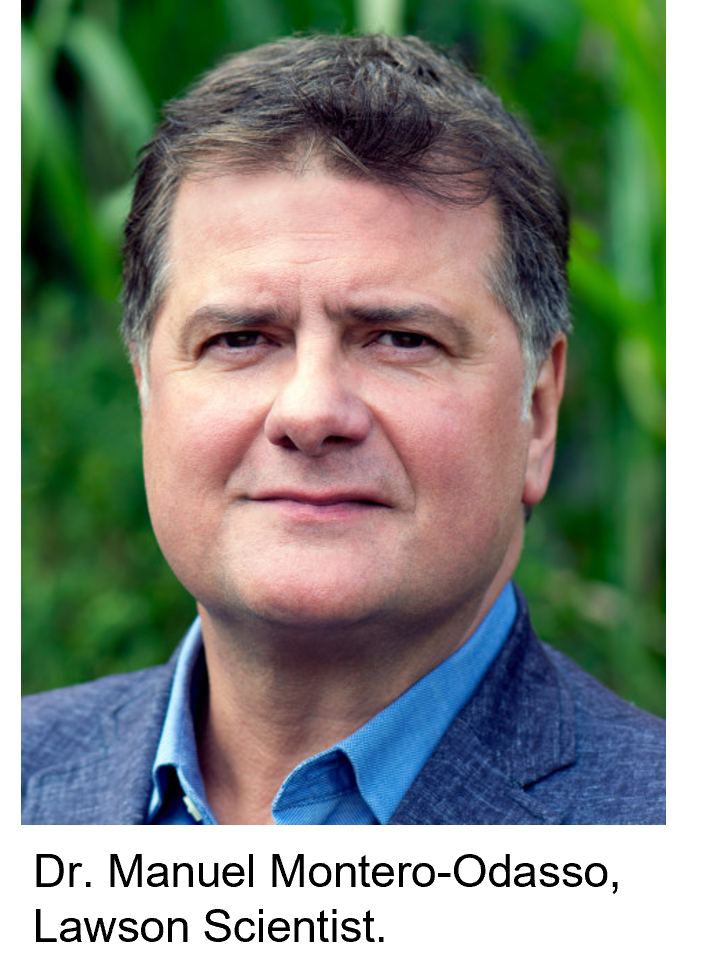
| |  | Lawson Scientist Dr. Manuel Montero-Odasso is pioneering clinical trial research that connects brain health and mobility in older adults. Noticing gaps in care, where physical and cognitive issues are often treated separately, Dr. Montero-Odasso advocates for a holistic approach. Under Dr. Montero-Odasso’s leadership, the Mobility, Exercises and Cognition team has looked at how physical and cognitive training together can improve health in older adults. Findings from two major studies, the SYNERGIC Trial and Synergic at Home Trial, showed that combining aerobic and resistance exercises (such as using bands and weights) with cognitive challenges is particularly effective. The team designed a personalized program that keeps the brain fit, from memory to executive function. This combined approach not only slows cognitive decline but also improves mobility and brain health. Even more encouraging, the benefits lasted for up to a year. Dr. Montero-Odasso is leading efforts to standardize how clinicians assess these functions and has helped develop international guidelines for preventing falls, now adopted worldwide. Discover Dr. Montero-Odasso's research impact on the Canadian Institutes of Health Research (CIHR) website and read the engaging feature at MyScience to learn how his Clinical Trial research is transforming senior care.
| Explore the world of pragmatic clinical trials with HDRN Canada Pragmatic Trials Training Program | | |
Each week, the Health Data Research Network (HDRN) Canada Pragmatic Trials Training Program releases open-access learning modules that dive into key aspects of trial design and implementation - from randomization and data analysis to truth and reconciliation in pragmatic trials. Whether you’re a clinician, researcher, or health professional, these modules offer practical insights to strengthen your understanding of how trials can improve real-world care. Discover the full series at pragmatictrialstraining.ca
| |
| |
RESEARCH TIP
New system for off-site Library access:
Effective January 19, 2026, the Library will retire EZProxy and transition to Horizon for off-site access to eJournals, eBooks, databases and other subscribed content. Access while on-site will not be affected. This change is required to comply with a province-wide directive mandating that all internet-facing hospital applications that authenticate users support multi-factor authentication (MFA). EZProxy does not meet this requirement and must therefore be decommissioned.
The Library is working closely with ITS to ensure a smooth transition. Please contact Lorraine Graham in Library Services, or the ITS Help Desk at ext. 44357 (4-HELP) if you have any questions.
| | | | LAWSON ASSOCIATION OF FELLOWS AND STUDENTS | | |
Central to the Mission of St. Joseph’s Health Care London is attending to body, mind and spirit. In this new feature of the Lawson Leads newsletter we are seeking to shine a light on aspects of spiritual health to help nourish comprehensive wellbeing and connect to our Mission in a tangible way.
One way of addressing the spiritual domain of our Mission is through a new initiative you may have heard about called sacred moments. Sacred moments is a concept coined by clinical psychologist, Dr. Ken Pargament, after shadowing spiritual care practitioners. He observed these sacred moments being shared with patients in what he referred to as “brief periods of time in which people experience spiritual qualities of transcendence, ultimacy, boundlessness, interconnectedness and spiritual emotions” (Pargament et al., 2014). It is these five qualities that make up a sacred moment.
And more than just the pleasurable experience of a sacred moment, the benefits of sacred moments have begun to be explored with findings that suggest benefits for both patients and clinicians. In a synthesis of empirical and interpretive research, Wong et al. (In Press, 2026) suggest sacred moments for clinicians help to protect against burnout while promoting meaning at work and well-being. For patients, sacred moments seem to act as a buffer against stress, predict greater satisfaction with care and a stronger alliance with clinicians.
But central to exploring the concept of sacred moments is understanding the presence of these five qualities noted by Pargament et al. (2014): 1) transcendence; 2) boundlessness; 3) ultimacy; 4) interconnectedness; and 5) spiritual emotions. In the coming months we will explore each quality of a sacred moment in the Lawson Leads newsletter to help us better understand sacred moments and how it might deepen our sense of meaning while potentially nourishing spiritual health. Want to learn more? Check out our SharePoint Page.
Contributed by: Dale Nikkel, Manager Spiritual Care
| | We encourage researchers to submit grants, publications and awards for us to showcase. Please provide a one- to two-sentence plain-language description along with the submission. | | |
We recognize and congratulate some of the recent external funding awarded to our researchers:
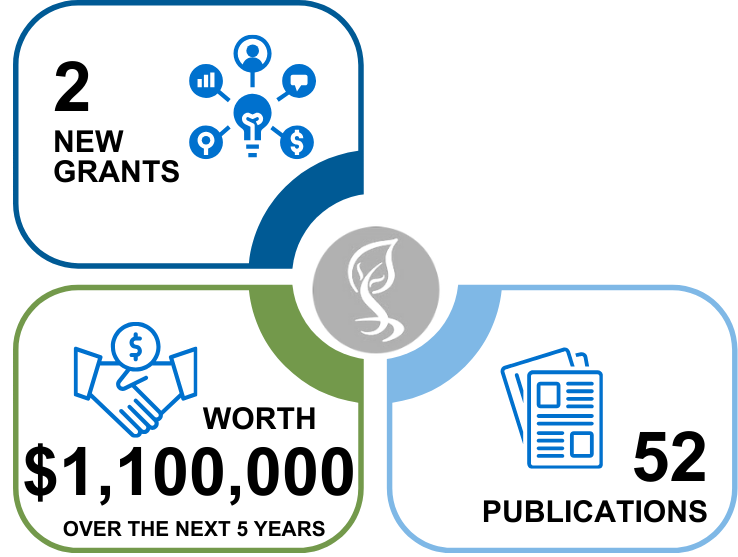
Dr. Kristin Clemens has been awarded a Canadian Institutes of Health Research (CIHR) Priority Announcement for the study, “STRIDES Kidney: Semaglutide Therapy, Renal health, Individualized diet, Daily exercise, Engagement through coaching and Support Kidney”, $100,000 over 1 year.
Researchers are exploring whether semaglutide, individualized nutrition plans, safe exercise and personalized coaching can help people with advanced kidney disease achieve healthy weight loss. With CIHR funding, the team will expand recruitment across Canada and deliver a special multidisciplinary program trial called STRIDES to more people with kidney disease. The findings could improve well-being, increase transplant eligibility and support long-term kidney health.
Dr. Montero-Odasso has received major funding from the Weston Foundation - Brain Institute- to support the “SYNERGIC-2” Trial (SYNchronizing Exercises and Remedies to GaIn Cognition @ Home), a home-based personalized multidomain RCT from the Canadian Therapeutic Platform for Multidomain Interventions to Prevent Dementia (CAN-THUMBS UP), $1,000,000.
Researchers are testing if a 12-month, virtual, personalized lifestyle program, the SYNERGIC-2 Trial, can slow cognitive decline and prevent dementia in older adults with mild cognitive impairment. The online program covers exercise, cognitive training, diet, sleep, and vascular risk management across Canada. Continued funding supports national recruitment and operation. The expected results will show if accessible, virtual interventions can reduce dementia risk by targeting modifiable factors.
| | |
Check out a few examples of the research published in December-January:
Whate A, Elliott J, Mallinson S, Giguere A, Sims-Gould J, Rockwood K, Stolee P. (2026). A characterization of older adults in primary care in three Canadian provinces. Canadian Journal of Aging.
What are the characteristics of older adults visiting primary care? Researchers analyzed data describing older patients visiting nine primary care sites across Alberta, Ontario and Quebec to identify key health needs, common conditions and patterns of care use. Their findings highlight opportunities to better tailor services for aging populations. This article is valuable for clinicians, policymakers and anyone focused on improving senior care. #Aging
Joy TR. (2026). Enhancing equity within the promotions dossier evaluation: Strategies to mitigate biases. Frontiers in Public Health.
How do biases influence promotion decisions in academic medicine? This paper discusses where inequities appear in evaluating teaching, research, service and reference letters. The researcher then identifies practical strategies to reduce bias. Their insights support fairer, more transparent promotion processes. This article is essential reading for faculty, promotion committees and leaders committed to equity. #EndorinologyMetabolismChronicDiseases
Sanchez-Pupo RE, Kelly JJ, Shalaby N, Xia Y, Martinez-Santiesteban FM, Lau J, Verriet IE, Fox MS, Hicks JW, Thiessen JD, Ronald JA. (2026). Imaging CRISPR-edited CAR-T cell therapies with optical and positron emission tomography reporters. Theranostics.
This research evaluated the safety of tracking specially engineered CAR-T cells in the body. Scientists added “reporter” tags to CAR-T cells, enabling their location to be monitored via light-based and PET scans. In leukemia and ovarian models, these tagged CAR-T cells maintained tumor-killing ability and results showed that how they were administered affected their distribution and effectiveness. The article is relevant for those interested in advancing CAR-T therapies or improving immunotherapy safety and personalization. #Imaging
Gyamfi S, Forchuk C, Booth R, Mohammed K, Luginaah I. (2026). Correlates of rejection sensitivity: Examining influences of anticipated discrimination, internalized stigma, and injustice experiences among persons with mental illness. Sage Open.
What makes some people with mental illness more sensitive to rejection? This study examined why some people with mental illness are more sensitive to rejection, focusing on the roles of discrimination concerns, self-stigma and unfair treatment. Surveys showed that these factors increase expectations of being judged and heighten rejection sensitivity, which impacts confidence and well-being. The article offers useful insights for those in mental-health advocacy, care, or policy. #MentalHealth
Ackerley S, Hung SH, Sheehy L, Donkers SJ, Timofeeva P, Best KL, Peters S, Park SS, Ouellet B, Ezeugwu VE, Milot MH, Sakakibara BM, Eng JJ, Connell LA. (2026). Exploring factors influencing implementation across the explanatory-to-pragmatic trial continuum: A sequential qualitative integration of delivering higher-intensity walking exercise within inpatient stroke rehabilitation. Implementation Science Communications.
How can a higher-intensity walking program be successfully used in real-world stroke rehabilitation? Researchers interviewed therapists and compared two stroke-rehab trials to understand what helps or hinders putting this exercise program into practice. They found that staff motivation, readiness for change and flexible delivery were key. Clinicians, managers and rehabilitation teams interested in understanding the factors influencing successful implementation of effective stroke therapies will benefit from reading the full article. #Rehabilitation
So S, Wang TQ, Thind A, Hutnik CML, Malvankar-Mehta MS. (2026). Selective laser trabeculoplasty compared to medication for open-angle glaucoma patients: A systematic review and meta-analysis. Journal of Ophthalmology.
Is laser treatment as effective as eye drops for managing open-angle glaucoma? Researchers reviewed multiple studies comparing selective laser trabeculoplasty (SLT) with standard medication. They found SLT worked just as well as drops for lowering eye pressure, with the added benefit of reducing reliance on daily medication. Eye-care providers, patients and caregivers interested in safe, low-maintenance options for glaucoma treatment may find the article valuable. #SurgicalSpecialties
| | UPCOMING GRANT COMPETITIONS | | |
Please visit the research funding announcement page to find out more:
Notice of upcoming funding opportunity:
| | |
The Collaborative Research and Training Experience (CREATE) program supports the training of highly qualified students and postdoctoral fellows from Canada and abroad through the development of innovative training programs that:
- Encourage collaborative and integrative approaches and address significant scientific challenges associated with Canada’s research priorities; and
- Facilitate the transition of new researchers from trainees to productive employees in the Canadian workforce.
Anyone wanting to be considered for internal quota must submit an Expression of Interest (EOI) to irp@uwo.ca.
Application Details
Successful applicants will consist of a group of accomplished researchers, who will work collaboratively to offer a defined research training program to a group of trainees. This environment will provide trainees with experience relevant to both academic and non-academic careers. The research training experience should focus on providing an enriched training and mentoring experience for graduate (master’s and doctoral) students. Successful applications will be those best able to demonstrate the benefits of their proposed research training experience to their targeted trainees. A yearly quota has been established for each university and only those researchers selected at their university can submit Letters of Intent. INDIRECT COSTS ARE NOT SUPPORTED BY THIS PROGRAM.
Application and Guidelines are available at: http://www.nserc-crsng.gc.ca/Professors-Professeurs/Grants-Subs/CREATE-FONCER_eng.asp
EOI Deadline: February 20, 2026
Please check with your faculty research offices for additional timelines and options for content review
| | |
2026 KRESECENT New Investigator Award
The KRESCENT program New Investigator Award is awarded to individuals who have clearly demonstrated excellence during their pre-doctoral and post-doctoral training in kidney disease and provides salary support for up to three years of the faculty appointment at the rank of Assistant Professor or equivalent at a Canadian University. The purpose of this award is to support the investigator in becoming established as a fully independent investigator in the field of kidney disease.
Anticipated Competition Timelines*
Application Platform Opens: January 15, 2026
Full Application Deadline: March 03, 2026
Anticipated Date for Notice of Award: May 2026
Funding Start Date: July 2026
*These timelines are estimates and subject to change.
The KRESCENT program has moved to an on-line application system. All forms, guidelines and procedures can be found on the proposalCENTRAL website. Please click here to reach proposalCENTRAL. To apply through this site, you will have to set up a profile and then search for “KRESCENT” or “Kidney” and fill out the KRESCENT New Investigator Award application.
Resources
KRESCENT New Investigator Award Policies
Instructions - KNIA Full Application
Best Practices for Writing a Plain Language Abstract
| | |
The Foundation, through the Weston Brain Institute, is pleased to announce the re-launch of the Rapid Response program with a focus on biomarkers. The Rapid Response 2026: Biomarkers program provides early-stage seed funding to support high-risk, high-reward translational research aimed at accelerating the validation to clinical implementation of biomarkers for neurodegenerative diseases of aging (NDAs).
Eligible projects should:
- Be translational/applied research that can accelerate the validation to clinical implementation of biological, functional and digital biomarkers for NDAs, with a preference for, but not limited to, enabling early detection and timely and accurate diagnosis of dementia.
- Biomarkers must address unmet needs in the staging, prognosis, diagnosis, monitoring of disease progression and differentiation of NDAs.
- Projects should enable the development of biomarkers from the validation stage forward.
- Prioritize approaches that are scalable, minimally invasive and feasible for implementation across diverse settings.
- Have preliminary data to support the rationale, hypothesis and feasibility of the project.
Funding Available: Up to $300,000 over 18-24 months
Program Information Webinar (session 2): February 17, 2026 at 1pm ET – Register here
External Deadline: Tuesday, March 17, 2026, at 2:00pm ET.
| | |
Call for Research Grant Proposals
WeRPN invites applications for Research Grants up to a maximum of $25,000. The purpose of the one-year Research Grant program is to:
- Generate high-quality ethical research co-designed and co-implemented with one or more Registered Practical Nurses (RPNs) and others, including academic and/or industry partners
- Align with WeRPN’s strategic directions
- Enhance the representation of RPNs in research-driven literature, and
- Demonstrate how RPNs add meaningful value across diverse health settings, and throughout the continuum of care, in both health and illness
Note: The proposal application should only be submitted once satisfied that it is complete and reflective of the proposed project. If errors or corrections are required prior to the March 31 deadline, please contact: research@werpn.com.
Click here to review our guidelines for details about the application process.
| | |
2026 Spring Competition
The Canada Research Chairs Program (CRCP) offers eligible Canadian degree-granting institutions the opportunity to nominate a diverse cadre of outstanding researchers for professorships in areas that will further the institution’s strategic research plan and enable them to maximize their contributions as centres of research and research training.
Eligible postsecondary institutions receive a set number of chair allocations based on the funding received by their researchers from the three federal research granting agencies: the Canadian Institutes for Health Research (CIHR); the Natural Sciences and Engineering Council (NSERC); and the Social Sciences and Humanities Research Council (SSHRC) (the agencies). See Method of Allocating Chairs for more information.
Institutions subsequently submit Chair nominations to one of the program’s deadlines for peer review in order to fill their allocations. Note that individuals cannot apply to the program directly. Western Research Internal Deadline: 2026-04-14
Tier I CIHR, NSERC, SSHRC
Award amount: $200,000 annually for seven years
Tier II CIHR, NSERC, SSHRC
Award amount: $100,000 annually for five years
Application and Guidelines are available at: http://www.chairs-chaires.gc.ca/program-programme/nomination-mise_en_candidature-eng.aspx
| | |
Funding opportunities for trainees:
These funding opportunities support the next generation of researchers. Trainees and researchers should confirm internal deadlines and application procedures with their institutions (i.e., Western University, Lawson, etc.).
| | |
Updated data access fee structure
The CLSA has recently implemented an updated Data Access Fee structure—the first adjustment in ten years. The revised fees are a strategic step toward a cost recovery model that ensures the long-term sustainability of the CLSA, while upholding our commitment to outstanding data quality and rigorous data stewardship. The fees reflect partial recovery of costs associated with administrative support, data processing, data retrieval and delivery costs incurred by the CLSA as part of the data and biospecimen access process.
The data access fee for an approved application is $4,000 CAD for researchers based in Canada and $10,000 USD for researchers based at institutions outside of Canada. There is no change to trainee fee waivers. Click here for a detailed list of data access fees.
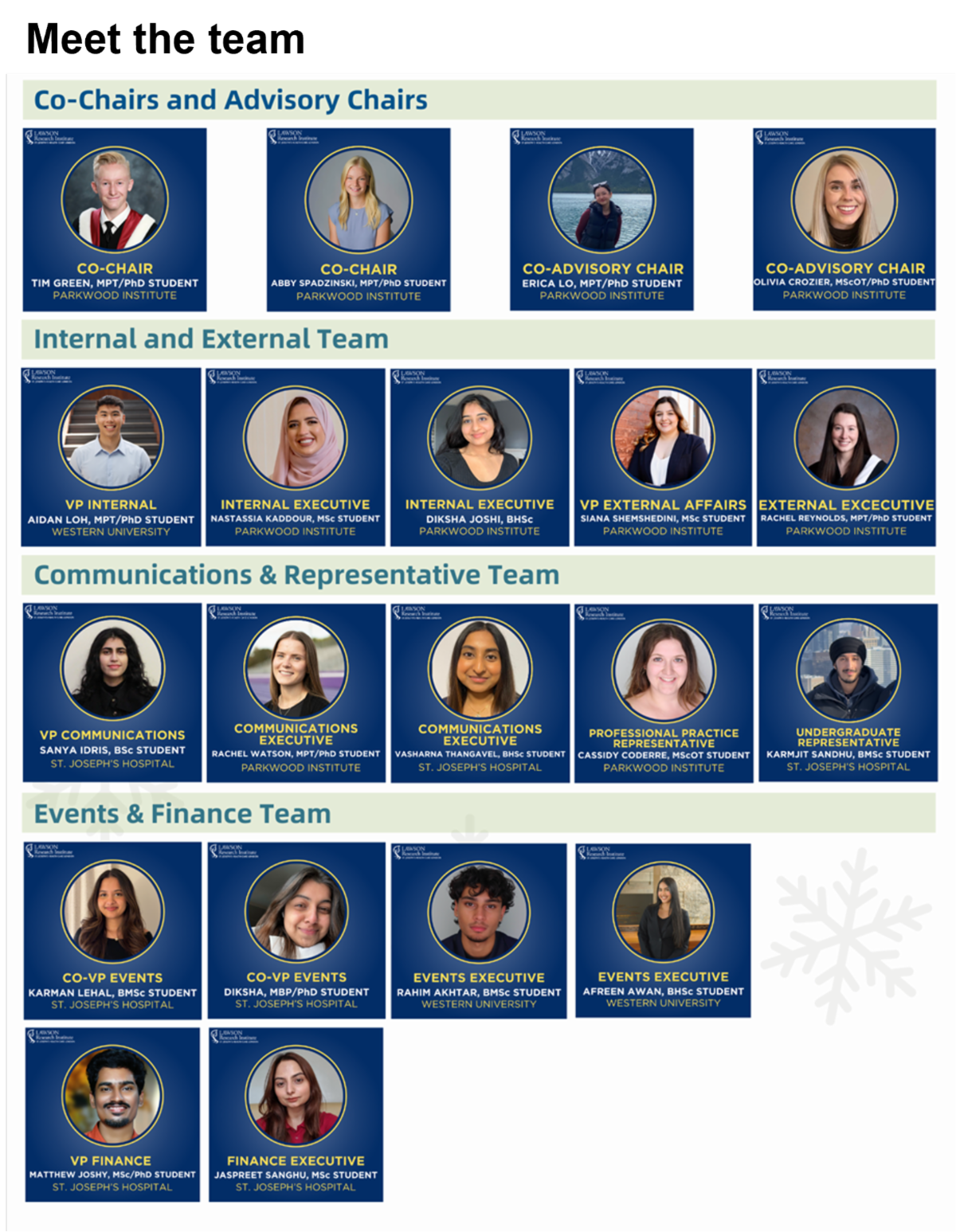
| | JOIN A STANDING COMMITTEE | St. Joseph’s Board of Directors is accepting application for the six standing committees of our board for a minimum one-year term, beginning June 2026. If you are interested in being considered, please visit our public website to access the application form. Applications are being accepted until Feb. 20. | | |
REDCap Training: Randomization in REDCap
February 19th, 2026, 12 PM to 1 PM
Research Informatics is hosting its next REDCap Training Session:
TITLE: Randomization in REDCap
WHEN: Thursday, February 19th from 12 PM to 1 PM
WHERE: MS Teams session
COST: Free
REGISTRATION: Requested by Wednesday, February 19th, 2026, 3 PM. You can register here. Recording of session is planned.
DETAILS: During this session, you will learn:
- Randomization Basics
- Randomization Module 1.0 vs 2.0
- Randomization Module 2.0 setup
If you have any questions or require more information, please contact redcap@sjhc.london.on.ca
| | |
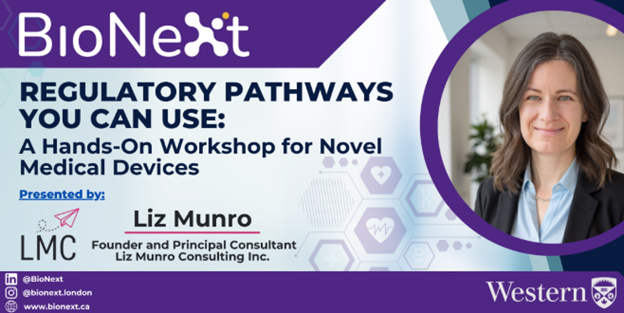
If you are building a medical device and wondering what regulators expect right now, this workshop is for you!
Time: 10:30 am – 2:30 pm
Date: Wednesday, Feb. 25
Location: Connector Suites, Convergence Centre at Western Research Parks
Registration and parking are free – everyone is welcome to attend! Snacks and refreshments will be provided.
| | |
Event name: 2026 Interprofessional Eye Forum
Theme: Pediatric Vision: Collaborating for a Lifetime of Sight
Event date and time: Friday, April 10, 2026, 8:00 a.m. – 4:00 p.m.
Location: RBC Place, 300 York St., London, Ontario
How to attend / registration: Register here
| | Quality Improvement in Healthcare Symposium | | |
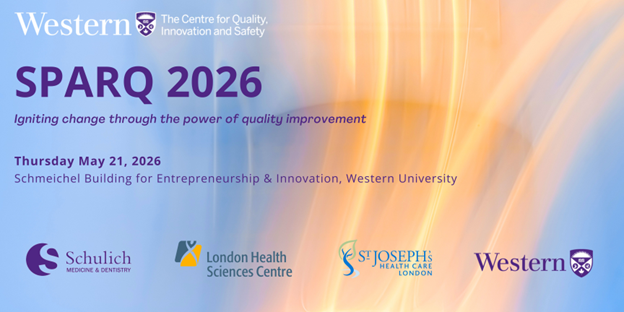
Early bird registration is open until Mar. 27, for the SPARQ2026 Quality Improvement in Healthcare Symposium; taking place May 21, from 7:45 am to 4:30 pm at Western University.
Hosted by the Centre for Quality, Innovation and Safety, the symposium brings together quality improvement enthusiasts including health care professionals, researchers, consultants and administrators to explore impactful ways to advance patient care and system performance through quality improvement methodology.
If you are interested in having your work featured, submit your abstract by Mar 6..
Contact at cquins@uwo.ca with questions.
| | | 268 Grosvenor Street | London, ON N6A 4V2 CA | | Lawson Research Institute, the health innovation arm of St. Joseph's Health Care London, is committed to making discoveries that improve lives. Every day, Lawson scientists work to translate their ideas into innovations that improve patient care. Lawson LEADS health research. Find us online at LawsonResearch.ca and on social media @stjosephslondon | | Did someone forward this email to you? You can subscribe here to get Lawson LEADS newsletter delivered directly to your inbox. Missed a previous newsletter? Visit the Lawson News and Events page. | | | | |