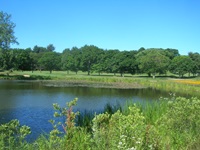
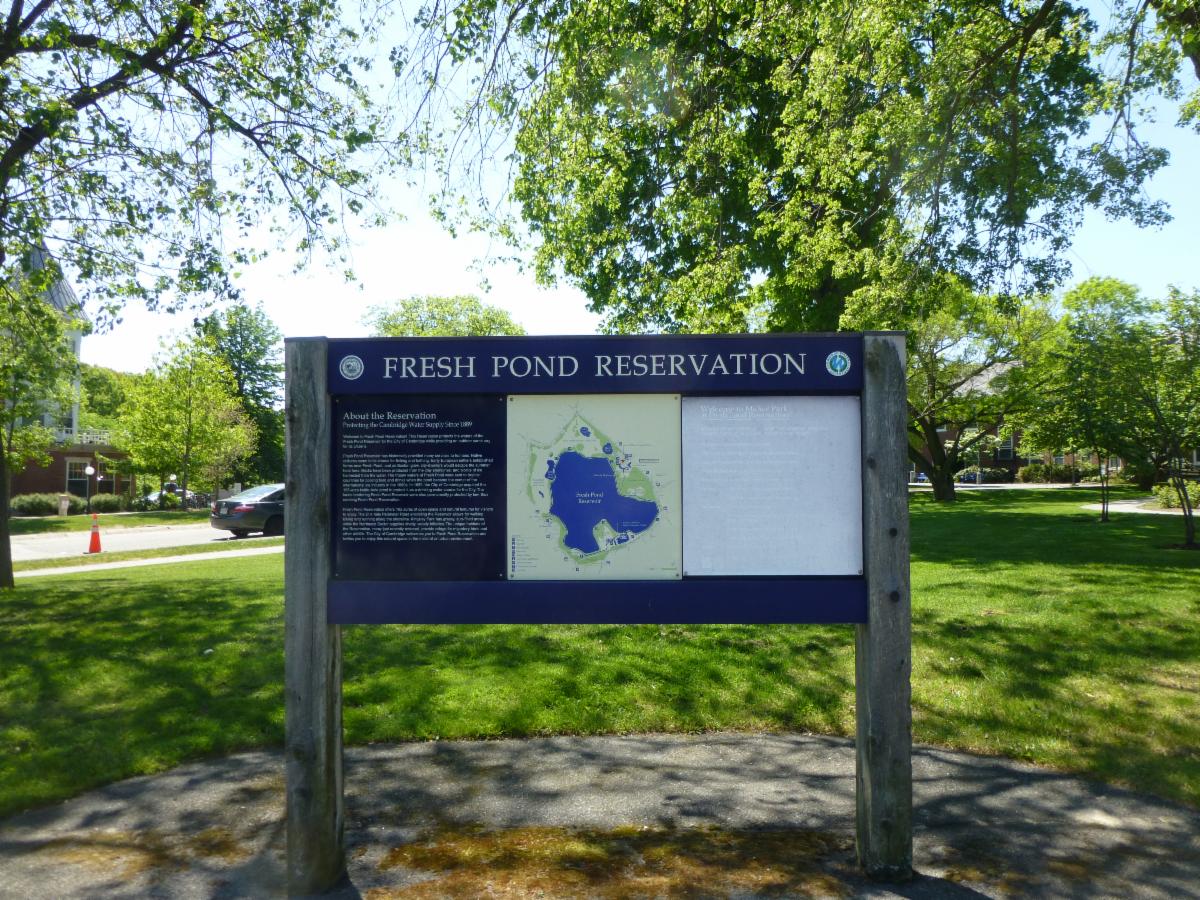
Every single day Cambridge Residents use between 10- and 14-million gallons of water, and this is our chance to celebrate our independent water supply and green space oasis in such an urban environment. | |
Save the Date:
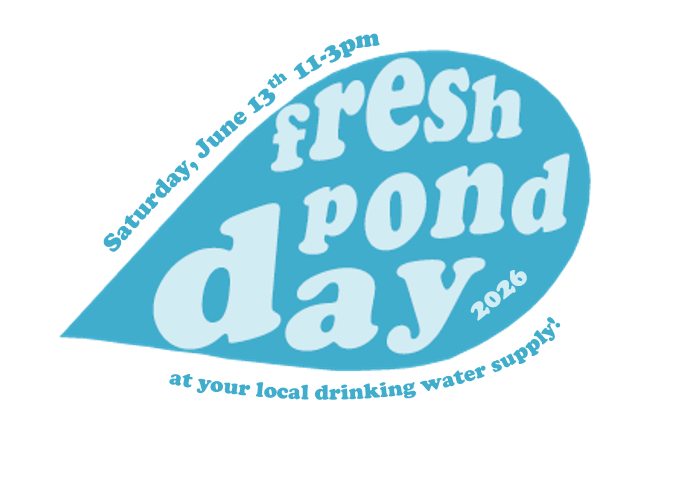
Fresh Pond Day
250 Fresh Pond Pkwy
Kingsley Lawn
Saturday, June 13th
11:00am-3:00pm
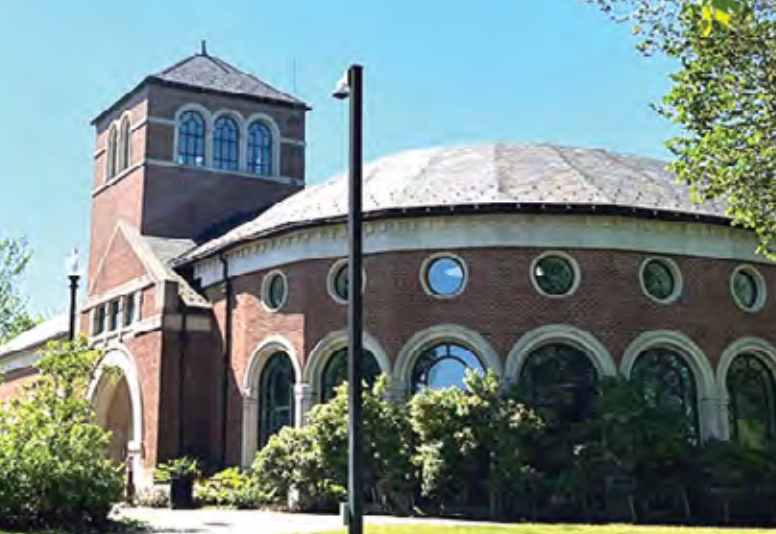
Join the Cambridge Water Department for Fresh Pond Day, our 16th Annual Festival-style Celebration of Water, Community, and Sustainability! Fresh Pond Reservoir is the City's active drinking water supply, and every drop of water from every tap in Cambridge comes from Fresh Pond and passes through the Walter J. Sullivan Water Treatment Facility.
| | |
Walter J. Sullivan Water Purification Facility Tour
250 Fresh Pond Pkwy
Mondays, May 4th, June 1st, July 13th, August 3rd, September 14th, October 5, November 2nd
6:00-7:30pm
Meets at the Water Treatment Plant Front Door
Come learn how the Cambridge Water Department purifies drinking water for your tap after it’s conveyed from nearby Fresh Pond into our facility. You’ll have the chance to speak with water treatment staff, see the equipment in action and check out our water quality lab!
| | For more information or to book a private tour, please visit our website. Please call ahead if coming with a large group. | | For more information contact Ranger Omar at omejia@cambridgeMA.gov | |
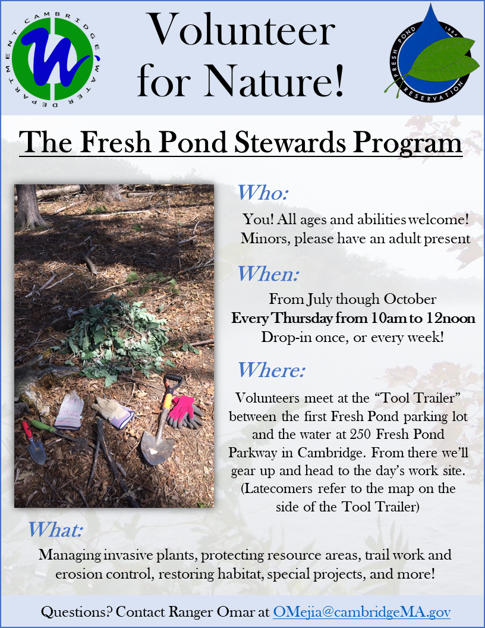
Volunteer Stewards
Thursdays this summer
10:00am - 12:00 noon
Meets at the Tool trailer
250 Fresh Pond Pkwy
May through October, give back to the place you love by becoming one of our volunteer weed warriors! This is a weekly, open opportunity to volunteer. We have the tools, we have the training, we just need the hands! Every week is a different target area and a different task
depending on the natural calendar’s seasonal needs. Help us remove invasive plants, restore trails, or plant some trees. Come once, or come every week!
| | | Dress for the weather. Heavy rain cancels. Registration is required for this event. | | |
Fresh Pond Nature Walk
Collins Branch Library
10:15 to 11:30 am
Monday, May 18th
Monday, June 1st
Meets at the Ranger Station
250 Fresh Pond Pkwy
Join us for a short walk of Fresh Pond Reservation with Ranger Amanda Garms and Library Associate Michael Roberson.
We will observe seasonal changes in our environment, enjoy the fresh air, and get some exercise in nature. This walk is not on a paved path. We will walk on uneven terrain, down hills, and over roots.
| | | Registration is required and caps at 16. | |
Spring Guided Nature Walk
With Jeff Adams
10:00am to 12:30 noon
Sunday, May 24th
Meets at the Ranger Station
250 Fresh Pond Pkwy
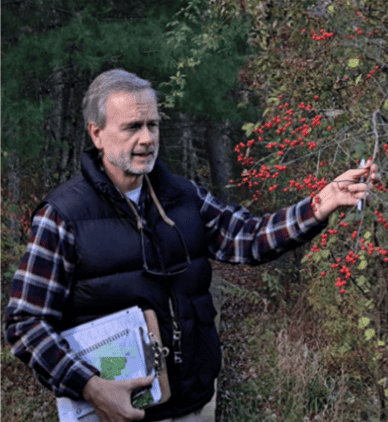
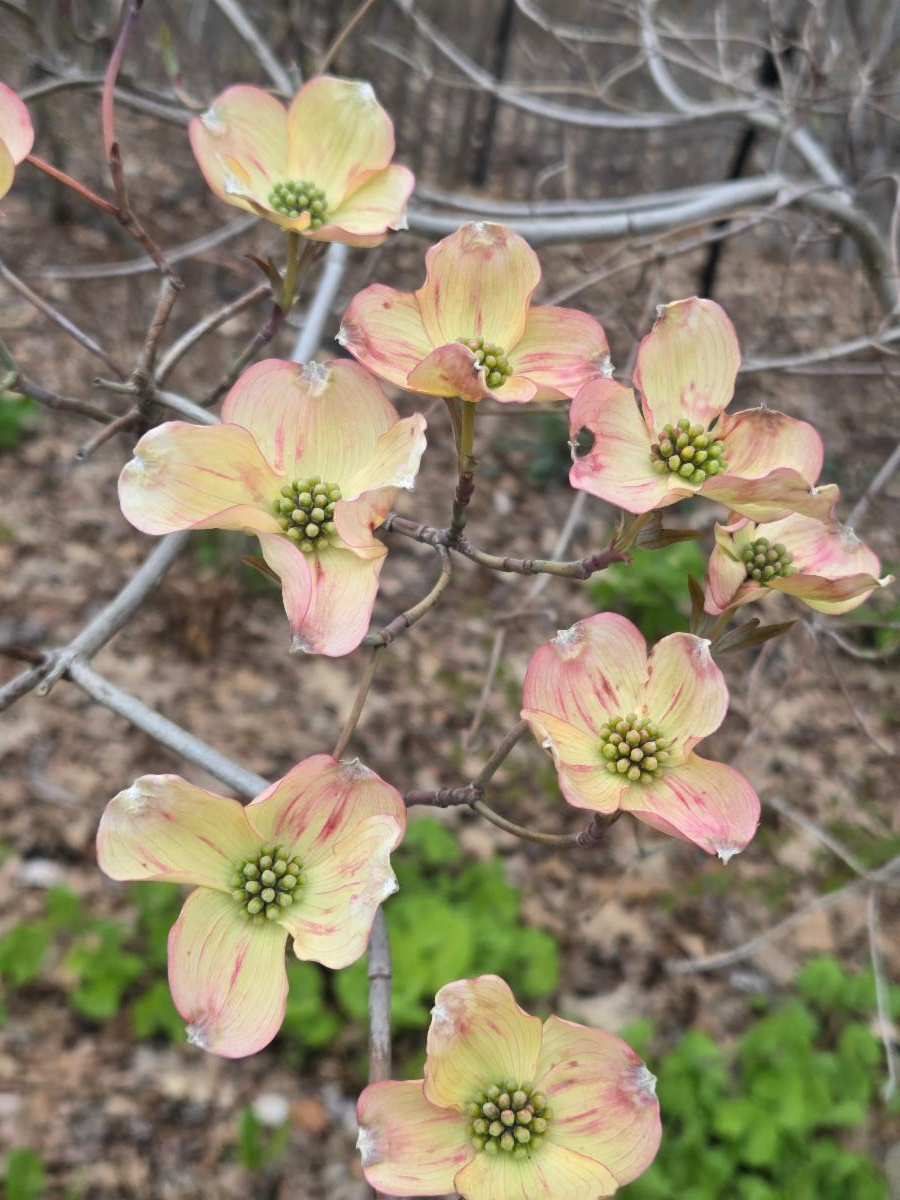
Join expert naturalist Jeff Adams for a spring plant walk focused on identifying woody shrubs and trees. Cambridge’s Fresh Pond Reservation will be our field site. Learn not only plant ID techniques but also fascinating natural history and folklore about the plants we see.
| | | Dress for the weather and bring a portable seat, if desired. Registration Required. | |
Mindful Mosey
Wednesday, May 27, 2026
10:30 AM 12:00 PM
Meets at the Ranger Station
250 Fresh Pond Pkwy
Join us for our next monthly "Mindful Mosey" series at the beautiful Fresh Pond Reservation. Guided by Stefanie Haug, mindful nature guide, and Ranger Amanda, this event is a perfect chance to explore nature, soak in the spring vibes, and connect with other earth lovers.
Together we’ll breathe deeply, slow down, and notice the world around us, with quiet walking and moments of shared reflection. Suitable for everyone with accommodations always possible. This is a monthly walking series.
| | |
Save the Date: The Moth Ball
Wednesday, July 22
7:00pm - 10:30pm
Meets at the Kingsley Lawn
250 Fresh Pond Parkway
| | |
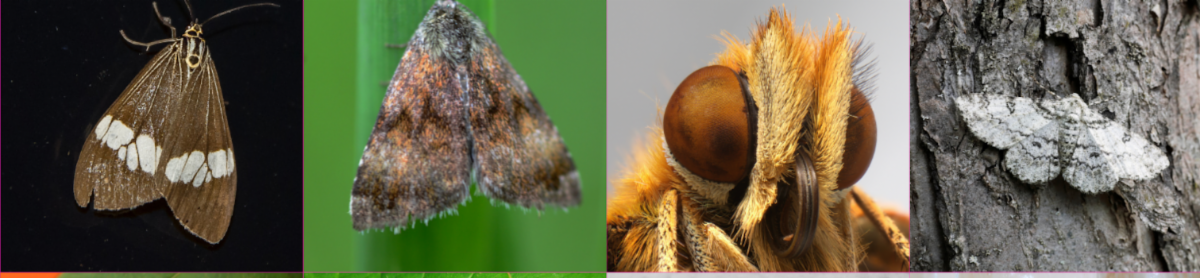
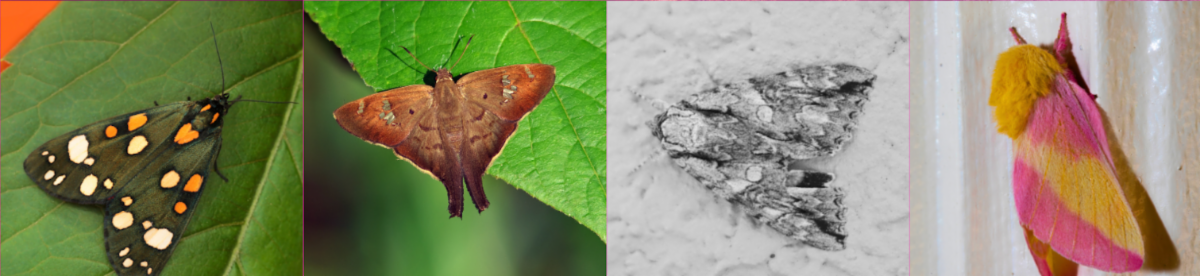
Come and be dazzled by the extraordinary nighttime creatures known as Moths. Marvel at their mysterious habits, coloration, and special place in our ecology as you learn how to attract and ID moths. As part of National Moth Week, we will be exploring these fascinating woodland
insects up close and share the data and photos we collect with researchers.
| | News From The Reservation | | |
|
Water Fountains Galore!
Outdoor water fountains are back on and the ranger station fountains have been replaced and turned on. The fountain at the community gardens on Fresh Pond Parkway is still under maintenance. Thank you for your patience!
| | |
Little Fresh Pond Alum Treatment
Within the coming weeks, the Water Department plans to treat Little Fresh Pond (AKA the dog beach) with an Aluminum Sulfate (Alum) treatment. This treatment will take excess nutrients out of the water column, reducing floating aquatic weeds and the risk of harmful algal blooms, while increasing water circulation and oxygenation. It will result in a less-stinky pond with better water quality and a healthier ecosystem!
While the treatment is non-toxic, it needs to be professionally applied in exact doses, and direct contact can cause skin and eye irritation.
| | The pond will be closed for public access (human and animal) for safety reasons during the treatment. Signs will be posted. Thank you for your patience. | | |
|
Soccer at Maher field
Soccer practice has resumed at the Maher field next to Neville Center, meaning the portajohns have also re-opened nearby. You may also notice ongoing fence work, water main work, and landscaping in the nearby community gardens. Please remember dogs are to remain leashed on the field and out of the gardens.
| | |
Nature Notes
Spring Ephemeral Lineup
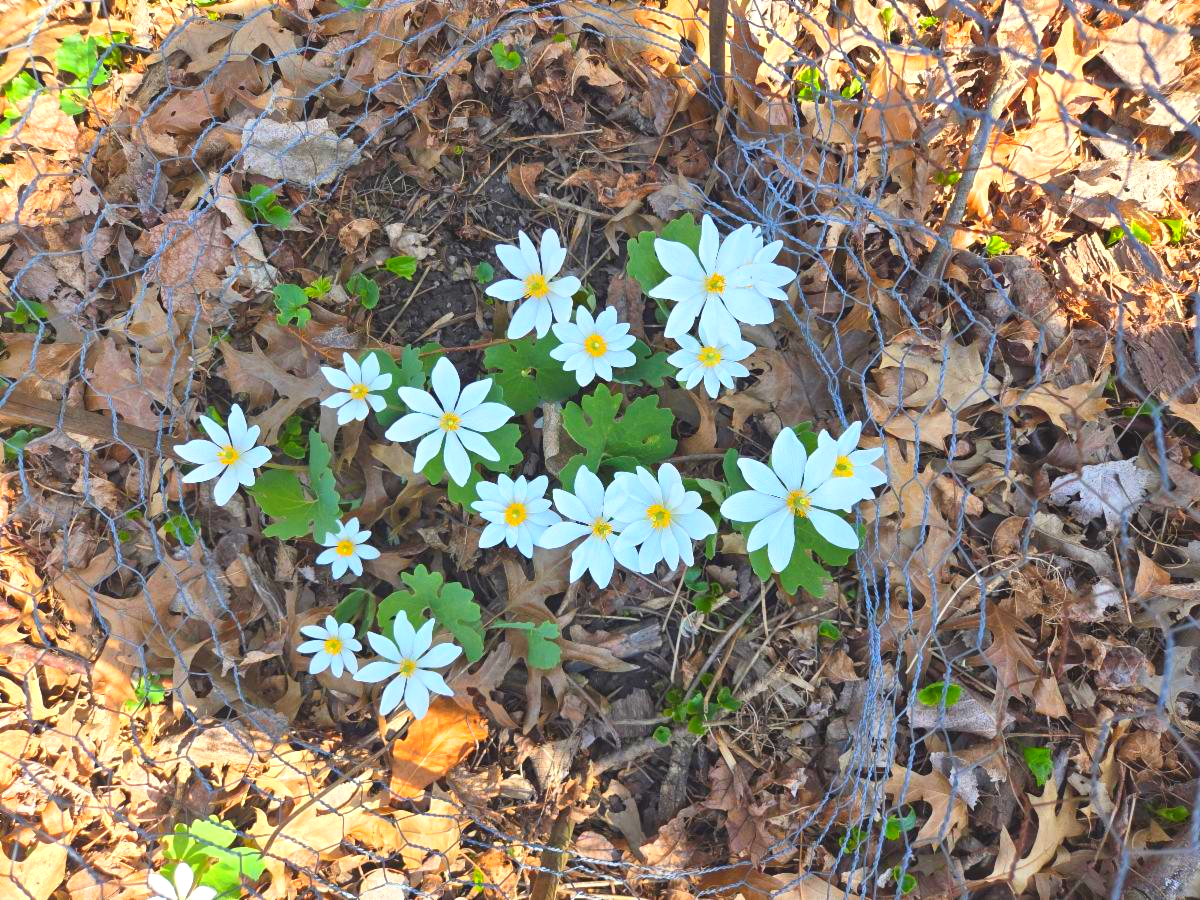
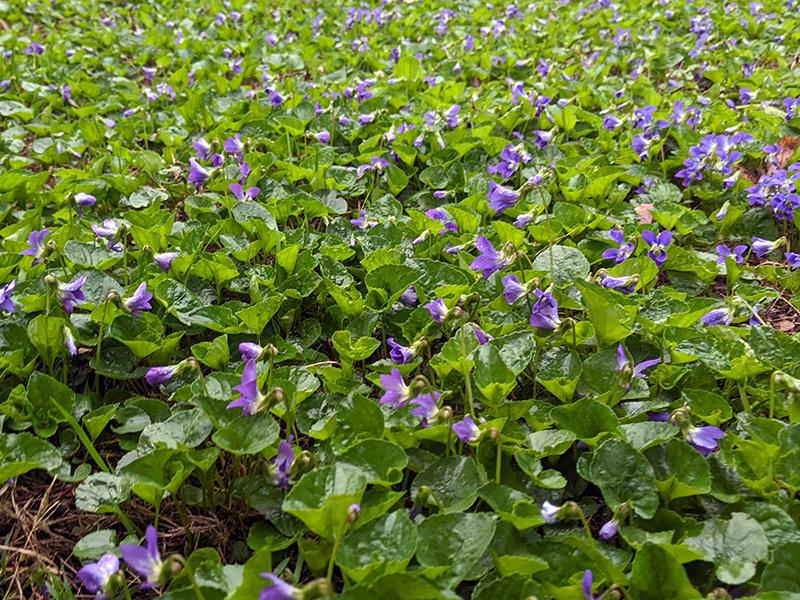
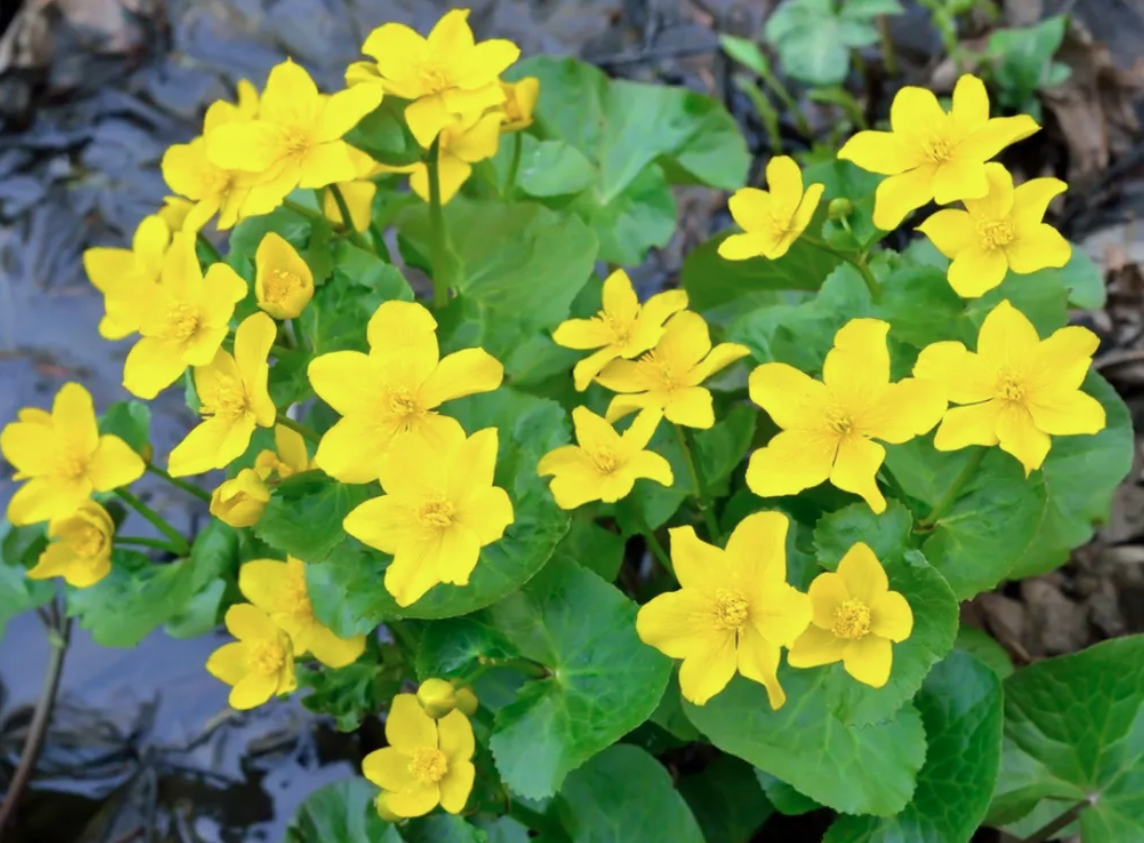
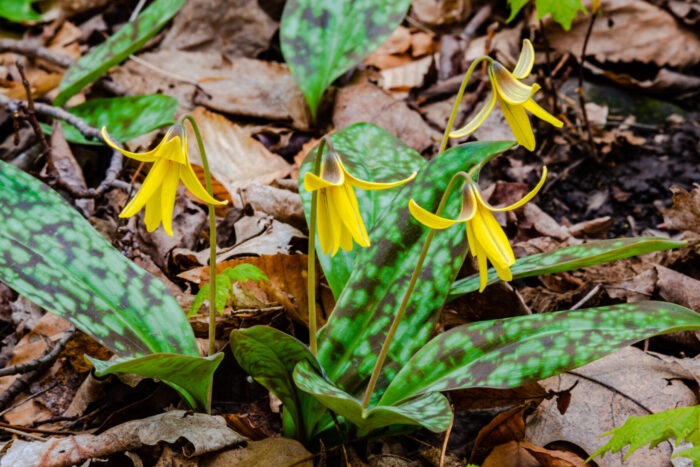
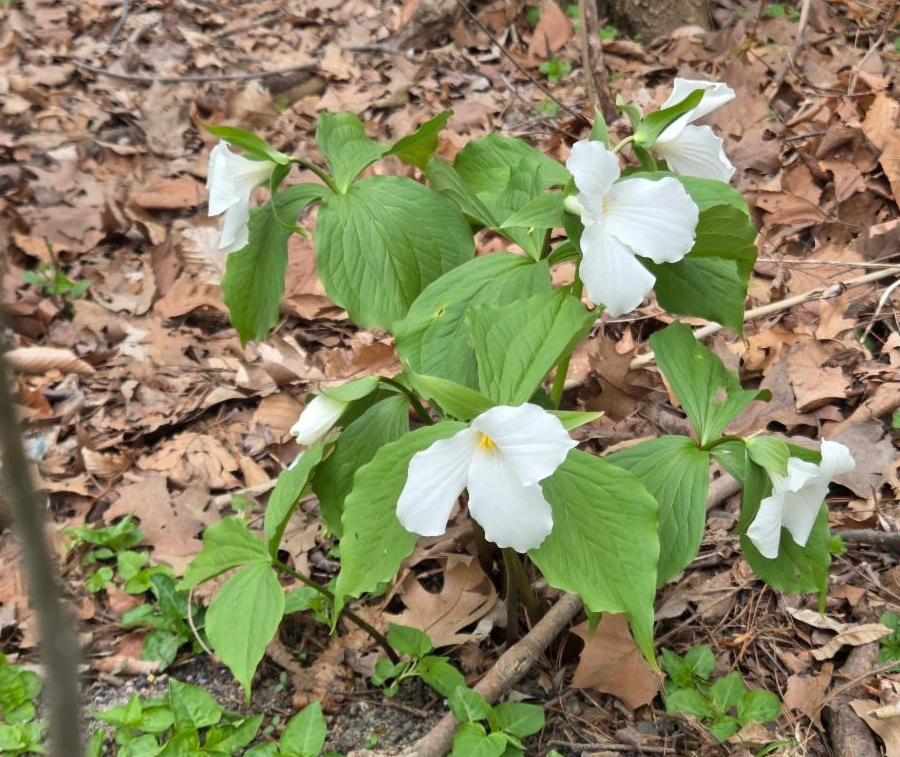
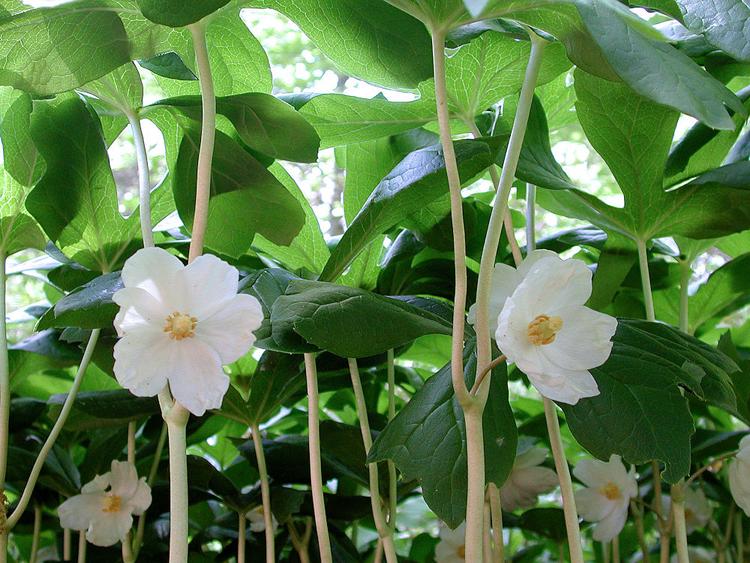
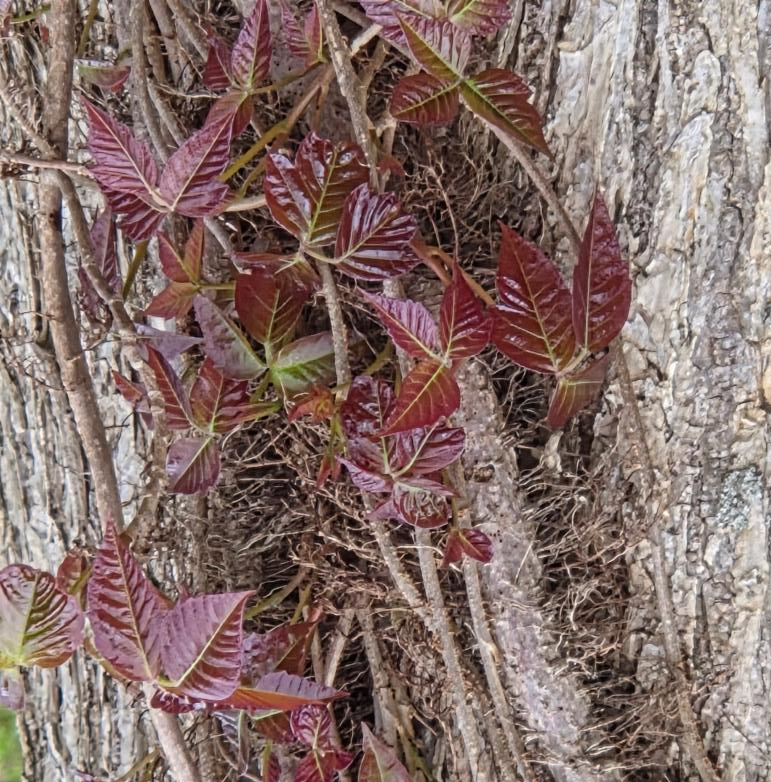
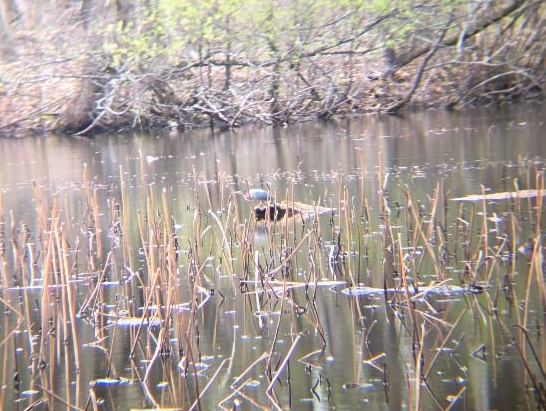
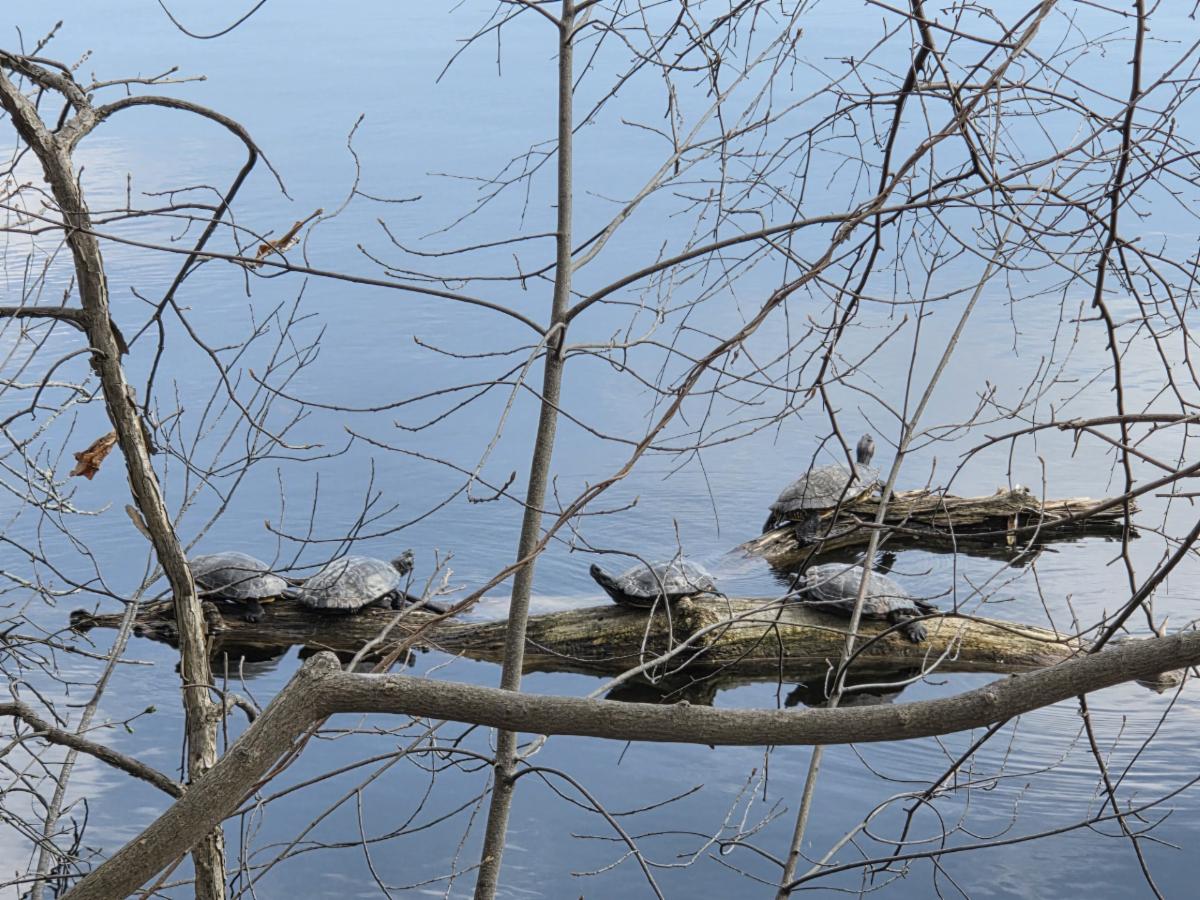
| | During just a few precious weeks out of the year, you can view short-lived woodland wildflowers which are some of the earliest bloomers of the year. They need to bloom & go to seed before the overstory takes up all the light! | | Poison Ivy is starting to sprout its shiny, red leaves of three. This red pigment (caused by anthocyanins) is commonly produced in young leaves of many plants to protect tender new foliage from UV exposure, heat, and drought. Later in the season, its leaves will lose this red color - so watch out! Poison Ivy is a shape shifter! | |  | The Green Heron has returned to Black's Nook! Green Herons are the second smallest heron, and highly intelligent - they are one of the only birds known to use tools. They will drop insects or objects into the water to attract fish and lay in wait completely motionless for up to 20 minutes at a time. They'll dive deep for prey and then swim back to shore! | | | Painted Turtles sunning themselves | |
Turtally Cool!
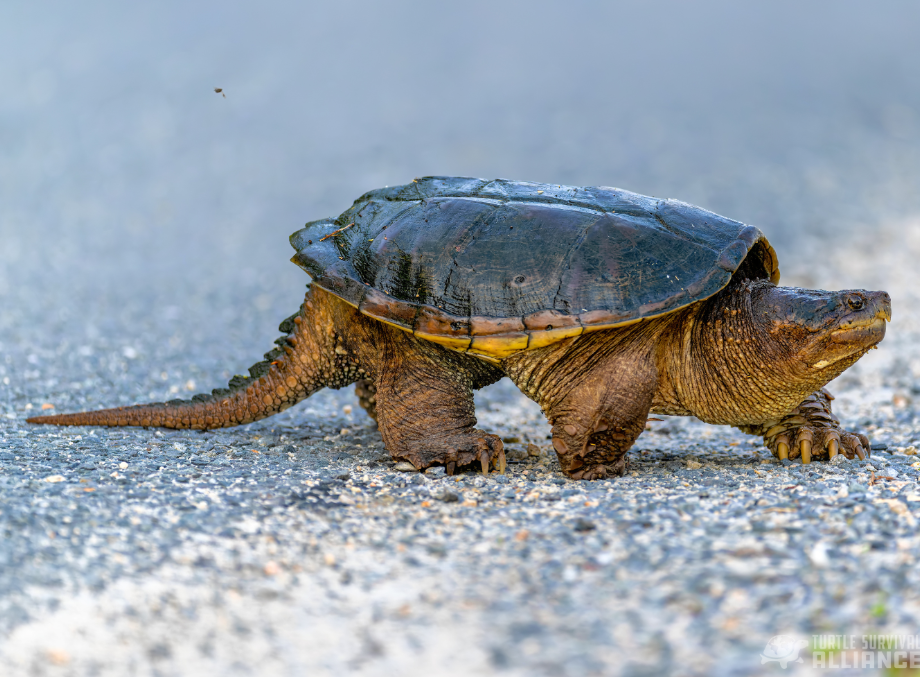
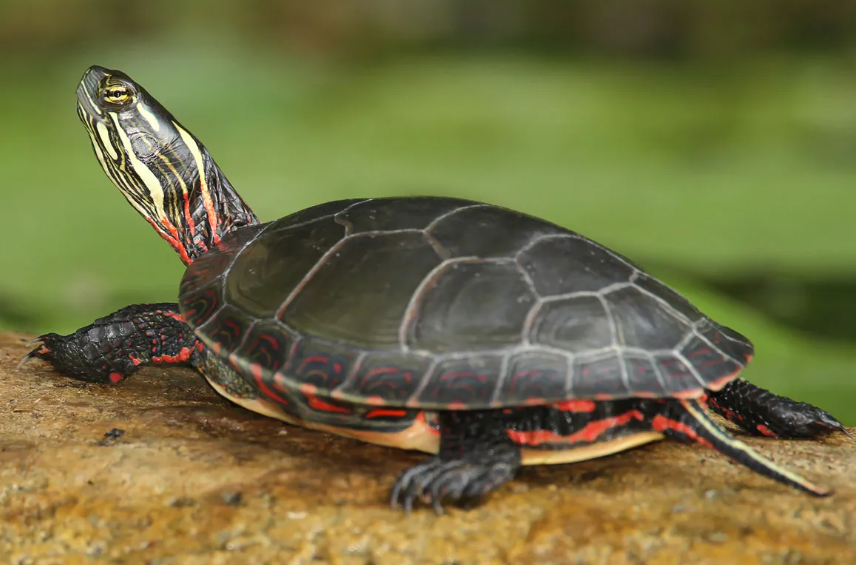
Turtles are nesting in May and June. You may find them crossing the perimeter road to find a nesting site. We have common snapping turtles, painted turtles, and invasive red-eared sliders on the reservation. Do not handle snapping turtles - they can take a finger off!
However, it is OK to help painted turtles cross the road in the direction that it was originally going, but they are known carriers of salmonella; do not use bare hands & always wash hands after touching a turtle.
You may also see yearling turtles emerging from their first hibernation. If relocating a hatchling, do not place it directly in water as it may not yet know how to swim.
Can't tell the difference? Snapping turtles are solitary and do not commonly sun themselves in groups as pictured above. They also have a longer, thicker tail and do not have yellow stripes along their neck as painted turtles do.
| | |
Black Cherry Finger Galls
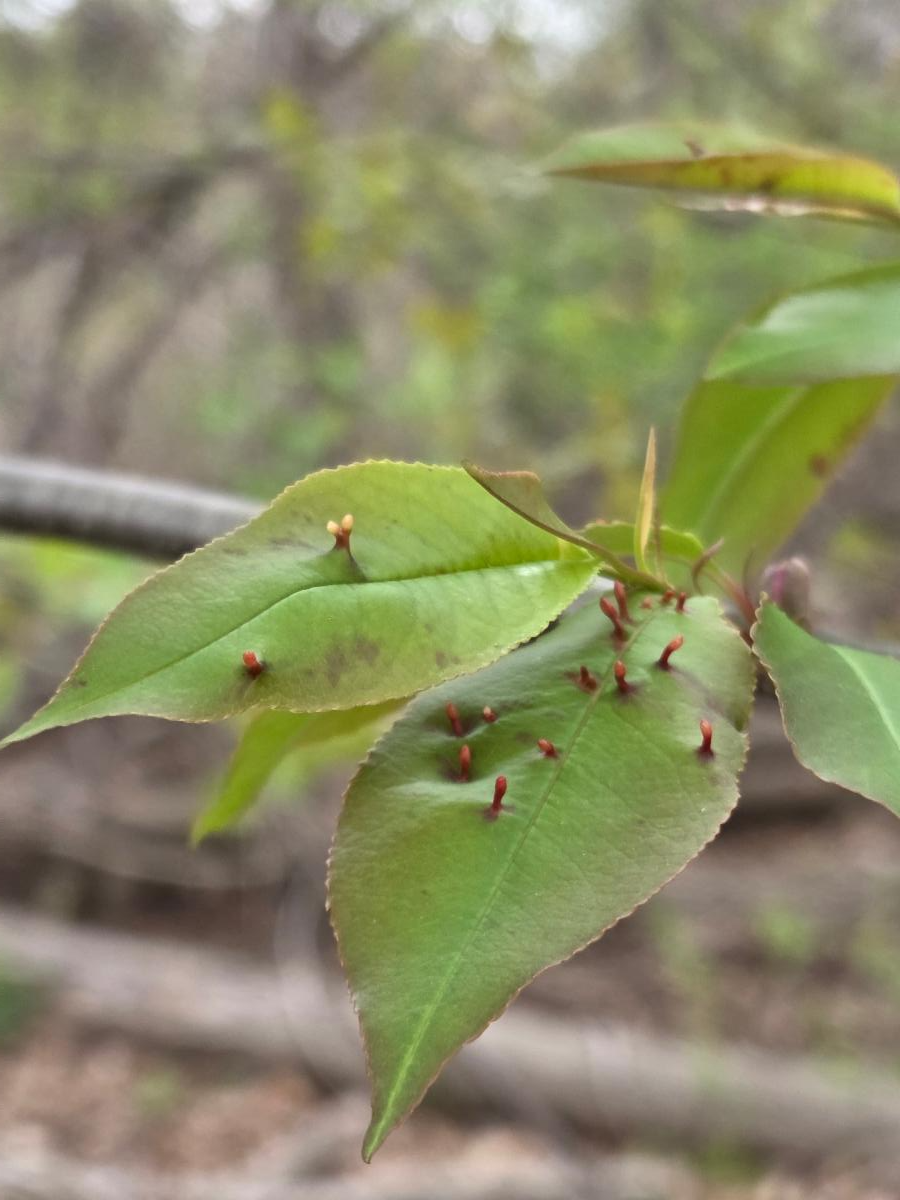
What are those bright red fingerlings growing on that leaf? These are called black cherry finger galls, and they serve as a bed and breakfast for the black cherry leaf gall mite, who feeds on the leaves after a long overwintering in the buds of the tree. The mite's saliva elicits a wounding response from the tree creating the gall, and then the adult enters the gall & lays eggs which feed off it! These galls are harmless to the tree and are an important food source for the cherry gall azure butterfly. And, you guessed it, they only grow on Black Cherry trees!
| | |
|
|
Happy Mother's Day!
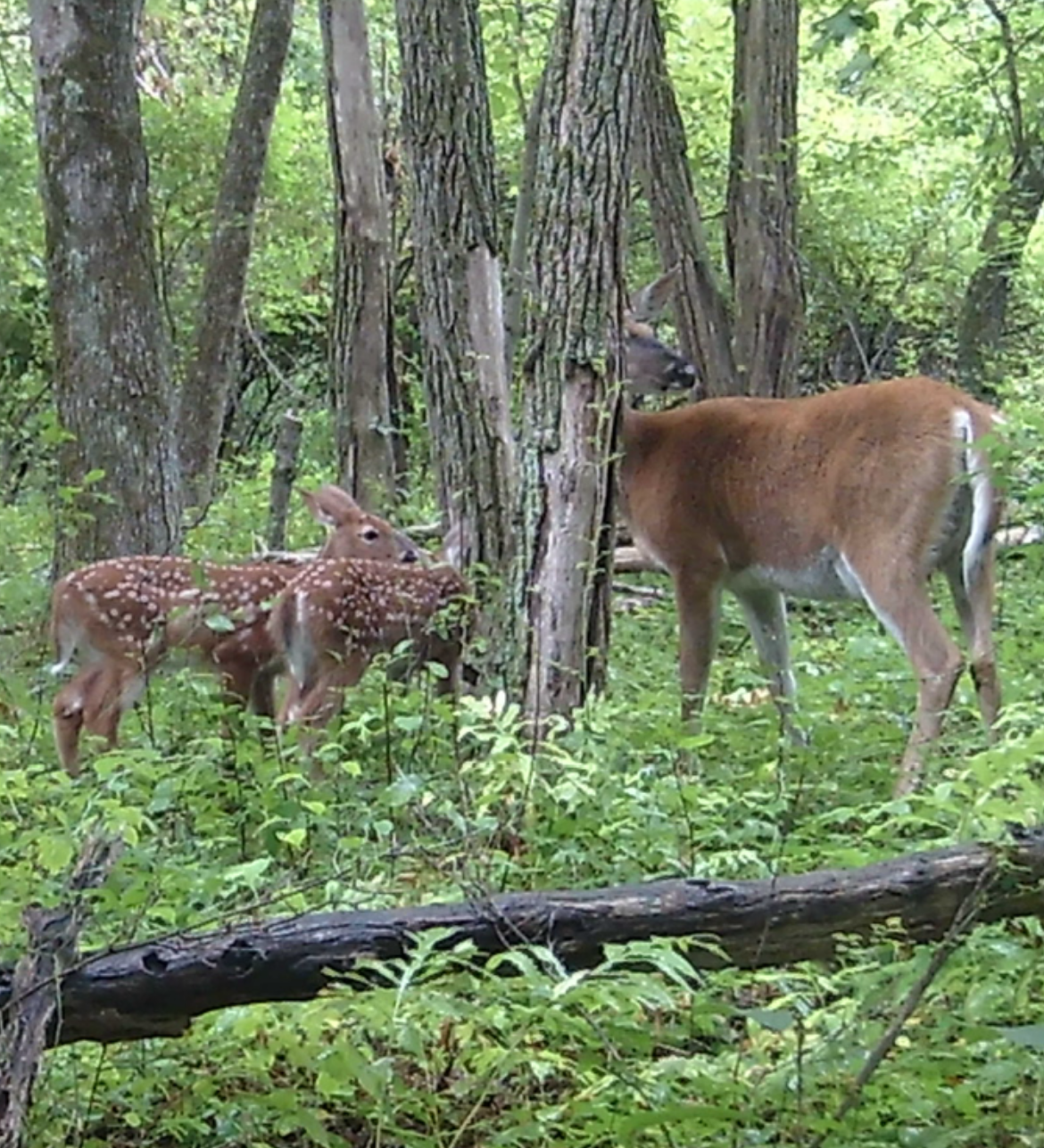
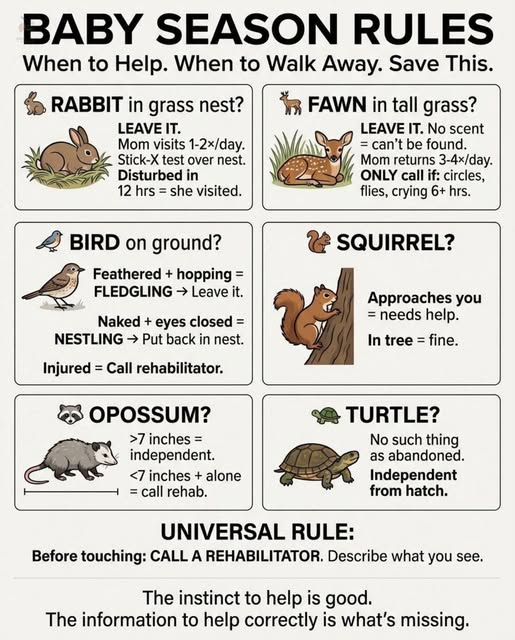
Happy mother's day to all the mothers out there, but especially to the mother does who use Fresh Pond Reservation as a birthing ground each year. Every May, with the resurgence of high-nutrition leaf buds, we see the return of several heavily pregnant White-tailed Deer. They typically give birth in early June and will find safe places to hide them as mother forages all day. If you see a lone fawn, it is likely safe! If you have concerns, call the Rangers or a licensed rehabber.
| | | |
Leave No Trace: Principle #6
Respect Wildlife
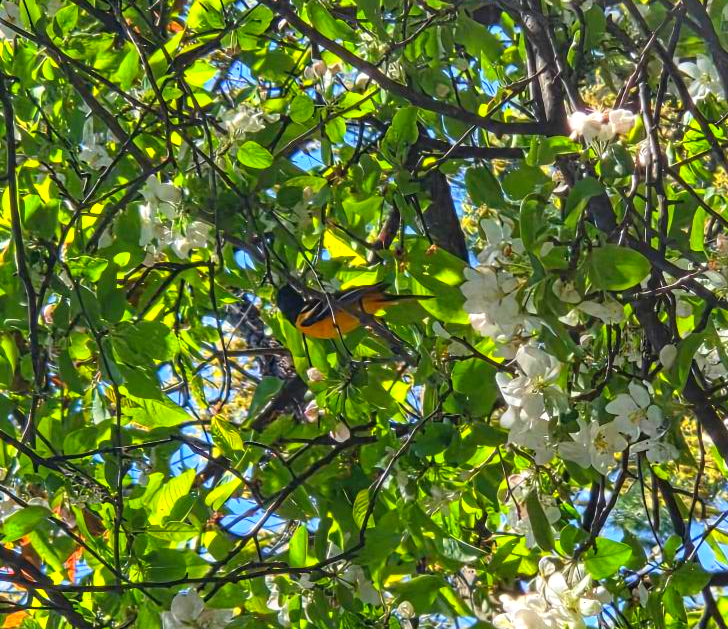
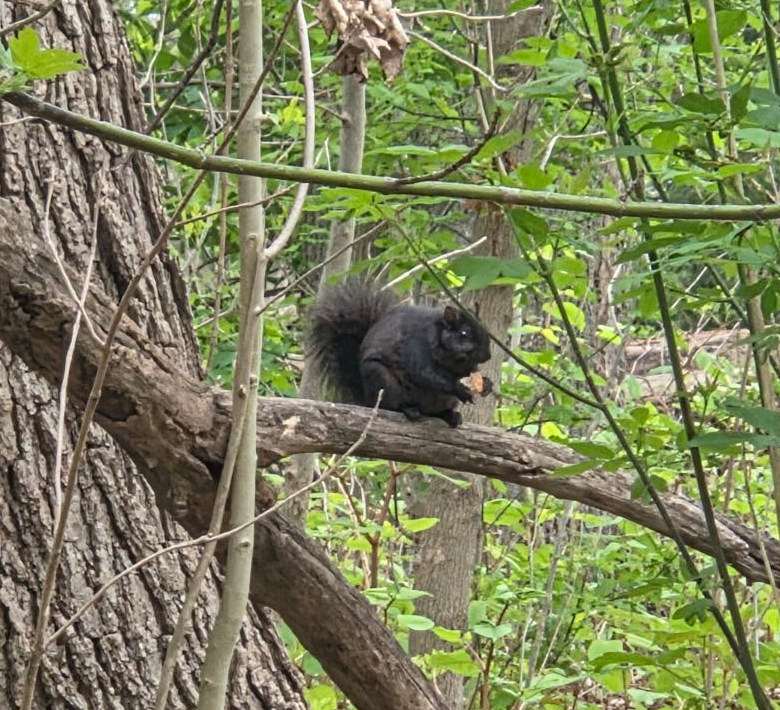
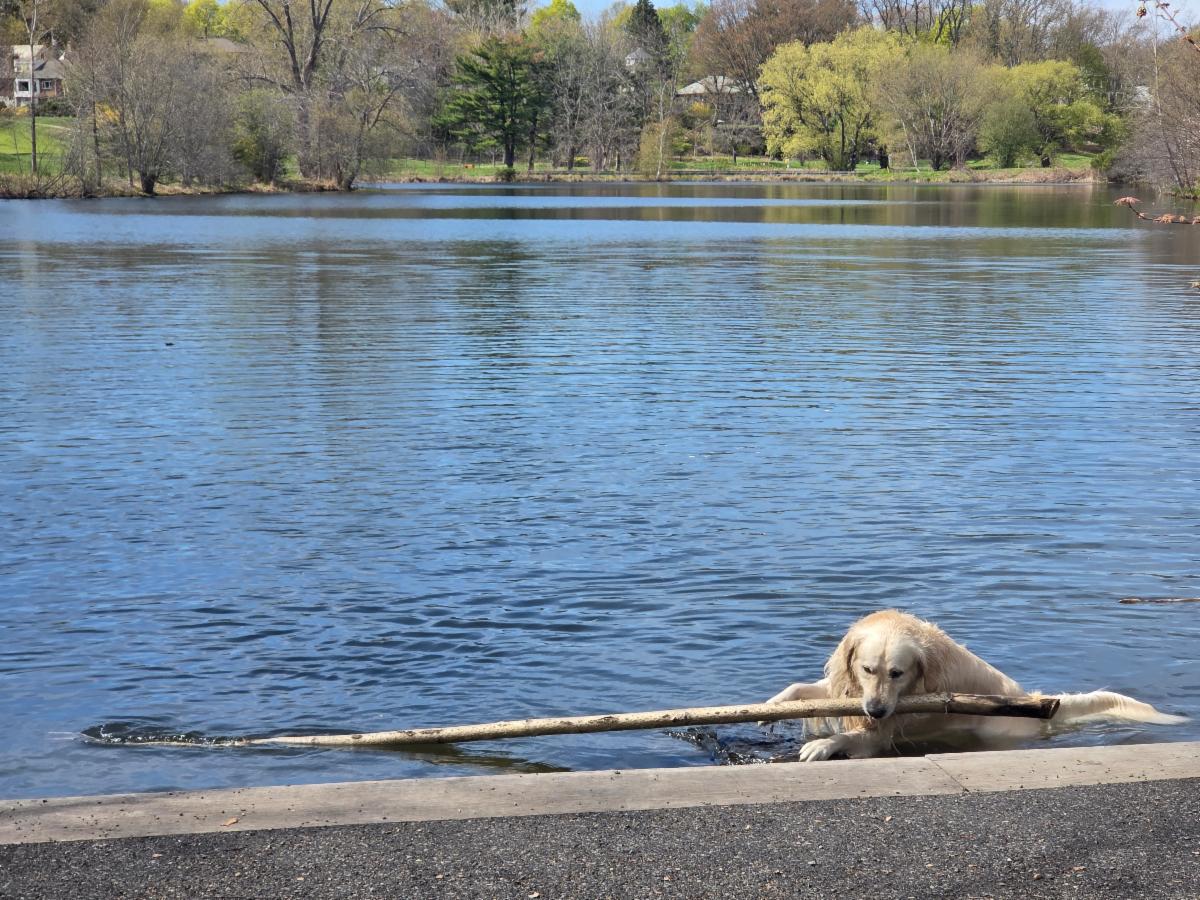
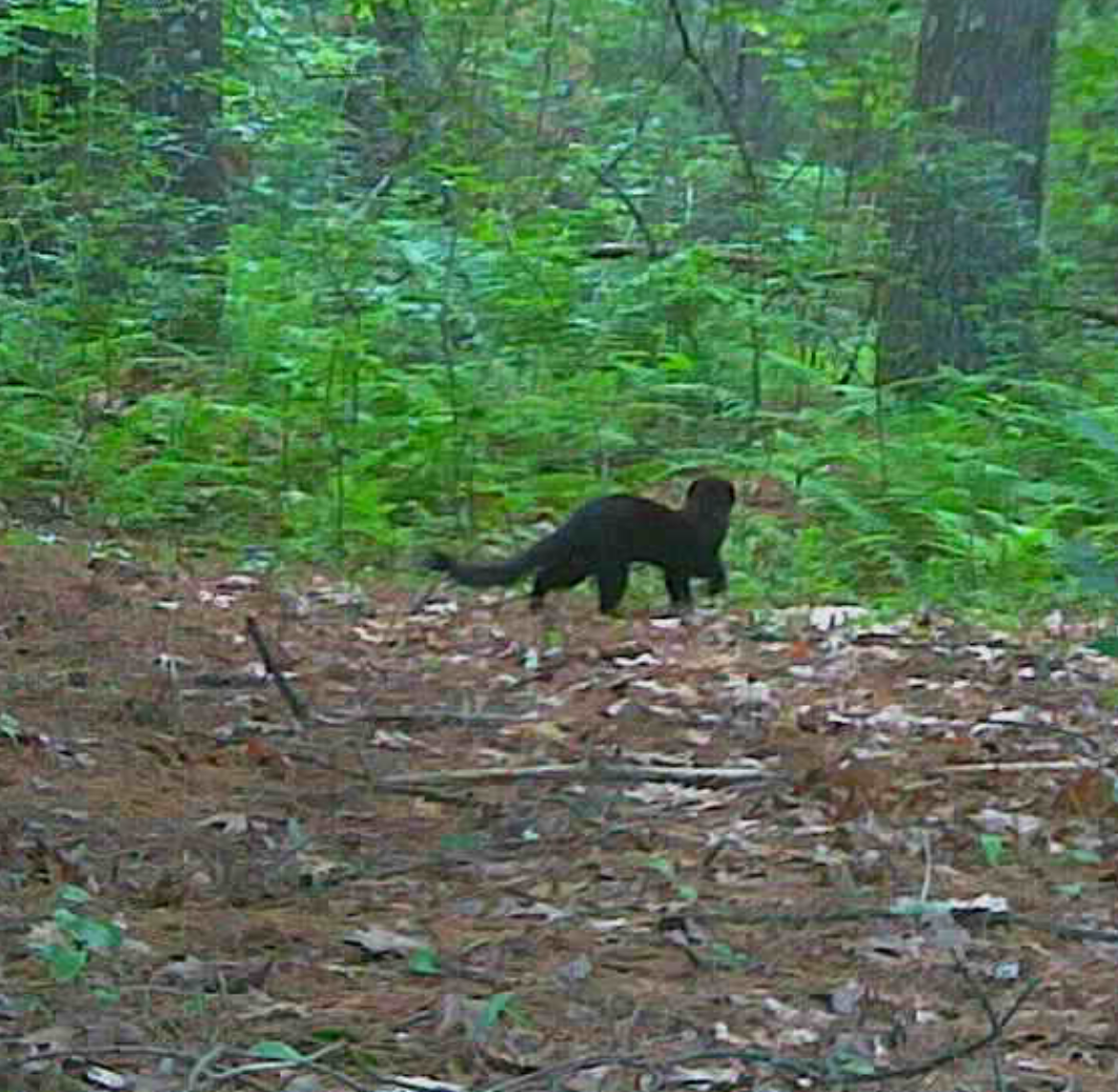
| | Observe wildlife from a distance. Do not follow or approach them. A good rule of thumb for wildlife viewing is to give a thumbs up with your arm outstretched. If you can cover the animal entirely with your thumb, you are at a safe distance. If they are changing their behavior because of you, you are too close! You can spy birds like this Baltimore Oriole feeding on nectar flowers from a healthy distance. | | | Never feed animals. Feeding wildlife damages their health, alters natural behaviors, and exposes them to predators and other dangers. Like feeding an infant water instead of milk, if nestlings are fed the wrong type of food, they will die of malnutrition. This rare melanistic squirrel is enjoying a nutritious acorn - they are expert foragers and do not need human intervention to survive. | | | Control pets at all times, or leave them at home. Your pet must be under voice command and within sight in order to be off-leash at Fresh Pond. Being off-leash is a privilege that can be taken away, not a right. All visitors to Fresh Pond enjoy a lively ecosystem full of wildlife, which we can protect by staying on-leash in designated areas. If a path is fenced, or dirt instead of pavement, it is likely an on-leash area. Check signage as needed. This pup is safely enjoying an extra-large stick within sight of his owner at Little Fresh Pond! | | | Avoid wildlife during sensitive times. During certain times of the year, such as mating or nesting season, animals are even more sensitive to the presence of humans. Seeing humans may cause wildlife to abandon their young or become more aggressive to protect them. Fisher cats (above) are born blind, helpless, and partially naked. Don't stress them out by getting too close, causing them to waste precious calories they could use to grow! | | | |
Remember, a Fed Bear is a Dead Bear. This applies to all wildlife. Even, yes, we are learning, bird feeders - especially those with a flat surface. With the epidemic of avian influenza, your feeder can become a hotspot for disease transmission. During the summer, birds actually have better and more nutritious food sources in the environment that aren't disease risks. If you must feed the birds, sterilize your feeder weekly. A safer and more eco-friendly way is to plant their favorite native plants! |
|
Stop acting so small. You are the universe in ecstatic motion.
— Rumi
| | | | |