|
Happy 25th Birthday to Apple's iMac
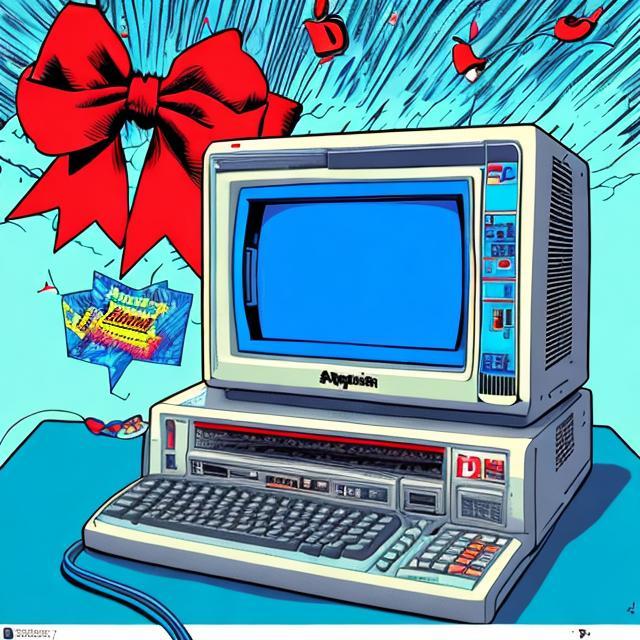
Twenty-five years ago this past August Apple unveiled the first iMac, a computer that spawned many imitators along with making USB mainstream. Apple has been mocked for using the word courage in relation to removing things like the headphone jack, but many of the design decisions on the iMac were the very definition of courage.
One of the most revolutionary changes in computers
There were three things that made the iMac more than just an evolutionary upgrade of existing computers.
- No floppy drive
- Only USB for expansion
- Colorful
Leaving floppy disks behind
The biggest gamble was dropping the floppy drive. Apple had such a belief in a floppy-less future that they didn't even offer a floppy drive as an option. In our current world, this seems like a logical outcome, but at the time it was a major deal. I wish I could have been there for the arguments because I have a feeling they got pretty heated.
One port to rule them all
The iMac dropped all legacy ports shared with Macintoshes up until this time, opting for a little known interface called Universal Serial Bus. When the iMac was announced in May of 1998, Microsoft had only added USB support to Windows 95 in the preceding November. Windows 98, which would support USB from day 1, wouldn't be released for a month. The USB ports replaced the Apple Desktop Bus which was used for keyboards & mice, the SCSI port which was used for external drives and scanners, and the serial ports which were used for printers, modems, and local networking.
Since the iMac already had a modem and network card built in, the biggest use of USB was for hooking up a printer. Second was probably a floppy disk drive. Yes, I see the irony in that.
True colors
While having a splash of color doesn't seem like it would be that revolutionary, it didn't take long before everyone was releasing computers and peripherals in a multitude of colors. Such a welcome change from the sea of beige that had existed throughout the 90s. Sure, Apple computers at the time were a lighter beige than most, and the Gateway 2000 computers were white, but isn't white just a very light beige?
No guts no glory
The release of the iMac brought renewed interest in the Macintosh line. It could be argued that it saved Apple, and all because there were people at Apple that had enough faith in the revolutionary design of the iMac to support its release. The iMac was so different that the Boston Globe predicted that it "is[sic] too odd to succeed".
The iMac doesn't include a floppy disk drive for doing file backups or sharing of data. It's an astonishing lapse from Jobs, who should have learned better.
The writer complains about the lack of a floppy disk drive for a majority of the review, ending his review wondering if a floppy drive will be added at the last minute. "It might not turn the iMac into a hit product, but it'd be good for more headlines." This is what a revolution looks like, one that doesn't hold on to antiquated technologies and techniques of the past. The success of the iMac helped Apple stay in business. Without the iMac, there may never have been smartphones as we have them today. Instead, we may have had things that look like the Blackberry and Palm Treo of old.
|