Learn21's Weekly EdTech Update

Welcome to

Bytes & Insight

Learn21 believes in giving back to the edtech community and is proud to share with you, free of charge, our weekly edtech update. This update will be delivered weekly and include the following sections:


  • EdTech Article of the week
  • Tips & Tricks
  • Learn21 Update
  • Extra Credit


business_technologies.jpg
 

Technology's many magic tricks


In the days following Apple's original iPhone announcement, Research in Motion (RIM) who produced the Blackberry had multiple all-hands meetings and were incredulous at what they had witnessed at the announcement. There was no way the iPhone could have all of those features without it also requiring a power hungry processor and limited battery life. At the time, the smartphone market was the Blackberry, and like most incumbents, they didn't see their failings until it was too late. RIM believed what Apple wanted to do was impossible! With the technology at the time, they were right, assuming they were designing an operating system and apps like everyone else was doing. But Apple went with "magic".


One of the biggest drains was running multiple apps at the same time. This is the greatest magic trick that Apple pulled on the iPhone. When you switched out of an app, the operating system told the app to quit. The app would clean up and quit, but not before taking a screenshot. Re-launching the app brought up the screenshot first while the app loaded, giving the appearance that the app was running the whole time when it really wasn't. This behavior, with some tweaks, still occurs today. For almost all apps, after about 3 minutes the operating system tells the app it's getting killed. The app cleans up, takes a screenshot, and quits. This is the reason that force-quitting or flipping your apps off the screen is an exercise in futility. After 3 minutes the app isn't running anyway; it's all an illusion.


This magic continues today with ChatGPT and other Large Language Models (LLM) of generative AI. They are not intelligent at all. They are using math and probabilities to output words and sentences. It seems like magic when ChatGPT throws out a lesson plan, but it's seen millions or billions of examples. LLMs like ChatGPT have the ability to amaze, but the cracks are appearing to show. There are arguments for and against the actual intelligence in these AI models, but a lot of what they do appears to be an illusion. If the problem you're asking ChatGPT to solve is common and has a lot of solutions out there you'll have better output than a rare problem that hasn't already been solved.


Right now, AI is a lot of smoke and mirrors with a sprinkling of "magic". We'll have to wait to see what kind of intelligence it actually has.

Tips & Tricks


Google cursive

This week, I learned about the app Google Cursive. The ChromeOS app is a notebook application for taking handwritten notes on touchscreen Chromebooks (preferably with a stylus). This is a Chromebook only app, although you can hack it to allow you to look at it on your desktop through the Developer Tools.


It is fairly barebones, but even then it works really well for taking handwritten notes.


Bookmark those sites!

Every time you search for Gmail (or Outlook) a little piece of your tech coordinator dies. It seems like bookmarking websites have become something of a lost art, which is not a good thing!


I recommend creating a folder on your bookmarks toolbar called something like Daily (or use an Emoji). Inside this folder put links to those websites you use every day, like your email, your learning management system, your grade book, and any curricular websites.


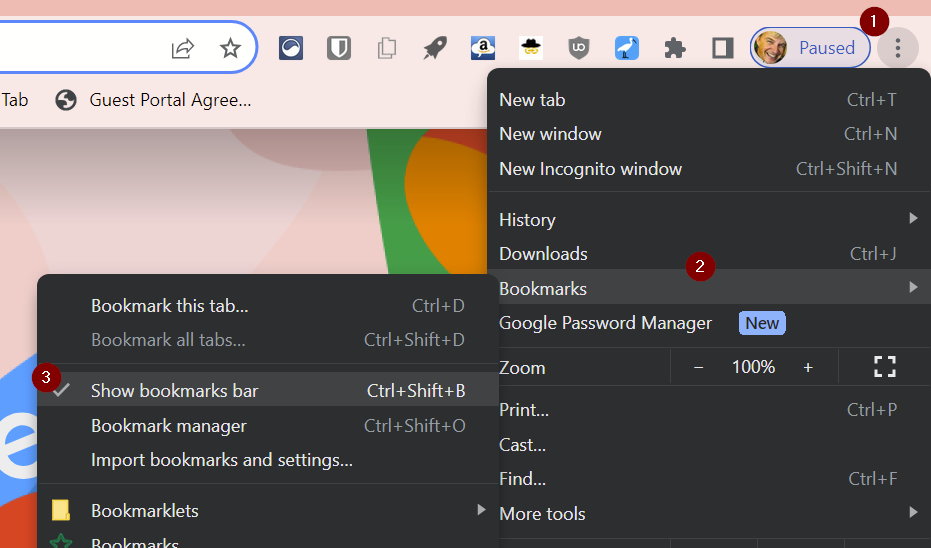
To get started, go into your settings and turn on your bookmarks toolbar. In Chrome it's under the three dot menu > Bookmarks > Show Bookmarks Bar.


Screenshot of Google Chrome Menu showing bookmarks bar settings.  Access settings, then Bookmarks, then show bookmarks bar.

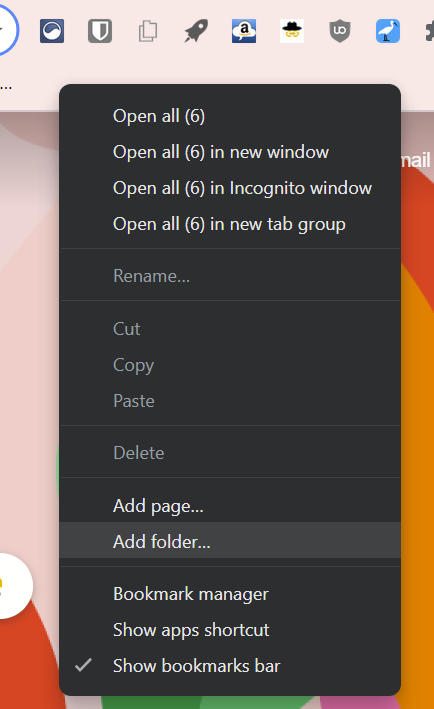
You'll now have the bookmarks bar showing. Right-click on the bar and select New Folder. Name it something like Daily or use an emoji like 😀.

Screenshot of Google chrome menu showing "add folder" option

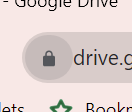
To easily add sites to the folder, navigate to the site. Click on the lock beside the address and drag it to the folder in the bookmark bar you just created.


Screenshot of lock next to URL

Now you can jump directly to those websites instead of navigating from search or your district's website. You can also right-click on the folder and select Open All in a New Window and all of those sites will open up ready for you to use. I have a video that demonstrates using the bookmarks bar.

Learn21 Update:

Get Ready for an Exciting Conference Focused on

Educational Technology!


The annual Ohio CoSN/ISTE Conference is right around the corner on November 8-9, 2023 at The Ohio State University. This year's event promises to be better than ever. Sponsored by your very own Learn21, this conference brings together educators, IT professionals, administrators, and exhibitors for two days of learning, inspiration, and networking around the latest topics in educational technology. 


With over 75 informative sessions, hands-on workshops, and motivating keynotes, this conference has something valuable to offer everyone involved in K-12 edtech. Attendees will walk away with new ideas, skills, and connections to bring back to their schools and districts. 


Some of the highlighted sessions cover timely topics like digital equity, generative AI, cybersecurity, emerging tech for the classroom, social-emotional learning, and leveraging data to boost student outcomes. Not one, but two renowned keynote speakers will share their real-world experiences and insights to help inspire you. Todd Henry, author of six books about leading creative teams, will kick us off with a zesty talk about how leaders and organizations establish practices that lead to everyday brilliance. ISTE’s Chief Innovation Officer, Joseph South will help us close out the day with his amazing talk on Preparing Students to Thrive in an AI-infused World. And we’ll be hosting our first AI Campground, an innovative space where you can play with a variety of generative AI apps and solve challenges! Oh yeah, and then there’s the exhibit hall which showcases all the newest products and services from top edtech companies.  


Networking is another key benefit of attending. Connect with like-minded professionals from across the state who are passionate about using technology to transform education. This is a welcoming community excited to share and exchange knowledge. You won’t want to miss this!


Registration is open now for this must-attend event for anyone involved in educational technology in K12 schools. Be sure to sign up soon to reserve your spot. 


This year's Ohio CoSN/ISTE Conference promises fresh ideas and strategies you can put into action right away to take your school's use of edtech to the next level. Join this supportive professional learning community and be a part of the future of education in Ohio!


Extra Credit


The College Board will share your SAT and GPA with TikTok and Facebook if you use the search features on their website. Luckily this won't affect you if you don't use their search feature, but it's still pretty bad that they do this in the first place.


Some districts have a block first, ask questions later when it comes to new technologies, and when ChatGPT made its debut these districts freaked out. Now some districts are re-evaluating these bans, some going as far as providing AI professional development.


Another thing I learned this week is that creativity can be evaluated, and a group of researchers evaluated the creativity of AI along with 24 undergraduates. What is surprising to me is how high AI scored. I'm still on the side of AI not being intelligent, but it can make connections really well.


At the start of the 20th century one of the driving forces in education was competence with the four Cs: critical thinking, creativity, collaboration, and communication. Out of the four Cs, creativity is becoming one of the most important while also being the most difficult to teach. When performing web searches or creating AI prompts, the user's creativity plays an important role in getting good responses. Teaching people to be creative is difficult, but there are some tips for helping those over come their "I'm not creative" mindset. Coming to the Learn21 conference in November is a great place to hear more about creativity from Todd Henry.


Higher intelligence brains can solve simple problems faster than lower intelligence brains, but they take more time for more difficult tasks. This equates to more correct answers and less mistakes for these folks, but at the expense of time.


Written by Eduk8me’s Ryan Collins who writes about education and educational technology. Sign up for the Of Bits and Bytes newsletter at https://eduk8.me.

www.learn21.org