Ruddy Turnstone | Photo: Lourdes Javier Campos | | |
Learning, Adapting, Moving Forward
In 2025, Manomet was called on to deliver in ways we never could have predicted. Across our programs, we worked tirelessly to ensure that critical conservation work never slows. It was a year that tested our flexibility and resolve, and one that underscored the importance of being ready when the moment demands it.
Manomet continued to move science into action. We expanded our impact by welcoming the Wade Institute for Science Education, strengthening our ability to connect rigorous science with teachers, students, and communities. Along the flyways, new research illuminated the full journeys of shorebirds like the Hudsonian Whimbrel, while partnerships in places such as the Amazon laid the groundwork for long-term conservation rooted in local leadership.
Closer to home, Manomet advanced solutions where people and nature meet, from elevating fishermen’s ecological knowledge in a rapidly changing ocean to mobilizing communities through youth environmental programs. We continued investing in the future by supporting early-career conservation leaders across Latin America and the Caribbean through the Small Grants program, building capacity where it matters most for migratory birds.
Through it all, Manomet’s strength came from its people; staff, partners, and supporters working together to keep conservation moving forward, even in uncertain times. As we reflect on the year, one thing is clear: your generosity makes this work possible. Support from our community helps us respond when challenges arise and ensures we’re ready for whatever comes next.
It is only through the commitment of friends like you that this work continues. We hope you will consider making a gift to Manomet Conservation Sciences today to make an impact for tomorrow.
| |
A New Chapter for the Ruddy Turnstone
This short video offers a glimpse into our ongoing research on the Ruddy Turnstone, an ambitious, collaborative effort to better understand the migration, habitat use, and diets of the Ruddy Turnstone. The species has declined so sharply and we don’t know why. This new data can guide its recovery across the hemisphere.
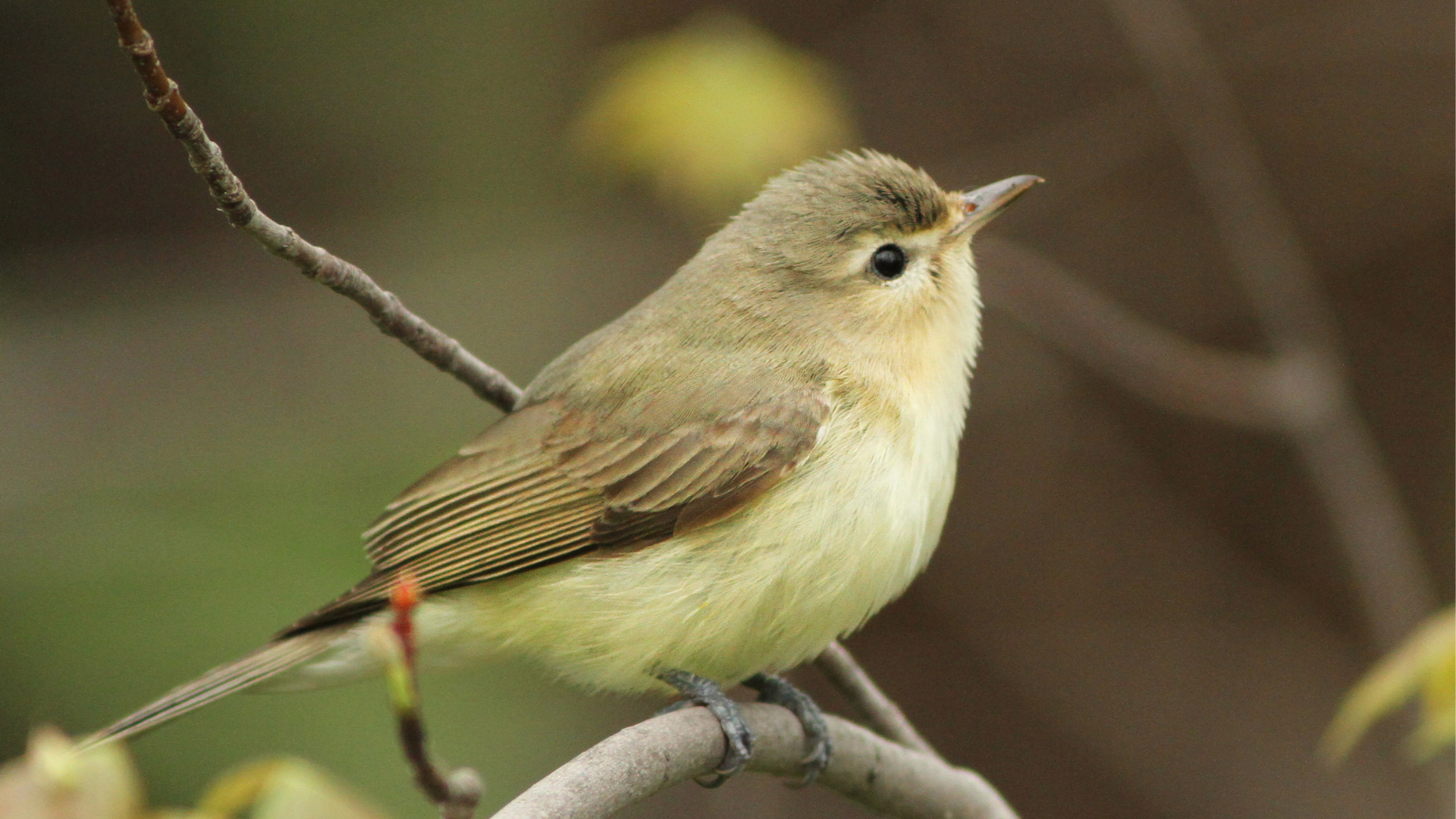
| Warbling Vireo | Photo: Getty Images | |
Birds are Arriving Earlier, but Not as Fast as Spring
New research drawing on records from over 170 years shows that birds are returning earlier than they once did, but not as quickly as spring itself. So, while plants and insects surge ahead, birds may be left out of sync with the seasonal rhythms on which they depend. This new publication traces how centuries of observation are helping scientists understand what climate change means for migration, and what may be at risk if timing continues to drift apart.
READ THE FULL STORY >>
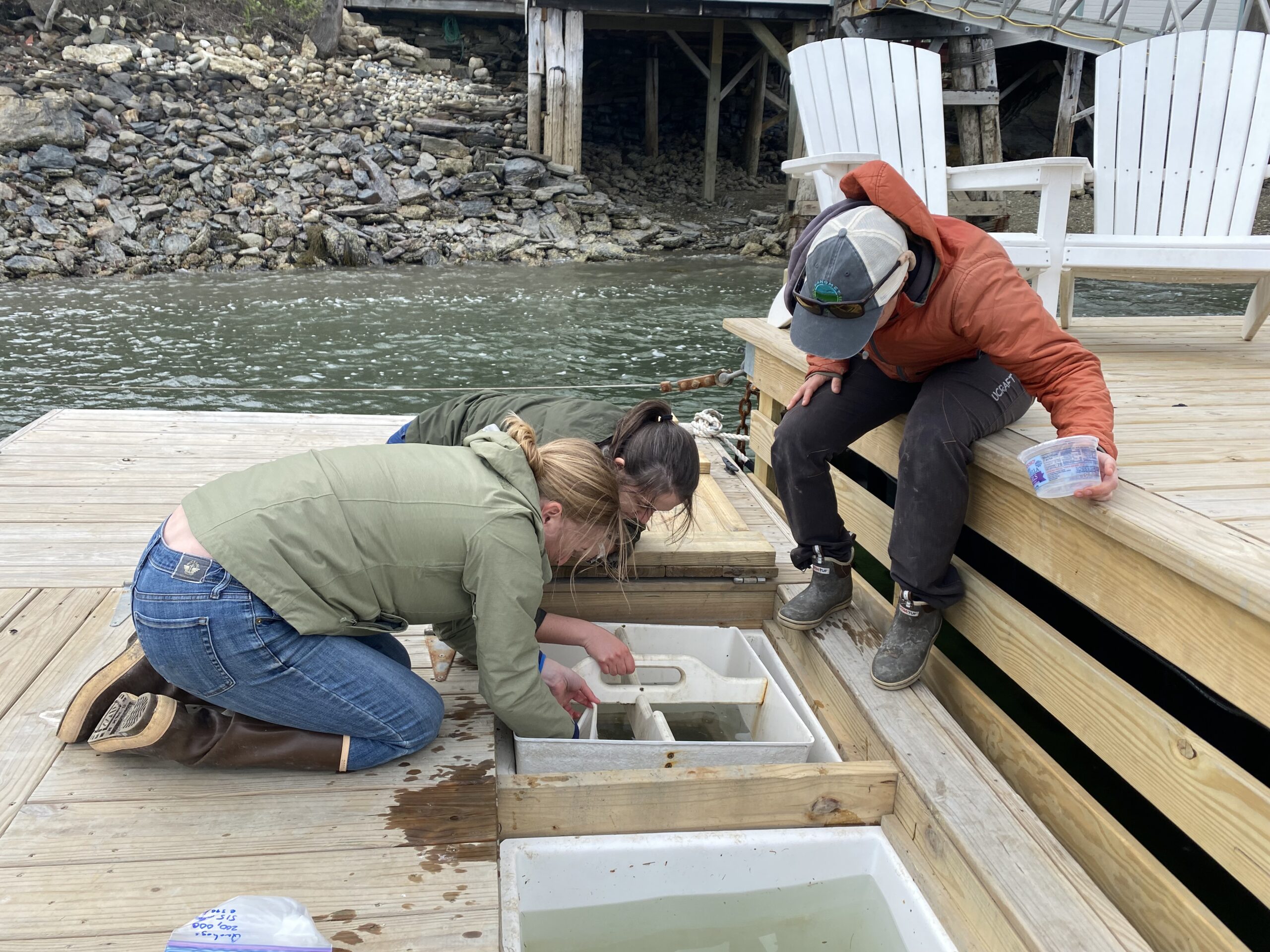
| Marissa McMahan (Senior Director of Fisheries), Jessie Batchelder (Fisheries Project Manager), and Emily Stone (Town of Brunswick Marine Resource Technician) check the quahogs in the upweller. | Photo: Manomet / Holly Clark | |
From Failure to 400,000 Quahogs: A Breakthrough Season for the Fisheries Team
Last year, an experiment failed and 200,000 quahogs were lost. Instead of walking away, Manomet’s Fisheries Team asked better questions, tried again in a new place, and discovered what persistence can unlock. In 2025, their work led to the successful growth of 400,000 quahogs, offering new possibilities for resilient fisheries and coastal communities. The full story is one of patience, partnership, and learning from what didn’t work.
READ THE FULL STORY >>
| |
Latin America Wants to Know More About Shorebirds
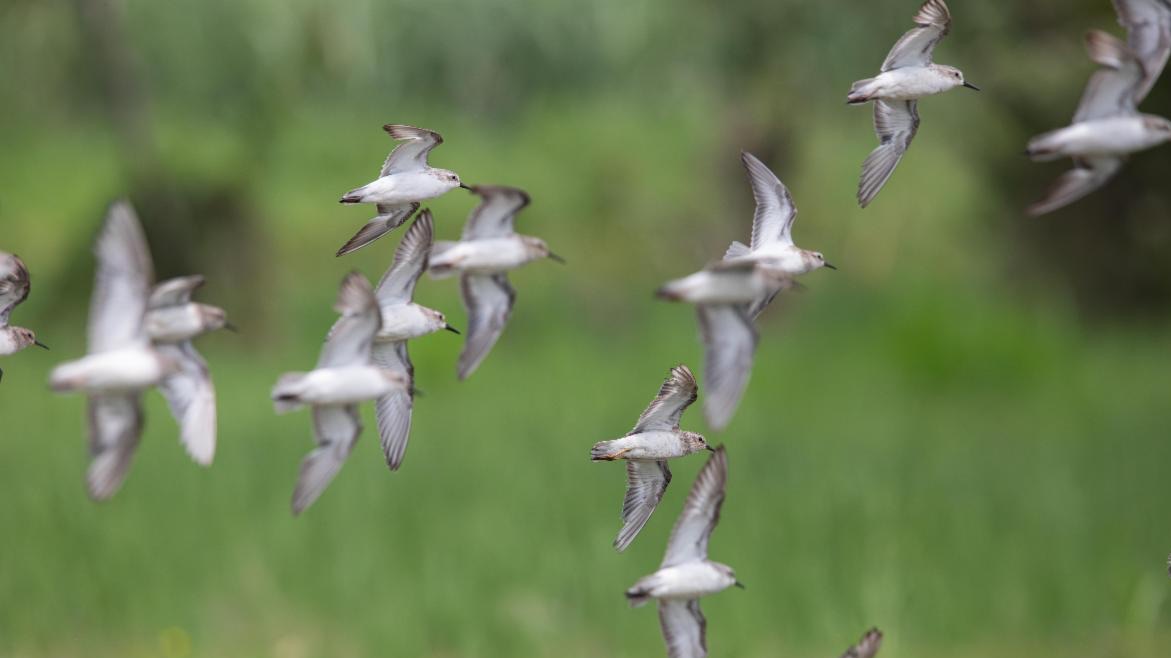
Interest in shorebird conservation is accelerating across Latin America, and the numbers tell the story. When the Introductory Training Program for Shorebird Conservation opened earlier this year, more than 1,100 people from 20 countries applied in just one week to take part in a new hemispheric program. Offered in Spanish and Portuguese through Western Hemisphere Shorebird Reserve Network (WHSRN) and designed to strengthen conservation at the site level, the training connected hundreds of participants with the science, tools, and community needed to protect shorebirds where they live. As this first chapter closes, one thing is clear: interest is growing, and the movement to conserve shorebirds across the Americas is gaining strength.
READ THE FULL STORY >>
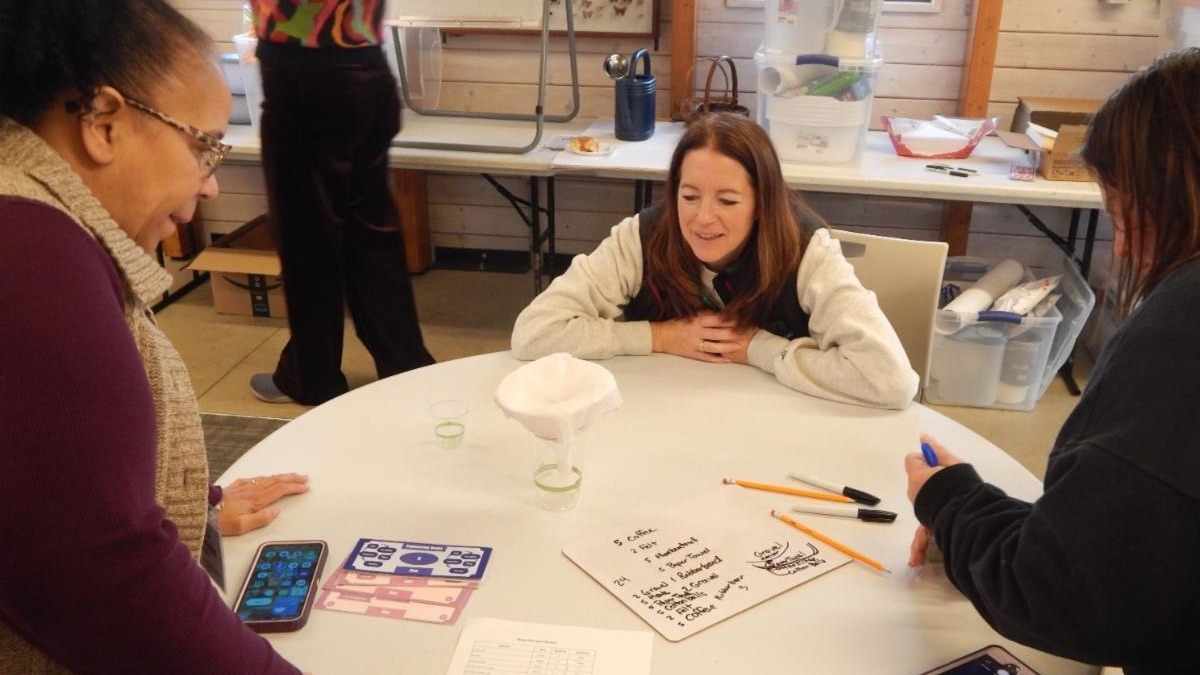
| | Wade Institute STEM program. | Photo: Manomet | |
The Wade Institute’s STEM Challenge 2025
When Massachusetts STEM Week called for a fast, hands-on learning experience, the Wade Institute answered. In just a few weeks, the team designed a complete curriculum, assembled classroom kits, and trained educators across the state, bringing real-world problem-solving into classrooms. Centered on a simple but urgent question about clean water, the STEM Challenge invited students to think like engineers and test their own solutions.
READ THE FULL STORY >>
|
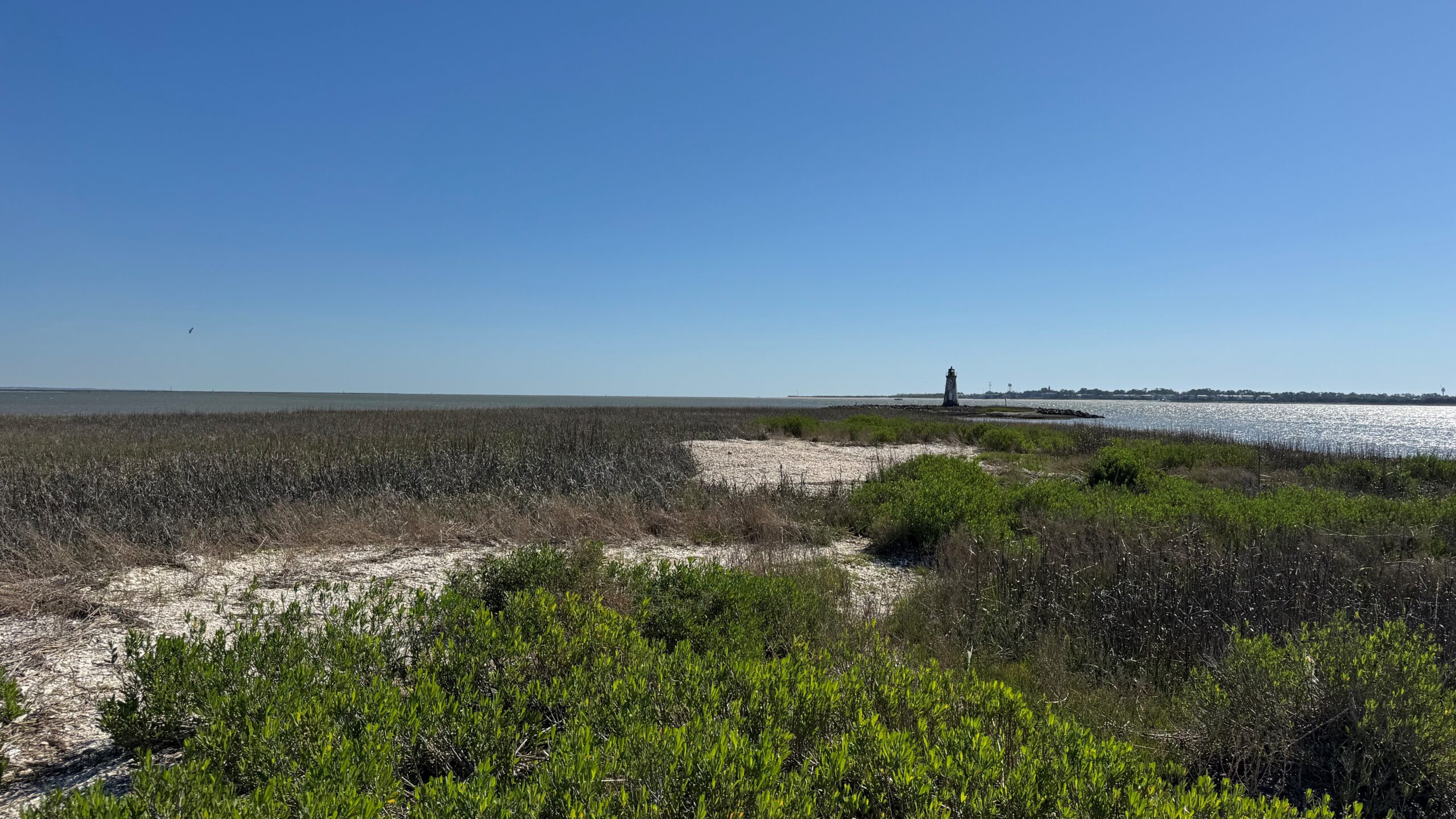
| Fort Pulaski National Monument at Cockspur Island Lighthouse. | |
Coastal Zone Initiative Working Collaboratively to Tee Up Coastal Resiliency
Rising seas are putting salt marshes, and the wildlife and communities that depend on them, at risk. Manomet is working with partners across the Southeast to identify where coastal restoration can have the greatest impact. By aligning science, collaboration, and future restoration opportunities, this work is helping set the stage for more resilient coastlines and healthier habitats for years to come.
READ THE FULL STORY >>
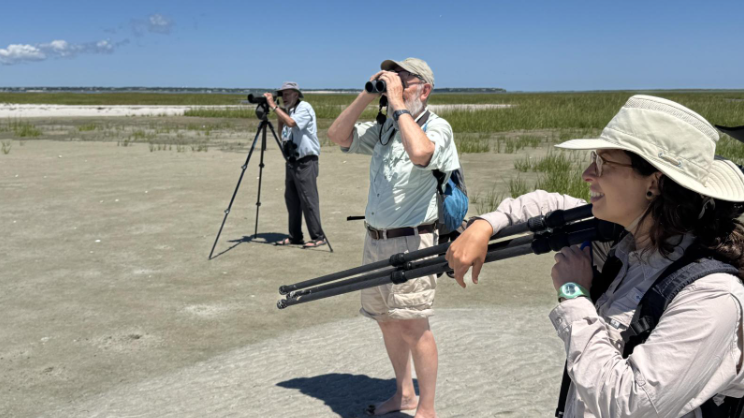
| | Manomet team surveying Monomoy National Wildlife Refuge. | Photo: Manomet / Alan Kneidel | | |
Massachusetts Shorebird Blitz: Year Three Highlights
Every August, as shorebirds stream south, Manomet leads the Massachusetts Shorebird Blitz—a coordinated, nine-day survey capturing how migratory shorebirds use our coastline. Launched in 2023 and modeled on the International Shorebird Survey (ISS), the Blitz brings volunteers and partners together to record shorebirds across eastern Massachusetts. Now in its third year, the effort offers a powerful snapshot of key stopover habitat during peak migration.
Click HERE TO ENJOY THE FULL STORYMAP and scroll on to the map to explore the standout findings from the 2025 survey.
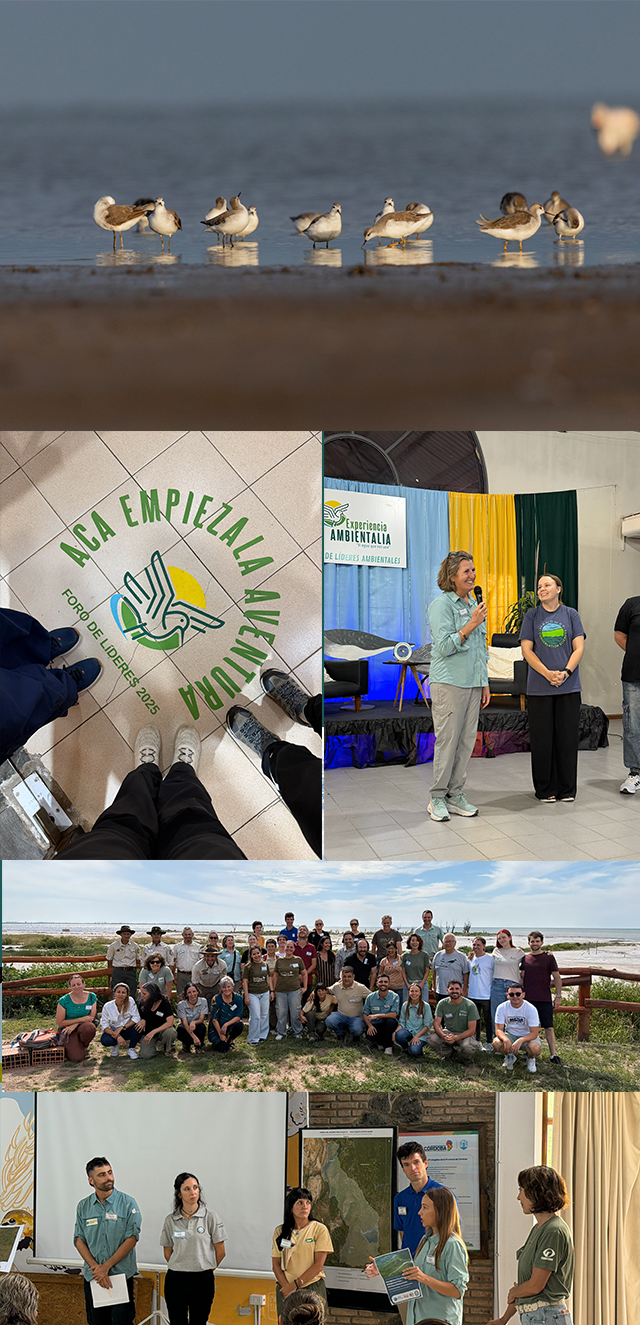
| | Photos: Manomet / Andrea Ferreira | | |
Shorebird Festival and Environmental Leaders Forum in Argentina
Members of the Flyways Team and Manomet's President, Lizzie Schueler, were in the Ansenuza region of Argentina this December to take part in a series of events celebrating youth leadership, community engagement, and the conservation of saline lakes for shorebirds. The visit included Experiencia Ambientalia’s Environmental Leaders Forum and the first Ansenuza Migratory Festival, a three-day celebration of saline lakes, migratory birds, and local culture. International guests from several major U.S. saline lakes also joined to strengthen collaboration around protecting this remarkable wetland and the migratory birds that depend on it.
| | December Small Sit Webinar:
Coastal Awareness and Responsible Ecotourism | | Thank you to our recent corporate partners for helping Manomet deliver its mission of improving the health of flyways, coastal ecosystems, and working lands and seas. | | | | |