This week's LIO is all about UN SDG 12: Responsible Consumption and Production. Globally, our economic and social progress over the last century has increasingly rested on the use of natural resources. These high levels of environmental degradation endanger the critical systems on which future development and sustainability depend on. It is estimated that one-third of all food produced (1.3 billion tonnes) ends up rotting in our homes and grocery stores, or goes bad during transportation! Reducing food waste is just one way we can contribute to environmental sustainability by increasing the efficiency of our food systems.


The activities below introduce students to many concepts surrounding living a sustainable and environmentally efficient lifestyle. Learn all about assessing our needs vs wants, how and where our trash ends up, interpreting our ecological footprint, and how we can all play a role in reducing our waste!


Grades K-3

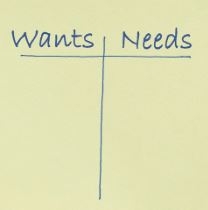
Needs vs Wants

In developed nations like Canada, we live in a world of abundance where the desire for the latest products often outweighs the social and environmental costs of our purchases. This lesson develops young students' financial decision-making skills as they evaluate the non-monetary factors that add contentment to their lives. A Loop Scoops video forms the basis of a series of hands-on activities.


Activities

  • Have students brainstorm a list of the things or activities that make them happy in their life. Circle all the items that cost money. Discuss the importance of things in your life that don't cost money
  • Watch the Happiness video, then discuss the relationship between consumer goods and happiness. Ask students to draw what would be in their cart if they were in the video
  • Conduct a classroom food audit so students can see just how much food is wasted
  • Spring is an excellent time to involve students in a schoolyard clean-up. Litter We Know is an activity that helps students gain a better understanding of the types and amount of litter in the schoolyard while considering the impact of litter on local wildlife.

Grades 3-5

Food Waste Hurts Our World

Methane emissions from rotting food in landfills are a leading contributor to climate change and expanded crop production can affect wildlife habitat by depleting freshwater supplies and land. This resource teaches students how re-thinking our approach to the way we use food supports healthy eating and a healthy environment. 


Activities


Grades 6-8

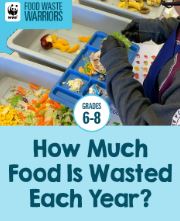
How Much Food is Wasted Each Year?

It is estimated that approximately 30% of the food produced around the world is never consumed or is lost to spoilage. This resource examines how the food we throw away contributes to global environmental issues like habitat loss, greenhouse gas emissions and climate change. 


Activities

  • Use the slideshow to introduce your students to the importance of reducing food waste. Discuss the ways food waste impacts the environment
  • Destined For Trash has students write a creative essay or mini-report that extends their learning about food waste
  • Read the Life of a Plastic Fork. Create your own comic strip about the life of a single-use plastic item
  • Start reusing or upcycling common household products. Learn how to design your own reusable lunch bag from old materials or rethinking the use of an old t-shirt into a tote bag


Grades 9-12

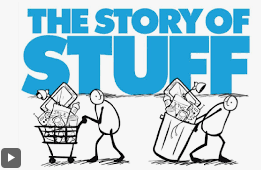
The Story of Stuff

This video provides a fast-paced, fact-filled look at the underside of our production and consumption patterns. Using cartoon graphics, host Anne Leonard explores the many connections between global economic, environmental, and social issues, and challenges us to create a more sustainable world.


Activities

  • Calculate your ecological footprint use this online tool or this paper and pencil alternative
  • What steps could you take to reduce your ecological footprint? Start implementing your footprint reducing ideas and share your tips with us on social media
  • After viewing the Story of Stuff ask students to write the name of something they enjoy using (phone, game, etc). Ask them to discuss with a partner how they think that item was manufactured and what steps were involved in bringing it to market


About Learning Inside Out


Above you will find a selection of activities, broken down by various grade levels. These guides will be released biweekly and archived on our Learning Inside Out page, so you can always access the full catalogue.


Some of the activities have been modified from resources on our R4R database, simplified and adapted for both outdoor learning in the school yard or at-home as needed. The activity descriptions above should contain all the information and links that you need!


We want this guide to work for you, so your feedback is invaluable to us.

Use the feedback button at the bottom of this Guide, or email us at info@LSF-LST.ca.


Follow us on social media for continued weekly highlights & other exciting opportunities through the school year!

Facebook  Twitter  Instagram  Linkedin  

Please share widely with any parents and teachers in your life!

Learning for a Sustainable Future (LSF) is a Canadian charity with over 25 years of experience working within the education system. Our Resources for Rethinking (R4R) database is an award-winning collection of resources that are peer-reviewed by certified teachers and connected to curriculum in all provinces and territories. R4R is recommended on many Ministry of Education websites.